
Red Light Therapy South Yarra Results

Red Light Therapy South Yarra Results

If you are searching for red light therapy South Yarra locals can access without adding more medication, more downtime or more guesswork, the real question is not whether light therapy sounds impressive. It is whether the treatment format is strong enough to deliver meaningful results. That matters, because not all red light therapy is built the same.

A quick facial panel or small handheld device can have a place. But if your goal is broader recovery, less pain, better sleep, improved skin quality or support for fatigue, treatment coverage matters. Whole-body photobiomodulation gives the body a very different level of exposure compared with narrow, localised options. For many people, that is the difference between trying a wellness trend and starting a therapy plan with genuine clinical intent.

Why red light therapy in South Yarra is getting attention

South Yarra attracts people who want practical results. Busy professionals want recovery that fits around work. Active people want faster bounce-back after training. Others are dealing with persistent pain, inflammation, poor sleep, low energy or skin changes that are hard to ignore. They are not necessarily looking for another complicated protocol. They want something evidence-based, non-invasive and realistic to maintain.

That is where photobiomodulation, often shortened to PBM, has carved out a serious place. Red and near infrared light are used at therapeutic wavelengths to support cellular function. The core idea is straightforward. When the body absorbs the right light at the right intensity, it may help stimulate ATP production, reduce oxidative stress and support the natural repair processes the body already relies on.

The appeal is obvious. No needles. No surgery. No harsh recovery period. And for many clients, no need to choose between aesthetic and functional benefits. The same session may support tissue recovery while also helping skin tone, mood and sleep quality.

What whole-body PBM actually does

A lot of people hear the phrase red light therapy and think of skincare alone. Skin rejuvenation is part of the picture, but it is not the full story. Whole-body PBM is used because light can interact with tissues well beyond the surface, especially when both red and infrared wavelengths are involved.

This is why treatment is often sought for muscular soreness, joint stiffness, post-exercise recovery, general inflammation support and fatigue-related complaints. Clients managing arthritis, fibromyalgia, chronic fatigue syndrome or post-surgical healing are often interested for the same reason – they want a drug-free option that may support comfort and function without placing more load on the body.

There is also a performance angle. If you train hard, work long hours or simply feel run down, better recovery is not a luxury. It changes how you move, how you sleep and how consistently you can show up. A therapy that supports circulation, tissue repair and recovery capacity is naturally going to attract people who care about how they feel day to day.

Red light therapy South Yarra clients should compare carefully

The biggest mistake people make is assuming every red light therapy service offers roughly the same thing. It does not. Delivery method changes the experience and the likely outcome.

A small device treats a small area. That can be useful if you have one very specific concern. But if the issue is widespread pain, all-over fatigue, recovery load, sleep disruption or a desire for more comprehensive wellness support, a limited treatment area may also mean limited impact.

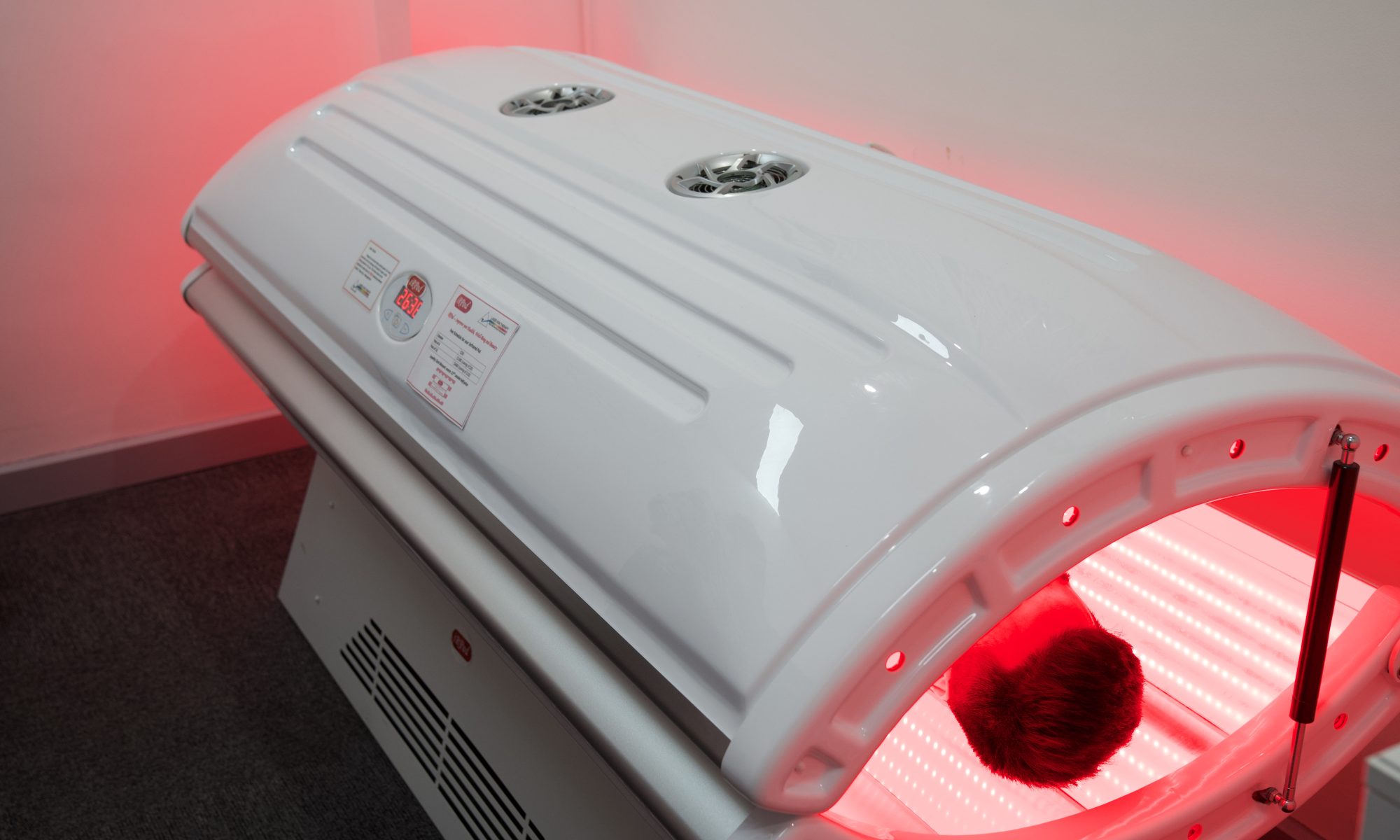
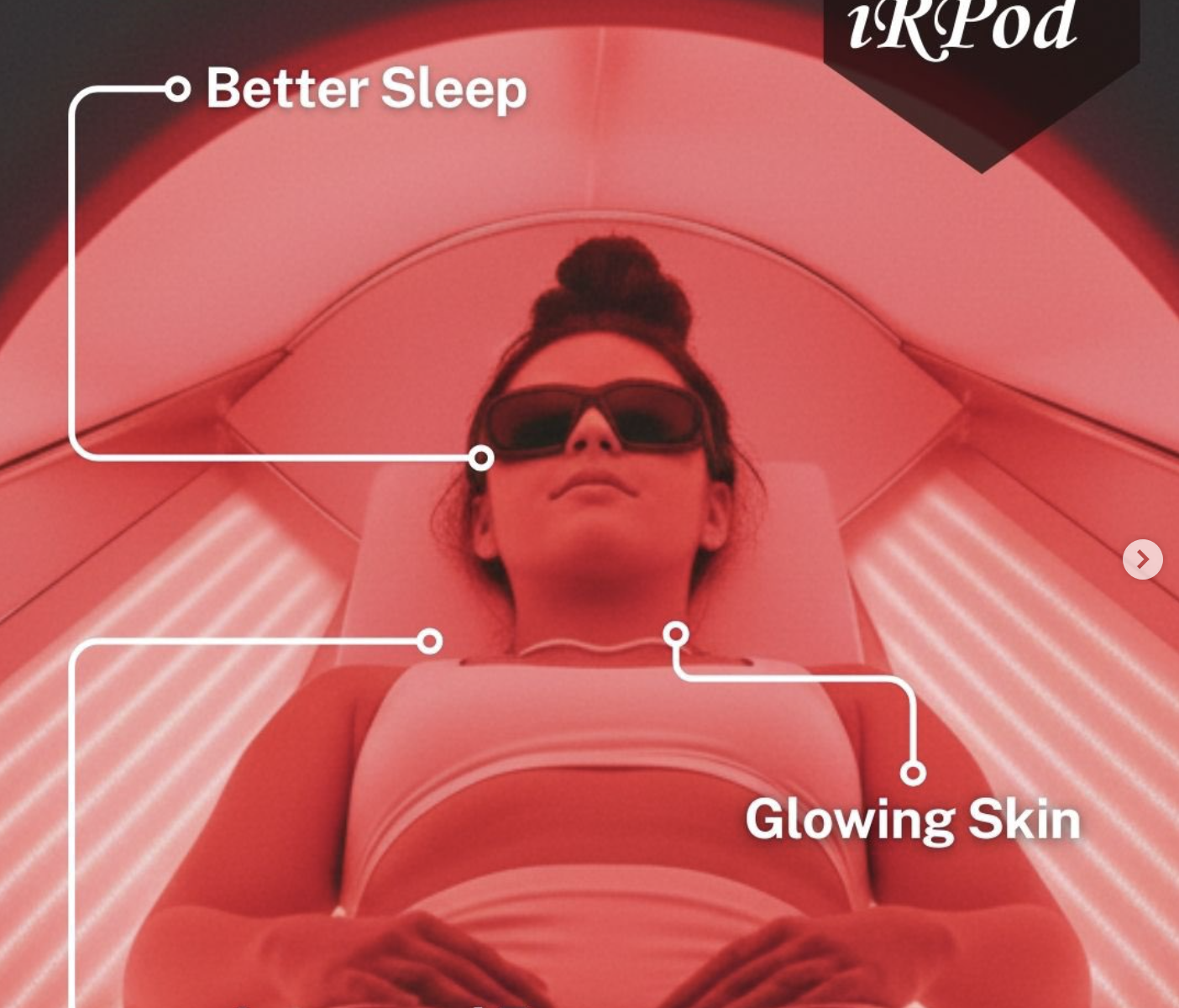
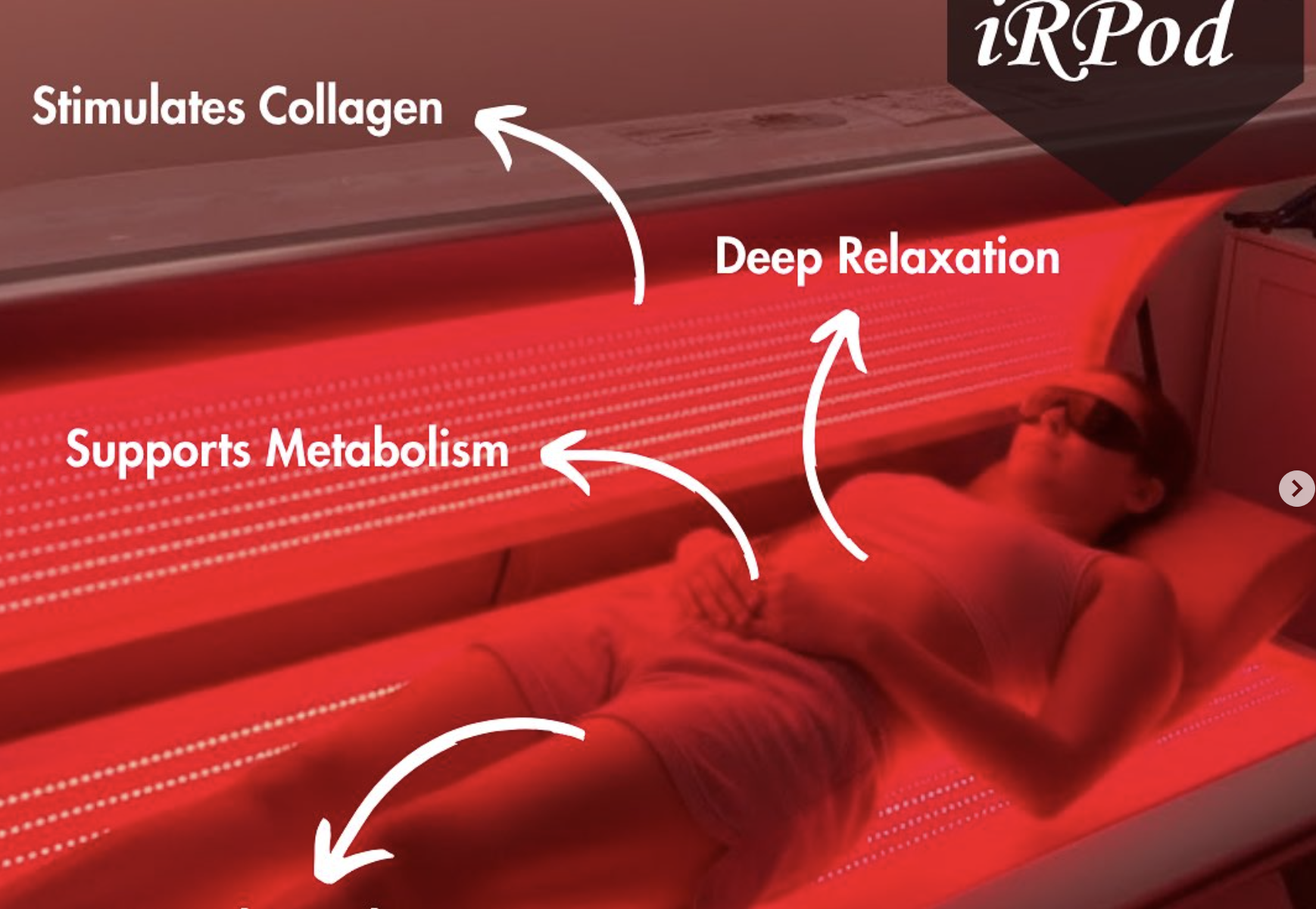
A full-body PBM pod is designed differently. Instead of chasing one patch of skin or one sore spot, it exposes the body more evenly and efficiently. That broader delivery is especially relevant when multiple systems may be involved. Someone with chronic fatigue, for example, is not usually looking for a single-point intervention. Someone recovering from training, stress and poor sleep at the same time often needs a more complete approach.

This is also where clinical setup matters. Established treatment providers do more than offer access to bright lights. They build sessions around therapeutic wavelengths, treatment timing, consistency and repeat plans that reflect how PBM is generally used in practice. One session can feel great. A series is usually where the stronger change happens.

What results can you realistically expect?

This is where a confident clinic should still be honest. Red light therapy is promising, but results depend on the person, the condition being treated and the consistency of treatment.

Some people notice short-term changes quickly. That can include feeling more relaxed, sleeping more deeply, moving with less stiffness or seeing skin look fresher. Others need a structured run of sessions before they notice a shift. If a concern has been building for months or years, it is reasonable to expect that improvement may take time.

Pain and recovery outcomes can vary depending on inflammation levels, lifestyle, training load and whether there is an underlying medical issue. Skin-focused goals often improve gradually rather than overnight. Energy and mood benefits can be noticeable, but they are also influenced by stress, workload, nutrition and sleep habits.

The useful question is not whether PBM works like magic. It is whether it can support the body enough to create measurable improvement over a treatment plan. For many clients, that is exactly the value. They do not need hype. They need progress.

Who tends to benefit most?

The strongest interest usually comes from adults who feel they have hit a wall with standard options. Some are tired of masking pain. Some want better recovery without relying on pills. Some are watching their skin change and want a treatment that feels more advanced than a basic beauty service.

People commonly seek whole-body red and infrared light therapy when they are dealing with persistent muscular or joint discomfort, training fatigue, post-surgical recovery, poor sleep, low mood, sluggish energy or signs of skin ageing. It can also suit people who are not acutely unwell but know their system is under strain. High-performing professionals often fall into that category. They may not describe themselves as patients, but they know they are not functioning at their best.

That said, not every person is an identical candidate, and not every goal should be framed the same way. A sports recovery client may value reduced soreness and better training consistency. A wellness client may care more about energy, sleep and resilience. A skin-focused client may prioritise complexion, texture and collagen support. Good treatment planning recognises those differences.

Safety matters as much as performance

One reason PBM has such strong appeal is that it offers a non-invasive path. That does not mean treatment should feel casual. Safe, effective care depends on the quality of equipment, the treatment environment and the experience behind the service.

Professional-grade systems are designed to deliver controlled light exposure at therapeutic levels. That matters far more than gimmicks. Temperature control, session duration and full-body consistency all contribute to comfort and repeatability. If a service presents itself as clinically informed, that standard should show up in the actual treatment design.

For clients, the practical advantage is clear. You can fit a 30-minute session into a busy week far more easily than a treatment that comes with disruption, discomfort or recovery time. That convenience is not a minor detail. It is one reason people actually stick with the recommended session plan.

Why consistency beats one-off curiosity

Red light therapy often works best as a course, not a once-off experiment. That is especially true for chronic issues, systemic fatigue, stubborn inflammation and cumulative skin concerns. The body responds to repeated signalling. One treatment may start the process. A series gives it momentum.

This is why established clinics commonly recommend a plan across several sessions rather than promising everything from a single visit. It is a more credible approach and, frankly, a more useful one for the client. A therapy should be sold on outcomes, not novelty.

At iRPod, the whole-body PBM pod approach reflects that philosophy. It is built for people who want advanced red and infrared light therapy delivered at scale, with clinical confidence and a clear focus on looking better, feeling better and performing better.

Choosing the right provider in South Yarra

If you are comparing options, look beyond the headline claim. Ask what kind of device is being used, how much of the body is treated, how long sessions run and whether the clinic speaks in clear therapeutic terms rather than vague wellness language.

You should also pay attention to whether the provider understands the difference between cosmetic interest and clinical support. There is nothing wrong with wanting brighter skin or a fresher appearance. But when a clinic can also speak credibly about pain, healing, inflammation, ATP production and recovery, you are likely dealing with a more serious standard of care.

For South Yarra clients, that combination is what makes red light therapy worth considering. It is not just convenient. It fits modern life while offering a treatment pathway that is safe, drug-free and grounded in how the body actually repairs and restores itself.

If your body has been asking for relief, recovery or a reset, the smartest next step is not to wait until things get worse. It is to choose a treatment strong enough to meet the moment.

How to Support Tissue Healing Naturally

How to Support Tissue Healing Naturally

A strained shoulder that lingers for weeks, a post-gym niggle that keeps flaring, or slow recovery after surgery can be deeply frustrating. If you are looking at how to support tissue healing naturally, the goal is not to force the body to heal faster at any cost. It is to create the right conditions for repair so recovery is steady, efficient and less likely to stall.

Tissue healing is not one single event. It is a staged biological process that relies on circulation, energy production, inflammation control, nutrient availability, sleep quality and the right level of mechanical load. When one of those factors is off, healing can feel sluggish. When several are working well together, the body tends to respond far better.

What tissue healing actually needs

Whether you are recovering from an injury, a procedure, repetitive strain or hard training, the body moves through overlapping phases of inflammation, repair and remodelling. Early inflammation is not the enemy. It is part of the signal that kicks off healing. The problem is unresolved or excessive inflammation that drags on and interferes with tissue repair.

At a cellular level, healing is energy-intensive. Your body needs oxygen, protein, micronutrients and adequate blood flow to build new tissue, clear waste products and support collagen formation. This is one reason quick-fix thinking often falls short. You cannot out-supplement poor sleep, under-eating, constant stress and complete inactivity.

Natural support works best when it is layered. Think of it as building a recovery environment rather than chasing one miracle solution.

How to support tissue healing naturally day to day

The basics matter more than most people want to hear, but they are still the foundation. If your recovery has plateaued, these are usually the first places worth tightening up.

Prioritise sleep like it is part of treatment

Sleep is when much of the body’s repair work is coordinated. Hormonal signalling, immune function, muscle recovery and tissue remodelling all depend on decent sleep quantity and quality. If you are averaging broken sleep or pushing through on five or six hours, healing may be slower than it needs to be.

A simple target is consistency. Go to bed and wake up around the same time, keep the bedroom cool and dark, and reduce bright screens before bed. People often underestimate how much improved sleep can shift pain, recovery and energy within a couple of weeks.

Eat enough protein and whole-food nutrients

Healing tissue is built from raw materials. Protein is central because amino acids support repair and collagen production. If appetite is low after illness, surgery or stress, protein intake often drops just when it is needed most.

Most adults recovering from injury do better when each meal includes a solid serve of protein, along with colourful vegetables, fruit, healthy fats and enough total calories. Going too low-calorie during recovery can work against you, particularly if your body is trying to rebuild damaged tissue. Zinc, vitamin C, iron and omega-3 fats can also play supportive roles, but supplementation is not automatically better. It depends on your diet, health history and whether there is an actual deficiency.

Use movement, but dose it properly

Complete rest has its place in the very early stage of some injuries, but too much rest for too long can reduce circulation, stiffness tolerance and tissue resilience. In many cases, gentle and well-timed movement helps the body heal more effectively.

That does not mean pushing through sharp pain or returning to full training too soon. It means using appropriate load. For one person, that may be easy walking and mobility work. For another, it may be a graded rehab program. Tissue tends to respond well to the right amount of challenge, introduced at the right time.

Keep inflammation in balance

Inflammation is necessary, but chronic systemic inflammation is a different story. High stress, poor sleep, smoking, excess alcohol, ultra-processed diets and metabolic issues can all interfere with recovery.

This is where lifestyle choices make a real difference. Better stress regulation, regular light movement, whole-food nutrition and reduced inflammatory load can support a more efficient healing environment. It is rarely glamorous, but it is effective.

The role of circulation and cellular energy

One of the reasons tissue healing can stall is that local tissues are not getting optimal blood flow and cellular support. Poor circulation, persistent swelling, low activity, chronic pain patterns and nervous system stress can all contribute.

Healing cells require energy, particularly in the form of ATP, to carry out repair. This matters because recovery is not only structural. It is biochemical. If the body is short on energy or under excessive oxidative stress, progress can feel slower and more inconsistent.

That is why therapies that support circulation, mitochondrial function and inflammation regulation are getting more attention. They fit well within a natural, drug-free recovery plan, especially for people who want non-invasive options.

Where photobiomodulation fits in

For people exploring how to support tissue healing naturally, photobiomodulation deserves serious consideration. Also known as red and infrared light therapy, PBM uses specific wavelengths of light to support cellular function. The aim is not to mask symptoms. It is to stimulate processes involved in repair, recovery and tissue health.

Photobiomodulation has been studied for its effects on ATP production, oxidative stress and inflammation modulation. In practical terms, that may translate to support for pain reduction, improved recovery, better circulation and more efficient tissue repair. That is why it is increasingly used in sports recovery, post-surgical support, soft tissue healing and chronic pain management.

The key is treatment quality. Not all light therapy is equal. Wavelength, power, treatment time and body coverage all matter. A whole-body approach can be especially valuable when recovery is not neatly limited to one tiny area, or when the nervous system, fatigue, sleep and inflammation are all part of the bigger picture.

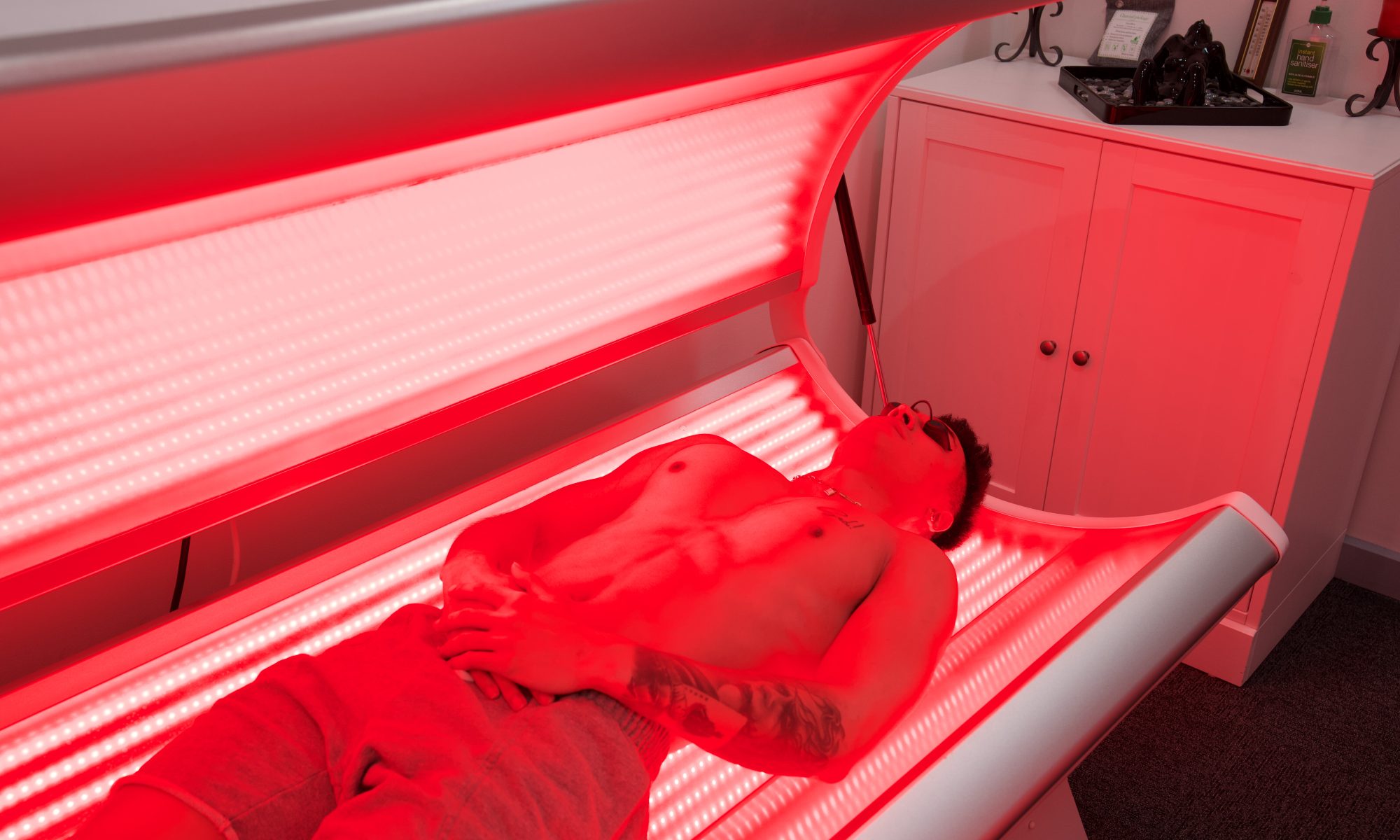
At an established clinic such as iRPod in South Yarra, full-body photobiomodulation is delivered through a PBM pod with extensive LED coverage, allowing clients to access a broader treatment format than small localised devices can offer. For many people, that aligns well with a natural recovery strategy that is safe, non-invasive and easy to fit into real life.

Natural healing is not always linear

One of the most useful things to understand is that healing does not happen in a straight line. A good week can be followed by a flat one. Pain can settle before strength returns. Skin may repair on a different timeline to deeper tissue. This is normal.

It also means you need to judge progress over time, not day by day. If you are doing the right things but overloading too early, progress may stall. If you are being too cautious for too long, tissues may not get the stimulus they need to remodel. That middle ground is where good recovery plans live.

This is particularly relevant for people dealing with chronic fatigue, fibromyalgia, arthritis or long-standing pain. In these cases, healing support often has to be gentler, more consistent and better paced. More intensity is not always better. Better dosing is better.

When natural support needs professional guidance

Natural strategies can be powerful, but they are not a substitute for proper assessment when something is not improving. If swelling is worsening, pain is severe, function is dropping, or symptoms are lasting longer than expected, it is worth getting expert input.

The same applies after surgery or significant injury. Natural support should work alongside medical advice, not compete with it. In many cases, the best outcomes come from combining sound clinical guidance with evidence-based, non-invasive therapies and strong recovery habits.

A smarter way to think about healing

If you want to know how to support tissue healing naturally, start by thinking less about hacks and more about conditions. Better sleep, enough protein, controlled inflammation, smart movement, good circulation and therapies that support cellular repair all help create those conditions.

That approach is practical, evidence-informed and realistic. It respects the biology of healing rather than trying to bully the body into recovery. And when you give your system the support it actually needs, the body is often capable of more repair than people expect.

Healing responds well to consistency. A few smart decisions repeated daily will usually do more than any trendy quick fix ever could.

Photobiomodulation for Neck Pain Explained

Photobiomodulation for Neck Pain Explained

That stiff, nagging neck that flares after a day at the desk, a rough sleep, or another week of stress is rarely just a minor annoyance. For many people, it affects concentration, sleep, training, driving, and even mood. Photobiomodulation for neck pain is getting attention for exactly that reason – it offers a non-invasive, drug-free way to support pain reduction and tissue recovery without adding more strain to an already overloaded body.

Why neck pain is so stubborn

Neck pain is rarely caused by one simple issue. Sometimes it starts with muscle tension from long hours at a laptop. Sometimes it is linked to joint irritation, poor movement patterns, postural loading, inflammation, sports strain, or recovery after injury. In other cases, the pain has been there so long that the area becomes persistently sensitive, even after the original trigger settles down.

That complexity is why quick fixes often disappoint. Pain gels, stretching apps, massage guns and occasional hands-on treatment can all help, but results are often short-lived if the tissue is irritated, circulation is poor, or cellular recovery is lagging behind. If your neck pain keeps coming back, it usually means the body needs more than symptom masking. It needs support at a deeper level.

What is photobiomodulation?

Photobiomodulation, often shortened to PBM, uses specific wavelengths of red and near-infrared light to stimulate cellular activity. This is not heat therapy in the traditional sense, and it is not a harsh or invasive treatment. The goal is to deliver light energy that the body can use at a cellular level.

When applied appropriately, PBM is associated with improved mitochondrial function and increased ATP production. ATP is the energy currency of the cell. More available cellular energy can help support tissue repair, reduce oxidative stress, and improve the way damaged or irritated tissue responds to healing demands.

For people dealing with neck pain, that matters. Muscles, fascia, tendons and surrounding structures all rely on efficient cellular energy and healthy circulation to recover properly. If that process is sluggish, discomfort can linger far longer than it should.

How photobiomodulation for neck pain may help

The appeal of photobiomodulation for neck pain is not that it claims to magically erase every cause of discomfort. The real value is that it may support several of the biological processes involved in pain and recovery at the same time.

One pathway is inflammation modulation. When the neck is irritated, whether from overuse, poor posture, or strain, inflammatory processes can become part of the pain cycle. PBM may help calm that response, which can reduce sensitivity and make movement feel easier.

Another pathway is circulation and tissue oxygenation. Better blood flow and healthier tissue function can support recovery in tight, overloaded muscles. That is especially relevant for people whose pain is paired with stiffness across the upper traps, shoulders, and base of the skull.

Then there is the energy side of the equation. Cells under stress do not perform well. By supporting ATP production, PBM may help damaged or irritated tissue do the work required for repair more efficiently.

There is also the practical benefit that matters to busy adults – the treatment is non-invasive and generally well tolerated. If you are trying to avoid a medication-heavy approach, that can be a major advantage.

What the science says, and what it does not

PBM has been studied across pain management, tissue healing, sports recovery and musculoskeletal conditions for years. There is credible research supporting its use in reducing pain and improving function in certain cases. Neck pain is one of the areas where light-based therapy has shown encouraging results, particularly when treatment parameters are appropriate and delivered consistently.

That said, this is not a one-size-fits-all story. Outcomes depend on the nature of the neck pain, how long it has been present, the severity of tissue irritation, and whether there are contributing factors such as poor ergonomics, stress, inflammatory conditions, or referred pain from other areas.

If someone has acute muscular tightness after a long week, they may respond relatively quickly. If someone has chronic neck pain with years of compensation, headaches, poor sleep and reduced mobility, improvement may be more gradual and require a broader plan. That does not make PBM less useful. It simply means expectations should be grounded in how the body actually heals.

Whole-body treatment versus localised treatment

This is where the treatment model matters more than many people realise. Localised devices can target a specific sore area, and in some settings that makes sense. But neck pain is often not just a neck problem.

Tension through the shoulders, thoracic spine, jaw and upper back often feeds into neck symptoms. Poor recovery, stress load and systemic inflammation can also influence how the neck feels day to day. A whole-body photobiomodulation approach may offer broader support by exposing a larger treatment area rather than only chasing one painful spot.

For clients who deal with neck pain alongside fatigue, poor sleep, sports soreness or general body tightness, that broader approach can be especially appealing. Instead of treating the body like a collection of unrelated parts, it supports the wider recovery environment.

At an established clinic such as iRPod, whole-body PBM is delivered through a pod designed to provide consistent red and infrared light exposure across the body. That matters because treatment quality is not only about the concept of PBM. It is also about how effectively and reliably the light is delivered.

Who may benefit most

PBM can be worth considering for people with recurring muscular neck tension, desk-related stiffness, post-exercise soreness, general inflammatory discomfort, or recovery needs after strain. It may also appeal to those who want a supportive therapy without downtime, needles or medication.

It can be particularly relevant for health-conscious adults who are already trying to improve sleep, movement and recovery, because neck pain rarely exists in isolation. If you are sleeping badly, stressed, inflamed and physically tight, addressing recovery more broadly often makes sense.

Still, there are limits. If neck pain is severe, progressively worsening, linked to trauma, or associated with neurological symptoms such as arm weakness, numbness or altered coordination, it needs proper medical assessment. PBM can be part of a recovery strategy, but it should not replace investigation when red flags are present.

What a treatment plan usually looks like

One of the most common mistakes people make is expecting long-standing pain to shift after a single session. Some people do feel relief quickly, especially if tightness and inflammation are recent. But persistent neck pain usually responds better to a course of treatment rather than a once-off trial.

A structured plan gives the body repeated opportunities to reduce irritation, improve cellular energy and support tissue healing. That is why many clinics recommend multiple sessions over a defined period, often followed by maintenance depending on how chronic the issue is and how the person responds.

Consistency matters. So does timing. If you wait until the neck is badly flared again, you are always trying to catch up. A proactive approach tends to produce better outcomes than crisis management.

Is it safe?

For most people, PBM is considered a safe and non-invasive therapy when delivered correctly. It does not rely on force, friction, or pharmaceuticals. That makes it attractive for people who want a gentler recovery option or who simply want something they can integrate into an existing wellness or rehabilitation plan.

The key phrase is when delivered correctly. Proper device quality, treatment parameters and clinical guidance all matter. Not all light therapy is equal, and consumer devices vary widely in output and consistency. If someone is serious about trying PBM for neck pain, treatment setting and technology standard should be part of the decision.

The bigger opportunity with neck pain

The smartest way to think about PBM is not as a miracle fix for every sore neck. It is better viewed as a powerful support tool within a recovery strategy that may also include movement, ergonomic changes, strength work, stress management and better sleep.

That is often why it resonates with people who want more than temporary relief. They are not just trying to get through the day with less pain. They want to move better, recover better, sleep better and feel more like themselves again.

If your neck pain has become one of those background problems you keep tolerating, it may be time to stop treating it like a small issue. The right therapy should not just chase symptoms. It should help your body do what it was designed to do – repair, recover and perform better.

How to Recover After Gym Sessions Properly

How to Recover After Gym Sessions Properly

You can finish a hard training session feeling strong, then wake up the next morning flat, tight and oddly more exhausted than accomplished. That is usually the point where people start asking how to recover after gym sessions properly – not just how to get through soreness, but how to come back stronger, fresher and ready to train again.

Recovery is where progress is consolidated. Training places stress on muscles, joints, connective tissue and the nervous system. The gains happen when your body repairs that stress efficiently. If recovery is poor, performance stalls, inflammation lingers, sleep can suffer and even motivation starts to dip.

Why recovery matters more than most people think

Many people still treat recovery as optional, as if the real work stops and starts with the workout itself. It does not. Exercise creates microscopic muscle damage, depletes glycogen stores, shifts fluid balance and raises inflammatory activity. That is normal. The issue is whether your body has what it needs to repair tissue, restore energy and regulate stress.

This is why two people can do the same session and get very different results. One improves steadily. The other stays sore for days, feels heavy in the gym and starts collecting niggles. The difference is often not effort. It is recovery quality.

Good recovery supports muscle repair, reduces unnecessary fatigue and helps you maintain training consistency. It also affects sleep quality, mood, energy and injury risk. If you are training regularly, recovery is not an extra. It is part of the programme.

How to recover after gym sessions without overcomplicating it

The best recovery plan is not usually the most extreme one. You do not need to throw every tool at your body after every session. What works best is a combination of basics done consistently, with a few targeted therapies added when your training load is high or your body needs more support.

Start with hydration straight away

Sweat loss is not just about water. You are also losing electrolytes, and even mild dehydration can affect muscle function, energy and next-day performance. If your session was intense, long or done in warm conditions, replacing fluids early matters.

Water is the baseline. If you have had a heavy session, adding electrolytes can help restore balance more effectively. You do not need to panic over exact numbers unless you are training at a high level, but waiting until you feel wrecked or headachy is too late.

Eat for repair, not just for fullness

Post-gym nutrition does not need to be complicated, but it does need to be purposeful. Protein helps repair muscle tissue. Carbohydrates help replenish glycogen, which is your stored energy. If you skip both, recovery slows.

A practical post-training meal might include eggs on grainy toast, Greek yoghurt with fruit, chicken and rice, or a smoothie with protein and banana if you are on the go. The right amount depends on your body size, goals and the session you have just done. A short weights workout and a long conditioning session do not create the same recovery demand.

Do not confuse total rest with best rest

If you are very sore, complete inactivity can sometimes make you feel worse. Light movement often helps improve circulation and reduce stiffness. That might mean an easy walk, gentle cycling or mobility work later in the day or the following morning.

The key is intensity. Recovery movement should leave you feeling looser and better, not more depleted. If your heart rate is climbing and your legs are burning again, you have missed the brief.

Sleep is still the most powerful recovery tool

People love to talk about supplements and gadgets, but sleep remains the heavy hitter. During quality sleep, the body carries out much of its repair work. Hormonal regulation improves, muscle recovery is supported and the nervous system gets a chance to reset.

If you are training hard and sleeping poorly, you are placing your body under stress without giving it a proper adaptation window. That is when soreness hangs around, energy drops and workouts start feeling harder than they should.

Aim for a consistent sleep routine where possible. A cooler room, reduced evening screen time and finishing intense training earlier can all help. If your sleep is regularly poor, it is worth addressing directly rather than assuming more caffeine will cover the gap.

Manage inflammation without shutting down adaptation

A certain amount of post-exercise inflammation is part of the normal healing process. Trying to eliminate all of it is not always the goal. What you want is balanced recovery, where tissue repair can occur without dragging excess soreness and fatigue into the rest of your week.

This is where context matters. If you are an occasional gym-goer, your body may simply need time to adapt. If you are training frequently, returning from injury or carrying pre-existing pain, your recovery strategy may need to be more deliberate.

Mobility work, gentle stretching, hydration, quality food and adequate sleep all support this balance. For some people, advanced recovery options can also play a valuable role.

Where advanced recovery therapies fit in

If you are serious about performance, pain reduction or getting back into training sooner, supportive therapies can help bridge the gap between effort and adaptation. One that has gained significant attention is photobiomodulation, also known as red and infrared light therapy.

This approach uses specific wavelengths of light to support cellular energy production, influence inflammatory processes and assist tissue repair. In simple terms, the goal is to help the body recover more efficiently at a cellular level. That is why it is increasingly used across sports recovery, pain management and broader wellness settings.

For gym-goers, this can be especially relevant during heavy training blocks, after intense sessions or when soreness and fatigue are starting to accumulate. It is not a replacement for sleep, food or sensible programming. But it can be a smart addition when you want a non-invasive, drug-free recovery option that works with your body rather than against it.

Whole-body delivery also matters. Localised treatments may suit a specific injury, but full-body exposure can be useful when the issue is broader muscle fatigue, systemic inflammation or overall recovery demand. That is part of the reason more people are looking beyond ice baths and massage alone.

The recovery mistakes that keep people sore

A lot of people think they are recovering well because they are doing something after training. But not everything that feels productive is actually effective.

One common mistake is under-eating, especially among people training for body composition goals. If your calorie intake is too low for your output, recovery is compromised. Another is going too hard on rest days and turning them into bonus workouts. There is also the classic pattern of training late, scrolling on the mobile until midnight and wondering why the body feels cooked.

Then there is volume creep. You add an extra class, another run or a few more sets because motivation is high, but your body is already telling you it has not caught up. Persistent soreness, reduced performance, poor sleep and irritability are not badges of honour. They are feedback.

How to recover after gym sessions when life is already busy

For busy professionals, parents and anyone juggling long workdays, ideal recovery habits can sound unrealistic. The answer is not perfection. It is prioritisation.

If you only have bandwidth for a few things, start with the big wins. Hydrate after training. Eat a decent meal with protein. Protect your sleep. Keep the day after hard sessions lighter if possible. If recovery still feels patchy, that is where clinically grounded support can make a real difference.

This is particularly true if you are not just training for aesthetics, but also managing fatigue, joint pain or a history of injury. Recovery needs are not the same for everyone. The strongest plan is the one that matches your physiology, your training load and your real life.

What better recovery should feel like

Good recovery does not always mean zero soreness. It means your body is coping well with training. Energy comes back. Stiffness settles. Sleep improves. Performance holds steady or lifts. You feel challenged by your sessions, not flattened by them.

That is the real benchmark. If your body is constantly lagging behind your effort, the answer is rarely to push harder. More often, it is to recover smarter.

If you treat recovery as part of training rather than something separate from it, the whole system works better. You move better, heal better and get more return from every session. And that is where gym progress starts to feel less like punishment and more like momentum.

Is Photobiomodulation Good for Fatigue?

Is Photobiomodulation Good for Fatigue?

Dragging yourself through the day, needing caffeine just to feel halfway functional, and still waking up unrefreshed is not just frustrating – it can start to shape your whole life. So, is photobiomodulation good for fatigue? For many people, it can be a genuinely useful support therapy, particularly when fatigue is tied to poor recovery, chronic pain, inflammation, disrupted sleep, stress, or high physical and mental load. But the honest answer is not a simple yes for everyone.

Photobiomodulation, or PBM, uses specific wavelengths of red and near infrared light to stimulate cellular activity. The reason this matters for fatigue is that energy is not only about willpower. It is deeply tied to what is happening at a cellular level, including ATP production, circulation, inflammation, oxidative stress, muscle recovery, and nervous system regulation. If those systems are under strain, feeling flat can become your baseline.

Why photobiomodulation may help fatigue

PBM is often discussed in terms of mitochondria, the parts of your cells involved in producing energy. When red and near infrared light is delivered at therapeutic wavelengths, it may help support mitochondrial function and ATP production. ATP is the chemical energy your cells use to perform basic tasks, from tissue repair to muscle contraction to brain function.

That does not mean one session suddenly transforms someone from exhausted to unstoppable. What it means is that PBM may help create better conditions for the body to function, recover, and regulate itself more efficiently. For people dealing with persistent tiredness, that can translate into practical changes like waking more refreshed, recovering faster after exercise, feeling less physically heavy, or experiencing fewer energy crashes across the day.

PBM may also help reduce oxidative stress and modulate inflammation. This matters because chronic low-grade inflammation and prolonged physiological stress are common features in people who feel constantly run down. If your body is spending too much time in repair mode, it is harder to feel energised.

Is photobiomodulation good for fatigue caused by poor sleep or stress?

Often, yes – especially when fatigue is part of a bigger pattern rather than a standalone symptom. Many people are not tired simply because they are busy. They are tired because their sleep quality is poor, their nervous system is overstimulated, their recovery is inadequate, or pain is disturbing rest night after night.

Photobiomodulation may support better sleep and mood regulation in some people, which can have a direct flow-on effect on daytime energy. If your body is finally getting a better recovery window overnight, fatigue during the day often starts to shift as well. This is one reason PBM can feel relevant not only for elite recovery or pain support, but for everyday people whose energy has been chipped away by modern life, chronic stress, and poor-quality rest.

There is also the issue of pain-related fatigue. If you live with ongoing pain, your system is constantly working harder than it should. That can be exhausting in a very real physiological sense. By helping support pain reduction and tissue healing, PBM may indirectly improve fatigue by reducing one of the major drains on your energy.

Where whole-body PBM has an advantage

Not all light therapy is delivered the same way. Localised devices can be useful for a specific joint, muscle group, or treatment area, but fatigue is rarely a highly localised issue. It tends to involve multiple systems at once.

That is where whole-body photobiomodulation can stand apart. When a larger treatment surface is exposed to clinically relevant red and infrared wavelengths, the goal is broader systemic support rather than a narrow spot treatment. For someone dealing with fatigue, widespread muscle soreness, poor recovery, or generalised inflammation, that whole-body approach may make more sense.

At a clinical level, this is part of the appeal of PBM pod therapy. Instead of trying to chase fatigue one sore shoulder or one tight lower back at a time, treatment can support the body more globally. For people with chronic fatigue patterns, fibromyalgia, heavy training loads, or post-viral depletion, that broader delivery can be especially appealing.

When the answer is yes, and when it depends

If you are asking whether photobiomodulation is good for fatigue, the most useful answer is that it depends on what is driving the fatigue in the first place.

If fatigue is linked to overtraining, poor recovery, inflammation, chronic pain, low mood, poor sleep, or high stress load, PBM may be highly relevant. If fatigue is related to an untreated thyroid issue, iron deficiency, sleep apnoea, medication side effects, or another underlying medical condition, PBM may still be supportive but should not be seen as the only answer.

This is where clinically grounded expectations matter. PBM is not a magic fix for every type of exhaustion. It is a non-invasive therapy designed to support the body’s own repair and recovery processes. That can be powerful, but it still works best when the broader picture is understood.

For some people, the benefits show up as better stamina and clearer thinking. For others, the first noticeable change is less soreness, improved sleep, or a more stable mood. Those shifts can seem small at first, but they often build into a meaningful difference in day-to-day energy.

What the experience can feel like

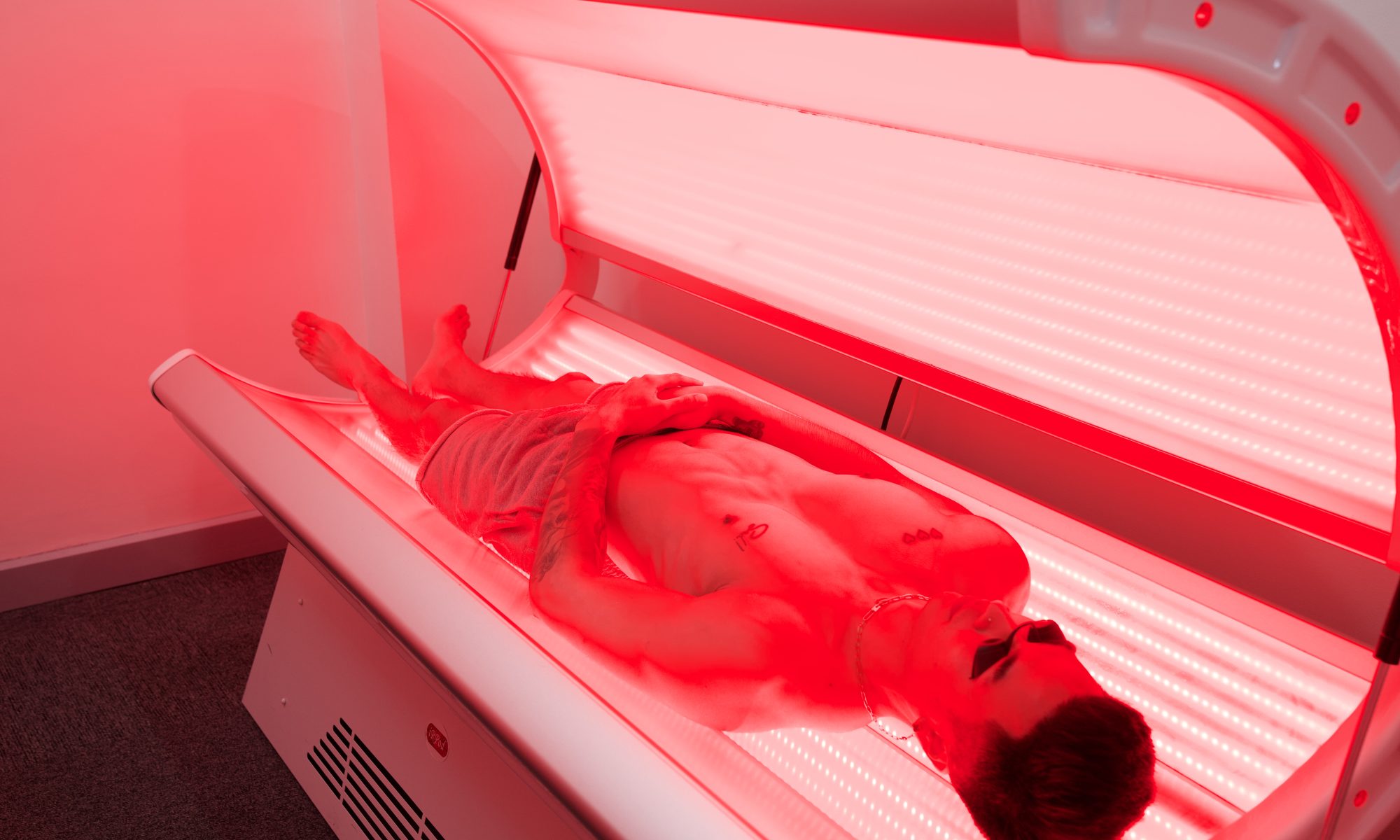
One of the reasons PBM has growing appeal is that it is simple, comfortable, and drug-free. A session typically involves lying in a full-body pod while the red and infrared light is delivered for a set treatment period. There is no downtime, no needles, and no aggressive sensation to push through.

That matters for people with fatigue because treatments that are too taxing can become another burden. PBM is designed to support recovery, not add to the system’s load. Many clients describe the experience as calming and restorative, which fits well for those who are already depleted.

Results are rarely judged by a single session alone. While some people report feeling refreshed quickly, fatigue is usually better addressed as a course of care. Repeated sessions may help build cumulative benefits, especially where fatigue has been present for months or years.

What to expect from a course of treatment

The strongest outcomes with fatigue often come from consistency. If your body has been under strain for a long time, one or two sessions may not be enough to shift the pattern in a lasting way. That is why treatment plans are often recommended across multiple sessions rather than as a one-off experience.

A reasonable expectation is gradual improvement rather than overnight change. You may notice better post-exercise recovery first, then improved sleep, then steadier daytime energy. Or the pattern may be different. The key is that PBM tends to support the systems behind energy rather than simply masking tiredness for a few hours.

For clients seeking a drug-free, clinically grounded option, this is a major advantage. Instead of chasing temporary stimulation, the aim is to help the body function better at the source.

Is photobiomodulation good for fatigue in chronic conditions?

For people living with persistent fatigue conditions, the question becomes even more important. Chronic fatigue syndrome, fibromyalgia, post-viral fatigue, and long-term pain states are complex, and no ethical clinic should pretend otherwise. These presentations are often multifactorial and can be difficult to manage.

That said, PBM is attractive in this space because it is non-invasive and aimed at supporting cellular energy, inflammation balance, circulation, recovery, and pain reduction all at once. For some clients, that makes it a valuable part of a broader management plan. Not because it replaces medical care, but because it may support a body that is struggling to regain balance.

This is also why established clinical delivery matters. The quality of the device, the treatment parameters, and the overall treatment approach can influence whether PBM feels like a wellness gimmick or a serious therapeutic modality. Whole-body treatment delivered in a dedicated clinical setting offers a different proposition to casual consumer light devices with limited power and coverage.

The commercial claim versus the practical reality

There is a lot of hype in the light therapy space. Some of it is deserved, and some of it gets ahead of the evidence. The practical reality is that photobiomodulation can be highly worthwhile for fatigue when used appropriately, especially as part of a consistent recovery strategy.

What makes it compelling is not flashy marketing. It is the combination of safety, comfort, and biological plausibility. People want options that help them look better, feel better, and perform better without adding more medications or invasive treatments to the mix. PBM fits that brief well.

If you are in Melbourne and looking for a whole-body, evidence-based approach, iRPod offers the kind of PBM treatment environment designed for people who want more than a token wellness add-on. When fatigue is dragging down your work, training, mood, or recovery, the right therapy should do more than sound impressive – it should support measurable change over time.

If your energy has not felt like your own for a while, the smartest next step is not to push harder. It is to ask what your body may be missing, and whether better recovery support could change the way you feel every day.

Natural Support for Chronic Fatigue

Natural Support for Chronic Fatigue

Some people call it tiredness, but anyone living with chronic fatigue knows that word barely covers it. When your body feels flat after a full night’s sleep, your concentration drops by midday, and even small tasks seem to demand too much, finding natural support for chronic fatigue stops being a wellness trend and becomes a serious priority.

What natural support for chronic fatigue really means

Natural support for chronic fatigue is not about chasing a quick fix or forcing your body to push harder. It is about reducing the load on systems that are already under strain, while supporting the biological processes linked to energy, recovery, sleep, inflammation and mood.

That distinction matters. Chronic fatigue can sit alongside poor sleep, high stress, persistent pain, post-viral symptoms, fibromyalgia, hormonal shifts, nutrient issues and chronic fatigue syndrome. Because the causes and triggers vary, the right support plan usually needs to be layered rather than simplistic. What helps one person dramatically may only help another a little.

For most adults, the most effective natural approach starts with a realistic question: what is draining energy faster than the body can restore it? From there, support strategies can be chosen more intelligently.

Start with the basics, but do them clinically

There is nothing glamorous about sleep hygiene, blood sugar balance or pacing. Yet these are often the first places where progress becomes possible.

Sleep needs to be treated as a biological repair window, not just time in bed. If sleep is light, broken or unrefreshing, fatigue often compounds regardless of what supplements or therapies are added. A dark room, regular sleep and wake times, a cooler bedroom, reduced evening screen exposure and less caffeine later in the day can all help. Simple does not mean insignificant.

Food also matters, although not in the usual motivational-post way. Many people with chronic fatigue do better when meals are regular, balanced and built around adequate protein, fibre and slow-release carbohydrates. Long gaps between meals and heavy reliance on sugary snacks can create energy swings that feel like worsening fatigue. Hydration is another easy one to dismiss, but even mild dehydration can affect focus, stamina and recovery.

Then there is pacing. This is often the hardest shift for active, capable adults, especially professionals used to getting on with it. Boom-and-bust cycles are common in chronic fatigue – pushing through on a better day, then crashing hard afterwards. Pacing is not giving up. It is energy management with more precision.

The role of stress, pain and nervous system load

Fatigue is rarely just about low energy. Often, it is the result of too much biological stress happening at once.

If pain is ongoing, the body is spending resources on managing that pain. If stress is chronic, cortisol patterns, sleep quality and muscle tension can all suffer. If the nervous system is constantly in a heightened state, recovery becomes less efficient. This is one reason chronic fatigue often overlaps with brain fog, irritability, poor sleep and lowered resilience.

Natural support needs to address that total load. Breathwork, gentle movement, mindfulness and time outdoors can help some people regulate stress more effectively. But there is a trade-off here. If a strategy feels like another chore, it may not be sustainable. The best routine is usually the one that is simple enough to repeat consistently.

Movement can help, but the dose matters

Exercise advice can be frustrating when fatigue is already limiting daily life. The truth is that movement can support circulation, mood, mobility and sleep, but only when the dose matches the person.

For some, that may be short walks, stretching or light mobility work. For others, especially those with post-exertional symptom flare-ups, even small amounts can be too much at the wrong time. More is not always better. Progress tends to come from consistency and restraint, not intensity.

This is where people often need permission to stop comparing themselves to standard fitness advice. The goal is not to train like a high performer when the body is struggling to recover. The goal is to build capacity without deepening the fatigue cycle.

Nutritional support and supplements – useful, but not universal

Supplements are often part of the conversation around natural support for chronic fatigue, and sometimes they are useful. But they work best when they are targeted, not random.

A clinician may look at iron status, B vitamins, vitamin D, magnesium and other contributors if symptoms and history suggest a need. Some people also explore adaptogenic herbs or mitochondrial support nutrients. That said, supplements are not automatically harmless or effective simply because they are natural. Quality varies, interactions can occur, and taking several products without a plan can become expensive fast.

A better approach is evidence-led and symptom-led. If something is going to be added, there should be a reason for it and a way to judge whether it is helping.

Why whole-body recovery support can make a difference

When fatigue is persistent, many people need support that goes beyond lifestyle basics. This is where non-invasive therapies can become valuable, particularly when they are designed to support cellular function rather than merely mask symptoms.

Photobiomodulation, also known as red and infrared light therapy, has gained attention because it works at a cellular level. Specific wavelengths of light are absorbed by the body and may help support mitochondrial activity, ATP production, circulation and recovery processes. In plain terms, that means supporting the systems involved in energy production and repair.

For people dealing with chronic fatigue, that matters. The body is not just tired – it may be struggling to produce and manage energy efficiently. A therapy that aims to support cellular energy pathways, while also helping with pain, sleep and inflammation-related load, can make practical sense as part of a broader plan.

Red and infrared light therapy as natural support for chronic fatigue

Red and infrared light therapy is not a magic wand, and it should never be framed that way. Results vary depending on the person, the severity of symptoms, whether there are other conditions involved, and how consistently treatment is used.

What makes it compelling is that it is drug-free, non-invasive and grounded in a growing body of photobiomodulation research. Many people seek it out because they want a natural option that supports the body’s own recovery mechanisms rather than adding another medication to the mix.

Whole-body delivery may be particularly appealing for people whose symptoms are not localised. Fatigue often does not exist in one body part. It is systemic. A broader treatment format can therefore feel more aligned with the lived experience of fatigue than a narrower, spot-treatment approach.

At an established clinic such as iRPod in South Yarra, whole-body photobiomodulation is delivered through a full-body pod using temperature-controlled LED technology. For clients looking for an evidence-based recovery therapy that supports energy, sleep, mood and pain management at the same time, that model is easy to understand – and easy to fit into a busy week.

What to expect from a sensible support plan

The strongest fatigue plans are usually multimodal. They combine good sleep foundations, pacing, nutrition, stress regulation and a therapy approach that supports recovery instead of fighting the body.

That also means setting expectations properly. Some people notice early improvements in sleep quality, mood or muscle recovery before they notice a major shift in energy. Others improve gradually over a series of sessions or lifestyle changes. If chronic fatigue has been present for months or years, a measured approach is often more realistic than expecting one dramatic turnaround.

Consistency matters. So does choosing strategies that feel sustainable in ordinary life. If a plan is too complicated, too restrictive or too hard to maintain, it tends to fall apart right when support is needed most.

When to seek more guidance

Persistent fatigue should not be brushed off as normal stress or ageing. If symptoms are ongoing, worsening, or interfering with work, exercise, sleep or day-to-day function, proper assessment matters. Natural support works best when serious underlying issues have not been missed.

That is especially true if fatigue comes with dizziness, shortness of breath, unexplained pain, major sleep disruption or a clear decline in function. Safe, evidence-based support should sit alongside appropriate clinical care, not replace it.

The encouraging part is that more people are now looking for therapies that respect the complexity of fatigue. They want options that are safe, science-backed and capable of supporting the whole body. That is a smart shift.

If you have been feeling worn down for longer than you should, start with the supports that reduce strain and improve recovery, then build from there. Better energy rarely comes from forcing more out of an exhausted body. More often, it comes from finally giving it the right conditions to repair.

Does Light Therapy Reduce Inflammation?

Does Light Therapy Reduce Inflammation?

A sore knee that stays cranky for weeks, post-gym muscle pain that lingers longer than it should, skin that looks inflamed and reactive, or a body that feels stuck in a cycle of stress and slow recovery – these are exactly the moments people start asking, does light therapy reduce inflammation? It is a fair question, and the short answer is yes, it may help. But the real value is in understanding how, where it works best, and what kind of results are realistic.

Does light therapy reduce inflammation in a meaningful way?

Photobiomodulation, often called red light therapy or infrared light therapy, uses specific wavelengths of light to interact with cells. This is not about heat lamps or tanning. It is a non-invasive therapy designed to support cellular function, especially in tissues under stress.

When inflammation is present, the body is dealing with a complex mix of chemical signals, oxidative stress, reduced circulation, tissue irritation and, in many cases, pain. Light therapy is thought to influence several of these pathways at once. Research suggests that targeted red and near-infrared light may help modulate inflammatory markers, improve blood flow, support mitochondrial activity and encourage tissue repair. That matters because inflammation is not always the enemy. Acute inflammation is part of healing. The problem is when it becomes excessive, prolonged or poorly regulated.

So, does light therapy reduce inflammation? In many cases, yes – not by shutting the body down, but by helping it regulate and recover more effectively.

How photobiomodulation works at the cellular level

The clinical appeal of photobiomodulation is that it works upstream. Instead of simply masking discomfort, it aims to support the environment in which healing happens.

Inside your cells are mitochondria, often described as the cell’s energy producers. Certain wavelengths of red and near-infrared light are absorbed by components within the mitochondria, which can help improve ATP production. ATP is the energy currency cells use to carry out repair, regeneration and normal function.

This matters in inflamed tissue because stressed or damaged cells often struggle to produce energy efficiently. By supporting mitochondrial function, light therapy may help cells do their job better. There is also evidence that photobiomodulation can help reduce oxidative stress and influence signalling molecules linked to inflammation. In practical terms, that can translate into less swelling, less tenderness, improved movement and faster recovery.

The important nuance is that outcomes depend on dose, wavelength, treatment depth and consistency. More light is not always better. The right treatment parameters matter.

Where light therapy may help with inflammation

Inflammation shows up differently depending on the tissue involved, so results vary by condition.

For joints and musculoskeletal pain, light therapy is often used to support people with arthritis, tendon irritation, soft tissue injuries and general aches related to training or overuse. When inflammation contributes to stiffness and pain, reducing that inflammatory load may help movement feel easier.

For exercise recovery, red and infrared light are commonly used to support muscle recovery after hard sessions. Athletes and active adults often report less delayed onset muscle soreness and a quicker return to training when therapy is used regularly.

For post-procedure or post-surgical healing, inflammation is expected – but excess inflammation can slow recovery. In these settings, light therapy may support tissue repair, calm irritation and encourage circulation without adding mechanical stress to the area.

For skin, low-grade inflammation sits behind many common concerns, from redness and sensitivity to breakouts and accelerated ageing. Red light therapy may help support collagen, calm visible irritation and improve overall skin tone and resilience.

For chronic, whole-body complaints such as fibromyalgia or chronic fatigue syndrome, the picture is more complex. These conditions are not simply inflammation problems, but inflammation and oxidative stress may be part of the broader story. In those cases, whole-body photobiomodulation may offer benefits that feel systemic rather than localised, especially when fatigue, pain and poor recovery overlap.

Does light therapy reduce inflammation for everyone?

No therapy works the same way for every person, and that includes light therapy.

If your inflammation is tied to a recent strain, overtraining, mild joint irritation or skin stress, you may notice changes relatively quickly. If you have a long-standing inflammatory condition, the response may be slower and more variable. Some people feel looser, less sore or less puffy after a few sessions. Others need a more consistent treatment block before they notice a shift.

There is also a difference between symptom relief and condition management. Light therapy may help reduce the inflammatory burden and support repair, but it is not a magic fix for every underlying cause. If inflammation is being driven by autoimmune disease, infection, significant biomechanical issues, poor sleep, unmanaged stress or diet-related factors, light therapy may be one useful part of the plan rather than the whole answer.

That is why evidence-based clinics usually recommend a series of sessions. Biological change often builds over time.

Why whole-body treatment can make a difference

A lot of people first encounter red light therapy through small handheld devices or face panels. These can be useful, but there is a practical limitation – they treat a small area at a time.

For local pain, that may be enough. For widespread soreness, persistent fatigue, multi-joint stiffness, systemic inflammation or people who simply want a more efficient session, whole-body delivery offers a different proposition. A full-body pod exposes a much larger treatment surface in one session, which can be particularly valuable when inflammation is not neatly confined to one spot.

This is where advanced photobiomodulation systems stand apart. A clinically designed whole-body pod using thousands of temperature-controlled LEDs can deliver red and infrared light in a way that supports both targeted outcomes and broader wellbeing goals. For many clients, that means treatment that feels less like patchwork and more like a complete recovery session.

What results are realistic?

The most useful expectation is progress, not perfection.

If light therapy is helping, people often notice one or more of the following: reduced soreness, less joint stiffness, easier movement in the morning, calmer skin, improved exercise recovery, better sleep, or a general sense that their body is not fighting so hard to bounce back. Those shifts matter because inflammation rarely exists in isolation. It affects comfort, performance, mood and day-to-day energy.

Results can be influenced by treatment frequency, the severity of the issue, how long it has been going on and what else is happening in your health picture. Someone with a fresh training load issue may respond faster than someone with years of chronic pain and disrupted sleep.

A quality clinic should be upfront about that. Good therapy is not about overpromising. It is about applying the right technology consistently and tracking whether your body is actually responding.

Safety and when to be cautious

One reason red and infrared light therapy has gained so much traction is that it is drug-free, non-invasive and generally well tolerated. For people looking to avoid medication-heavy pathways or more aggressive interventions, that is a major advantage.

That said, safe treatment still matters. Eye protection protocols, appropriate session timing, correct wavelengths and proper clinical screening all play a role. Some people may need extra caution depending on medications, light sensitivity or specific medical conditions.

This is another reason professionally delivered treatment matters. The technology is only part of the equation. Knowing how to use it properly is what turns a wellness trend into a credible therapeutic service.

So, does light therapy reduce inflammation enough to be worth trying?

If you are looking for a safe, evidence-informed way to support pain reduction, recovery, healing and skin health, the answer is often yes. Light therapy may reduce inflammation by helping the body regulate the processes behind it – cellular energy, oxidative stress, circulation and tissue repair. That does not mean instant results or one-size-fits-all outcomes. It means there is a genuine therapeutic rationale behind why people use photobiomodulation for everything from arthritis flare-ups to sports recovery and post-surgical healing.

For adults balancing work, training, chronic pain, fatigue or the simple wear and tear of modern life, that is a compelling option. And if your symptoms are broad rather than isolated, whole-body photobiomodulation can offer a more advanced and practical approach than spot treatment alone. At a clinic such as iRPod in South Yarra, that whole-body model is built around making clinically backed light therapy more efficient, more comfortable and more aligned with real-world recovery goals.

The better question may not be whether inflammation can be reduced at all, but whether your body is getting the kind of support that helps it recover properly. When it is, you usually feel the difference well before you can explain it.

Infrared Therapy Post Surgery: What to Know

Infrared Therapy Post Surgery: What to Know

The first week after surgery rarely feels like “recovery”. It usually feels like swelling, stiffness, patchy sleep and the slow frustration of waiting for your body to catch up. That is exactly why interest in infrared therapy post surgery has grown. People want a non-invasive option that may support healing, reduce discomfort and help them feel more like themselves again without adding more medication to the mix.

How infrared therapy post surgery may help

Infrared and red light therapy are often discussed under the broader term photobiomodulation, or PBM. The principle is straightforward – specific wavelengths of light are delivered to tissue to support cellular function. In practical terms, that means encouraging better energy production in the cells, helping to regulate inflammation and supporting the tissue repair process.

After surgery, those mechanisms matter. Surgical procedures create controlled trauma. Even when everything goes exactly to plan, the body still has to manage inflammation, repair tissue, restore circulation and deal with pain signals. PBM is used because it may help support that recovery environment rather than forcing the body in one direction.

The strongest appeal for many patients is that it is drug-free and non-invasive. There is no injection, no incision and no downtime from the treatment itself. For people already juggling follow-up appointments, medication schedules and restricted movement, that simplicity counts.

That said, the phrase “post surgery” covers a lot of ground. Recovery after orthopaedic surgery is not the same as recovery after cosmetic surgery, abdominal surgery or a dental procedure. The likely benefit, ideal timing and treatment area all depend on what was done, how healing is progressing and whether your treating team is happy for adjunctive therapies to begin.

What the science is actually pointing to

PBM has been studied for wound healing, pain reduction, inflammation management and tissue repair. The clinical rationale centres on how light energy interacts with mitochondria, which play a key role in ATP production. ATP is the fuel your cells use to do the work of repair. When that process is supported, tissue may recover more efficiently.

There is also evidence suggesting PBM may help modulate oxidative stress and influence inflammatory pathways. That matters after surgery because too much inflammation can prolong swelling, pain and stiffness, while too little inflammatory signalling can interfere with normal healing. The goal is not to switch inflammation off completely. It is to help the body regulate it more effectively.

Patients often ask whether this means faster healing. Sometimes it may support a smoother recovery, but that does not mean every person heals dramatically faster or that light therapy replaces proper surgical aftercare. It works best as part of a broader recovery plan that still includes wound care, movement advice, nutrition, sleep and follow-up with your surgeon or allied health provider.

When to start and when to wait

Timing matters more than many people realise. In some cases, PBM can be introduced relatively early once the treating practitioner confirms it is appropriate. In others, especially where there are concerns about wound closure, infection, bleeding or surgical complications, waiting is the smarter call.

Fresh surgical wounds need careful assessment. If a dressing is still in place, if there is active bleeding, if the area is highly reactive or if your surgeon has given strict restrictions, you should follow that advice first. Infrared therapy should support recovery, not complicate it.

This is where clinical judgement matters. A quality provider will ask what surgery you had, when you had it, whether there were any complications and whether your surgeon has cleared additional therapies. If nobody asks those questions, that is a red flag.

What infrared therapy can and cannot do after surgery

The best results usually come from realistic expectations. Infrared therapy may help with post-operative swelling, local discomfort, bruising, stiffness and the general sense that the body is under stress. Some people also report better sleep and a calmer nervous system, which can be a real advantage when recovery is dragging.

It cannot repair a failed procedure, replace antibiotics, override infection, fix poor surgical technique or substitute for rehabilitation. If you have severe redness, heat, fever, unusual discharge, escalating pain or anything else that suggests a complication, you need medical review, not a wellness workaround.

This is one of the key trade-offs in post-surgical care. People often want a natural solution, and there is genuine value in that. But the smartest natural therapies are used in the right lane. PBM is supportive care. It is not emergency care.

Why whole-body treatment can make sense

A lot of post-surgical discomfort is localised, but recovery is not only local. Surgery can disrupt sleep, elevate stress, reduce movement and leave the whole body feeling flat. That is why whole-body red and infrared light therapy has a different appeal from small, targeted devices.

A full-body PBM pod delivers light across a much larger treatment area, which may be useful when recovery is affecting more than one region or when the aim is broader support for inflammation, circulation and general wellbeing. For patients feeling depleted after surgery, that wider treatment approach can be part of the draw.

At iRPod, whole-body sessions are designed to deliver clinically aligned photobiomodulation in a controlled, comfortable setting. For the right patient, that means post-surgical support that goes beyond one sore spot and addresses recovery more globally.

Who may benefit most from infrared therapy post surgery

People recovering from orthopaedic procedures often look for help with stiffness, swelling and mobility. Cosmetic surgery patients may be more focused on bruising, tissue repair and getting back to normal presentation sooner. Others are recovering from general surgery and simply want support for discomfort, fatigue and disrupted sleep.

The people most likely to value PBM are usually those who want a low-risk, non-invasive addition to their existing care plan. They are not looking for hype. They are looking for a therapy that is evidence-based, practical and easier on the system than adding another medication.

There is also a difference between an uncomplicated recovery and a complex one. If you have a history of poor wound healing, inflammatory conditions, persistent pain or fatigue, your recovery may need a more individual approach. PBM may still be appropriate, but treatment planning should be more careful, not less.

Questions worth asking before you book

Before starting, ask whether your surgeon or treating practitioner is comfortable with infrared therapy at your current stage of healing. Ask how the treatment will be adjusted for your procedure and whether the provider has experience with post-surgical clients.

You should also ask what outcomes are realistic. A trustworthy clinic will not promise miracle healing. They should explain that results vary, that multiple sessions are often recommended and that your response depends on the type of surgery, your baseline health and how consistently the rest of your recovery plan is managed.

Comfort matters too. If moving is difficult, getting onto and out of a treatment bed or pod should feel manageable. Post-surgical care should reduce stress, not add to it.

Safety comes first

Infrared and red light therapy are generally well tolerated when delivered appropriately, but “generally safe” is not the same as “always suitable”. Treatment settings, timing and individual medical factors all matter.

A proper screening process should cover your surgery date, current medications, wound status and any complications. This is especially important if you have implants, active infection, unexplained swelling or a surgeon who has told you to avoid adjunctive treatments for now.

If your provider talks only about benefits and not about suitability, that is marketing, not care. The better standard is simple – safety first, then strategy, then results.

The practical reality of recovery support

Most people do not need another overcomplicated protocol after surgery. They need sensible support that fits real life. That may include follow-up appointments, gentle rehab, better sleep habits, enough protein, hydration and carefully timed PBM sessions.

Infrared therapy post surgery tends to make the most sense when it is part of that bigger picture. Not as a magic fix. As a smart, modern tool that may help the body do what it is already trying to do – repair, regulate and recover.

If you are considering it, start with clearance, choose a provider that understands post-operative care and expect a tailored approach rather than a one-size-fits-all promise. Recovery is rarely linear, but the right support can make it feel more manageable, more comfortable and a lot less frustrating.

Your body has already done the hard part. Now it deserves recovery support that is safe, evidence-led and genuinely built around healing well.

Can Infrared Therapy Improve Sleep?

Can Infrared Therapy Improve Sleep?

You know the feeling – your body is exhausted, but your brain refuses to switch off. Or the reverse: mentally flat, physically sore, and still waking through the night. When sleep starts slipping, most people look at stress, screens or supplements first. Fair enough. But another question is gaining real attention: can infrared therapy improve sleep?

For many people, the answer may be yes, but not in the simplistic way wellness marketing sometimes suggests. Infrared therapy is not a sedative. It does not force sleep. What it can do is support some of the systems that make good sleep more likely – recovery, pain reduction, relaxation, circulation and nervous system balance. That distinction matters, because better sleep is often the result of helping the body function better overall.

Can infrared therapy improve sleep by supporting recovery?

Sleep and recovery are tightly linked. If your body is carrying too much tension, inflammation or post-exercise soreness, quality sleep often suffers. The same is true if you are dealing with chronic pain, persistent fatigue or the physical stress of a demanding work schedule. Infrared therapy, particularly when delivered through whole-body photobiomodulation, is designed to support cellular energy production and tissue repair. That can create the conditions for deeper, less interrupted sleep.

At a cellular level, red and infrared light are understood to interact with mitochondria, the parts of the cell involved in energy production. This process is commonly discussed in relation to ATP production. When cells produce energy more efficiently, the body may recover more effectively from physical strain. For someone who feels wired, heavy or achy at the end of the day, that shift can be meaningful.

This is why people seeking sleep support often are not just chasing sleep itself. They are trying to reduce the barriers standing in its way. Sore muscles, systemic fatigue, injury recovery, fibromyalgia symptoms and general physical discomfort all have a way of showing up at 2 am. If a therapy helps settle the body, sleep may improve as a downstream benefit.

The sleep connection is often indirect, but still powerful

One of the biggest misconceptions around infrared therapy is that it works like a sleeping pill. It does not. Its value is often broader and more physiological.

If pain levels drop, you may toss and turn less. If muscle tightness eases, you may find it easier to settle. If your body shifts out of constant stress mode, you may move into sleep more naturally. If your energy regulation improves during the day, your sleep-wake rhythm may start looking healthier as well.

That is especially relevant for adults juggling long hours, intense training, recovery from surgery, chronic conditions or sustained mental load. In those cases, poor sleep is rarely caused by one thing. It is usually a stack of contributing factors. Infrared therapy may help by addressing several of them at once, particularly in a full-body format.

Why whole-body treatment may matter

Localised treatment has its place, especially when one joint or injury is the clear problem. But sleep is a whole-body issue. It is influenced by pain, stress, circulation, muscle tone, systemic inflammation and nervous system regulation. That is one reason whole-body photobiomodulation can make sense for people who are not just trying to calm one sore spot, but improve how they feel overall.

A full-body pod exposes a much larger treatment area in one session. That matters when your sleep is being disrupted by widespread discomfort, general fatigue or the cumulative effect of daily stress. The goal is not simply to target symptoms in isolation, but to support the body more broadly.

What the science suggests about infrared therapy and sleep

The evidence around light therapy and sleep is promising, but it is still developing. That is the honest answer. Some research and clinical observations suggest red and near-infrared light therapy may support better sleep quality, particularly where pain, inflammation, stress or recovery issues are involved. There is also interest in how photobiomodulation may influence circadian biology, mood and autonomic nervous system function.

At the same time, outcomes vary. The effect is not identical for everyone, and the quality of treatment matters. Wavelength, dose, session frequency and whether therapy is delivered to a small area or the whole body can all influence results.

This is where clinical positioning becomes important. A professionally delivered session with calibrated, temperature-controlled full-body LED output is not the same as a generic home device used inconsistently. For clients who want a safe, drug-free option with a stronger evidence base behind its setup, treatment quality is not a minor detail.

Who may notice the biggest difference?

Infrared therapy may be worth considering if your sleep issues sit alongside physical discomfort or poor recovery. That includes people living with chronic pain, arthritis, fibromyalgia, chronic fatigue symptoms, post-surgical stiffness or the training load that comes with an active lifestyle. It can also appeal to professionals who feel physically tired yet struggle to downshift at night.

For these groups, the appeal is practical. Better sleep is not being treated as a standalone goal in a vacuum. It is tied to pain relief, improved recovery, better energy and improved wellbeing.

Someone dealing with stress-related insomnia but no physical symptoms may still benefit, particularly if sessions help induce relaxation. But if sleep problems are driven by significant anxiety, hormonal changes, sleep apnoea, medication effects or a medical condition requiring diagnosis, infrared therapy should be seen as supportive rather than primary care. That balance is important. Good clinics do not overpromise.

What does a session feel like?

Most people expect heat. Some warmth is part of the experience, but therapeutic infrared and red light sessions are not simply about getting hot. In a clinical PBM setting, the aim is controlled light delivery designed to support cellular function without invasive treatment or recovery downtime.

A 30-minute whole-body session is often described as calming, restorative and physically easy to tolerate. For some clients, that alone becomes part of the sleep benefit. Creating space to lie still, switch off and allow the body to settle can be valuable in its own right. Add the potential recovery and pain-modulating effects of photobiomodulation, and you can see why sleep may improve over a series of sessions.

Timing and consistency matter

If your question is can infrared therapy improve sleep after one appointment, the answer is maybe, but usually the bigger gains come with consistency. Some people feel more relaxed after the first session. Others notice the most meaningful change after several treatments, especially when sleep disruption is linked to longer-term issues.

Frequency depends on your goals and baseline symptoms. A person recovering from training fatigue may respond differently from someone managing chronic pain for years. In general, a course of sessions gives the body a better chance to build momentum than a one-off visit.

What infrared therapy can and cannot do for sleep

Infrared therapy can support better sleep when poor sleep is being aggravated by pain, tension, physical stress or slow recovery. It may help the body feel calmer, less inflamed and more prepared for restorative rest. It can fit well for people who want a non-invasive option rather than immediately relying on medication.

What it cannot do is override every cause of insomnia. It is not a cure-all, and it should not replace medical assessment where sleep issues are severe, persistent or linked to other warning signs. If you snore heavily, stop breathing during sleep, wake panicked, or feel exhausted despite adequate hours in bed, that needs proper evaluation.

The strongest approach is often integrated. Sleep hygiene still matters. So do stress management, movement, light exposure during the day and addressing underlying health issues. Infrared therapy works best as part of a bigger recovery strategy, not as a magic trick.

So, can infrared therapy improve sleep?

Yes, it can – particularly when sleep is being disrupted by pain, inflammation, poor recovery or a body that never quite gets the chance to settle. That is why more people are looking beyond symptom-masking fixes and towards therapies that support function at a deeper level.

In a clinical setting such as iRPod, full-body photobiomodulation offers a modern, drug-free way to support how the body heals, restores and recalibrates. And when the body starts doing those things better, sleep often follows.

If your nights feel lighter than they should and your days feel heavier than they need to, it may be worth looking at recovery, not just sleep, as the real starting point.

How to Improve Sleep Naturally

How to Improve Sleep Naturally

You can usually tell when sleep is starting to slide before you admit it. You are tired but wired at night, slow to get going in the morning, more sore after training, less patient at work, and somehow still not properly rested after a full night in bed. If you are searching for how to improve sleep naturally, the answer is rarely one magic fix. It is usually a combination of timing, light exposure, nervous system regulation, and recovery habits that work together.

Good sleep is not a luxury. It is one of the main systems your body uses to repair tissue, regulate hormones, support mood, sharpen focus, and manage inflammation. When sleep is off, everything else tends to feel harder. The upside is that natural improvements can be powerful when they are applied consistently.

Why natural sleep support works

Sleep is driven by biology, not just willpower. Two systems matter most. The first is your circadian rhythm, which helps time when you feel alert and when you feel sleepy. The second is sleep pressure, which builds across the day and helps you fall asleep at night.

When people struggle with sleep, one or both of these systems are usually being pushed out of rhythm. Late caffeine, irregular wake times, indoor days with too little morning light, high evening stress, alcohol, pain, and screen-heavy nights can all interfere. Natural sleep strategies work because they bring those systems back into alignment instead of forcing sedation.

That distinction matters. Knocking yourself out is not the same as getting restorative sleep. Deep, quality sleep is where recovery happens.

How to improve sleep naturally with your daytime routine

Most sleep problems start long before bedtime. If your day is chaotic, your night often follows.

Keep your wake time steady

If you only change one habit, make it this one. Waking at roughly the same time every day helps anchor your circadian rhythm. That means weekdays and weekends should be closer than most people think. Sleeping in for two extra hours on Sunday can leave Monday night feeling like jet lag.

A consistent wake time is often more effective than obsessing over the perfect bedtime. Your body learns rhythm through repetition.

Get bright light early

Morning light is one of the strongest natural signals for better sleep later that night. Getting outside within the first hour of waking helps tell your brain that the day has started. This supports melatonin release at the right time that evening.

Even 10 to 20 minutes outdoors can help, especially if you have been feeling flat, foggy or restless at night. If you work indoors, this becomes even more important. Natural light is not a wellness extra. It is part of your sleep chemistry.

Move your body, but watch the timing

Regular movement improves sleep quality, helps regulate stress, and can reduce the restlessness that builds from sitting all day. Walking, resistance training, swimming, Pilates, and moderate cardio can all help.

The main trade-off is timing. Some people sleep brilliantly after an evening gym session. Others finish training too stimulated to switch off. If that sounds familiar, move hard sessions earlier and keep evenings for gentler recovery work.

Evening habits that make sleep easier

By evening, the goal is simple. You want your brain and body to get the message that it is safe to downshift.

Dim the light and lower the noise

Bright overhead lighting at 9 pm tells your body to stay alert. Softer lighting helps signal the opposite. You do not need to live by candlelight, but reducing harsh light in the last one to two hours before bed can make a real difference.

This is also where screens become a problem for some people. It is not just the light. It is the stimulation. Emails, scrolling, late-night news, and endless short-form content keep the nervous system switched on. If you are tired but mentally buzzing, your evening inputs may be the issue.

Eat for sleep, not just convenience

Going to bed overly full can disrupt sleep. So can going to bed hungry. A heavy late meal may worsen reflux, raise body temperature, and leave you feeling uncomfortable. On the other hand, if you finish dinner too early and wake at 2 am hungry, that is not ideal either.

For many adults, a balanced dinner a few hours before bed works well. If needed, a light snack later can help. It depends on your metabolism, training load, and overall health. Sleep is personal, and rigid rules do not suit everyone.

Be careful with alcohol

Alcohol can make you feel sleepy at first, which is why so many people assume it helps. The problem is what happens later. Sleep often becomes lighter, more fragmented, and less restorative as the night goes on.

If you regularly rely on a drink to unwind, it is worth testing what happens when you swap it for another calming ritual a few nights a week. Better sleep quality is often the payoff.

Build a bedroom that supports recovery

A sleep-friendly bedroom does not need to be expensive, but it does need to support comfort and consistency.

Keep it cool, dark and quiet

Temperature matters more than many people realise. A cooler room generally supports better sleep because your body needs to lower core temperature to fall asleep well. Darkness helps melatonin production, while excess noise can trigger micro-awakenings even if you do not fully remember them.

If your sleep is light, small upgrades can help. Blockout curtains, limiting standby lights, and reducing noise where possible can improve sleep quality without changing anything else.

Use the bed for sleep, not stress

When your bed becomes the place where you work, scroll, snack, and overthink, your brain stops associating it with sleep. That is not ideal. Keeping the bed mainly for sleep and intimacy helps rebuild a stronger mental connection with rest.

If you have been lying awake for long stretches, get up briefly, sit somewhere dim, and return when you feel sleepier. It sounds simple, but it can stop the bed from becoming a battleground.

When pain, stress or fatigue are part of the picture

For many adults, poor sleep is not just about habits. It is linked to something deeper such as chronic pain, physical tension, inflammation, hormone shifts, burnout, post-exercise soreness, or nervous system overload. In those cases, sleep hygiene alone may not be enough.

If your body is uncomfortable, sleep becomes harder. If your stress response is stuck in overdrive, sleep becomes lighter. If recovery is lagging, your nights and days can both suffer.

This is where a broader, evidence-based approach matters. Natural support may include breathwork, stretching, magnesium-rich foods, regular recovery sessions, and reducing overstimulation. For some people, advanced non-invasive therapies also play a useful role.

Photobiomodulation, also known as red and infrared light therapy, is gaining attention for good reason. By supporting cellular energy production, circulation, tissue repair, and a healthier inflammatory response, it may help address some of the factors that interfere with sleep, particularly pain, fatigue, and poor recovery. At iRPod, whole-body sessions are designed for exactly this kind of integrated wellness outcome – helping clients look better, feel better and perform better, with sleep often part of that result.

How to improve sleep naturally when stress is the main problem

If your body is exhausted but your mind will not stop, the issue is usually not lack of tiredness. It is lack of down-regulation.

A short wind-down routine can help more than a long wishlist of perfect habits you never stick to. That routine might be a warm shower, five minutes of slow breathing, light stretching, reading something calm, or simply turning your mobile face down and stepping away from it. The best routine is the one you will actually repeat.

Try not to judge yourself if sleep has been poor for a while. Sleep anxiety can become its own problem. The more pressure you place on falling asleep, the more alert your system becomes. Better sleep often starts when you focus less on forcing it and more on creating the conditions for it.

When to get help

If sleep problems have lasted for weeks, or they come with loud snoring, choking, severe fatigue, low mood, persistent pain, or frequent overnight waking, it is worth getting proper support. Natural strategies are valuable, but they should not replace assessment when symptoms are ongoing.

Sometimes the smartest natural approach is a layered one – better routines, better light exposure, better recovery, and the right professional guidance. That is how lasting results are usually built.

Sleep improves when your body feels safe, regulated and ready to repair. Start with one or two changes you can hold steady, give them time, and let consistency do the heavy lifting.