

You finish a hard session feeling strong, then the next day your legs are heavy, your back is tight, and your energy drops off a cliff. That is where smart post workout recovery treatment options matter. Recovery is not a soft extra tacked on after training. It is part of performance itself, because the body adapts between sessions, not during them.
For most active adults, the goal is not simply to feel less sore. It is to bounce back faster, protect consistency, and avoid the slow build-up of fatigue that can turn good training into poor sleep, irritability, stalled progress, or injury. The right recovery approach depends on training load, age, sleep quality, stress levels, and whether you are managing pain, inflammation, or a previous injury.
What good recovery is actually trying to do
After exercise, your body is dealing with several jobs at once. Muscle fibres need repair, energy stores need replenishing, and the nervous system needs to settle. Blood flow, inflammation, hydration, sleep, and cellular energy production all influence how quickly you return to baseline.
That is why recovery is rarely one magic fix. A treatment that helps one person after a heavy strength block may not be the best choice for someone doing endurance work, returning from surgery, or training through an old knee issue. Effective recovery is usually layered. You pair the basics with targeted support when your body needs more than food, water, and a good night in bed.
The most useful post workout recovery treatment options
Some post workout recovery treatment options are simple and free. Others are more advanced and make sense when training demands are high or recovery has become the limiting factor.
Sleep and nervous system recovery
If sleep is poor, everything else works less effectively. Growth and repair are heavily tied to deep sleep, and this is often the first thing to suffer when people push hard in the gym while juggling work, stress, and a full calendar. Improving sleep hygiene, reducing late caffeine, and allowing genuine downtime after evening training can lift recovery more than any gadget.
There is also a nervous system component that people overlook. If you finish every session in a highly stimulated state, the body can stay switched on for too long. Breathing work, light walking, stretching, and recovery treatments that promote relaxation can help bring the system back toward balance.
Hydration and nutrition support
This is basic, but basic does not mean optional. Rehydration supports circulation, temperature regulation, and muscle function. Protein gives the body the building blocks for repair, while carbohydrates help restore glycogen after intense or long-duration sessions.
Timing matters, but not in an obsessive way. Most people do well when they eat a balanced meal or recovery snack within a sensible window after training, then continue fuelling properly across the day. If soreness is persistent and energy remains low, under-fuelling is often part of the picture.
Active recovery and mobility work
Not every sore body needs complete rest. Low-intensity movement can increase circulation, reduce stiffness, and help people feel better faster. That might mean a gentle walk, easy spin, light swim, or mobility session rather than collapsing on the couch for the rest of the day.
The trade-off is that active recovery should stay truly light. If it becomes another workout, it stops being recovery. This is where many motivated people get it wrong.
Massage and hands-on therapy
Massage can reduce muscle tension, improve how the body feels, and give short-term relief from tightness after heavy training. Many people find it especially useful after race efforts, strength blocks, or periods of accumulated fatigue.
But it is not always the best immediate choice. Deep tissue work too close to a major event or when the body is already highly inflamed can leave you feeling more tender rather than fresher. The right pressure, timing, and therapist make a difference.
Compression, cold therapy, and heat
Compression garments and compression boots are popular because they can help some people feel less heavy and more recovered, particularly after long runs, field sport, or travel. Evidence is mixed on performance outcomes, but perceived recovery matters too when it helps you train consistently.
Cold therapy can reduce soreness for some people, though it may not always be ideal immediately after strength training if your main goal is muscular adaptation. Heat can be helpful for stiffness and comfort, especially when acute swelling is no longer the main issue. This is a classic it depends category. What works best is often tied to the type of training you have just done and the outcome you want next.
Where photobiomodulation fits in
Among advanced post workout recovery treatment options, photobiomodulation stands out because it is non-invasive, drug-free, and built around supporting the body at a cellular level. Rather than forcing the body into recovery, it aims to support the processes already meant to happen.
Photobiomodulation uses specific red and infrared wavelengths to interact with cells and support mitochondrial function. In practical terms, that means helping the body produce ATP, the energy currency cells rely on for repair and normal function. This is one reason the therapy has become increasingly relevant in sports recovery, pain management, tissue healing, and broader wellbeing.
For active people, the appeal is straightforward. When recovery slows, performance usually follows. If a treatment can help reduce soreness, support circulation, ease inflammation, and promote a better recovery environment without adding medication or downtime, it earns attention.
Why whole-body treatment can matter
Local treatment has its place, especially for a specific joint or injury site. But post-training fatigue is often not local. A hard workout can leave the whole body feeling flat, not just one calf or one shoulder.
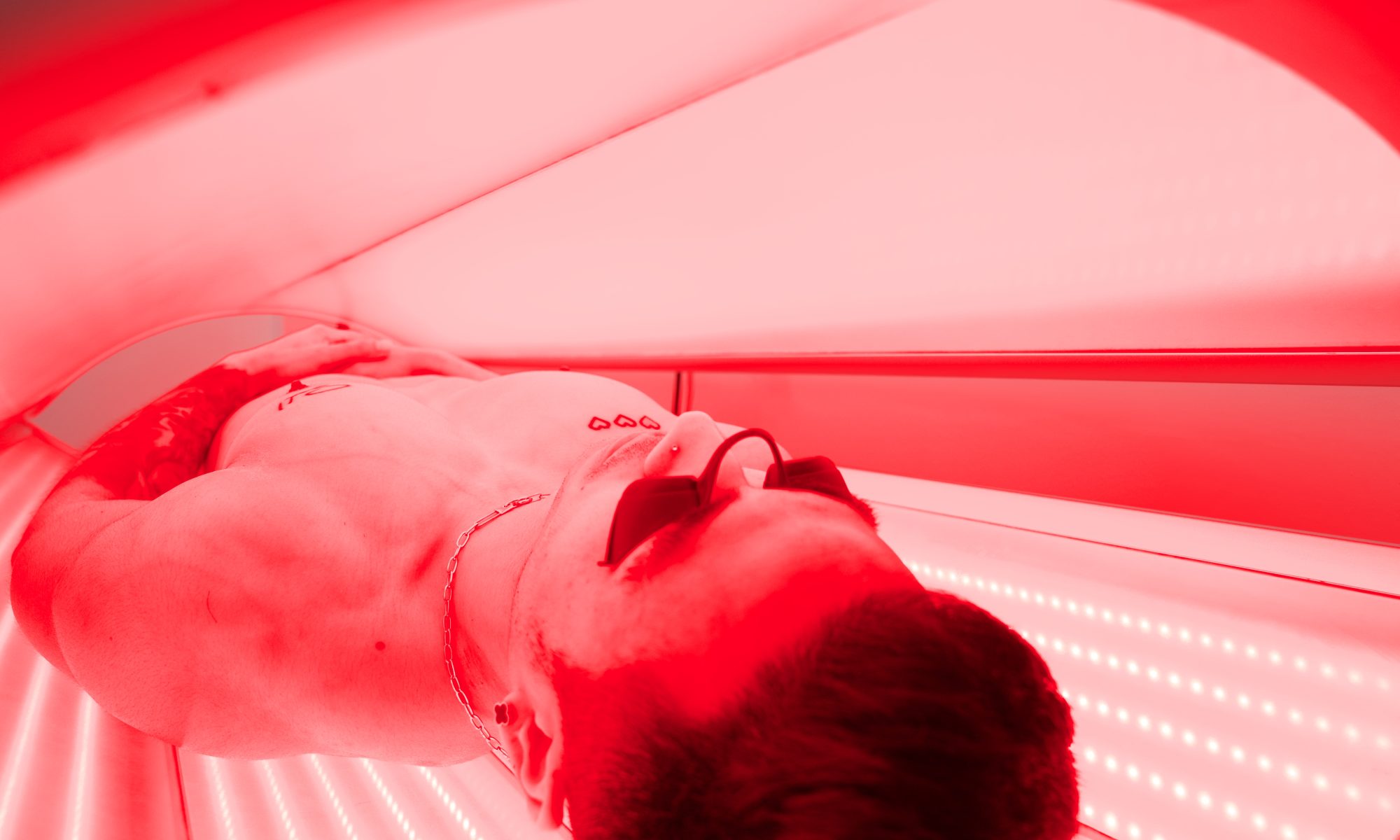
That is where whole-body photobiomodulation offers a different proposition. A full-body pod can expose large treatment areas evenly, which is useful when the goal is broad recovery support rather than spot treatment alone. For people managing high training loads, generalised soreness, poor sleep, or the overlap between exercise fatigue and chronic pain, wider coverage can be a meaningful advantage.
At iRPod, this whole-body approach is central to the experience. The treatment is designed to support recovery, tissue healing, pain reduction, and overall wellbeing in a 30-minute session, using advanced red and infrared light delivery across the entire body.
Who benefits most from advanced recovery support
Elite athletes are not the only people who need help recovering. In fact, many high-functioning adults need it more because they are training around work deadlines, family responsibilities, interrupted sleep, and old injuries they never fully addressed.
If you are doing regular strength training, running, cycling, HIIT, Pilates, or social sport and noticing that soreness lingers too long, your baseline recovery may not be keeping up. The same goes for people returning to exercise after illness, surgery, or extended time off. Recovery support can also be valuable for those living with conditions such as fibromyalgia or chronic fatigue, where exertion may trigger a disproportionate response.
The key question is not whether recovery tools are trendy. It is whether your current approach is getting the job done.
How to choose between post workout recovery treatment options
Start with the bottleneck. If you are sleeping badly, fix that first. If nutrition is inconsistent, no premium treatment will fully cover the gap. If the main issue is localised pain, targeted therapy may be more useful than a general recovery session.
If, however, the problem is broader – heavy legs, delayed recovery, repeated soreness, systemic fatigue, poor sleep after training, or an accumulation of tension and inflammation – then whole-body recovery therapies deserve a closer look. That is especially true when you want a safe, non-invasive option that fits into a busy routine.
It is also worth thinking in terms of dosage. One session can feel good, but recurring training stress often calls for a recovery plan rather than a one-off fix. This is why multi-session treatment pathways tend to suit people who are serious about performance, healing, or getting on top of a longer-standing issue.
Recovery is where better performance is built
The best training plan in the world will underdeliver if your body never gets the chance to absorb it. Strong recovery is not about doing less. It is about giving your body the right conditions to repair, adapt, and come back ready for more.
That may be as simple as improving sleep and hydration, or it may mean adding clinically grounded support such as whole-body photobiomodulation when basic strategies are no longer enough. If your body is sending clear signs that it is struggling to keep pace with your effort, listening early usually leads to better results than pushing through and hoping for the best.
Train hard if you want to. Just make sure your recovery is working just as hard for you.