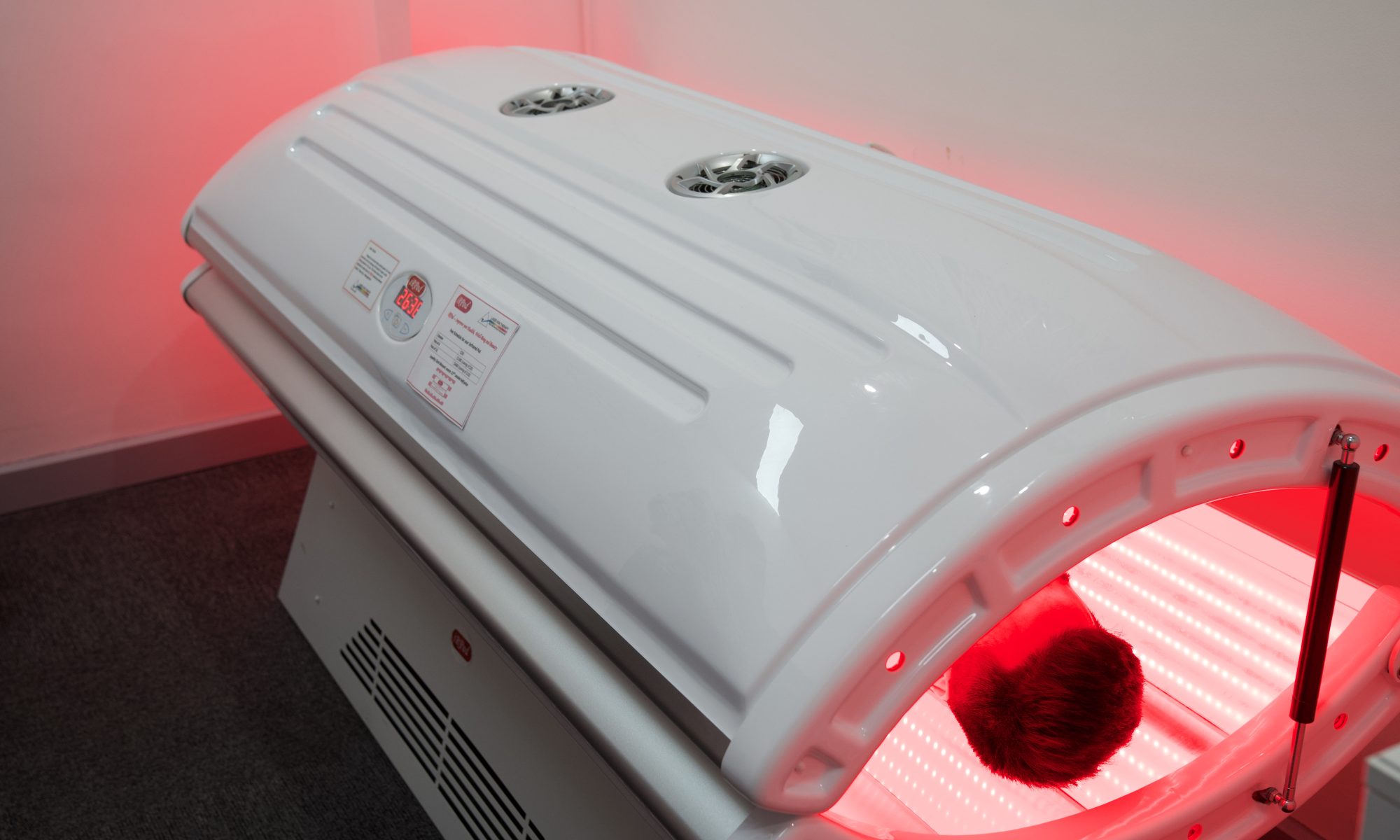

Photobiomodulation Versus Infrared Sauna

Photobiomodulation Versus Infrared Sauna

If you are weighing up photobiomodulation versus infrared sauna, the real question is not which one sounds more advanced. It is which therapy matches the result you actually want. Both use light in some form, both are positioned as non-invasive wellness options, and both can leave you feeling better. But they work very differently inside the body, and that difference matters.

For many people, the confusion starts with the word infrared. An infrared sauna uses heat to warm the body and create a whole-body thermal response. Photobiomodulation, or PBM, uses specific therapeutic wavelengths of red and near-infrared light to stimulate cellular activity without relying on high heat. That is why the two experiences can feel similar at a glance but deliver very different outcomes in practice.

Photobiomodulation versus infrared sauna: the core difference

The simplest way to understand photobiomodulation versus infrared sauna is this: one is primarily a heat therapy, the other is a light-based cellular therapy.

Infrared saunas are designed to raise body temperature. That heat can encourage sweating, increase circulation and create a relaxation response. Many people enjoy the sensation. It can feel restorative, especially after stress, long workdays or training blocks. If your goal is to unwind, sweat and enjoy the ritual of heat exposure, that may suit you well.

Photobiomodulation takes a different path. Instead of pushing the body through heat stress, it delivers carefully selected red and near-infrared wavelengths to the body’s cells. These wavelengths are associated with supporting mitochondrial function and ATP production. In plain terms, PBM aims to help cells perform more efficiently. That is why it is often chosen for pain management, tissue repair, recovery, skin rejuvenation, fatigue support and broader wellbeing outcomes.

This distinction is where a lot of marketing blurs the picture. Heat can be helpful. So can therapeutic light. But they are not interchangeable.

How each therapy works inside the body

An infrared sauna creates a systemic heat load. As your body warms up, blood vessels expand, heart rate can rise and sweating increases. Some people report feeling lighter, calmer and more mobile afterwards. Heat may also help loosen stiff muscles and support a temporary sense of relief.

PBM works at a cellular level. Red and near-infrared light penetrate tissue and are absorbed by structures within the cells, particularly the mitochondria. This process is linked to improved energy production, reduced oxidative stress and support for repair processes. That is why PBM is so often discussed in relation to healing, inflammation, soreness, recovery and skin health.

The practical takeaway is straightforward. Infrared sauna asks the body to respond to heat. Photobiomodulation aims to directly influence cellular function using light.

When heat helps and when it gets in the way

This is where the decision becomes personal.

Some people love heat and tolerate it well. Others do not. If you live with chronic fatigue, fibromyalgia, inflammatory pain, poor heat tolerance or post-surgical sensitivity, a hot environment may feel draining rather than therapeutic. Sweating your way through a session is not always a win if you leave feeling depleted.

That is one reason PBM stands out. Because it is non-thermal or very low heat, many clients find it easier to tolerate than an infrared sauna. You still receive a whole-body wellness treatment, but without the heavy thermal load that can be uncomfortable for people already managing pain, fatigue or nervous system overload.

This does not mean infrared sauna is ineffective. It means the right therapy depends on your condition, your physiology and your goal for treatment.

For pain, recovery and healing

If your focus is joint pain, soft tissue recovery, injury support or post-exercise soreness, PBM generally offers the more targeted therapeutic mechanism. That is because the value is not simply increased circulation. It is the light-driven support of cellular repair and recovery pathways.

For athletes and active adults, that can translate to better recovery between sessions. For people dealing with persistent pain, it can mean a therapy that feels gentler while still being clinically purposeful. For those recovering from surgery or injury, avoiding excessive heat may also be preferable in certain stages.

For relaxation and sweating

Infrared sauna has a clear advantage if your main goal is the experience of heat itself. Some people feel mentally reset after a sauna. The sweating, warmth and enforced stillness can be part of the benefit. If that ritual helps you de-stress and you respond well to heat, it can absolutely have a place in a wellness routine.

But relaxation is not the same as tissue healing. A pleasant session is valuable, just not identical to a light-based therapeutic intervention.

Photobiomodulation versus infrared sauna for skin and ageing support

This is another area where the difference matters.

Infrared sauna may support circulation and temporary skin glow through increased blood flow. That can leave skin looking fresher in the short term. But PBM is more directly associated with skin-focused outcomes because red light is widely used to support collagen production, calm inflammation and improve overall skin appearance.

For adults wanting a treatment that sits at the intersection of wellness and aesthetics, PBM tends to be the more strategic option. It is not just about looking flushed after a hot session. It is about supporting skin health at a deeper level over time.

That is particularly relevant for clients who want more than one outcome from the same treatment. Better-looking skin, improved recovery, enhanced sleep, reduced soreness and improved mood can all sit within the PBM conversation. That whole-body efficiency is a major reason interest in full-body photobiomodulation has grown so quickly.

Why whole-body delivery changes the equation

Not all PBM is equal. A small handheld device used on one sore spot is very different from a full-body pod designed to deliver red and near-infrared light across the entire body in a controlled way.

This matters because many people are not dealing with one isolated issue. They may have poor sleep, muscular tension, low energy, ageing skin and recovery challenges all at once. A whole-body PBM treatment is built for that broader picture. It treats the body as a system rather than a single complaint.

That is one of the biggest practical differences between advanced photobiomodulation and an infrared sauna. Both can be whole-body experiences, but only one is specifically designed to deliver therapeutic wavelengths across the body for cellular support without depending on heat as the main mechanism.

Which one is better?

Better is the wrong word unless you define the job.

If you want intense warmth, sweating and a heat-based wellness ritual, infrared sauna may be the better fit. If you want a therapy grounded in cellular energy support, recovery, pain reduction, tissue repair and skin rejuvenation, photobiomodulation is usually the stronger choice.

For some people, both may have a role at different times. A healthy person who enjoys sauna for relaxation may still choose PBM when recovering from training, managing inflammation or supporting skin health. Someone with chronic pain or fatigue may skip the sauna entirely and go straight to PBM because heat makes them feel worse.

That is the point. The best therapy is not the one with the loudest wellness claims. It is the one that aligns with your body and your outcome.

Who should look more closely at PBM?

Photobiomodulation is especially compelling for people who want a non-invasive, drug-free treatment that feels comfortable while still delivering serious therapeutic intent. That includes people managing chronic pain, arthritis, fibromyalgia, sports soreness, post-surgical recovery, skin concerns, fatigue and poor sleep.

It also appeals to busy professionals who do not want to spend a session overheating just to feel like they have done something healthy. PBM is outcome-driven. You lie back, let the light do the work and focus on measurable benefits over time.

For clients in Melbourne who want that combination of clinical credibility and whole-body wellness, a full-body PBM pod offers a more advanced alternative to generic heat-based recovery options. That is exactly why clinics such as iRPod have built their treatment model around whole-body photobiomodulation rather than sauna-style heat exposure.

The smarter question to ask before booking

Instead of asking, photobiomodulation versus infrared sauna, which is more popular, ask which mechanism actually suits your body. If you are chasing sweat and warmth, sauna is the obvious answer. If you are chasing recovery, repair, skin support and cellular performance without the burden of high heat, PBM makes more sense.

Wellness technology keeps improving, but the basics still matter. Choose the treatment that matches the biology of the result you want, not just the trend you keep seeing online.
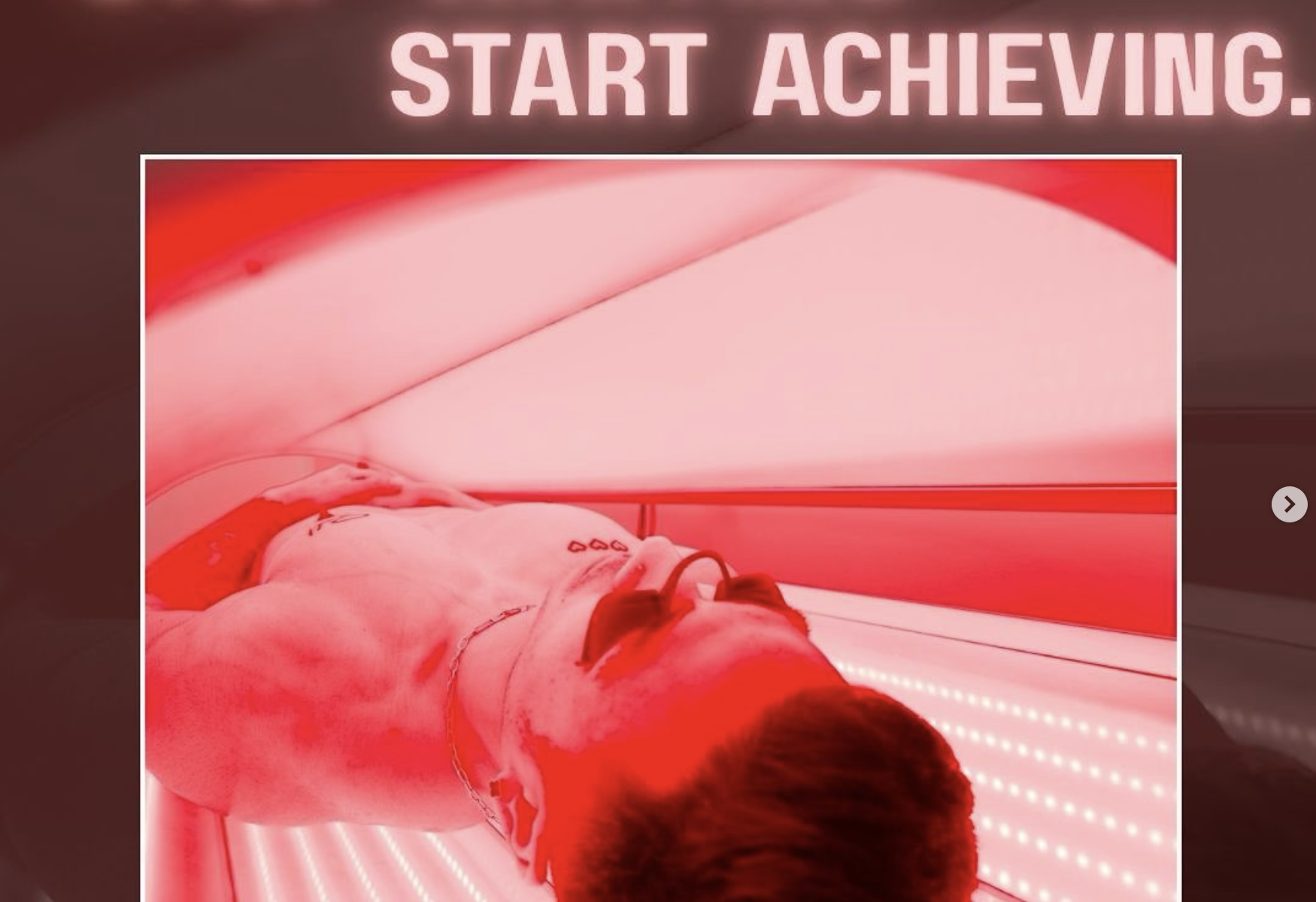
Sports Recovery Using Red Light Therapy

Sports Recovery Using Red Light Therapy

That heavy-legged, flat feeling the day after a hard session is familiar to anyone who trains properly. Sometimes it is standard muscle fatigue. Sometimes it is the start of a recovery bottleneck that drags into your next run, ride, gym session or match. Sports recovery using red light therapy is gaining attention because it targets that gap between training stress and repair in a way that is non-invasive, drug-free and grounded in photobiomodulation science.

Why sports recovery using red light therapy is getting attention

Recovery is not a luxury add-on for serious training. It is part of performance. If your body does not repair efficiently, output drops, soreness lingers, sleep quality can slide, and small niggles are more likely to become bigger problems.

Red and infrared light therapy works by delivering specific wavelengths of light to tissue, where they interact with the mitochondria inside cells. This process is often discussed in terms of ATP production, circulation support and reduced oxidative stress. In practical terms, the goal is simple: help the body recover from training load more effectively.

That does not mean one session magically erases all muscle damage or turns poor programming into good training. It means photobiomodulation may support the biological processes involved in muscle recovery, tissue repair and post-exercise inflammation management. For active adults, that can be the difference between backing up well and always feeling one step behind.

What red light therapy may actually help with after training

For most athletes and regular exercisers, the appeal starts with soreness. Delayed onset muscle soreness can blunt performance, alter movement patterns and make the next session harder than it needs to be. Red and infrared light therapy may help reduce perceived soreness and support a faster return to comfort after demanding exercise.

There is also the question of tissue stress. Training creates micro-damage by design. That is part of adaptation. The problem starts when repair cannot keep pace. Photobiomodulation has been studied for its potential to support soft tissue healing, assist local circulation and help modulate inflammatory responses. Those mechanisms matter for muscles, tendons and joints that are under repeated load.

Another reason athletes look at PBM is fatigue management. Recovery is not only about one sore quad or tight calf. It is systemic. Whole-body treatment can make sense for people doing high-volume training, playing competitive sport, or juggling exercise with work, family and poor sleep. If the body is under pressure from multiple directions, a localised treatment approach may not always be enough.

The case for whole-body treatment

This is where treatment format matters. A handheld device or small panel can be useful for a single area, especially if you are focused on one joint or one muscle group. But sports recovery is often broader than that. Hard training loads the body as a system, not just as isolated parts.

A whole-body photobiomodulation pod delivers red and infrared light across a much larger treatment area. That allows more comprehensive exposure in one session, which can be particularly valuable after full-body gym work, long endurance efforts, team sport, or periods of intense training. Instead of chasing one hot spot at a time, the treatment can support multiple regions at once.

For clients who want efficiency, that matters. A 30-minute session fits more easily into a busy week than trying to self-treat several areas individually with inconsistent positioning and dosage. It also creates a more controlled treatment environment, which is important when consistency is part of the plan.

What the science suggests, and where the limits are

Photobiomodulation is not fringe therapy. It has a long clinical history and an expanding research base across pain, healing and recovery applications. In sport and exercise settings, studies have explored outcomes such as muscle performance, fatigue, soreness and recovery markers.

The broad direction is promising, but results are not identical in every study. That is because dosage, wavelength, timing, treatment area and training type all matter. A professional athlete using a tightly managed protocol may respond differently from a time-poor office worker training three times a week. Someone recovering from a hamstring strain has different needs from someone managing general post-leg-day soreness.

That nuance is important. Red light therapy is not a replacement for load management, nutrition, hydration, mobility work or sleep. It is best viewed as a performance support tool within a bigger recovery strategy. Used well, it may help stack the odds in your favour. Used poorly, or with unrealistic expectations, it becomes just another wellness purchase with no clear plan behind it.

When to use red light therapy for sport recovery

Timing depends on the goal. Some people use PBM before training to support muscle readiness and performance. Others use it after exercise to help with soreness and tissue repair. In a recovery-focused setting, post-training and between-session treatment are often the most relevant.

If you are in a heavy block of training, regular sessions may offer more value than a one-off visit after an unusually tough workout. Recovery is cumulative, and consistency often matters more than novelty. That is why many clinics recommend treatment plans across several sessions rather than presenting PBM as a single-hit fix.

It also depends on what you are recovering from. Acute overload, minor soft tissue irritation and general training fatigue may respond differently. If there is significant injury, swelling, or an ongoing condition affecting performance, you need the right assessment and, where appropriate, coordination with your broader care plan.

Who tends to benefit most

Sports recovery using red light therapy is not only for elite athletes. In fact, a large part of its appeal is how relevant it is for everyday active adults. That includes gym-goers chasing more consistent training, runners trying to reduce downtime between sessions, cyclists managing cumulative leg fatigue, and recreational athletes who want to train hard without feeling wrecked for three days afterwards.

It can also appeal to people returning from injury, surgery or long periods of inactivity. Their challenge is often not peak performance but tolerance to load. If recovery is slow, confidence drops and progress stalls. A therapy that supports tissue healing and comfort without medication can be attractive in that phase.

For Melbourne professionals balancing work stress with early sessions, lunch-hour training or weekend sport, recovery support is often about sustainability. Looking better and performing better usually starts with feeling better, and that often comes down to how well the body recovers from repeated demand.

What to look for in a clinic

Not all red light therapy is delivered in the same way. Device quality, treatment coverage, session structure and clinical understanding make a difference. If you are considering sports recovery support, look beyond hype and ask practical questions. What wavelengths are being used? Is the treatment localised or whole-body? How long is each session? Is there a rationale for how often you should attend?

A clinic with a strong photobiomodulation focus should be able to explain the treatment clearly without overpromising. You want confidence backed by science, not vague wellness language. Safety matters too. PBM is generally well tolerated, but treatment should still be delivered in a controlled setting with proper guidance.

That is one reason whole-body pod treatment stands out. When a clinic is built around advanced PBM delivery rather than treating red light as a side offering, you are more likely to get a more consistent and clinically informed experience. At iRPod, that whole-body approach is central to the service, giving active clients a broader recovery option than narrow spot treatment alone.

The trade-off athletes should understand

The strongest recovery strategies are rarely the flashiest. They are the ones you can repeat. Red light therapy sits in that category. It is comfortable, non-invasive and easy to add to a program, but it still requires consistency and realistic expectations.

If you sleep five hours a night, under-eat, overload your program and ignore pain signals, no recovery modality will cover for that. On the other hand, if your training fundamentals are decent and you are looking for an edge in repair, soreness management and readiness, photobiomodulation is a credible option.

There is also the compliance factor. Many recovery tools are effective in theory but hard to maintain in practice. Whole-body PBM sessions are straightforward. You turn up, receive the treatment, and let the technology do the work. For busy adults, that simplicity can be a genuine advantage.

The future is here today, but the best use of it is still practical. If your body is working hard, your recovery strategy should work just as hard. A smart, evidence-based, full-body approach can help you keep moving, keep training and keep performing without relying on invasive treatments or medication-heavy pathways.

If you are curious about whether it suits your training load, your injury history or your recovery goals, the best next step is to think less about trends and more about fit. The right recovery tool is the one that helps you show up stronger for the next session, and the one after that.

Surgical Healing With Photobiomodulation

Surgical Healing With Photobiomodulation

Surgery can solve a major problem, but recovery is where many people feel the real strain. Swelling, tenderness, stiffness, bruising, sleep disruption and that frustrating stop-start feeling can linger longer than expected. That is why interest in surgical healing with photobiomodulation is growing – not as a miracle claim, but as a practical, non-invasive way to support the body during a demanding repair process.

For people who want to recover well, the question is usually not whether healing happens. It is whether healing can happen more efficiently, with less discomfort and fewer setbacks. Photobiomodulation, often shortened to PBM, is increasingly part of that conversation because it works at a cellular level and fits the needs of people looking for drug-free recovery support.

What surgical healing with photobiomodulation actually means

Photobiomodulation uses specific wavelengths of red and near infrared light to stimulate biological activity in tissue. In plain terms, light energy is absorbed by the cells, particularly within the mitochondria, where energy production takes place. That process is associated with improved ATP production, support for circulation, and modulation of inflammation.

When we talk about surgical healing with photobiomodulation, we are talking about using those effects to support the body after an operation. The aim is not to replace your surgeon, wound care instructions or medical follow-up. The aim is to complement them by helping the tissue environment recover more effectively.

That distinction matters. Good recovery is rarely about one thing. It is usually the result of sound surgical care, sensible post-op management, rest, movement at the right time, nutrition, and, where appropriate, therapies that encourage repair without adding more stress to the system.

Why PBM is relevant after surgery

After surgery, the body enters a high-demand state. Tissue has been disrupted, the inflammatory response is activated, and your system needs to allocate resources toward repair. Some inflammation is necessary. Too much, or inflammation that hangs around longer than it should, can make recovery feel harder than it needs to.

This is where PBM stands out. It has been studied for its potential to support normal healing processes, reduce oxidative stress, and help manage pain and swelling. For post-surgical patients, those are not small wins. Less swelling can mean less pressure and greater comfort. Better local circulation can support nutrient delivery. Improved cellular energy can help tissues do the work of repair.

There is also a practical appeal. PBM is non-invasive, drug-free and generally well tolerated when delivered appropriately. For people who want to reduce reliance on medication where possible, or who are already juggling enough during recovery, that matters.

The benefits people often notice

Post-surgical recovery is personal, and the procedure itself makes a big difference. A minor skin treatment and a major orthopaedic surgery are not the same recovery story. Still, there are several reasons patients and clinicians look at PBM after procedures.

Pain reduction is often the first priority. PBM may help modulate pain by influencing inflammation and supporting tissue repair rather than simply masking symptoms. That can be especially useful when the goal is to feel more comfortable moving, sleeping and returning to routine.

Swelling and bruising are another common concern. Light therapy may assist the body in clearing post-procedural congestion more efficiently, which can improve comfort and appearance during the early healing phase.

Then there is tissue healing itself. Better cellular energy availability can support regeneration and repair, which is why PBM is often discussed in relation to wound healing, soft tissue recovery and post-operative rehabilitation.

Many people also report a broader benefit that is harder to measure but easy to value – they simply feel less battered by the recovery process. Better sleep, reduced discomfort and a greater sense of progress can make a real difference to morale.

Surgical healing with photobiomodulation in real-world recovery

The strongest interest in surgical healing with photobiomodulation tends to come from people recovering from procedures involving soft tissue, joints, skin or musculoskeletal structures. That can include cosmetic procedures, dental work, orthopaedic surgeries, sports-related operations and certain general surgical recoveries.

But suitability depends on timing, treatment area and medical clearance. Fresh wounds, dressings, implanted devices, active infections, medication use and the nature of the surgery all matter. PBM is promising, but it is not a one-size-fits-all protocol.

That is why the delivery method matters as much as the concept. A properly administered treatment should account for wavelength, power density, duration, treatment frequency and the patient’s overall condition. Too little may do very little. Too much is not automatically better. Clinical judgement is part of the value.

Why whole-body PBM may have an edge

Local treatment makes sense when the target area is obvious. But surgery does not only affect one patch of tissue. It places stress on the whole body. Sleep can deteriorate, inflammation can become more systemic, mobility may drop, and energy can slump.

A whole-body PBM approach may offer broader support by exposing a much larger surface area to therapeutic light in a controlled session. That can be relevant for people who are not only managing a wound or painful site, but also the fatigue, tension and general recovery burden that surgery can create.

For some patients, this broader effect is particularly appealing. If you are already depleted, a therapy that supports recovery beyond a single sore spot may fit better than a narrow, localised treatment model. It does not mean local care is unnecessary. It means whole-body support may complement it well.

What to expect from treatment

Most people want to know one thing – how many sessions will it take? The honest answer is that it depends. Procedure type, age, baseline health, inflammation levels and how far along you are in recovery all influence response.

Some people notice reduced tightness, discomfort or swelling quickly. Others improve more gradually over a series of sessions. In many cases, consistency matters more than a single treatment. Recovery is a process, and PBM tends to work best when it is part of that process rather than a last-minute fix.

Treatment itself is simple. You do not need needles, downtime or sedation. A session is designed to be comfortable and low stress, which is exactly what many people want when they are already healing from surgery.

What PBM can and cannot do

This is where clear expectations matter. Photobiomodulation can support healing. It cannot override poor wound care, replace medical advice or guarantee a specific timeline. If your surgeon has told you to avoid certain therapies, that instruction comes first.

There are also cases where timing is everything. Very early post-op care may require a more cautious approach depending on the procedure. In other cases, introducing PBM promptly may be beneficial. The right answer is not universal.

It is also worth saying that recovery quality depends on more than inflammation alone. Scar behaviour, infection risk, nutrition, circulation, sleep and movement all play a role. PBM can be a strong support tool, but it works best in the context of a sensible recovery plan.

Who may be a good candidate

Adults recovering from surgery who want a safe, non-invasive and evidence-informed therapy often find PBM appealing. It may be particularly relevant for those dealing with persistent swelling, post-operative pain, soft tissue repair demands, reduced mobility, or a general sense that healing is slower than expected.

It can also suit people who prefer to take a proactive approach. Rather than waiting and hoping recovery improves on its own, they want a clinically grounded option that supports the body’s own repair pathways.

In a setting like South Yarra, where busy professionals often want to get back to work, training and normal life without adding more medical complexity, that appeal is obvious. Efficient recovery support is not a luxury when your schedule, comfort and confidence are all affected.

Why evidence and experience both matter

PBM is not new, but the quality of treatment can vary sharply between providers and devices. That is why both scientific grounding and clinical experience matter. Patients need more than a glowing gadget and vague promises. They need a treatment environment that understands dosage, timing, safety and realistic outcomes.

At its best, PBM sits in a powerful space between medicine and wellness. It has the scientific language people want to trust, but it also delivers an experience people can actually stick with. That combination is one reason established providers such as iRPod continue to attract people looking for serious recovery support without invasive intervention.

If you are weighing up your options after surgery, the smartest question is not whether photobiomodulation sounds impressive. It is whether your recovery could benefit from targeted cellular support delivered safely, consistently and at the right stage. For many people, that is where better healing starts to feel possible again.

Photobiomodulation for Fibromyalgia Relief

Photobiomodulation for Fibromyalgia Relief

Fibromyalgia can turn ordinary days into negotiations. You might wake up sore, push through work in a fog, then find that even rest does not feel restorative. That is exactly why interest in photobiomodulation for fibromyalgia relief is growing – not as hype, but as a practical, drug-free option for people who want support beyond the usual cycle of pain, poor sleep and fatigue.

For many people with fibromyalgia, the challenge is not one isolated symptom. It is the pile-up. Widespread pain, tender points, stiffness, low energy, sleep disruption and mental fatigue often feed into each other. When the nervous system is already on high alert, even small stressors can feel amplified. A treatment approach that aims to support the body more broadly, rather than chase one symptom at a time, can make genuine sense.

Why photobiomodulation is being considered for fibromyalgia relief

Photobiomodulation, often shortened to PBM, uses specific wavelengths of red and near-infrared light to stimulate cellular activity. In plain terms, the light is absorbed by structures within cells, especially the mitochondria, which are responsible for energy production. This process is associated with improved ATP production, reduced oxidative stress and support for tissue repair and recovery.

That matters for fibromyalgia because the condition is complex. It is not simply a matter of muscle strain or inflammation in one joint. Researchers and clinicians often look at central sensitisation, altered pain processing, sleep disruption, fatigue and stress-system dysregulation as part of the picture. While PBM is not a cure for fibromyalgia, it is being explored because it may help calm some of the biological processes that contribute to ongoing discomfort and poor recovery.

There is also a practical appeal. People living with fibromyalgia are often cautious about adding another medication, increasing dosage or dealing with more side effects. A non-invasive therapy with a strong safety profile naturally attracts attention, particularly when the goal is to feel better without adding more burden.

How photobiomodulation may help with fibromyalgia symptoms

The strongest reason people consider PBM is simple – they want relief that feels noticeable in real life. Not just on paper, but when getting out of bed, concentrating at work or trying to sleep through the night.

Pain and tenderness

Red and infrared light therapy is commonly used to support pain reduction and recovery. In fibromyalgia, widespread pain can be persistent and unpredictable, so whole-body delivery may offer an advantage over therapies that only target one shoulder, one knee or one small region at a time. If pain is spread across the back, hips, legs and shoulders, a broader treatment format is often more practical.

PBM may help by influencing inflammatory signalling, circulation and cellular repair processes. That does not mean every session produces dramatic change, and it does not mean every person responds in the same way. But for some people, pain intensity and tenderness become more manageable over a course of treatment.

Fatigue and low energy

Fatigue in fibromyalgia is not ordinary tiredness. It can feel like your battery never properly recharges. Because photobiomodulation is linked to mitochondrial activity and ATP production, it is often discussed in the context of cellular energy support. That is one reason it has become relevant not only for fibromyalgia, but also for broader recovery and fatigue-focused treatment plans.

The trade-off here is timing and expectations. Some people feel more energised quickly, while others notice changes only after several sessions. If fatigue is tied strongly to poor sleep, stress or concurrent conditions, results may be slower and more layered.

Sleep and nervous system load

Poor sleep and fibromyalgia often go hand in hand. When sleep quality drops, pain sensitivity and exhaustion usually climb. PBM is not a sleeping tablet, but some clients report improved sleep quality as pain eases and the body shifts into a better recovery state. For people stuck in a cycle of discomfort and broken sleep, that can be one of the most valuable outcomes.

There is also the wider nervous system effect to consider. Fibromyalgia often comes with a sense that the body is stuck in overdrive. Therapies that are gentle, passive and non-invasive can be easier to tolerate than more aggressive interventions, especially during flare-ups.

Whole-body PBM versus local treatment

This is where delivery matters. If fibromyalgia pain is widespread, spot treatment may feel too narrow. A whole-body pod exposes much more of the body to therapeutic red and near-infrared light in a single session, which can be a better fit for a condition that rarely stays in one place.

For many clients, convenience matters almost as much as science. Spending 30 minutes in a temperature-controlled pod is very different from trying to treat multiple painful areas one by one. Whole-body treatment can support consistency, and consistency is often what determines whether someone gives a therapy enough time to work.

That is part of why clinics using advanced full-body systems have gained traction. A premium PBM setup is not just about comfort. It reflects a more comprehensive treatment philosophy – supporting pain, recovery, sleep and wellbeing at the same time.

What the evidence says, and what it does not

The evidence around PBM is promising, particularly in pain management, tissue healing and recovery, but fibromyalgia remains a nuanced area. Some studies and clinical observations suggest benefits for pain, quality of life and function. At the same time, outcomes vary because fibromyalgia itself varies. Symptom severity, duration, coexisting conditions, medication use, stress load and sleep quality all affect the response.

That is why credible clinics should avoid overclaiming. PBM is best viewed as a supportive therapy, not a miracle fix. It may reduce symptom burden, improve recovery capacity and help people function better. For some, that translates to fewer bad days. For others, it means less stiffness, better sleep or the ability to manage daily tasks with more ease.

The key question is not whether PBM is magic. It is whether it is a safe, evidence-informed option worth trialling as part of a broader management plan. For many people with fibromyalgia, the answer is yes.

What to expect from photobiomodulation for fibromyalgia relief

A session is straightforward. You lie comfortably while your body is exposed to red and near-infrared light for a set period, often around 30 minutes in a full-body system. There is no needle, no cutting, no forced pressure on painful tissues. That matters for people whose bodies are already sensitive.

Most treatment plans involve a course of sessions rather than a one-off visit. Fibromyalgia is usually chronic, so gradual improvement is more realistic than instant transformation. Some people notice a subtle shift early on, such as sleeping more deeply or feeling slightly less sore the next morning. Others need multiple sessions before they can judge whether the therapy is helping.

A sensible plan often sits in the 4 to 12 session range, depending on symptom severity and goals. If someone is dealing with persistent pain, severe fatigue and long-term sleep issues, they may need a more committed course than someone trialling PBM for mild to moderate flare management.

Who may be a good fit

Photobiomodulation can be particularly appealing if you want a non-invasive option, have widespread pain rather than one isolated injury, or are looking to complement other strategies such as movement, pacing, manual therapy or medical care. It also suits people who want support without adding to medication load.

It may be less straightforward if your symptoms are changing rapidly, if you have complex untreated medical issues, or if you expect one session to solve a long-standing condition. The best outcomes usually come when PBM is approached with realistic expectations and a bit of consistency.

For people in Melbourne seeking a more advanced whole-body approach, clinics such as iRPod have helped raise the standard of what PBM delivery can look like – combining established low level laser therapy principles with full-body LED exposure designed for comfort, safety and repeatable treatment.

Why safety and comfort matter so much in fibromyalgia

People with fibromyalgia often stop treatments not because they are ineffective, but because they are too aggressive, too inconvenient or too hard to tolerate. A therapy can be scientifically sound and still be the wrong fit if it leaves someone feeling overwhelmed.

That is where PBM stands out. It is non-invasive, generally well tolerated and easy to incorporate into a routine. When someone is already carrying chronic pain and fatigue, a treatment that feels calm, simple and manageable is not a luxury. It is part of what makes ongoing care possible.

Fibromyalgia rarely responds well to brute force. It responds better to intelligent, steady support. If photobiomodulation helps reduce pain, improve sleep or take the edge off fatigue, that shift can create room for better days – and sometimes that is exactly where meaningful progress begins.

Fibromyalgia Light Therapy Results Explained

Fibromyalgia Light Therapy Results Explained

Living with fibromyalgia can make a normal week feel harder than it should. Pain shifts, sleep stays broken, fatigue hangs around, and even small tasks can leave you feeling flattened. That is why interest in fibromyalgia light therapy results keeps growing. People are not looking for hype. They want to know whether a drug-free, non-invasive treatment can genuinely help them feel more comfortable, sleep more deeply, and function better day to day.

The short answer is that light therapy can support meaningful improvement for some people with fibromyalgia, but the results are rarely instant or identical from one person to the next. The best outcomes tend to come from a structured treatment plan, realistic expectations, and a therapy format that delivers enough coverage and consistency to influence the whole body, not just one sore spot.

What fibromyalgia light therapy results can look like

When people ask about fibromyalgia light therapy results, they usually mean one thing: will I feel better in real life, not just on paper? For many clients, the early changes are often practical rather than dramatic. Pain can begin to feel less intense, flare-ups may become easier to manage, and the body can feel less wound up after a session. Some also notice reduced muscle tenderness and a greater sense of physical ease.

Sleep is another common area of improvement. Fibromyalgia does not just create pain. It disrupts recovery. If sleep quality lifts, even slightly, many people report a knock-on effect in mood, resilience and energy. That matters because fibromyalgia often involves a cycle where pain affects sleep, poor sleep amplifies pain, and fatigue makes everything feel heavier.

Results can also show up as better recovery after normal activity. That might mean feeling less wiped out after work, walking further without paying for it the next day, or getting through a busier week with less of the all-over ache that fibromyalgia is known for. These are not small wins. For many people, they are the difference between surviving and functioning.

Why light therapy may help fibromyalgia symptoms

Photobiomodulation works by delivering specific wavelengths of red and infrared light into the body to support cellular function. A key mechanism is its effect on ATP production, which is the energy currency used by cells. It may also help modulate inflammation, support circulation and reduce oxidative stress, all of which matter when the body is stuck in a prolonged cycle of pain and poor recovery.

Fibromyalgia is complex. It is not simply a local tissue injury that needs one area treated. It involves widespread pain sensitivity, fatigue, disturbed sleep and nervous system dysregulation. That is one reason whole-body delivery can make sense. Rather than chasing symptoms from shoulder to hip to knee, full-body light therapy aims to support the broader systems involved.

This is where treatment design matters. A stronger, more consistent delivery model can be more practical than a small handheld unit used briefly and irregularly at home. For fibromyalgia, coverage matters because symptoms are often widespread, and consistency matters because the body usually responds to cumulative support over time.

How quickly do fibromyalgia light therapy results happen?

This depends on the person, the severity of symptoms, and how often treatment is used. Some people feel looser, calmer or more comfortable after the first few sessions. Others need several sessions before they notice any meaningful shift. With fibromyalgia, progress is often gradual.

A common pattern is that early sessions help settle the body, while later sessions build on that foundation. You may not go from constant pain to zero pain overnight. More often, you notice that pain intensity drops a notch, sleep begins to improve, and your body handles daily activity a little better. Those smaller gains can accumulate into a more substantial change over a course of treatment.

That is why one-off sessions can feel encouraging but are not always enough to judge the full potential. In a clinical setting, treatment plans are often recommended across multiple sessions because fibromyalgia tends to respond better to repeated input than a single exposure.

What affects your results most?

The biggest factor is consistency. Fibromyalgia is usually not a straight-line condition, so treatment needs to be steady enough to influence the body beyond a temporary boost. If sessions are too far apart, it can be harder to build momentum.

The second factor is the type of light therapy used. Not all systems are equal. Wavelength, power, treatment time and body coverage all influence the experience. For a condition that affects the whole body, a whole-body photobiomodulation pod has a clear advantage over a tiny device used on isolated areas for a few minutes at a time.

Your baseline health also matters. Someone dealing with fibromyalgia alone may respond differently from someone also managing chronic fatigue, poor sleep, high stress or post-viral symptoms. None of that means light therapy will not help. It just means the path to improvement may be more layered.

Then there is expectation. The strongest clinical conversations are honest ones. Light therapy is not a miracle cure for fibromyalgia, and no ethical clinic should frame it that way. What it can offer is a safe, evidence-based way to support pain reduction, recovery, sleep and overall wellbeing without adding to medication load or invasive treatment fatigue.

Fibromyalgia light therapy results in a clinic setting

A clinic-based approach offers something many people with fibromyalgia need: consistency, proper dosing and full-body treatment in a controlled environment. That can make a real difference when symptoms are widespread and energy is limited. Instead of trying to self-manage with short, patchy sessions at home, you can receive a structured treatment designed to cover the whole body efficiently.

At the right clinic, the experience is also built around comfort. That matters more than it sounds. If you are already sensitive to pain, temperature, poor sleep and overstimulation, a calm 30-minute session can itself feel restorative. The technology should support the therapeutic goal, not complicate it.

For people in Melbourne looking at advanced whole-body PBM, this is where an established provider such as iRPod stands apart. The combination of full-body LED delivery, temperature-controlled treatment and a service model built around treatment plans rather than gimmicks aligns far more closely with how fibromyalgia typically needs to be managed.

What results are realistic and what are not?

Realistic results include reduced pain severity, less muscular tenderness, improved sleep quality, better recovery after daily activity, and a noticeable lift in comfort or mood. Some people also report feeling less stiff in the morning or less depleted by the end of the day. These changes can have a powerful flow-on effect in work, exercise tolerance and general quality of life.

Unrealistic expectations include assuming one session will fix years of chronic symptoms, or that every person will respond the same way. Fibromyalgia is highly individual. Some clients improve quickly, some improve gradually, and some find that light therapy is most helpful as part of a broader management strategy.

That does not make the therapy less valuable. It makes the decision more mature. If you are choosing treatment, choose the option that gives your body the best chance to respond safely and consistently over time.

Who tends to benefit most?

People who do best with light therapy are often those looking for a non-invasive option that supports the body rather than overriding symptoms for a few hours. If medication side effects are wearing you down, if massage is too intense during flares, or if exercise recovery is poor, photobiomodulation can fill an important gap.

It can be particularly appealing for adults who want a therapy that fits modern life. You can have a session, get on with your day, and build treatment into a sustainable routine. For many busy people, that practicality matters almost as much as the science.

Is it worth trying?

If fibromyalgia is affecting your sleep, pain levels and ability to recover, light therapy is one of the more credible non-drug options to consider. The evidence base around photobiomodulation continues to build, and clinically the appeal is obvious: safe, comfortable, non-invasive support aimed at cellular function and systemic recovery.

The main question is not whether light therapy sounds impressive. It is whether the treatment format is strong enough, broad enough and consistent enough to produce results you can actually feel. For fibromyalgia, that standard matters.

If you have been stuck managing symptoms one flare at a time, it may be worth shifting the question. Not “Will this cure everything?” but “Could this help my body cope better, recover better and feel better?” For many people, that is where meaningful progress begins.

Can Light Therapy Help Chronic Fatigue?

Can Light Therapy Help Chronic Fatigue?

Some people with chronic fatigue wake up feeling as if they have already used the day up before it has even started. It is not ordinary tiredness, and it does not always improve with rest. That is why interest in light therapy chronic fatigue support continues to grow, particularly among people looking for a safe, drug-free option that works with the body rather than against it.

For many, the appeal is simple. When energy is low, pain is persistent, sleep is poor and recovery feels slow, another stimulant or another medication is not always the answer. Photobiomodulation, often delivered through red and infrared light therapy, offers a different pathway. It aims to support cellular energy production, reduce oxidative stress and encourage repair processes that may be underperforming.

Why light therapy chronic fatigue is getting attention

Chronic fatigue is complex. Sometimes it sits within a formal diagnosis such as chronic fatigue syndrome or myalgic encephalomyelitis. Sometimes it overlaps with fibromyalgia, post-viral symptoms, poor sleep, chronic pain, burnout or recovery after illness. That complexity matters, because no single treatment suits every person.

What makes light therapy worth serious attention is the mechanism behind it. Red and near infrared wavelengths are used to interact with cells at a mitochondrial level. In plain terms, that means the therapy is designed to support the part of the cell responsible for producing ATP, which is the body’s energy currency. If the system is under strain, even a modest improvement in cellular efficiency may have a meaningful effect on day-to-day function.

This is also why the conversation around photobiomodulation has moved beyond beauty and recovery clinics. It is now being considered by people managing persistent fatigue, body-wide discomfort and sluggish recovery. The interest is not based on hype alone. It is based on the idea that fatigue is not always just psychological or lifestyle related. In many cases, it has a physiological component that deserves targeted support.

What photobiomodulation may do for fatigue

A quality light therapy approach does not promise to cure chronic fatigue. Any clinic making that claim is overselling it. What it may do is support several systems that often contribute to how fatigue feels and how long it lingers.

One of the main targets is mitochondrial function. Red and infrared light may help cells produce ATP more efficiently, which can support energy availability. That does not mean you walk out feeling supercharged after one session. For most people, the effect is gradual and cumulative. Subtle changes such as less afternoon crashing, steadier concentration or feeling less wiped out after normal activity are often more realistic markers.

Another key factor is inflammation and oxidative stress. People with persistent fatigue often describe a whole-body heaviness, poor recovery and a sense that their system is not bouncing back. Photobiomodulation has been studied for its anti-inflammatory potential, and that matters because chronic low-grade inflammation can affect energy, pain, sleep and mood all at once.

Sleep quality is another piece of the picture. Many people with chronic fatigue are exhausted but do not sleep deeply or wake refreshed. If light therapy helps calm pain, ease tension and support nervous system regulation, sleep can improve as a secondary benefit. Better sleep then feeds into better recovery, and better recovery can gradually support better energy.

Whole-body treatment matters more than many people realise

When fatigue is systemic, a tiny treatment area may not be enough. That is one reason whole-body red and infrared light therapy has become such a compelling option. Instead of treating one sore point at a time, a full-body pod exposes a much larger surface area to therapeutic light.

For someone dealing with chronic fatigue alongside muscle aches, poor sleep, brain fog or fibromyalgia-type symptoms, broader coverage makes sense. The body does not operate in isolated sections. Energy production, circulation, inflammation and recovery are all connected. A whole-body approach is designed to meet that reality.

This is where treatment quality and delivery format matter. A clinical-grade pod with thousands of LEDs and controlled treatment parameters is very different from occasional use of a small home device. Home units can have a role, but they are often localised and lower powered. If the goal is to support body-wide fatigue and recovery, the dose and coverage need to match the problem.

What to expect from light therapy for chronic fatigue

A good first session should feel easy. You lie back in a temperature-controlled pod for around 30 minutes while red and infrared light is delivered across the body. There is no invasive procedure, no needles and no recovery downtime afterwards. Most people find it calming, which is valuable in itself when the nervous system has been under pressure for months or years.

Results vary, and that is the honest answer. Some people notice improved sleep or a sense of calm after the first few sessions. Others need a structured course before they feel clear change. Chronic fatigue tends to respond better to consistency than to one-off treatment. That is why many clinics recommend a plan across several sessions rather than a casual try-once approach.

It is also worth setting the right goalposts. With chronic fatigue, progress can look like better resilience rather than a dramatic surge in energy. You may find daily tasks feel more manageable, post-exertion crashes become less severe or recovery after exercise and work improves. Those shifts are clinically meaningful, even if they are not flashy.

Who may benefit most

Light therapy chronic fatigue treatment may appeal most to adults who want an evidence-based, non-invasive option and are tired of symptom management that never seems to move the needle. That includes people with chronic fatigue syndrome, fibromyalgia, post-viral fatigue, persistent stress-related exhaustion and those whose fatigue is tied up with poor sleep, pain or slow recovery.

It can also suit high-functioning professionals who are still getting through work but feel their energy, mood and focus are not what they should be. Many people in this group wait too long because they assume they are simply overworked. Sometimes they are. Sometimes there is more going on beneath the surface, and a therapy that supports recovery at a cellular level is worth considering.

That said, fatigue should never be brushed off or self-diagnosed too quickly. Persistent exhaustion can have many causes, including thyroid issues, iron deficiency, sleep apnoea, depression, medication effects and other medical conditions. Light therapy can be part of a broader care plan, but it should not replace proper medical assessment where needed.

The trade-offs and limits

This therapy is promising, but it is not magic. Chronic fatigue is one of the most frustrating conditions to treat because it is rarely driven by one factor alone. If someone is severely sleep deprived, under extreme stress, poorly nourished or dealing with unresolved illness, light therapy may help, but it may not be enough on its own.

There is also the question of pace. People living with long-term fatigue often want immediate relief because they have already been waiting too long. Photobiomodulation tends to reward consistency and patience. That can be difficult when motivation is low and energy is scarce.

The other limit is provider quality. Not all light therapy is equal. Wavelengths, power, session length and treatment coverage all influence the outcome. A clinically guided whole-body session is a different proposition from a cosmetic light panel used without a therapeutic plan. If you are considering treatment, the technology and the clinical reasoning behind it matter.

Why many Melbourne clients are choosing PBM now

Melbourne clients are increasingly looking for therapies that sit between conventional medicine and general wellness. They want something grounded in science, but they also want it to feel practical, safe and sustainable. That is exactly where photobiomodulation fits.

At a clinic level, the strongest results usually come when treatment is delivered as part of a clear strategy, not as a novelty. At iRPod, that means whole-body red and infrared sessions delivered through advanced PBM pod technology designed to support pain reduction, healing, sleep, mood and recovery at the same time. For someone dealing with chronic fatigue, that broad therapeutic reach is not a luxury. It is often the point.

If you have been told to just rest more, push through, or accept feeling flat as your new normal, there is value in considering a different approach. The future is here today, and for many people, better energy starts not with forcing the body harder, but with helping it recover more efficiently.

7 Best Non Invasive Pain Treatments

7 Best Non Invasive Pain Treatments

Pain changes the way you move, sleep, work and think. When it lingers for weeks or months, most people are not looking for another short-term patch – they want the best non-invasive pain treatments that can reduce discomfort without adding more stress, downtime or medication.

That search usually leads to a mix of options, from hands-on care and movement-based rehab to newer technology-led therapies. The reality is that no single treatment suits every person or every type of pain. The best approach depends on what is driving the pain, how long it has been there, how your body is recovering, and whether you need local relief, whole-body support, or both.

What makes the best non-invasive pain treatments worth considering?

The strongest non-invasive options share a few qualities. They are safe, repeatable, and practical enough to fit real life. They aim to support healing and function, not simply mask symptoms for a few hours. And ideally, they help you feel better while also improving sleep, mobility, recovery and day-to-day capacity.

That matters because pain is rarely just one thing. Chronic pain can affect mood, energy and inflammation. Post-exercise soreness may need a different strategy from arthritis stiffness. Nerve-related pain may respond differently again. This is why the best non-invasive pain treatments are often combined rather than used in isolation.

1. Photobiomodulation for pain, recovery and healing

If you are looking for a modern, drug-free option with broad therapeutic potential, photobiomodulation deserves serious attention. Also known as red and infrared light therapy or low level laser therapy, photobiomodulation uses specific wavelengths of light to support cellular energy production, circulation, tissue repair and inflammation management.

The reason it stands out is simple. Pain is often tied to impaired recovery, oxidative stress, inflammation or overloaded tissue. Photobiomodulation works at a cellular level, supporting ATP production so the body has more energy available for repair. For many people, that translates to less pain, better movement and faster recovery.

It can be especially useful for arthritis, Fibromyalgia , sports recovery, post-surgical healing and persistent muscular pain. Whole-body delivery may offer an advantage for people whose pain is widespread rather than isolated to one small area. That is where pod-based therapy can be particularly appealing – it treats the body more comprehensively instead of chasing symptoms one spot at a time.

The trade-off is that results are usually cumulative. One session may feel good, but a course of treatment is often where the bigger changes happen. For people who want a safe, non-invasive option with no needles, no drugs and no downtime, this is one of the most compelling therapies available.

2. Physiotherapy and movement rehabilitation

Physiotherapy remains one of the most reliable choices for mechanical pain, injury recovery and movement dysfunction. A good physio does more than stretch a sore area. They assess how you move, where you are compensating, what is weak or overloaded, and how to rebuild function over time.

This matters because pain often returns when the original movement problem is never addressed. Back pain, neck tension, knee pain and post-injury stiffness frequently improve when strength, control and joint mechanics improve.

That said, physio is not magic in a single appointment. It requires consistency, and the home program matters. For acute injuries or straightforward mechanical issues, it can be excellent. For people with widespread pain, high sensitivity or fatigue, it often works best when paired with supportive therapies that make movement easier in the first place.

3. Remedial massage and myotherapy

When tight, overloaded muscles are a major part of the problem, hands-on soft tissue therapy can provide meaningful relief. Remedial massage and myotherapy are commonly used for muscular tension, postural strain, desk-related pain, headaches and sports soreness.

These therapies can help reduce guarding, improve circulation and restore a sense of ease in tissues that feel constantly switched on. For some people, that immediate release is exactly what they need to move better and sleep better.

The limitation is that manual therapy is often most effective as part of a broader plan. If you only treat muscle tightness without addressing inflammation, movement habits or recovery capacity, the same pain pattern can keep returning. It is best viewed as useful support, not always a complete answer.

4. Hydrotherapy and exercise in water

Water-based exercise is underrated, especially for people with arthritis, joint pain, deconditioning or higher body weight. The buoyancy of water reduces load on the joints while still allowing movement, strengthening and gentle cardiovascular work.

For people who struggle with land-based exercise because it hurts too much, hydrotherapy creates a more manageable starting point. It can help build confidence, mobility and tolerance without the same mechanical stress.

The downside is access and convenience. Not everyone has easy access to a suitable pool or a guided program. Still, for chronic pain and joint-related conditions, it can be one of the smartest low-impact options available.

5. Acupuncture and dry needling

These are not the same treatment, but both are often used in pain management. Acupuncture is based on traditional Chinese medicine principles, while dry needling usually targets muscular trigger points within a musculoskeletal framework.

Some people respond very well, particularly for neck pain, shoulder tension, headaches and certain chronic pain presentations. The effect can range from reduced muscle tension to improved pain modulation.

Whether it is one of the best non-invasive pain treatments depends on your definition of non-invasive. There is no surgery or medication involved, but needles are still used. For needle-averse clients, that may rule it out straight away. For others, it can be a useful adjunct when performed by a qualified practitioner.

6. TENS and home electrotherapy

TENS, or transcutaneous electrical nerve stimulation, is widely used for short-term pain relief. It works by sending mild electrical impulses through the skin to influence pain signalling. Many people use it for lower back pain, period pain, osteoarthritis and muscle soreness.

The benefit is accessibility. It is relatively affordable, easy to use at home and non-drug based. For flare-ups, it can be handy.

Its main limitation is that relief is often temporary. TENS may help you get through the day more comfortably, but it does not necessarily support tissue healing or address the broader drivers of chronic pain. Think of it as symptom management rather than a full recovery strategy.

7. Mind-body pain therapies and nervous system regulation

Pain is physical, but persistent pain is also influenced by the nervous system. Stress, poor sleep, fatigue and hypervigilance can amplify symptoms and slow recovery. That is why breathing work, mindfulness-based pain management, guided relaxation and cognitive behavioural support can play an important role.

For some people, this sounds too soft compared with device-based or hands-on treatments. That is a mistake. If your nervous system is constantly on high alert, pain can feel louder, movement can feel harder, and recovery can stall.

Mind-body therapies are rarely the whole answer for structural pain, but they can improve pain tolerance, sleep quality and resilience. In chronic pain, those gains matter more than many people realise.

How to choose the best non-invasive pain treatments for your situation

Start with the type of pain you have, not the trendiest treatment on social media. Localised tendon pain is different from fibromyalgia. Recovery after surgery is different from long-standing neck tension. Arthritis is different from training overload.

If your pain is widespread, inflammatory, fatigue-related or linked to poor recovery, whole-body therapies may offer more value than highly localised treatments. If the issue is clearly mechanical, movement-based rehab is often essential. If pain is stopping you from exercising properly, a supportive therapy that reduces symptoms enough to get you moving again can be the smartest first step.

It is also worth thinking about what you can realistically stick with. The best plan is not the one that sounds impressive. It is the one you can continue long enough to see results.

Why whole-body therapy is changing the conversation

One reason more people are turning towards advanced light-based treatment is that they want more than pain relief alone. They want to sleep better, recover faster, support healing, reduce inflammation and feel more like themselves again.

That broader outcome profile is where full-body photobiomodulation is gaining attention. Rather than treating pain as an isolated symptom, it supports the systems behind recovery. For busy professionals, active adults, and people living with ongoing conditions, that matters.

At clinics such as iRPod in Melbourne, this whole-body approach is central to the treatment model. The appeal is clear – safe, evidence-based, non-invasive care that aims to help clients look better, feel better and perform better, without the burden of medication-heavy treatment pathways.

The most useful place to start is with a clear assessment of what your pain is doing to your life. Are you struggling to train, work, sleep or recover? Are you managing a chronic condition that needs consistent support rather than a quick fix? The answer usually points towards the right treatment path.

Pain treatment does not need to be aggressive to be effective. Often, the smartest next step is the one that supports healing, respects your nervous system, and gives your body the conditions it needs to recover properly.

Best Light Therapy for Recovery Explained

Best Light Therapy for Recovery Explained

If you are sore for days after training, dragging yourself through chronic fatigue, or waiting far too long for post-injury swelling to settle, the question is not whether recovery matters. It is what actually moves the needle. The best light therapy for recovery is the format that delivers enough of the right wavelengths, to enough of the body, often enough to create a measurable response at the cellular level.

That is where a lot of people get lost. Light therapy sounds simple, but not every device is built for serious recovery. Some are designed for a small patch of skin. Others are geared more towards cosmetic use than tissue repair. If your goal is less pain, better healing, improved muscle recovery, and a faster return to feeling like yourself, the details matter.

What makes the best light therapy for recovery?

At its most effective, recovery-focused light therapy uses red and near infrared wavelengths through a process known as photobiomodulation, or PBM. This is not heat for heat’s sake, and it is not a vague wellness trend. PBM is used to support cellular energy production, assist circulation, reduce oxidative stress, and help calm inflammation.

The practical takeaway is straightforward. Your cells need energy to repair tissue, regulate inflammation, and restore normal function. Red and near infrared light are used because they can stimulate mitochondrial activity and support ATP production, which is one of the reasons PBM is now firmly part of the conversation around pain management, recovery, and performance.

But the best light therapy for recovery is not defined by a buzzword. It comes down to a few factors: the wavelength, the power delivered, the size of the treatment area, the consistency of sessions, and whether the treatment is suited to your actual recovery goal.

Red light, infrared light, and why both matter

Red light and near infrared light are often mentioned together because they do different jobs well. Red light generally works closer to the skin’s surface, which can be useful for skin quality, superficial tissue support, and some aspects of inflammation. Near infrared penetrates more deeply, making it more relevant when the focus is muscles, joints, tendons, and deeper recovery processes.

That is why many higher-quality systems combine both. If you are recovering from intense exercise, dealing with joint pain, managing fibromyalgia, or supporting post-surgical healing, a mixed red and infrared treatment is often more useful than a single-wavelength option. You are not just chasing surface benefits. You want broad tissue support.

This is also where trade-offs come in. A handheld unit may be fine for a localised sore wrist. It is less convincing if you are dealing with whole-body fatigue, widespread muscular soreness, or multiple pain sites at once. The more systemic your issue, the more important treatment coverage becomes.

Full-body vs localised treatment

A small device can absolutely have a place. If you have one targeted area, use it consistently, and the device is clinically sound, local treatment may help. But when people search for the best light therapy for recovery, they are usually not looking for partial support. They want to recover faster, function better, and reduce the ongoing load of pain or fatigue across the body.

That is where full-body PBM stands apart.

Full-body systems expose a much larger treatment area in a single session, which can be especially valuable for people with broad inflammatory load, sports fatigue, chronic pain patterns, post-exercise soreness, or recovery demands that are not neatly limited to one spot. Instead of moving a small device around and hoping you have covered enough ground, you receive a more comprehensive dose across the body.

For many adults balancing work, training, family, and persistent health issues, that matters. Recovery has to be effective, but it also has to be realistic. A 30-minute full-body session is often easier to commit to than trying to self-manage multiple treatment areas at home for months on end.

Who benefits most from recovery light therapy?

The best candidates are not just elite athletes. In practice, recovery light therapy appeals to a much wider group.

If you train regularly, PBM may support muscle recovery, reduce post-exercise soreness, and help you maintain consistency between sessions. If you are managing arthritis, fibromyalgia, or chronic fatigue syndrome, the appeal is different but just as important. You are looking for a non-invasive option that may help reduce pain, support energy, and improve daily function without adding another medication.

Post-surgical and injury recovery is another area where light therapy gets serious attention. Healing takes energy. Inflammation needs to be controlled, not suppressed blindly. Tissue repair needs the best possible environment. PBM is often chosen because it is drug-free, low-risk, and designed to support the body’s own repair mechanisms rather than override them.

Then there is the group that often gets overlooked – busy professionals who are not injured, but who simply do not feel recovered. Poor sleep, persistent tension, low energy, gym fatigue, and a sense that the body is always behind can all point to a need for better recovery support. For them, the best therapy is not always the most aggressive one. It is the one they can tolerate, maintain, and feel the benefit from over time.

What to look for in a clinic or device

This is where marketing can get noisy, so it pays to be direct. Look for clear use of red and near infrared wavelengths, a treatment model based on photobiomodulation rather than vague claims, and a provider that can explain what the therapy is intended to support.

Coverage matters. A larger treatment area generally makes more sense for whole-body recovery than a tiny panel. Session consistency matters too. One treatment may feel good, but recovery changes are usually built over a series. That is especially true for chronic pain, fatigue, and longer-standing inflammation.

You should also pay attention to the treatment setting. Good recovery therapy should feel safe, calm, and professionally delivered. A reputable clinic will be clear about what light therapy can do, where it may help most, and where results vary. Anyone promising instant cures is overselling it.

At the stronger end of the category, full-body pod systems offer a more advanced format by surrounding the body with thousands of LEDs in a controlled session. That kind of delivery is built for efficiency and broader therapeutic exposure, not just convenience.

Why the best option is often not the cheapest one

It is tempting to compare light therapy by price alone, especially when home devices are everywhere. But recovery outcomes depend on more than owning a gadget. They depend on treatment quality, consistency, and whether the system can actually match your needs.

A cheaper device may be suitable for casual skincare use or a small, occasional niggle. If your recovery challenge is more significant – stubborn pain, repeated muscle tightness, whole-body fatigue, or post-surgical healing – it can be more cost-effective to use a clinically positioned treatment that delivers proper whole-body exposure from the start.

This is one reason clinic-based PBM continues to attract people who want more than novelty. They want treatment that feels purposeful, evidence-based, and worth the session time.

Setting realistic expectations

The strongest recovery plans are rarely based on one thing alone. Light therapy works best when it is part of a broader recovery picture that includes sleep, movement, hydration, and appropriate medical care where needed. PBM is not magic, and serious conditions still require proper assessment.

That said, many people notice that light therapy fills a gap other options do not. It is non-invasive. It is generally comfortable. It does not ask the body to push harder when it is already under strain. Instead, it aims to improve the environment in which recovery happens.

Some people feel benefits quickly, especially around soreness, mobility, and general wellbeing. Others need a more structured run of sessions before the gains become obvious. It depends on what you are treating, how long it has been present, and how responsive your system is.

So, what is the best light therapy for recovery?

For most people seeking real recovery benefits rather than a cosmetic extra, the best light therapy for recovery is full-body red and near infrared photobiomodulation delivered in a clinical setting. It offers broader coverage, deeper therapeutic intent, and a more efficient way to support pain reduction, tissue repair, muscle recovery, and overall function.

That does not mean smaller devices have no role. It means they are usually better suited to smaller jobs. If your goal is whole-body support, faster recovery, and a treatment experience that aligns with both science and practicality, full-body PBM is hard to beat.

At clinics such as iRPod, that approach is built around advanced whole-body delivery rather than piecemeal treatment, which is exactly why it resonates with people who want to look better, feel better, and perform better without adding more stress to the body.

The smartest recovery choice is rarely the flashiest one. It is the one that matches your body, your goals, and the level of support you actually need to get back to living well.

How Does Photobiomodulation Work?

How Does Photobiomodulation Work?

If you have ever wondered how does photobiomodulation work, the short answer is this: specific red and near-infrared light wavelengths are absorbed by your cells, helping them produce energy more efficiently and respond better to stress, inflammation and repair demands. That sounds simple, but the reason people notice changes in pain, recovery, skin quality, sleep and overall wellbeing comes down to what happens deep inside the tissue.

Photobiomodulation, often shortened to PBM, is not about heat, tanning or damaging the skin to force a response. It is a non-invasive light therapy designed to support normal cellular function. When delivered at the right wavelengths, dose and treatment distance, light can influence biological processes that matter in real life – especially if you are dealing with chronic pain, post-exercise soreness, fatigue, ageing skin or a slower recovery after injury or surgery.

How photobiomodulation works at a cellular level

The main target is believed to be the mitochondria, often described as the energy producers inside your cells. Mitochondria generate adenosine triphosphate, or ATP, which is the fuel your cells rely on to perform repair, recovery and normal day-to-day function.

Red and near-infrared light are absorbed by components within the mitochondria, particularly an enzyme called cytochrome c oxidase. When that happens, cellular respiration can work more efficiently. In practical terms, that may mean improved ATP production, better oxygen utilisation and a more favourable environment for healing.

This matters because stressed, injured or inflamed tissue often struggles to function at full capacity. Cells can become metabolically sluggish. PBM does not override the body or act like a drug. Instead, it supports the conditions cells need to do their job more effectively.

There is also evidence that photobiomodulation helps modulate oxidative stress and inflammatory signalling. That does not mean all inflammation is bad – some inflammation is part of healthy healing. The aim is not to shut biology down, but to reduce excessive inflammatory activity and encourage a more balanced repair response.

Why wavelengths matter in photobiomodulation

Not all light is therapeutic. The reason PBM uses red and near-infrared wavelengths is that they can penetrate tissue in a useful way without causing the kind of damage associated with ultraviolet exposure.

Red light generally works closer to the surface, which is why it is often discussed in relation to skin health, collagen support and superficial tissue repair. Near-infrared light penetrates more deeply, making it relevant for muscles, joints and other deeper structures.

This is one reason broad, full-body delivery can be so appealing. Many people are not dealing with a single sore spot. They are dealing with a mix of poor sleep, widespread aches, fatigue, training load, stress and skin concerns at the same time. A whole-body PBM session is designed to address the system more comprehensively rather than chasing one local area after another.

What your body may do in response to PBM

When people ask how does photobiomodulation work, they are usually not asking about enzymes. They want to know what it could mean for them.

The answer depends on the person, the condition being treated and the treatment plan. PBM may support circulation, tissue repair, lymphatic activity, collagen production, muscle recovery and a healthier inflammatory response. It may also influence mood and sleep through broader effects on stress regulation and circadian function.

That is why the same therapy can be used across very different goals. Someone managing arthritis may be looking for pain reduction and easier movement. A busy professional may want better sleep and energy. A fitness-focused client may care most about recovery and performance. Another person may be focused on skin rejuvenation and looking fresher without invasive procedures.

Different goal, same core mechanism: support the cells, and the tissue has a better chance to function well.

How does photobiomodulation work for pain and recovery?

Pain is complex. It can involve inflammation, tissue irritation, nerve sensitivity, muscle guarding and long-standing changes in the nervous system. That is why no credible clinic should suggest PBM is a magic fix for every type of pain.

What PBM can do is support several pathways that are relevant to pain reduction. By improving cellular energy and helping regulate inflammatory processes, light therapy may reduce irritation in affected tissue. It may also assist circulation and healing, which can be valuable when tissue has been under strain for some time.

For recovery, the mechanism is similar. Training, injury and surgery all place a metabolic demand on the body. Cells need energy and resources to repair. PBM may help reduce recovery time, ease post-exercise soreness and support tissue regeneration, particularly when used consistently rather than as a one-off session.

This is where expectations matter. Some people feel a shift quickly, especially with muscle tightness, stiffness or sleep quality. Others, particularly those with long-term conditions like fibromyalgia or chronic fatigue syndrome, often need a structured course of sessions before the benefits become clearer. That is not a drawback so much as a reflection of biology. Long-standing issues rarely change overnight.

How does photobiomodulation work for skin and ageing concerns?

On the skin side, PBM is often used to support collagen production, circulation and cellular turnover. The goal is not to injure the skin and trigger a dramatic repair cascade. It is to provide a gentler stimulus that supports healthier skin function over time.

That can translate to improved skin tone, reduced dullness, a fresher appearance and support for the skin’s natural repair processes. For clients who want visible skin benefits without downtime, needles or harsh interventions, that matters.

Again, there is a trade-off. PBM is attractive because it is safe, drug-free and non-invasive, but gentler therapies often work best as a series rather than a single event. If someone expects the intensity of an ablative cosmetic treatment, they may misunderstand what PBM is designed to do. It is more about cumulative improvement and better tissue health than forced trauma.

Why full-body treatment changes the conversation

A lot of light therapies are localised. That can be useful when the problem is isolated, such as a single joint or a small treatment area. But many clients are not coming in with just one issue.

They might have shoulder tension, poor sleep, tired skin, post-gym soreness and a general sense that their system is not bouncing back the way it used to. In that context, whole-body photobiomodulation makes practical sense. It allows large areas of the body to receive therapeutic light in one session, which can be more efficient and more aligned with how people actually experience health.

At iRPod, this whole-body approach is part of what makes PBM feel less like a niche treatment and more like advanced recovery and wellness care. It is still grounded in science, but it matches the real-world needs of people who want to look better, feel better and perform better without adding another invasive process to their week.

Is photobiomodulation safe?

When delivered properly, photobiomodulation is widely regarded as safe, non-invasive and drug-free. It does not rely on ionising radiation, and quality systems are designed to deliver therapeutic wavelengths in a controlled way.

That said, safe does not mean casual. Dose matters. Wavelength matters. Session timing matters. More is not always better, because PBM follows a biphasic dose response. Too little may do very little, while too much may reduce the desired effect. This is one reason professional treatment protocols matter.

It is also why people should be wary of oversimplified claims. Good PBM is not just shining any red light at the body and hoping for the best. The technology, treatment design and clinical guidance all shape outcomes.

What results should you realistically expect?

The most honest answer is that it depends. Your condition, how long you have had it, your general health, medications, sleep, stress, movement habits and treatment consistency all influence what happens next.

For some people, the first change is subtle – sleeping more deeply, waking with less stiffness, or feeling less post-training fatigue. For others, the biggest win is pain calming down enough that they can return to exercise, work or normal daily activity more comfortably. Skin-focused clients may notice gradual improvements in clarity and tone rather than a dramatic overnight shift.

PBM works best when viewed as a process, not a miracle. That does not make it less impressive. If anything, it makes it more credible. The body repairs in stages, and therapies that support the biology behind that repair often produce the most meaningful results when they are applied consistently.

If you are weighing up whether PBM is worth trying, the real question is not whether light can influence the body. The research and clinical use say it can. The better question is whether your current recovery, pain management or wellbeing strategy is giving you enough. If it is not, a safe, evidence-based therapy that supports your body at the cellular level may be exactly the kind of next step that makes sense.

What Is Photobiomodulation Used For?

What Is Photobiomodulation Used For?

You usually start asking what is photobiomodulation used for when something is not bouncing back the way it should. Pain lingers. Recovery drags on. Sleep feels light and broken. Your skin looks tired, or your energy does. That is where photobiomodulation, often shortened to PBM, has earned serious attention – not as a fad wellness treatment, but as a non-invasive therapy used to support how the body repairs, restores and performs.

Photobiomodulation uses specific wavelengths of red and near infrared light to stimulate cellular activity. The key mechanism often discussed is ATP production, which matters because ATP is the energy currency your cells rely on for repair and function. When the right light reaches tissue, it may help reduce oxidative stress, support circulation and influence inflammation in a way that gives the body a better environment to heal. The result is not one single use case. PBM is used across pain management, recovery, skin rejuvenation and broader wellbeing.

What is photobiomodulation used for in practice?

The short answer is that photobiomodulation is used for conditions and goals where better cellular function can make a meaningful difference. That includes pain reduction, tissue healing, muscle recovery, improved skin appearance, better sleep, mood support and fatigue management. The exact response depends on the person, the condition, the treatment parameters and how consistent the sessions are.

This is why PBM appeals to such a broad group of adults. Some people want support for chronic pain without leaning further into medication. Others are focused on post-exercise recovery, healthy ageing, or getting through a demanding work week with better energy and less physical drag. The therapy is versatile, but it is not magic. It works best when matched to the right indication and delivered properly.

Pain reduction and inflammation support

One of the most common reasons people seek PBM is pain. This includes joint pain, muscular pain, arthritic discomfort, old injuries that flare up, and persistent body-wide pain conditions. Light therapy is used here because it may help calm inflammatory processes, improve circulation and support tissue repair rather than simply masking symptoms.

For someone with arthritis, the goal is often to reduce stiffness and improve day-to-day comfort. For someone with fibromyalgia, the aim may be broader – less sensitivity, less post-activity aggravation and a better baseline for functioning. For a desk-bound professional in Melbourne dealing with neck, shoulder or lower back tension, the benefit may be feeling less compressed and more mobile after repeated sessions.

There is a trade-off worth being clear about. PBM is not a one-off fix for long-standing pain patterns. Acute issues can sometimes respond quickly, but chronic conditions usually need a course of treatment. That is why structured treatment plans often produce better outcomes than a single casual session.

Tissue healing and post-surgical recovery

Another major answer to what is photobiomodulation used for is healing support. PBM is widely used to assist tissue repair after strain, injury or surgery. By supporting cellular energy and local circulation, it may help the body move through recovery more efficiently.

This matters when healing feels slow, swelling lingers or mobility is limited by tenderness. People recovering from orthopaedic procedures, soft tissue injuries or repetitive strain often look for therapies that can complement their broader recovery plan without adding more stress to the system. A non-invasive treatment has obvious appeal here.

That said, timing and clinical context matter. Post-surgical recovery should always be considered alongside medical advice, and PBM is best viewed as supportive care rather than a replacement for proper rehabilitation. The strongest outcomes usually come when it sits beside appropriate movement, rest and practitioner guidance.

Sports performance and muscle recovery

For active adults, whole body PBM IRPod is often used before or after exercise to support performance and recovery. This can mean less muscle soreness, faster recovery between training sessions and better resilience during higher training loads. When your muscles recover more efficiently, consistency becomes easier – and consistency is what drives progress.

Athletes are not the only people interested in this. Plenty of everyday clients use PBM because they want to train, walk, run, lift or play sport without spending the next two days feeling wrecked. It can also appeal to people getting back into movement after a long break, where recovery capacity may not match motivation.

Whole-body delivery can make a real difference in this category. Localised devices have their place, but broad exposure is useful when the issue is systemic fatigue, full-body soreness or overall recovery demand rather than one isolated spot.

Fatigue, energy and general wellbeing

When people are run down, they often describe it in ways that are hard to quantify. Flat battery. Heavy limbs. Poor concentration. No spark. Photobiomodulation is increasingly used to support people dealing with low energy, chronic fatigue patterns and the general wear-and-tear of high-output lives.

The logic again comes back to cellular energy. If PBM helps improve ATP production and reduce oxidative stress, it may support better function across multiple systems. Some clients report that they feel clearer, steadier and more energised after a course of sessions. For people living with chronic fatigue syndrome or long-term exhaustion, that prospect is understandably compelling.

Still, this is an area where expectations need to stay grounded. Fatigue can have many drivers, from hormonal issues to sleep disruption to stress and illness. PBM may be a powerful supportive therapy, but it should be part of a bigger picture, not a substitute for proper assessment when symptoms are persistent.

Sleep and mood support

Not every use of PBM is about pain or injury. Better sleep and better mood are also common reasons people seek treatment. When the nervous system has been under pressure for too long, the effects show up everywhere – energy, recovery, motivation, resilience and skin included.

Some clients use photobiomodulation because they want to feel more settled, sleep more deeply and recover from the cumulative impact of stress. If pain reduces, sleep often improves as a knock-on effect. If inflammation settles and the body feels less taxed, mood can lift too. There may also be direct biological effects that support these outcomes, although responses vary.

This is one of the more personal areas of treatment. Some people notice a shift quickly. Others need consistency before changes become obvious. The best approach is to treat sleep and mood benefits as realistic possibilities, not guaranteed overnight transformations.

Skin rejuvenation and healthy ageing

Aesthetic outcomes are another well-established use of PBM. Red light therapy is commonly used to support collagen production, improve skin tone and help the skin look fresher, calmer and more radiant. For many adults, this is not about chasing perfection. It is about looking less tired, softening the visible effects of stress and age, and supporting skin health in a way that feels natural.

PBM may also be used to assist with recovery after certain skin treatments, depending on the situation. Because it is non-invasive, it appeals to people who want results without the downtime or intensity of more aggressive approaches.

As with all skin therapies, the result depends on your starting point. Mild dullness and uneven tone may respond differently from deeper textural concerns. But when skin improvement is paired with benefits like better sleep, recovery and overall wellbeing, the treatment can feel far more valuable than a purely cosmetic fix.

Why treatment delivery matters

Not all photobiomodulation is equal. Wavelength, dosage, treatment duration and coverage all influence outcomes. This is why the question is not only what is photobiomodulation used for, but how it is being delivered.

A whole-body PBM pod offers a different proposition from a small handheld device. When you are trying to support systemic issues such as body-wide pain, fatigue, recovery demand or overall wellness, full-body exposure can be a stronger fit. More tissue is treated at once, sessions are efficient, and the experience is easier to build into a treatment plan.

For clients who want a safe, drug-free option that feels both clinically grounded and genuinely restorative, that matters. At iRPod, this whole-body approach is central to why people choose PBM in the first place – they are not just treating one sore spot, they are supporting the body more broadly.

Is photobiomodulation right for everyone?

PBM has an excellent safety profile when delivered appropriately, which is one reason it has become so attractive to people looking for non-invasive care. Still, the right answer depends on your goals, your health status and whether the treatment is being tailored to your needs.

If your main issue is persistent pain, a recovery plateau, poor sleep, skin ageing or stubborn fatigue, photobiomodulation may be a smart option to consider. If you are expecting one session to undo years of strain, inflammation or disrupted recovery, you will likely be disappointed. Good therapy still relies on a sensible plan.

The strongest results tend to come from consistency, proper treatment settings and realistic expectations. When those pieces line up, PBM can be a powerful tool for people who want to look better, feel better and perform better without adding another invasive or medication-heavy solution to the mix.

If your body has been asking for support for a while, photobiomodulation is worth considering not because it promises everything, but because it targets the basics that good healing and recovery depend on.