
Full Body LED Therapy: Does It Work?

Full Body LED Therapy: Does It Work?

You can feel the difference between a treatment that targets one sore spot and one that treats the body as a system. That is the real appeal of full-body LED therapy. Instead of concentrating light on a single joint, tendon or patch of skin, whole-body photobiomodulation exposes a much larger surface area to therapeutic red and infrared light – with the goal of supporting recovery, reducing pain, improving skin quality, and helping the body function better overall.

For people dealing with chronic pain, low energy, poor sleep, post-exercise soreness or skin ageing, that broader approach matters. The body rarely operates in neat compartments. Inflammation, oxidative stress, circulation, tissue repair and nervous system regulation all overlap. A whole-body treatment is designed to work with that reality rather than against it.

What full body LED therapy actually is

Full-body LED therapy uses red and near-infrared light delivered across the body at specific therapeutic wavelengths. This is not the same as lying under a heat lamp or sitting in front of a beauty device for a few minutes. In a clinical setting, the aim is to deliver light energy in a controlled, repeatable way so it can penetrate tissue and influence cellular activity.

This process is commonly referred to as photobiomodulation, or PBM. At a cellular level, light is absorbed by chromophores within the body, particularly in the mitochondria. That interaction may help support ATP production, which is central to cellular energy. When cells have better access to energy, they may repair and regulate more effectively. That is one reason PBM is used across pain management, injury recovery, sports recovery, sleep support, skin rejuvenation and general wellness settings.

The full-body format changes the experience and the potential application. Rather than treating only the knee, shoulder or face, larger treatment coverage allows more tissue, more circulation pathways and more systemic processes to be supported in a single session.

Why full body LED therapy is different from localised treatment

Localised light therapy has its place. If someone has a very specific injury or a clearly isolated pain point, targeted treatment can be useful. But many people are not dealing with one neat problem. They are dealing with fatigue plus poor sleep. Joint pain plus slow recovery. Skin concerns plus stress and inflammation. That is where full-body LED therapy becomes more relevant.

A whole-body session may support multiple goals at once. Someone recovering from hard training may want less soreness, better sleep and faster readiness for the next session. A person managing fibromyalgia or chronic fatigue syndrome may be looking for support across pain, energy and general wellbeing. A client concerned about skin ageing may also value mood support, recovery and circulation benefits.

The trade-off is that whole-body therapy is not a magic fix for every condition and it is not always a substitute for more targeted care. Sometimes the best approach is broad systemic support combined with a localised treatment plan, depending on the person, the condition and the severity of symptoms.

What benefits people usually seek

Most people do not book this type of treatment because they are fascinated by light wavelengths. They book because they want to feel and function better.

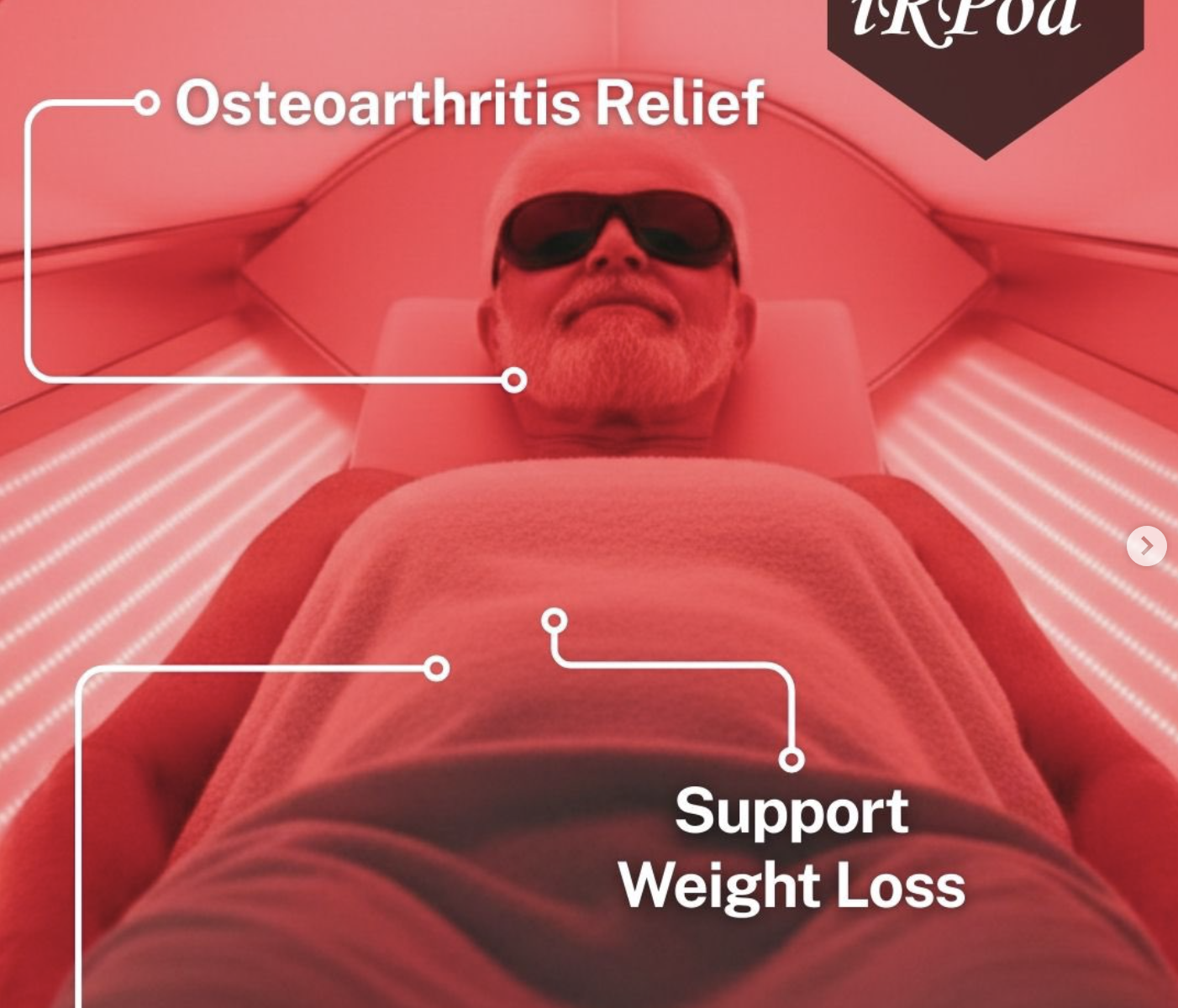
Pain relief is one of the biggest reasons. Red and infrared light therapy is commonly used to support reduced inflammation, improved circulation and tissue repair. For people with arthritis, muscular tension, old injuries or post-surgical discomfort, that can translate to better movement and less day-to-day aggravation.

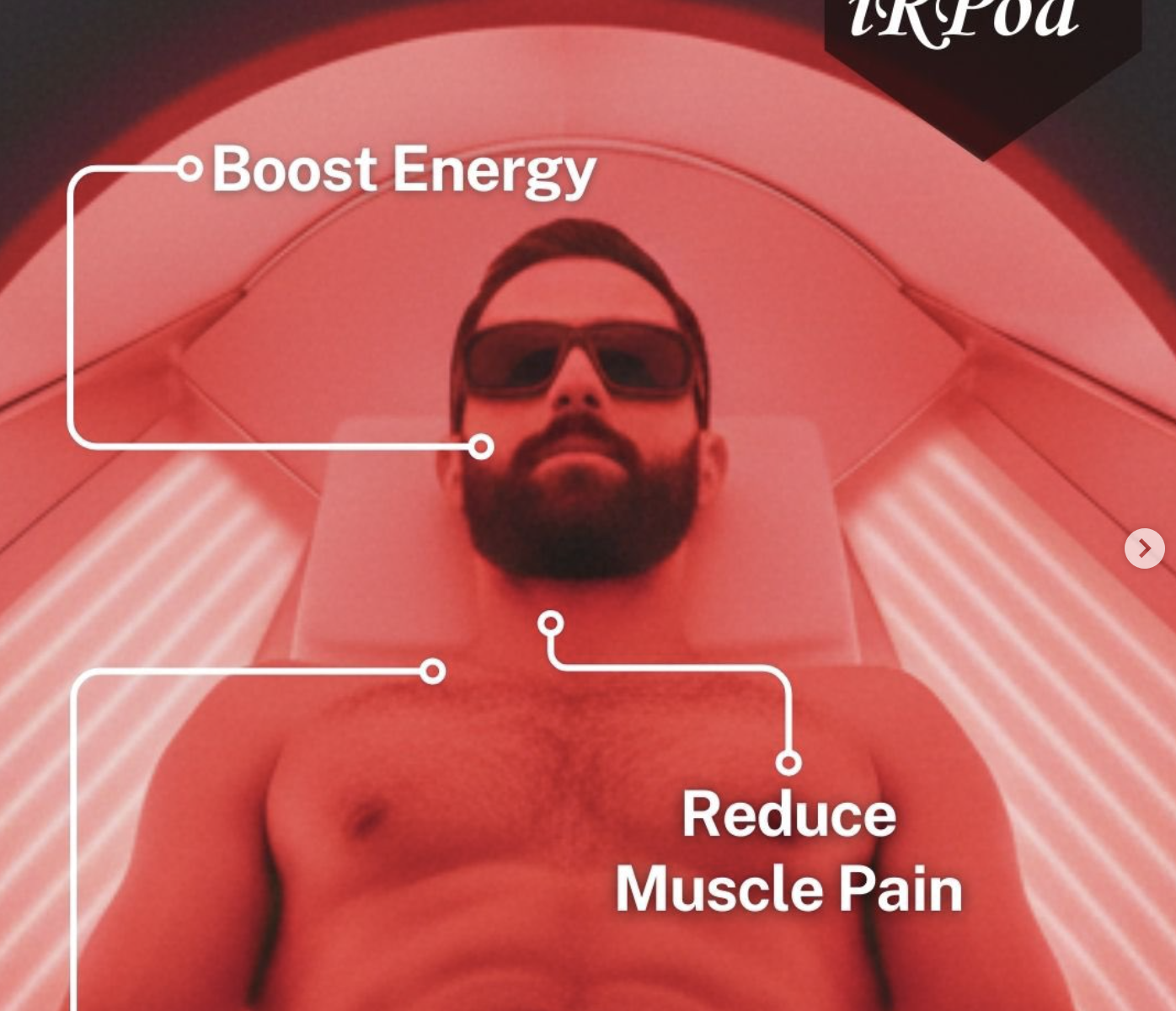
Recovery is another major driver. Athletes and active adults often use PBM to support muscle recovery, reduce exercise-related soreness and help the body bounce back faster between training sessions. The value here is not just comfort. Better recovery can improve consistency, and consistency is what drives long-term performance.

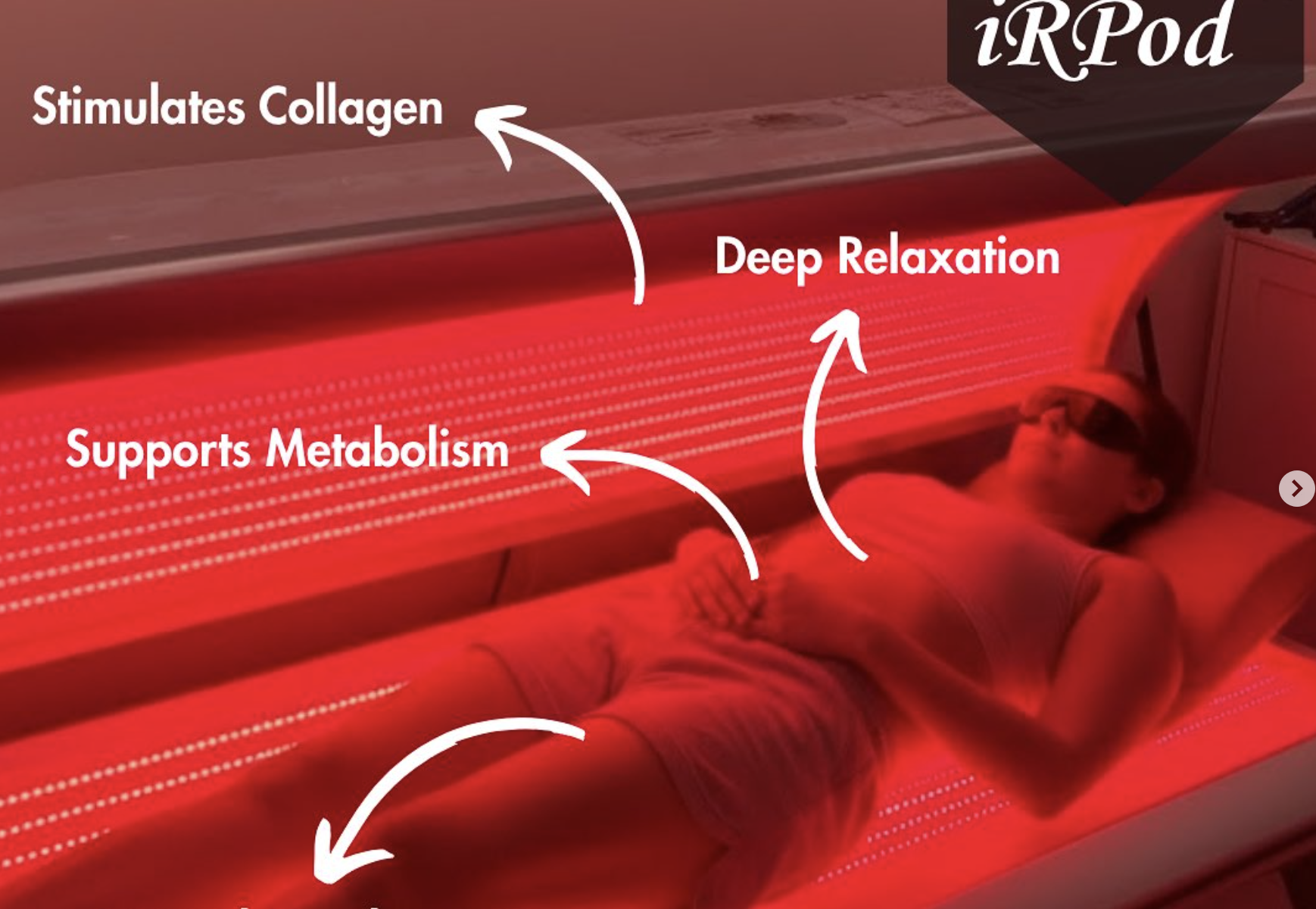
Skin is a strong motivator too. Red light is widely associated with collagen support, skin rejuvenation and improved skin tone. Full-body delivery takes that beyond facial treatment alone, which appeals to clients who want a more comprehensive anti-ageing and wellness approach.

Then there are the less visible but equally meaningful goals: better sleep, improved mood, more energy and a greater sense of balance. Those outcomes can be harder to measure immediately, but they are often the reason people continue with a course of sessions.

How a session feels in practice

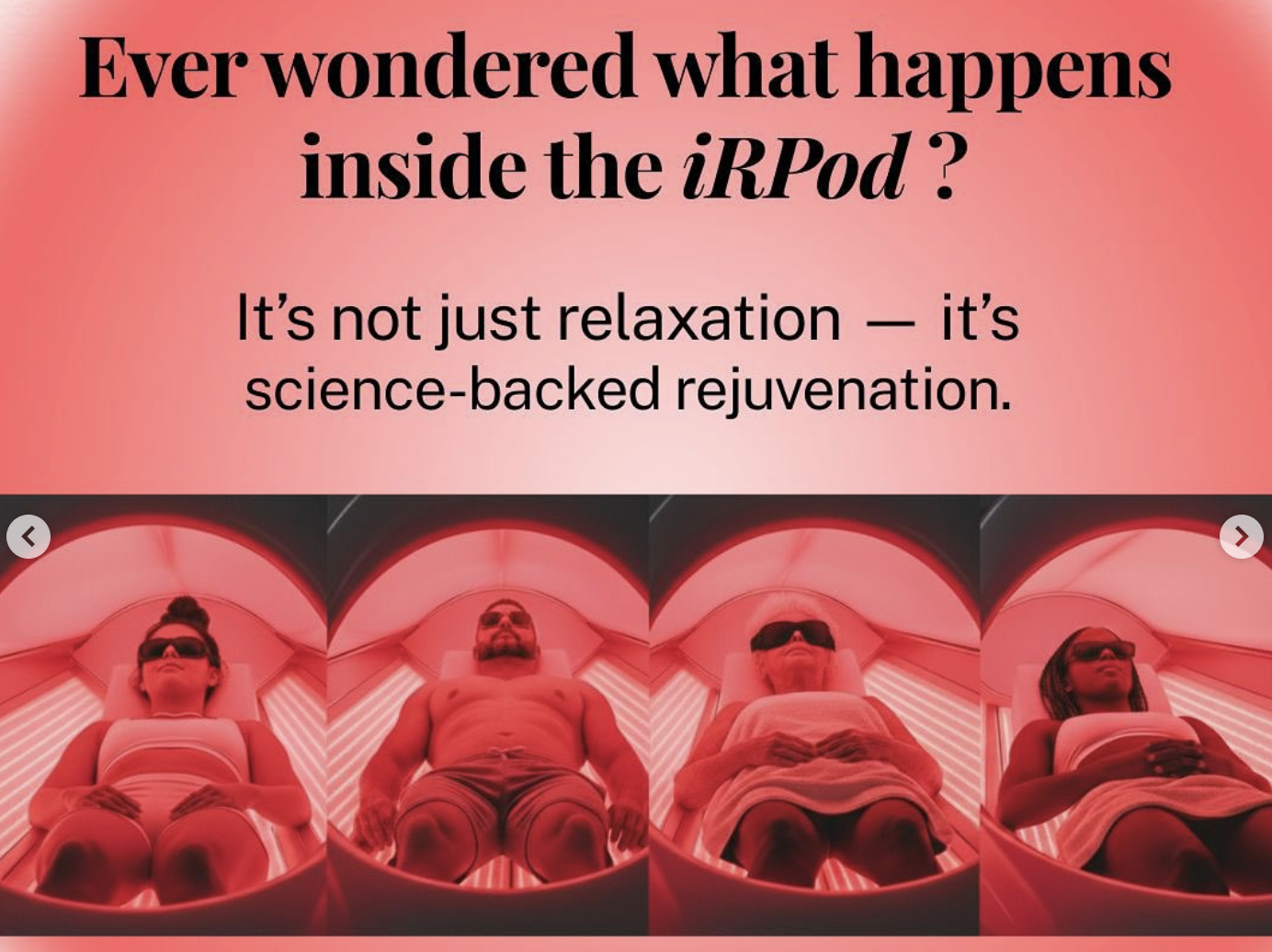
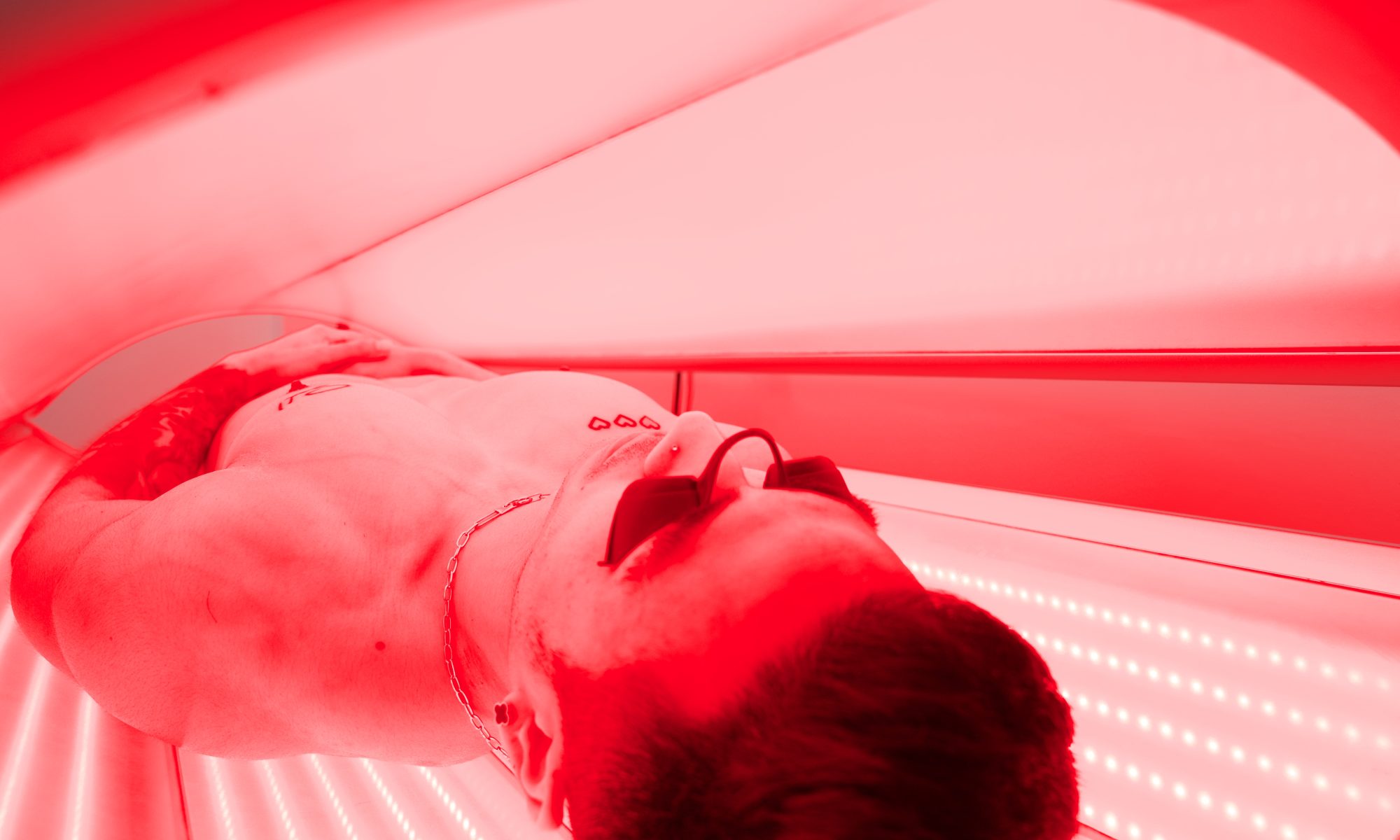
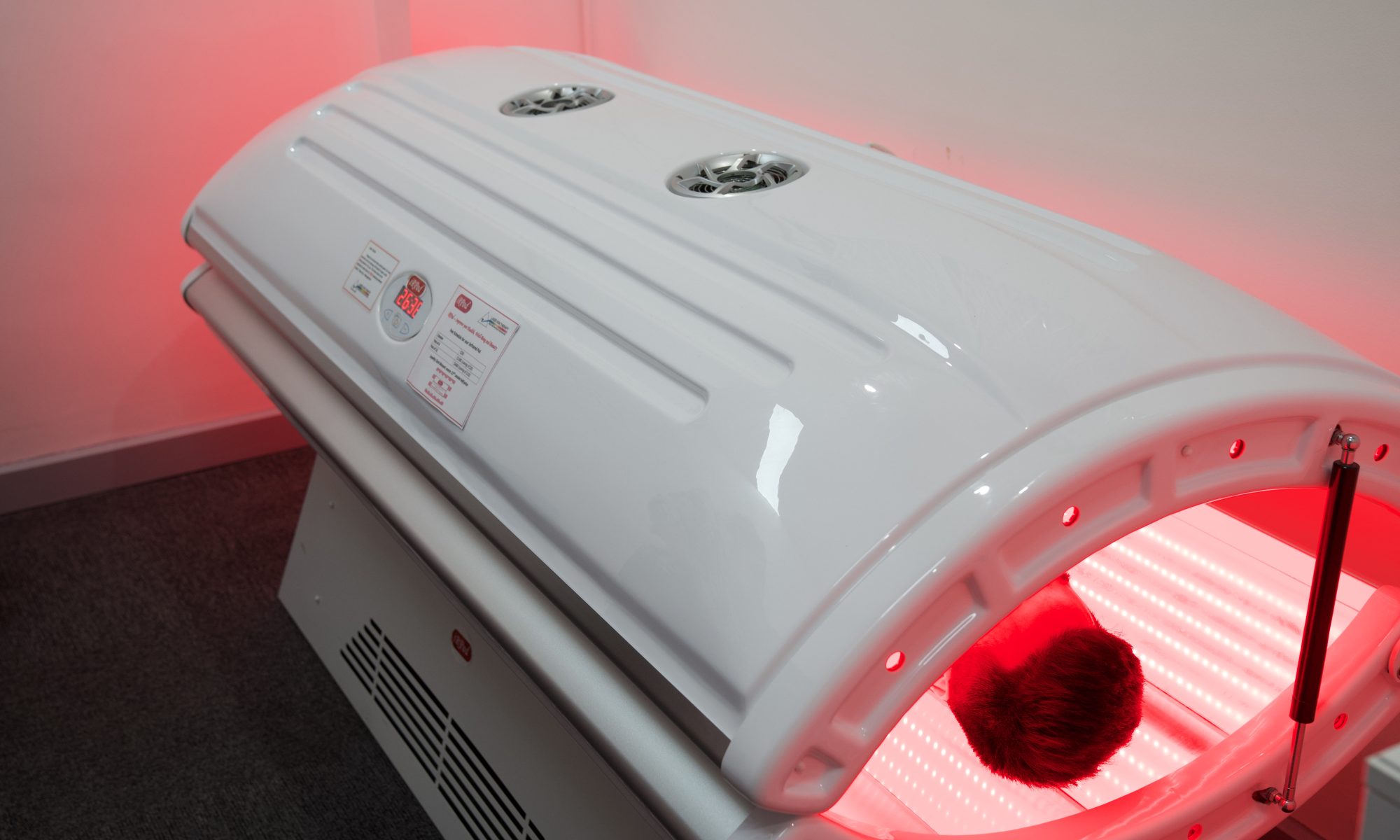
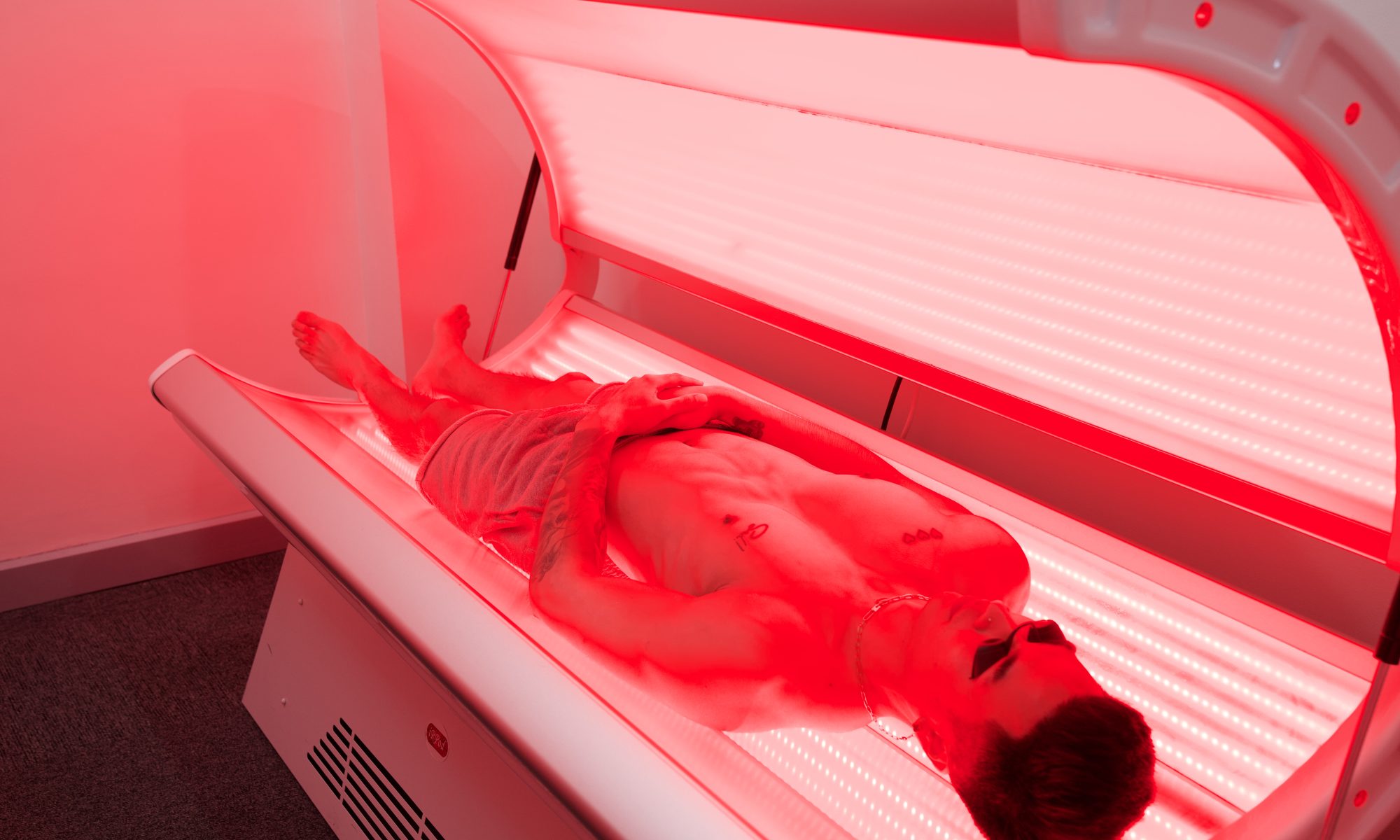
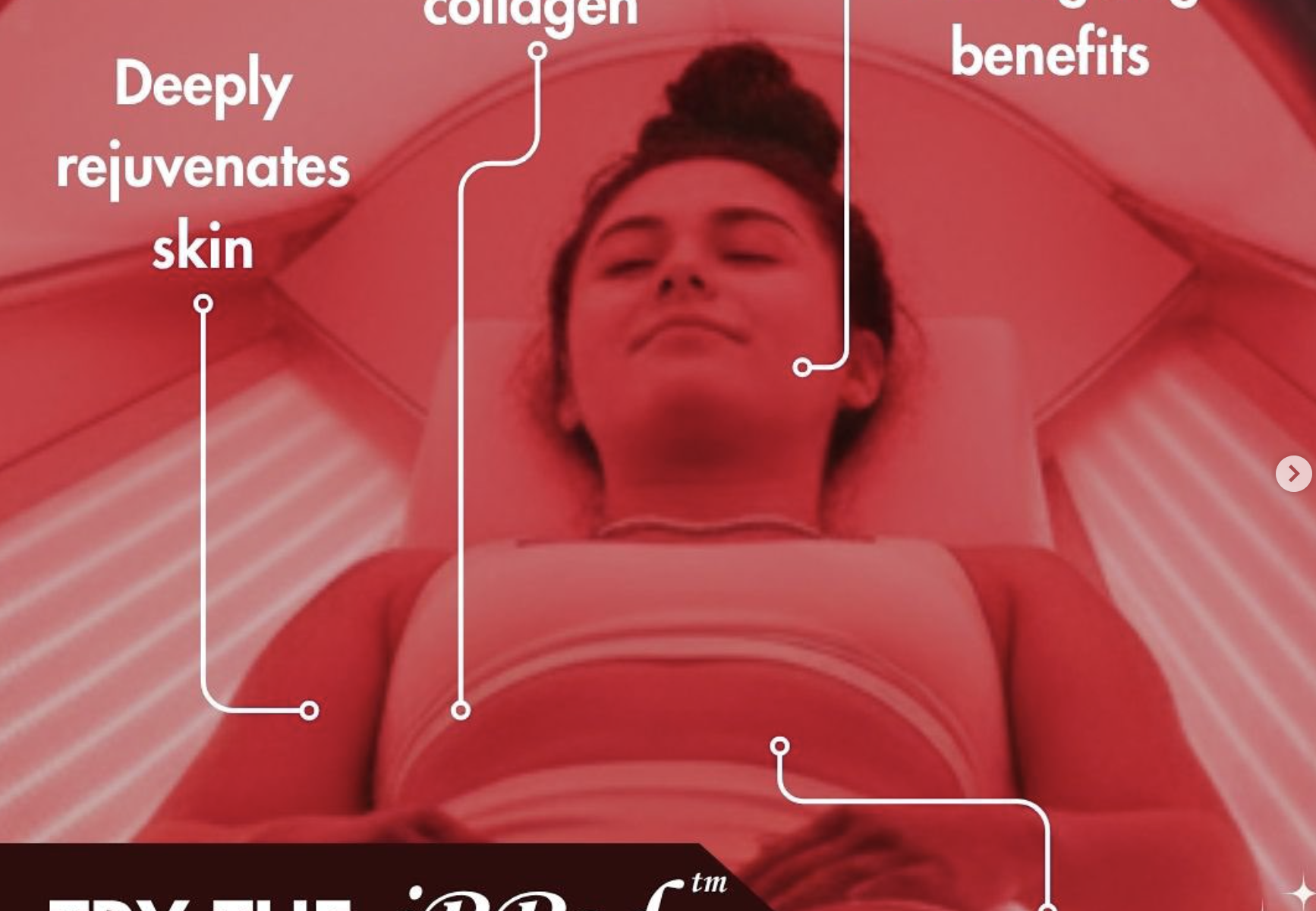
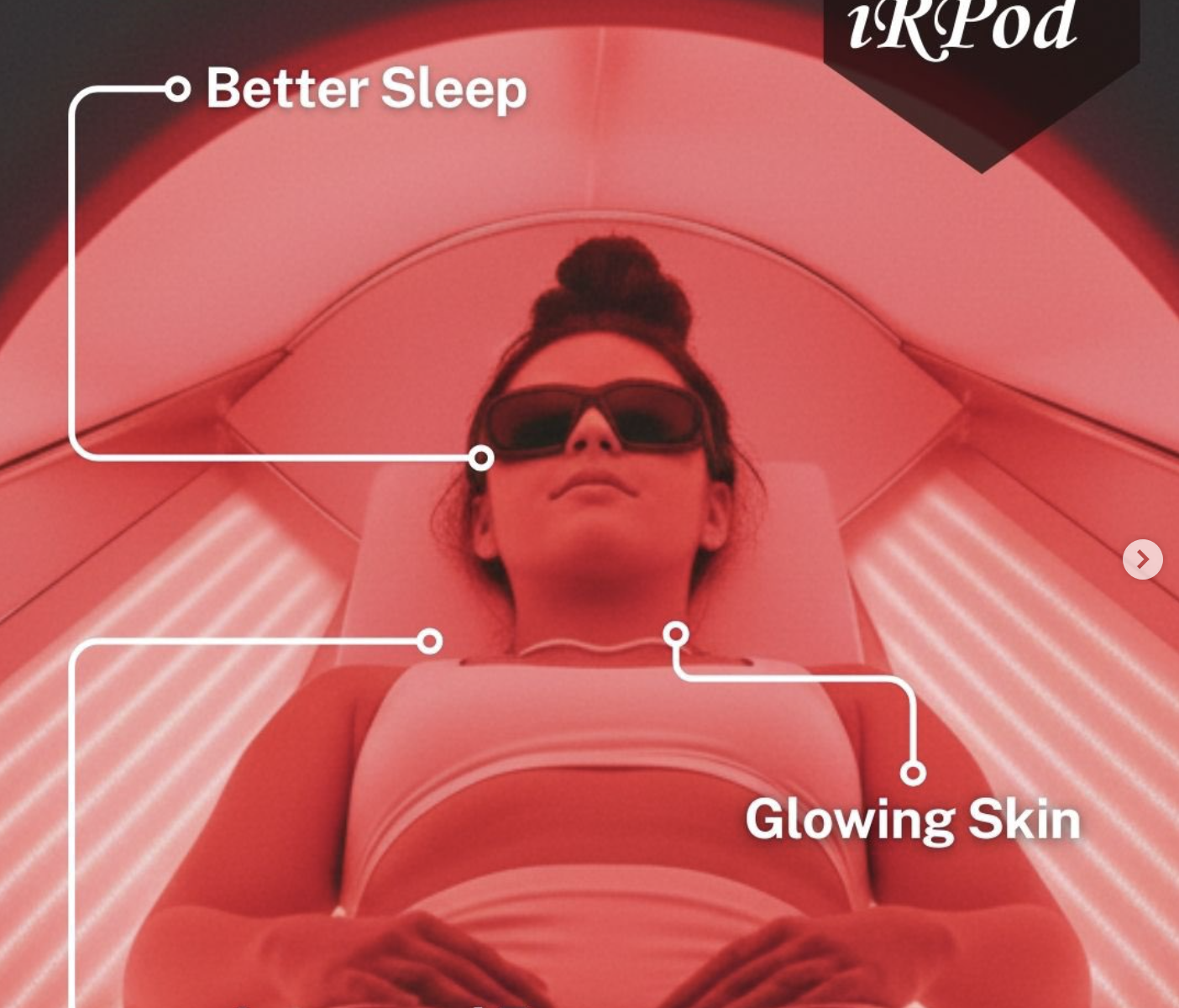
One reason people are drawn to this treatment is that it is non-invasive and generally comfortable. There are no needles, no downtime and no recovery period in the usual sense. You lie in a full-body pod while red and infrared light is delivered across the body for a set treatment time.

A properly designed system should feel controlled and comfortable, not harsh or overwhelming. Temperature management matters. So does treatment consistency. These details are easy to overlook in marketing, but they are part of what separates clinical-grade delivery from lower-spec options.

Most sessions are around 30 minutes. That is long enough to be meaningful, but practical enough to fit into a working week. Many people schedule treatment around training, busy work periods or recovery windows because convenience makes adherence easier.

Does it actually work?

This is the right question, and it deserves a straight answer. The evidence behind photobiomodulation is promising across a range of applications, particularly in pain, tissue healing, inflammation, circulation and recovery. There is also growing interest in its use for sleep, mood and skin outcomes.

But results are not identical for everyone. The condition being treated matters. The wavelength matters. The dose matters. The power output, session frequency and treatment consistency all matter. So does the quality of the device and whether it is being used within a clinically informed framework.

That is why people often get mixed impressions online. They may have tried a small home device with limited output and assumed the therapy itself does not work. Or they may have expected one session to resolve a chronic issue that has been developing for years. Full-body LED therapy tends to perform best as part of a treatment plan rather than a one-off novelty.

Who may benefit most

People with persistent pain conditions often find the whole-body model more appealing than isolated treatment. If discomfort is widespread rather than local, broader coverage makes practical sense.

The same applies to people living with fatigue-related conditions, high training loads or post-surgical recovery demands. When the body is under broader physiological stress, systemic support can be more useful than treating one area in isolation.

It also suits people who want a treatment that sits between healthcare and wellness. Some clients come for pain or recovery. Others come because they want to look fresher, sleep better and feel more energised without adding another invasive procedure or medication to the mix.

If you are in Melbourne and weighing up options, the key is not simply finding a light therapy service. It is finding a provider with a strong clinical grounding, high-output whole-body delivery and a treatment approach based on real outcomes rather than hype.

What to look for in a provider

Not all LED therapy is built the same, and this is where many people get caught out. A premium full-body system should use therapeutic red and infrared wavelengths, deliver adequate intensity, and provide even whole-body coverage in a comfortable treatment environment.

Clinical credibility matters just as much as hardware. You want a provider that understands photobiomodulation beyond surface-level wellness claims. That includes knowing when treatment may help, when results may take time, and when expectations need to be realistic.

At the stronger end of the market, clinics are pairing full-body LED delivery with established low-level laser therapy knowledge and structured treatment planning. That combination tends to inspire more confidence because it is built around both technology and experience. That is part of why iRPod has positioned itself as a leader in this space.

The smarter way to think about results

The biggest mistake is expecting full-body LED therapy to act like a quick cosmetic fix or an instant pain switch. Some people notice benefits quickly, especially in relaxation, mood, sleep quality or post-training soreness. Others need several sessions before change becomes more obvious.

A better question is whether the therapy supports positive change over time. Can it help reduce the baseline level of pain? Can it improve recovery capacity? Can it support better skin quality, less stiffness, steadier energy or more restful sleep? Those are the outcomes that make treatment worthwhile.

That is also why a short treatment series often makes more sense than judging the therapy on a single visit. In many cases, consistency is what gives the body the chance to respond.

Full-body LED therapy is not about doing more for the sake of it. It is about treating the body in a way that matches how the body actually works – connected, adaptive and always responding to the environment around it. When the technology is clinically sound and the treatment plan is well considered, that can be a very practical place to start if you want to look better, feel better and perform better without adding more strain to the system.

Skin Rejuvenation Light Therapy Explained

Skin Rejuvenation Light Therapy Explained

A lot of people start looking into skin rejuvenation light therapy after they notice the little shifts that creams do not quite fix – dullness, uneven tone, slower healing, fine lines that seem to settle in all at once. The real appeal is not hype. It is the fact that light, used at the right wavelengths and dose, can support how skin functions at a cellular level without needles, heat damage or downtime.

That matters if you want better-looking skin but also care about comfort, consistency and long-term skin health. For many adults, especially those juggling work, training, stress or recovery from illness, the best treatment is often the one they can actually stick with.

What skin rejuvenation light therapy actually does

Skin rejuvenation light therapy usually refers to red and near infrared light delivered at therapeutic wavelengths to encourage photobiomodulation. In simple terms, the light penetrates the tissue and is absorbed by parts of the cell involved in energy production. This can help support ATP production, reduce oxidative stress and influence the biological processes linked with repair and inflammation.

For skin, that can translate into better support for collagen, improved circulation, calmer redness and a healthier overall appearance. Some people notice their skin looks fresher and more even. Others are more interested in how it feels – less irritated, less reactive and quicker to recover after stress, travel, training or cosmetic procedures.

It is not a magic switch, and it does not work like a resurfacing treatment. You are not forcing the skin into trauma so it rebuilds. You are giving the tissue a non-invasive stimulus that may help it perform better. That distinction is why light therapy appeals to people who want results without the trade-off of peeling, discomfort or time off social plans.

Why red and infrared light are used for skin rejuvenation

Not all light is therapeutic. The wavelengths matter, the power matters and the treatment design matters. Red light is often discussed for skin-facing outcomes because it interacts well with more superficial tissue. Near infrared reaches deeper and can support broader tissue health beneath the surface.

When these wavelengths are delivered properly, they may help with collagen support, skin tone, post-inflammatory redness and the visible signs of fatigue. This is one reason skin rejuvenation light therapy is increasingly used by people who are not only chasing anti-ageing outcomes, but also looking for a more complete wellbeing approach.

If your sleep is poor, stress is high and recovery is lagging, your skin usually shows it. A treatment that supports broader recovery pathways may offer more than a cosmetic payoff. Better skin can be part of a bigger picture.

Full-body skin rejuvenation light therapy vs localised devices

This is where treatment quality starts to separate. A small handheld device or face mask may still have a role, especially for maintenance at home, but there are clear limits. Coverage is narrow, output varies and consistency can be hard to achieve.

A full-body photobiomodulation system changes the equation. Instead of treating a single patch of skin, it exposes the body more evenly to therapeutic red and infrared light. That matters because skin health is not only local. It is influenced by circulation, inflammation, recovery capacity and general cellular energy.

For clients who want visible skin benefits while also supporting sleep, soreness, fatigue or exercise recovery, full-body delivery is a stronger fit. It is efficient, comfortable and practical. You are not trying to chase results centimetre by centimetre.

At an established clinic using a dedicated PBM pod, treatment is also more controlled. Light density, coverage and session time are designed to deliver a consistent therapeutic dose. That is a very different proposition from guessing your way through a beauty gadget at home.

What results can you realistically expect?

The honest answer is that it depends on your starting point, your skin concerns and how regularly you commit to treatment. Some clients notice a fresher look after a few sessions, particularly if dullness, dryness or mild redness are the issue. Fine lines, skin firmness and more established signs of ageing usually take longer.

Light therapy tends to reward consistency rather than intensity. One session before a big event may help the skin look more rested, but a series is where the more meaningful changes often show up. That is because collagen support and skin recovery are biological processes, not overnight cosmetic tricks.

It is also worth being realistic about what light therapy will not do. It will not replace surgery for significant skin laxity, and it will not act like an injectable for dynamic wrinkles. Where it performs strongly is in overall skin quality – tone, clarity, calmness, texture support and a healthier-looking complexion.

Who tends to benefit most

People who respond well to skin rejuvenation light therapy are often looking for a safer, drug-free and non-invasive option. They want to improve how they look, but they also care about how they feel.

That includes adults noticing early to moderate signs of skin ageing, people with tired or stressed-looking skin, those recovering from intense training or poor sleep, and anyone wanting support after environmental or lifestyle strain. It can also suit people who do not want aggressive treatments or whose skin does not tolerate them well.

For some, the skin goal is the entry point. Then they start noticing they are sleeping better, recovering faster or feeling less run down. That broader response is one reason photobiomodulation has gained so much traction in wellness and recovery settings, not only in beauty conversations.

When to be cautious

Good therapy still requires good judgement. Light therapy is widely regarded as safe when delivered properly, but that does not mean every person should jump straight in without screening. If you have a photosensitive condition, are taking medication that increases light sensitivity, or have a medical concern that needs assessment, you should discuss that before treatment.

It also pays to be wary of exaggerated promises. If a provider suggests one session will erase years of skin ageing, that is marketing talking louder than science. Evidence-based care should sound confident, but it should also sound measured.

The best providers explain both the upside and the limits. They will talk about cumulative effects, session planning and why dose matters. That level of detail usually signals that the treatment is being delivered as a genuine therapeutic service, not just sold as another beauty trend.

Why treatment design matters as much as the light itself

A common mistake is to think all red light therapy is basically the same. It is not. Wavelength selection, power output, treatment duration and how much of the body is exposed all influence results. So does the environment. If a device is uncomfortable, inconsistent or awkward to use, adherence drops off.

That is why a professional whole-body system has a clear advantage for many clients. A 30-minute session in a temperature-controlled PBM pod is easy to build into a routine. You simply lie back and let the treatment do the work. There is no recovery time, no skin trauma and no need to reorganise your week around it.

For busy professionals and active adults, that ease matters. Results are always tied to consistency, and consistency is far easier when the treatment feels restorative rather than disruptive.

Skin goals are valid – but better skin often starts below the surface

The most useful way to think about skin rejuvenation light therapy is not as a cover-up, but as support. Healthy-looking skin is often a visible sign that the tissue is recovering well, inflammation is better managed and the body is coping more effectively with daily load.

That is what makes photobiomodulation such a strong fit for modern skin concerns. Many people are not ageing badly. They are simply carrying too much stress, too little sleep and too much inflammatory load. Their skin reflects that.

A clinically grounded, full-body approach gives you a chance to address that picture more intelligently. At iRPod, that means advanced red and infrared light therapy designed to help clients look better, feel better and perform better, without chasing harsh interventions first.

If you are choosing your next step, look for a treatment that respects biology, not just marketing. Skin tends to respond best when you give it the right conditions, then repeat them long enough for change to become visible.

A Guide to Non Invasive Recovery

A Guide to Non Invasive Recovery

When your body is already under pressure, the last thing you want is a recovery plan that adds more strain. That is why a guide to non invasive recovery matters. Whether you are managing persistent pain, bouncing back after training, healing post-surgery, or simply trying to get your energy and sleep back on track, the goal is the same – support the body without creating another problem to solve.

For many adults, recovery is no longer just about rest and waiting. It is about choosing therapies that work with the body’s natural repair processes, reduce unnecessary load, and fit into real life. The shift is clear. People want evidence-based options that feel safe, practical, and sustainable, especially when medication-heavy pathways have not delivered the outcome they hoped for.

What non invasive recovery actually means

Non invasive recovery refers to treatments and strategies that support healing, pain reduction, tissue repair, and overall wellbeing without surgery, injections, or significant physical disruption to the body. That sounds straightforward, but there is nuance.

A recovery option can be non invasive and still vary widely in quality, intensity, and likely results. Some approaches are passive, like compression or heat. Others are more biologically active, like photobiomodulation, where specific wavelengths of red and infrared light are used to support cellular function. The key difference is that the body is being supported, not forced.

That matters because recovery is rarely one-dimensional. A person with arthritis may want less pain and better mobility. A busy professional dealing with poor sleep and fatigue may be looking for improved energy and mood. Someone recovering from a workout, injury, or cosmetic procedure may want faster tissue repair with minimal downtime. Non invasive care can meet those goals, but the right option depends on what is driving the problem.

A guide to non invasive recovery options

The best non invasive recovery plans usually combine a few sensible foundations with one or two targeted therapies. That is where people often get better results – not from chasing every new treatment, but from matching the treatment to the outcome they actually want.

Sleep, stress, and nervous system load

If recovery feels slow, your nervous system may be part of the story. Poor sleep, chronic stress, and mental overload can keep the body in a state that is not ideal for repair. You may be doing all the right things physically and still feel flat, sore, or inflamed.

This is why high-performing people often hit a wall. They train hard, work hard, and then wonder why their body stops responding. Recovery requires energy. If stress is constantly chewing through your reserves, tissue healing and pain modulation can lag behind.

Non invasive approaches that help calm the system can be useful here. Breathwork, gentle movement, and consistent sleep routines all have a place. So do therapies that support relaxation while also acting at a cellular level.

Manual and movement-based support

Physiotherapy, remedial massage, mobility work, and tailored exercise can all play a role in non invasive recovery. These options can improve movement quality, reduce stiffness, and help restore function over time.

The trade-off is that they are not always enough on their own, particularly when fatigue, chronic pain, inflammation, or delayed healing are involved. Movement-based therapy is valuable, but if the body is struggling to produce enough energy for repair, progress can be slower than expected.

That is where adjunctive therapies can become more than a nice extra. They can help create better conditions for the body to respond.

Photobiomodulation and light therapy

One of the most advanced options in any serious guide to non invasive recovery is photobiomodulation, also known as PBM. This therapy uses specific red and infrared light wavelengths to stimulate cellular processes linked to repair, circulation, inflammation management, and energy production.

The mechanism is one reason PBM has gained so much attention. Light at therapeutic wavelengths can be absorbed by the mitochondria, supporting ATP production. ATP is the energy currency your cells use for repair and function. When ATP production improves, the body may be better equipped to heal tissue, manage oxidative stress, and recover from physical load.

That does not mean PBM is a magic fix. Results vary depending on the condition, the frequency of treatment, and the quality of the device being used. But it does make it a compelling option for people who want a drug-free, non-invasive therapy with broad applications.

For chronic pain, sports recovery, fatigue, skin rejuvenation, post-surgical healing, and general wellbeing, whole-body PBM offers a wider treatment footprint than localised devices. That can matter when symptoms are systemic rather than isolated to one small area.

Why whole-body therapy changes the conversation

A lot of recovery tools target one joint, one muscle group, or one symptom. Sometimes that is appropriate. If you have a single strained calf, a localised treatment may be enough. But many people are not dealing with a neat, isolated issue.

Chronic fatigue syndrome, fibromyalgia, poor sleep, widespread inflammation, stress-related depletion, and even post-training soreness can affect the whole system. In these cases, full-body support can make more sense than spot treatment.

Whole-body red and infrared light therapy is designed to expose more of the body to therapeutic wavelengths in a single session. That broader coverage can support people who want more than pain relief in one area. They may also be chasing better sleep, more consistent energy, improved mood, faster recovery after exercise, and healthier-looking skin.

This is where advanced PBM delivery stands apart from many consumer-grade light devices. Clinical systems with high-output, controlled full-body delivery are built for treatment consistency and therapeutic intent. That distinction matters if you are investing in recovery and want more than a wellness trend.

Who benefits most from non invasive recovery

The strongest candidates are usually people who want measurable support without adding more burden to the body. That includes adults living with persistent pain, those recovering from surgery or injury, active people wanting to perform better, and anyone dealing with the compounding effect of poor sleep, stress, fatigue, and inflammation.

It can also be a strong fit for people who are simply tired of bouncing between short-term fixes. If your current plan only masks symptoms, non invasive therapies may offer a more strategic way to support underlying recovery processes.

There is, however, an important reality check. Non invasive does not mean instant. It often works best as a course of care rather than a one-off session. Some people feel a change quickly. Others need repeated sessions before the benefit becomes obvious. That is particularly true with chronic conditions, where the body may need time and consistency to respond.

How to choose the right recovery approach

Start with the outcome, not the marketing. Do you want less pain, faster healing, more energy, better sleep, or support for athletic recovery? A good treatment should have a clear rationale for that goal.

Then consider whether the issue is local or systemic. A sore shoulder after a weekend match is different from body-wide fatigue and inflammation. The more widespread the issue, the more useful whole-body strategies become.

Safety and credibility should also be non-negotiable. Look for therapies with a clear evidence base, proper clinical application, and a treatment setting that can explain how and why the therapy is being used. If a provider cannot explain the mechanism or the expected treatment plan, that is worth questioning.

Finally, think about what you can actually stick with. Recovery should be realistic. A treatment that fits into a 30-minute appointment and supports multiple goals at once can be more practical than trying to patch together five different appointments each week.

The future of recovery is lower load and higher intelligence

The old model was often simple – push through, numb the symptoms, wait it out. That is changing. People are becoming more selective and more informed. They want therapies that are safe, clinically grounded, and aligned with how the body heals.

That is exactly why non invasive recovery is gaining momentum. It offers a way to support performance, healing, and wellbeing without escalating stress on the body. In a clinic setting, advanced therapies such as whole-body photobiomodulation are making that support more targeted, more comfortable, and more accessible.

For people in South Yarra and across Melbourne looking for a modern recovery option, that matters. You should not have to choose between clinical credibility and feeling cared for. The best recovery support gives you both.

If your body has been asking for a better plan, listen to it. The smartest recovery path is often the one that helps you look better, feel better, and perform better without asking your system to pay a higher price.

Red Light Therapy for Athletes: Does It Work?

Red Light Therapy for Athletes: Does It Work?

The hard part of training is not always the session itself. It is backing up tomorrow with legs that are not trashed, a shoulder that settles down, and energy that holds through a full workday as well as a hard block of exercise. That is exactly why red light therapy for athletes is getting serious attention. Not as a gimmick, and not as a magic shortcut, but as a non-invasive recovery tool that may help the body repair, restore and perform better.

For active people, recovery is where progress is either protected or lost. If you are training consistently, playing weekend sport, returning from injury, or simply trying to stay strong without carrying constant soreness, photobiomodulation deserves a closer look.

What red light therapy for athletes is actually doing

Red and near-infrared light therapy works by delivering specific wavelengths of light into tissue. This process is known as photobiomodulation, or PBM. The goal is not to heat the body like a sauna or shock the system like an ice bath. It is a cellular treatment designed to support how the body naturally recovers.

At a basic level, these wavelengths are understood to interact with mitochondria, the part of the cell involved in energy production. That may help support ATP production, which matters because ATP is the usable energy cells rely on for repair and function. PBM is also associated with helping regulate oxidative stress and supporting circulation, both of which are relevant when tissues are under load from training.

For athletes, that matters in practical terms. Muscle fatigue, post-session tightness, inflammatory responses, tendon irritation and poor recovery all have a cellular component. If recovery improves at that level, the visible result may be less soreness, better movement quality and a stronger ability to train again sooner.

Where the benefits may show up first

Most active clients are not looking for a lecture on cellular biology. They want to know whether they will feel a difference. Often, the first noticeable changes are recovery-related.

Soreness and training load

Delayed onset muscle soreness can blunt performance for days, especially when life outside training is already busy. Red and infrared light therapy may help reduce the intensity and duration of soreness after heavy sessions. That does not mean you will never feel hard training again. It means the rebound may be smoother, and that can make consistency easier.

Soft tissue support

Athletes frequently deal with niggles rather than dramatic injuries. Tight calves, irritated knees, cranky shoulders and overloaded lower backs sit in that frustrating middle ground where you can still move, but not at your best. PBM is commonly used to support tissue healing and pain reduction, which is why it appeals to people trying to stay active while managing overuse issues.

Sleep and readiness

Recovery is not just about muscles. Poor sleep drags down output, motivation, reaction time and resilience. Many people pursuing red and infrared therapy are also trying to improve sleep quality and general wellbeing. That broader recovery effect can be just as valuable as the local tissue response, especially for athletes balancing training with work, parenting and daily stress.

Does the research support it?

The short answer is yes, but with context. The evidence around photobiomodulation is promising, particularly in areas such as muscle performance, recovery, pain reduction and tissue repair. It has been studied for decades and is not a fringe concept. That said, outcomes depend on dose, wavelength, timing, treatment area and treatment consistency.

This is where many people get confused. They hear that red light therapy works, buy a small panel or use an underpowered device a handful of times, then wonder why the result is underwhelming. PBM is not just about exposure to red light in a vague sense. It is about delivering the right wavelengths at the right intensity and for the right duration.

That is also why full-body systems can be appealing for active clients. Sport does not only stress one isolated point. Training load affects muscles, connective tissue, circulation, nervous system regulation and recovery capacity more broadly. A whole-body treatment can better match that reality than trying to chase one sore spot at a time.

Why treatment format matters more than people think

Not all red light therapy is equal. Some systems are built for localised use on a small area. Others are designed to deliver broad, whole-body coverage. For athletes, that difference can be significant.

If you are dealing with one specific issue, such as an ankle or elbow, a targeted treatment may make sense. But if your goal is overall recovery, reduced muscle fatigue, better sleep and support across multiple areas under load, broader delivery has clear advantages. It is more efficient, and it reflects how athletes actually use their bodies.

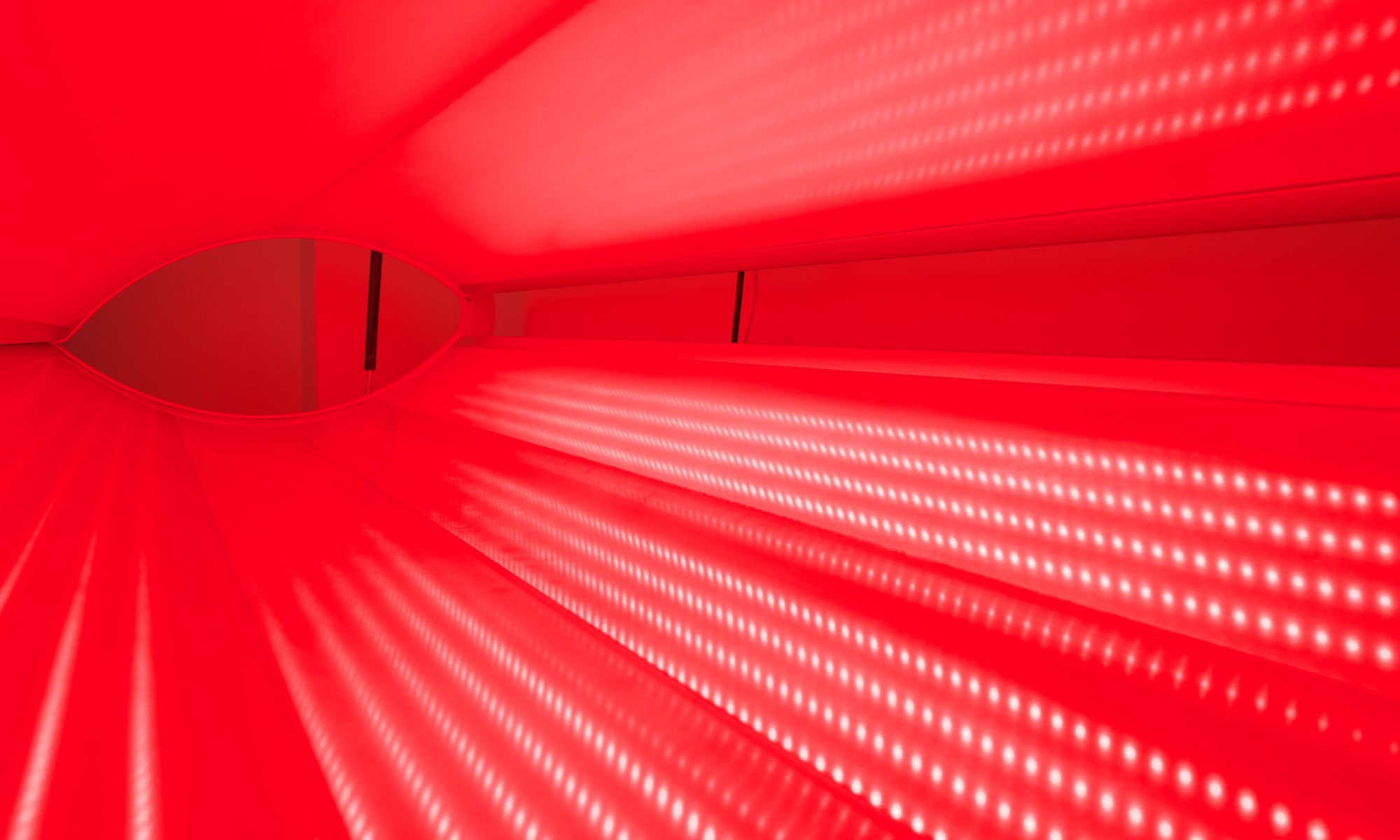
At clinics using advanced PBM pods, clients can receive treatment through thousands of temperature-controlled lights across the full body in a single session. That kind of setup is built for people who want a serious recovery intervention rather than a novelty wellness add-on. In a market full of devices making big claims, that distinction matters.

When athletes tend to use it

There is no single perfect schedule for everyone, because training demands vary. A recreational runner preparing for an event has different needs to a gym-goer lifting four times a week, and both differ from someone returning after surgery or a sports injury.

Some athletes use red light therapy before training blocks with the aim of supporting performance and readiness. Others use it after training to help recovery and soreness. Many do best with a structured course over several sessions, especially when there is a clear issue they are working through. Like most evidence-based recovery therapies, consistency usually outperforms one-off use.

If you are already pushing through fatigue, carrying inflammation, or trying to stay active while managing pain, expecting a single session to solve everything is unrealistic. The better question is whether repeated treatment can support measurable improvement over time. In many cases, that is where PBM becomes genuinely useful.

Who is most likely to benefit

Red light therapy for athletes is not only for elite sport. In fact, it may be most valuable for people who train hard while also living full, busy lives.

That includes runners, cyclists, gym members, tennis players, footballers, swimmers and people doing regular strength or high-intensity training. It also includes older active adults who recover more slowly than they used to, and people returning to exercise after injury, surgery or a long period of inconsistency.

There is also a practical benefit for those who want a drug-free option. If you are trying to avoid leaning too heavily on pain medication or anti-inflammatories just to keep moving, PBM can sit well within a broader recovery plan that values safety and non-invasive care.

What it can and cannot do

This is where a bit of honesty matters. Red light therapy can be powerful, but it is not a replacement for smart programming, quality sleep, good nutrition, physiotherapy when needed, or proper medical advice. If your load management is poor, your technique is off, or you are ignoring a more serious injury, PBM will not erase that.

What it may do is improve the environment for recovery. It can help support healing, reduce pain, and make it easier to maintain momentum. For some athletes, that means recovering faster between sessions. For others, it means being able to train with less discomfort. And for plenty of people, it simply means feeling more ready, more mobile and less worn down.

The trade-off is that results are individual. Some people notice change quickly. Others improve more gradually, particularly if they are carrying long-standing inflammation, fatigue or complex pain patterns. That does not make the therapy less legitimate. It just means expectations should be grounded in how recovery really works.

A smarter way to think about performance support

Performance is not only built in the gym, on the track or on the field. It is built in what happens after. The athletes who keep progressing are usually the ones who recover well enough to train well again.

That is why therapies grounded in safety, science and repeatable outcomes are earning a permanent place in modern recovery. At an established PBM clinic such as iRPod in South Yarra, the appeal is not hype. It is the combination of whole-body technology, clinical credibility and a treatment experience that fits real life.

If your body is asking for better recovery, listen early. It is much easier to support performance when you are still moving forward than when soreness, fatigue and pain have already taken over.