
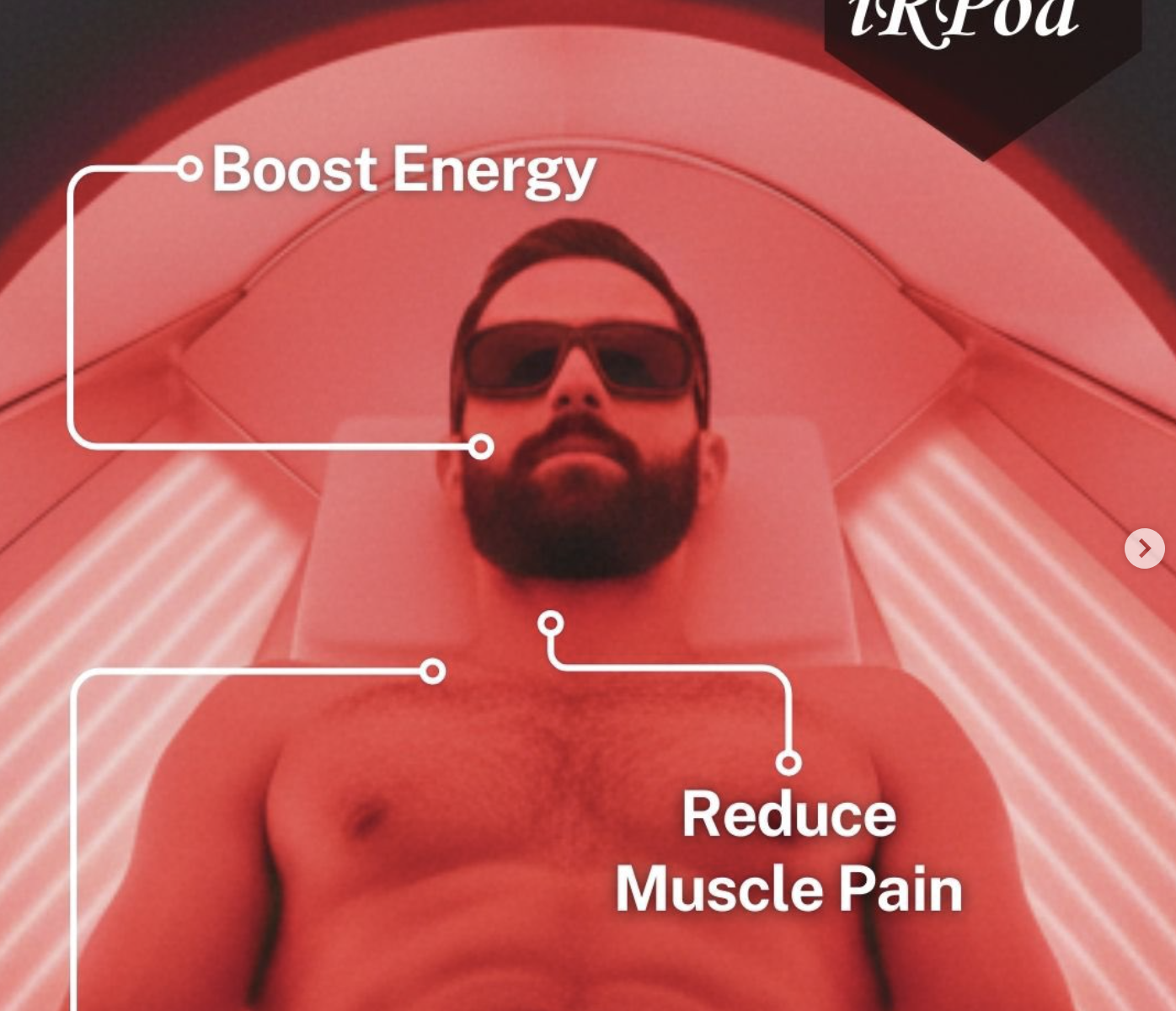
If you are weighing up photobiomodulation versus infrared sauna, the real question is not which one sounds more advanced. It is which therapy matches the result you actually want. Both use light in some form, both are positioned as non-invasive wellness options, and both can leave you feeling better. But they work very differently inside the body, and that difference matters.
For many people, the confusion starts with the word infrared. An infrared sauna uses heat to warm the body and create a whole-body thermal response. Photobiomodulation, or PBM, uses specific therapeutic wavelengths of red and near-infrared light to stimulate cellular activity without relying on high heat. That is why the two experiences can feel similar at a glance but deliver very different outcomes in practice.
Photobiomodulation versus infrared sauna: the core difference
The simplest way to understand photobiomodulation versus infrared sauna is this: one is primarily a heat therapy, the other is a light-based cellular therapy.
Infrared saunas are designed to raise body temperature. That heat can encourage sweating, increase circulation and create a relaxation response. Many people enjoy the sensation. It can feel restorative, especially after stress, long workdays or training blocks. If your goal is to unwind, sweat and enjoy the ritual of heat exposure, that may suit you well.
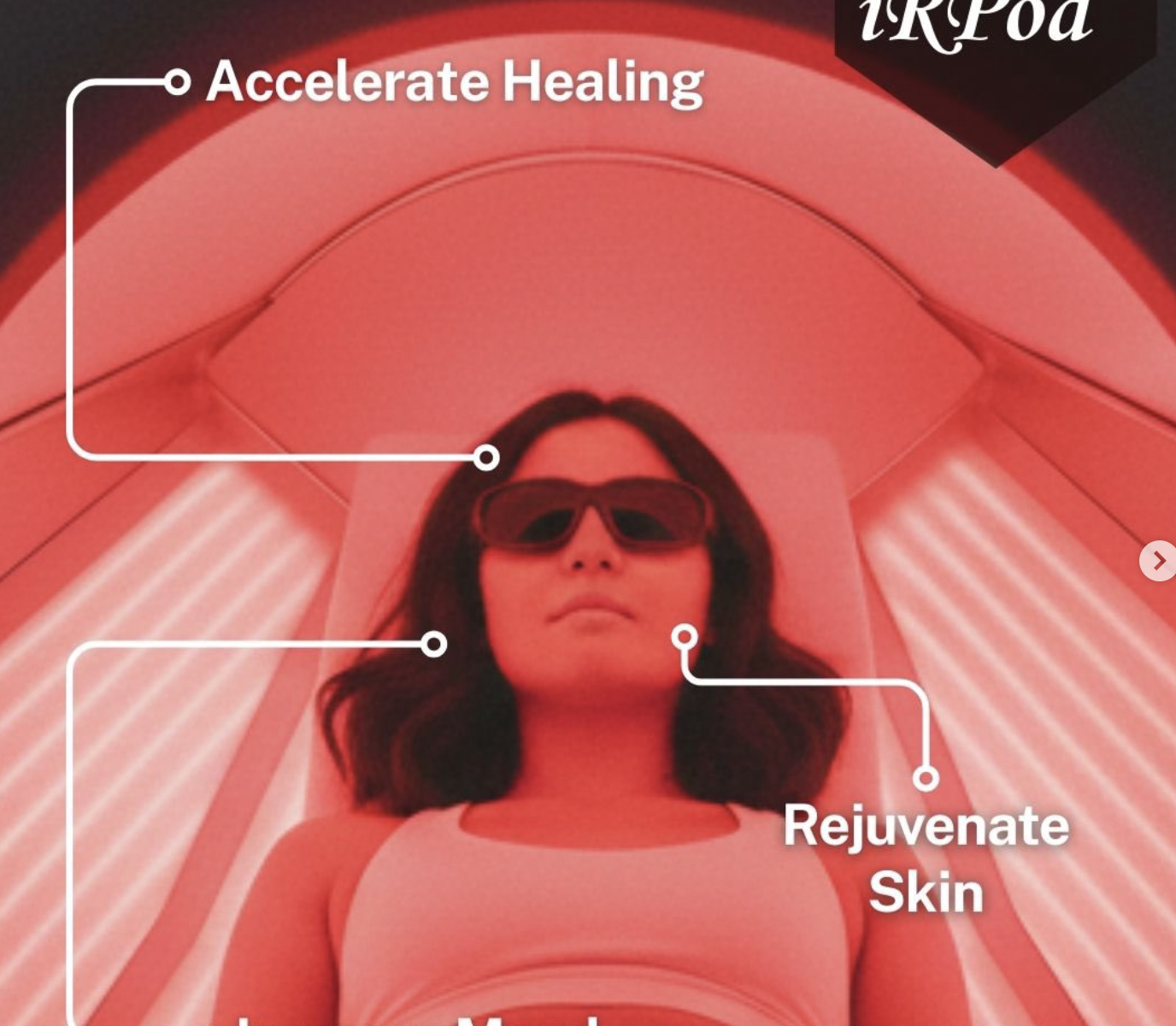
Photobiomodulation takes a different path. Instead of pushing the body through heat stress, it delivers carefully selected red and near-infrared wavelengths to the body’s cells. These wavelengths are associated with supporting mitochondrial function and ATP production. In plain terms, PBM aims to help cells perform more efficiently. That is why it is often chosen for pain management, tissue repair, recovery, skin rejuvenation, fatigue support and broader wellbeing outcomes.
This distinction is where a lot of marketing blurs the picture. Heat can be helpful. So can therapeutic light. But they are not interchangeable.
How each therapy works inside the body
An infrared sauna creates a systemic heat load. As your body warms up, blood vessels expand, heart rate can rise and sweating increases. Some people report feeling lighter, calmer and more mobile afterwards. Heat may also help loosen stiff muscles and support a temporary sense of relief.
PBM works at a cellular level. Red and near-infrared light penetrate tissue and are absorbed by structures within the cells, particularly the mitochondria. This process is linked to improved energy production, reduced oxidative stress and support for repair processes. That is why PBM is so often discussed in relation to healing, inflammation, soreness, recovery and skin health.
The practical takeaway is straightforward. Infrared sauna asks the body to respond to heat. Photobiomodulation aims to directly influence cellular function using light.
When heat helps and when it gets in the way
This is where the decision becomes personal.
Some people love heat and tolerate it well. Others do not. If you live with chronic fatigue, fibromyalgia, inflammatory pain, poor heat tolerance or post-surgical sensitivity, a hot environment may feel draining rather than therapeutic. Sweating your way through a session is not always a win if you leave feeling depleted.
That is one reason PBM stands out. Because it is non-thermal or very low heat, many clients find it easier to tolerate than an infrared sauna. You still receive a whole-body wellness treatment, but without the heavy thermal load that can be uncomfortable for people already managing pain, fatigue or nervous system overload.
This does not mean infrared sauna is ineffective. It means the right therapy depends on your condition, your physiology and your goal for treatment.
For pain, recovery and healing
If your focus is joint pain, soft tissue recovery, injury support or post-exercise soreness, PBM generally offers the more targeted therapeutic mechanism. That is because the value is not simply increased circulation. It is the light-driven support of cellular repair and recovery pathways.
For athletes and active adults, that can translate to better recovery between sessions. For people dealing with persistent pain, it can mean a therapy that feels gentler while still being clinically purposeful. For those recovering from surgery or injury, avoiding excessive heat may also be preferable in certain stages.
For relaxation and sweating
Infrared sauna has a clear advantage if your main goal is the experience of heat itself. Some people feel mentally reset after a sauna. The sweating, warmth and enforced stillness can be part of the benefit. If that ritual helps you de-stress and you respond well to heat, it can absolutely have a place in a wellness routine.
But relaxation is not the same as tissue healing. A pleasant session is valuable, just not identical to a light-based therapeutic intervention.
Photobiomodulation versus infrared sauna for skin and ageing support
This is another area where the difference matters.
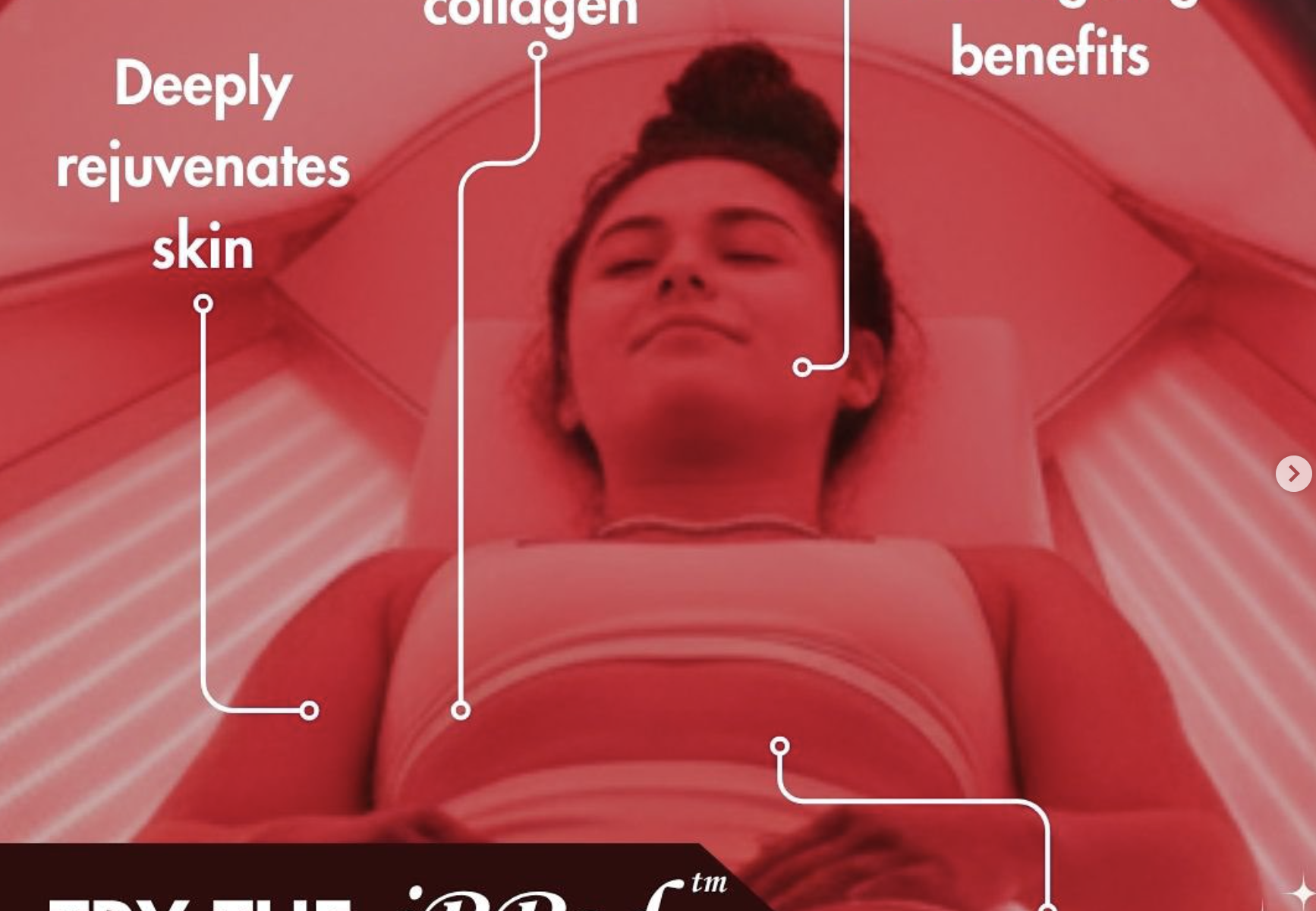
Infrared sauna may support circulation and temporary skin glow through increased blood flow. That can leave skin looking fresher in the short term. But PBM is more directly associated with skin-focused outcomes because red light is widely used to support collagen production, calm inflammation and improve overall skin appearance.
For adults wanting a treatment that sits at the intersection of wellness and aesthetics, PBM tends to be the more strategic option. It is not just about looking flushed after a hot session. It is about supporting skin health at a deeper level over time.
That is particularly relevant for clients who want more than one outcome from the same treatment. Better-looking skin, improved recovery, enhanced sleep, reduced soreness and improved mood can all sit within the PBM conversation. That whole-body efficiency is a major reason interest in full-body photobiomodulation has grown so quickly.
Why whole-body delivery changes the equation
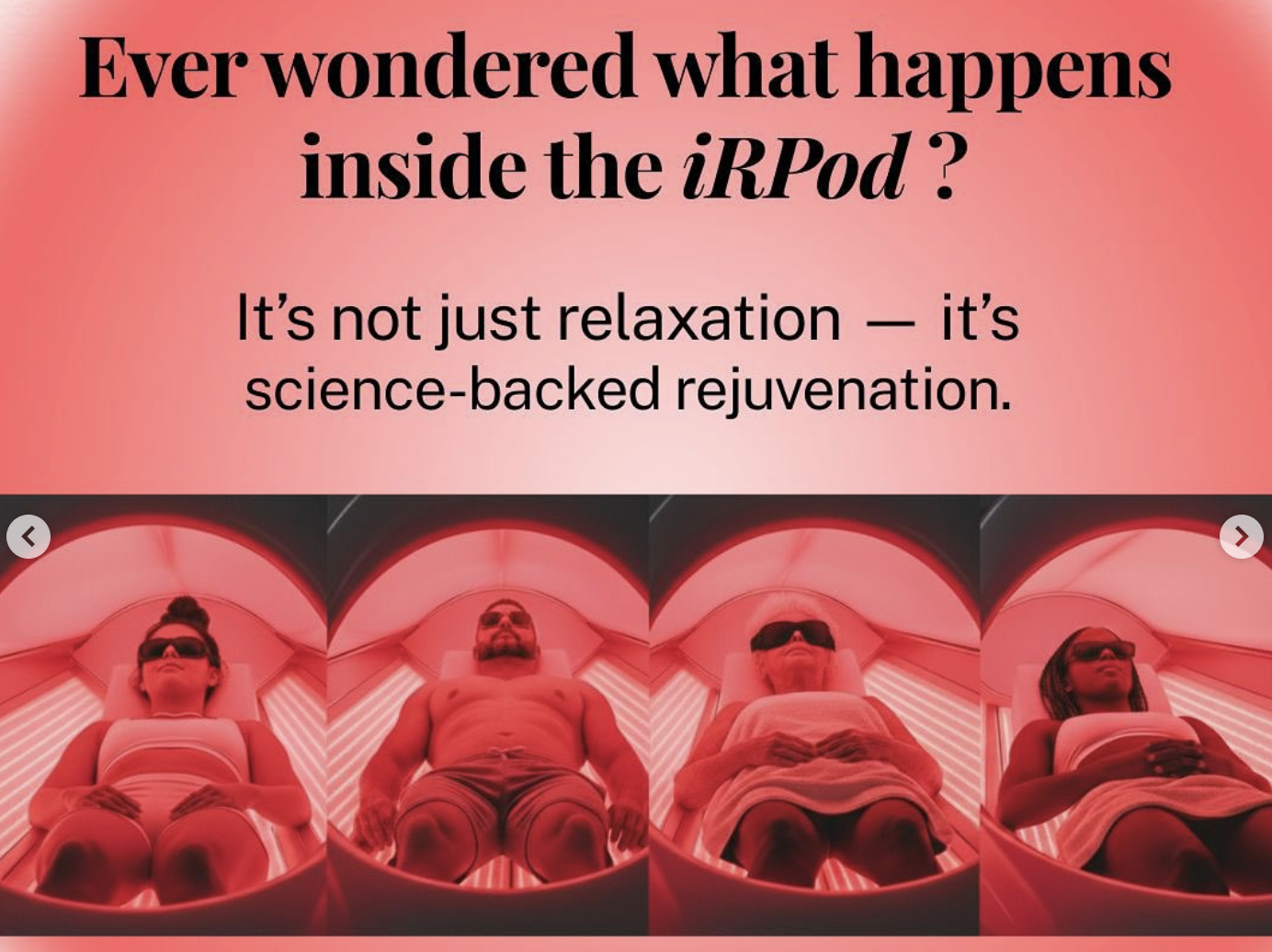
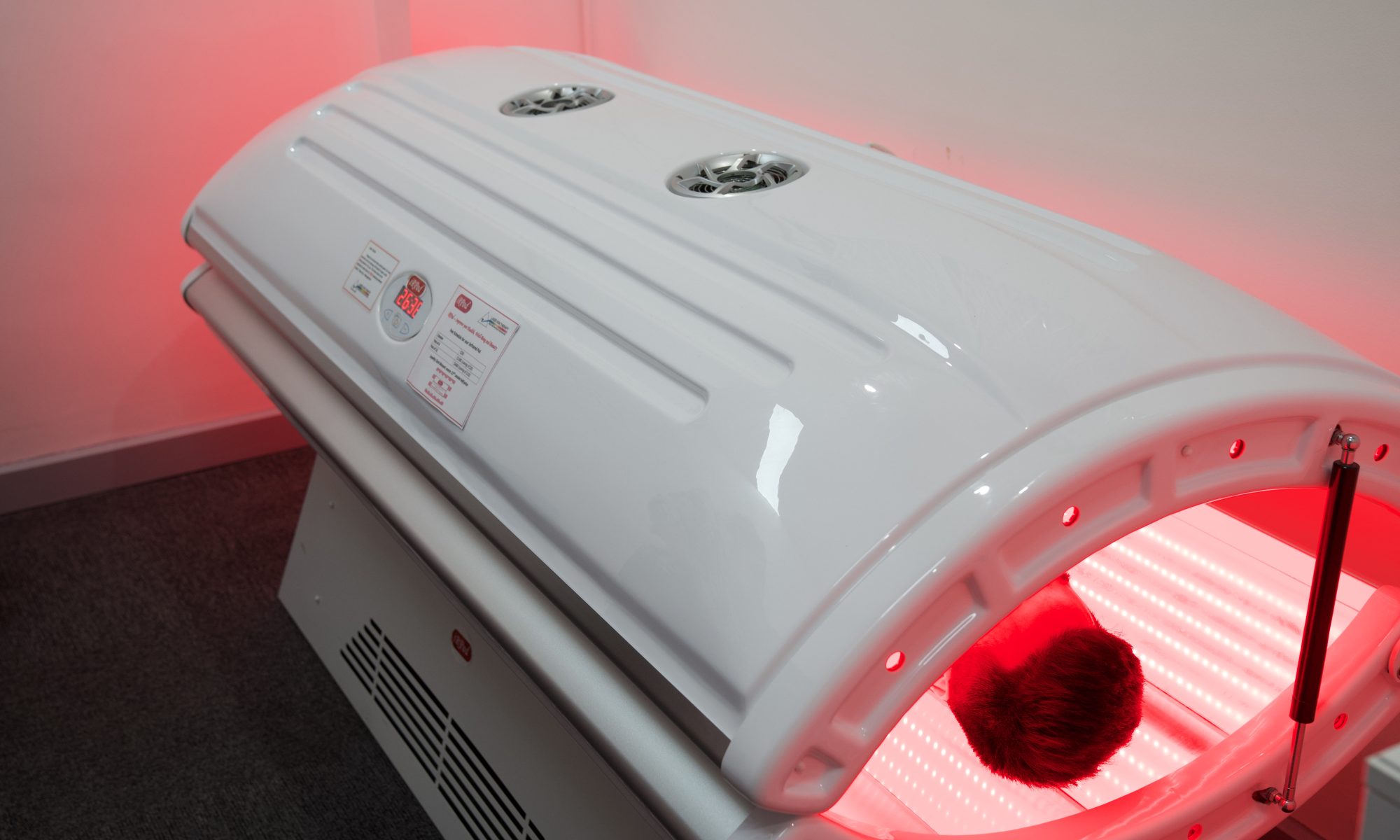
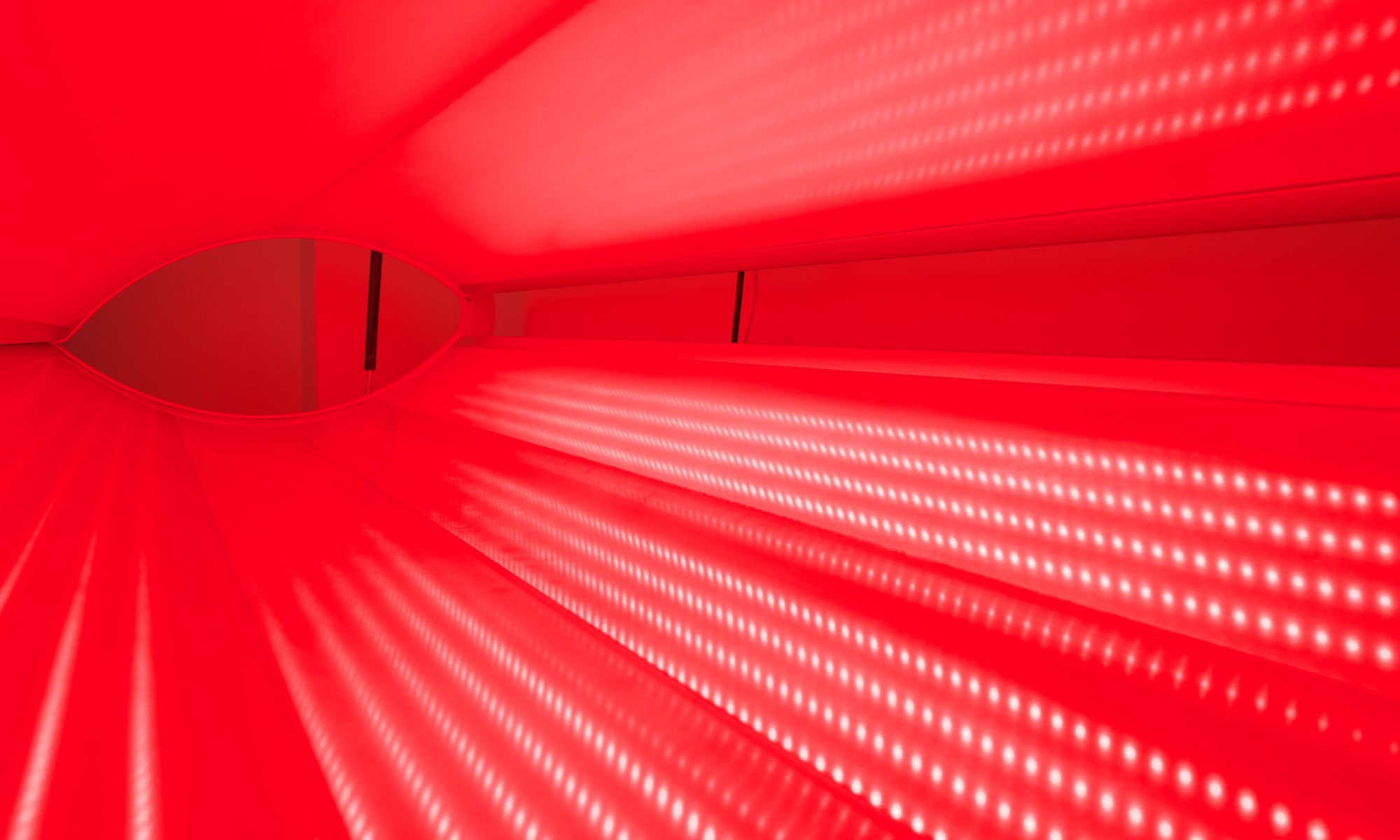
Not all PBM is equal. A small handheld device used on one sore spot is very different from a full-body pod designed to deliver red and near-infrared light across the entire body in a controlled way.
This matters because many people are not dealing with one isolated issue. They may have poor sleep, muscular tension, low energy, ageing skin and recovery challenges all at once. A whole-body PBM treatment is built for that broader picture. It treats the body as a system rather than a single complaint.
That is one of the biggest practical differences between advanced photobiomodulation and an infrared sauna. Both can be whole-body experiences, but only one is specifically designed to deliver therapeutic wavelengths across the body for cellular support without depending on heat as the main mechanism.
Which one is better?
Better is the wrong word unless you define the job.
If you want intense warmth, sweating and a heat-based wellness ritual, infrared sauna may be the better fit. If you want a therapy grounded in cellular energy support, recovery, pain reduction, tissue repair and skin rejuvenation, photobiomodulation is usually the stronger choice.
For some people, both may have a role at different times. A healthy person who enjoys sauna for relaxation may still choose PBM when recovering from training, managing inflammation or supporting skin health. Someone with chronic pain or fatigue may skip the sauna entirely and go straight to PBM because heat makes them feel worse.
That is the point. The best therapy is not the one with the loudest wellness claims. It is the one that aligns with your body and your outcome.
Who should look more closely at PBM?
Photobiomodulation is especially compelling for people who want a non-invasive, drug-free treatment that feels comfortable while still delivering serious therapeutic intent. That includes people managing chronic pain, arthritis, fibromyalgia, sports soreness, post-surgical recovery, skin concerns, fatigue and poor sleep.
It also appeals to busy professionals who do not want to spend a session overheating just to feel like they have done something healthy. PBM is outcome-driven. You lie back, let the light do the work and focus on measurable benefits over time.
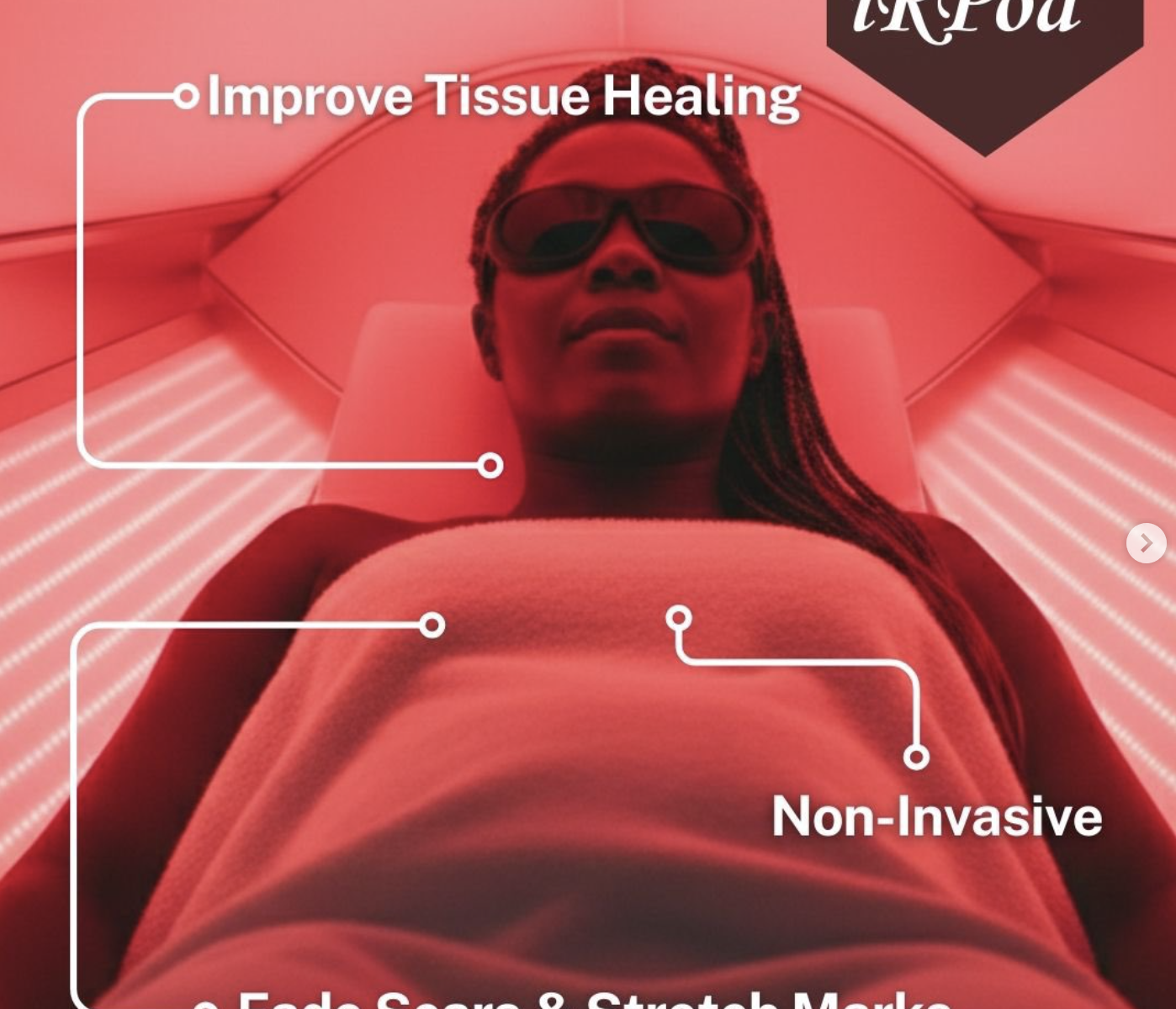
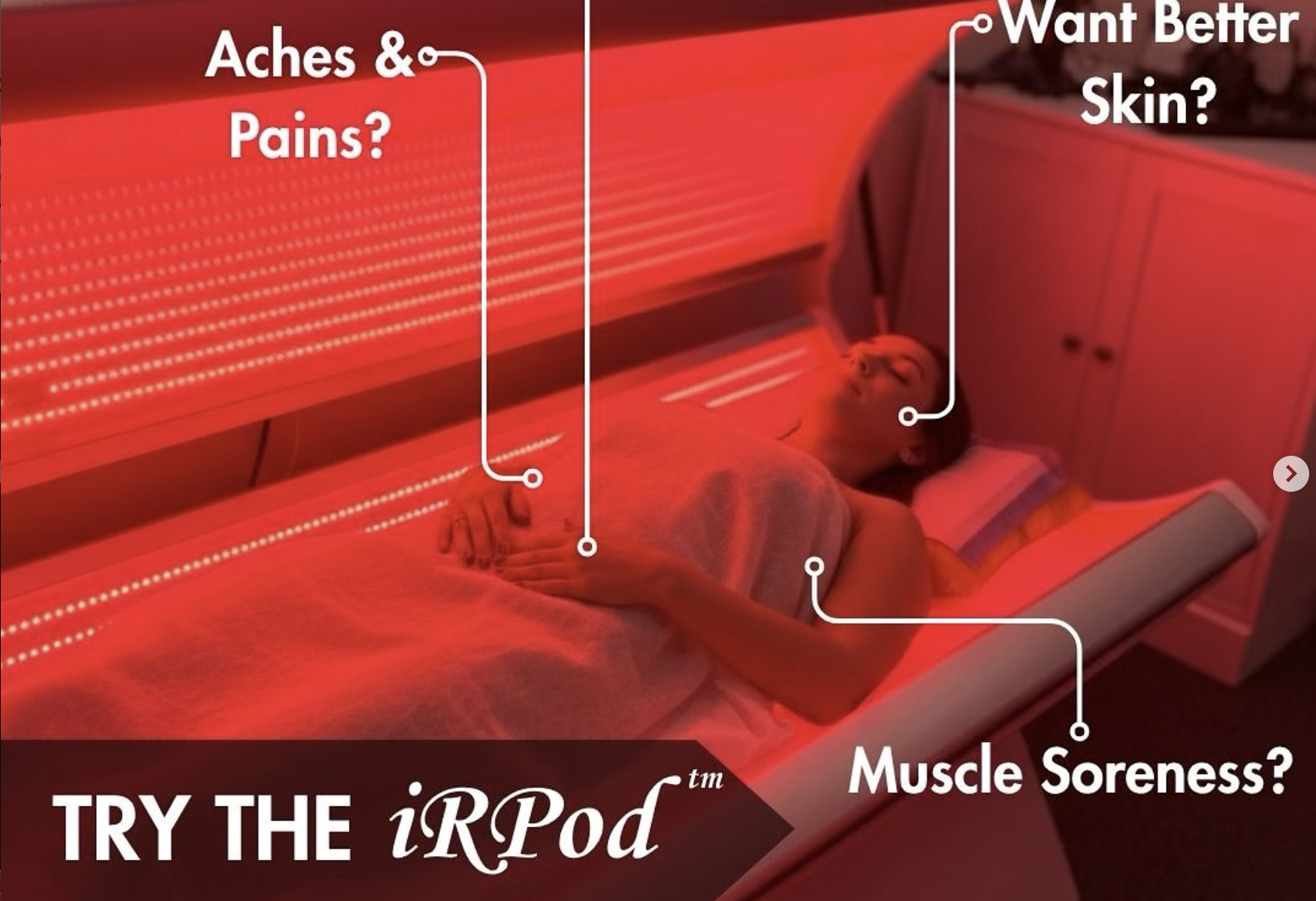
For clients in Melbourne who want that combination of clinical credibility and whole-body wellness, a full-body PBM pod offers a more advanced alternative to generic heat-based recovery options. That is exactly why clinics such as iRPod have built their treatment model around whole-body photobiomodulation rather than sauna-style heat exposure.
The smarter question to ask before booking
Instead of asking, photobiomodulation versus infrared sauna, which is more popular, ask which mechanism actually suits your body. If you are chasing sweat and warmth, sauna is the obvious answer. If you are chasing recovery, repair, skin support and cellular performance without the burden of high heat, PBM makes more sense.
Wellness technology keeps improving, but the basics still matter. Choose the treatment that matches the biology of the result you want, not just the trend you keep seeing online.