

Pain changes the way you move, sleep, work and think. When it lingers for weeks or months, most people are not looking for another short-term patch – they want the best non-invasive pain treatments that can reduce discomfort without adding more stress, downtime or medication.
That search usually leads to a mix of options, from hands-on care and movement-based rehab to newer technology-led therapies. The reality is that no single treatment suits every person or every type of pain. The best approach depends on what is driving the pain, how long it has been there, how your body is recovering, and whether you need local relief, whole-body support, or both.
What makes the best non-invasive pain treatments worth considering?
The strongest non-invasive options share a few qualities. They are safe, repeatable, and practical enough to fit real life. They aim to support healing and function, not simply mask symptoms for a few hours. And ideally, they help you feel better while also improving sleep, mobility, recovery and day-to-day capacity.
That matters because pain is rarely just one thing. Chronic pain can affect mood, energy and inflammation. Post-exercise soreness may need a different strategy from arthritis stiffness. Nerve-related pain may respond differently again. This is why the best non-invasive pain treatments are often combined rather than used in isolation.
1. Photobiomodulation for pain, recovery and healing
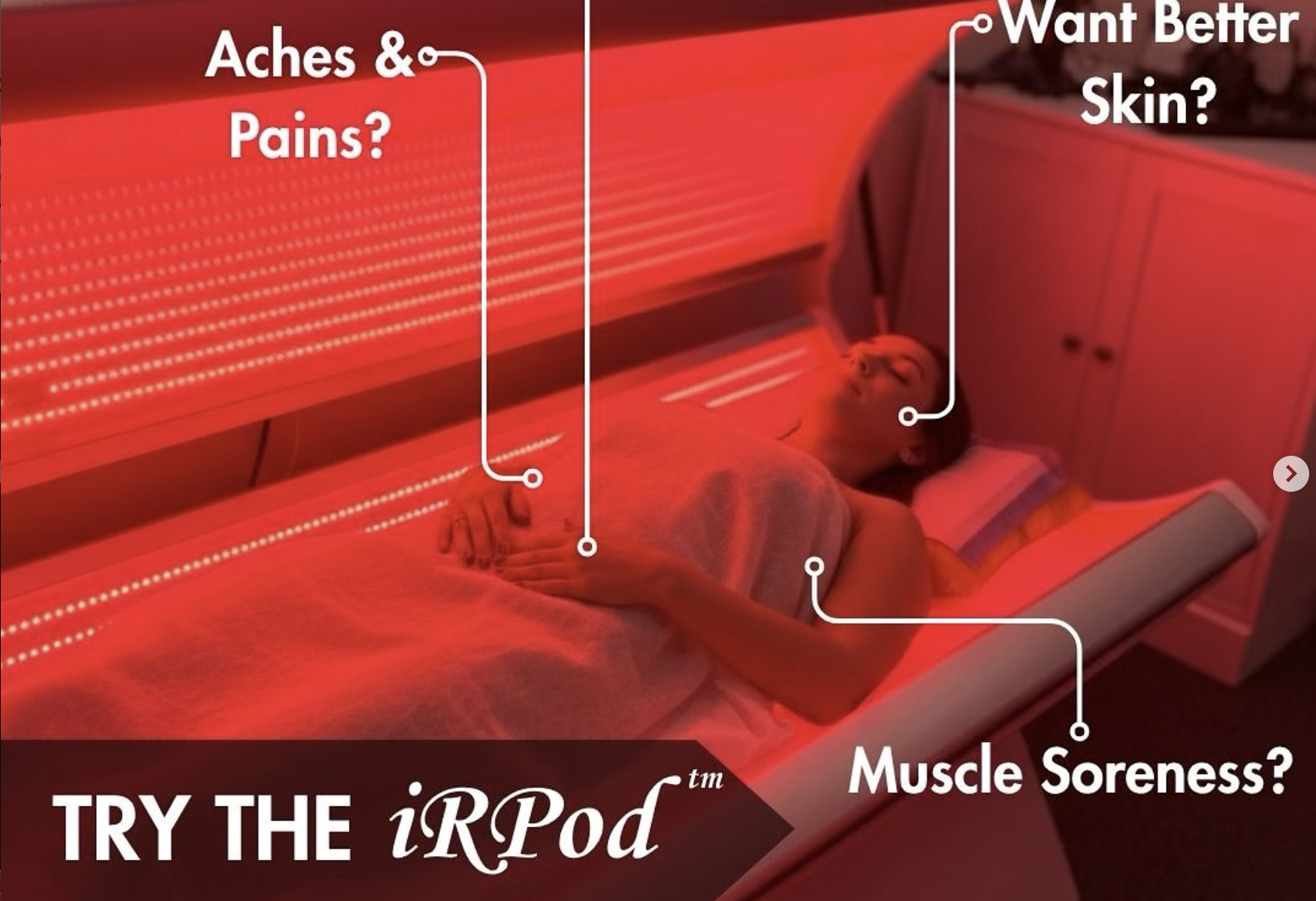
If you are looking for a modern, drug-free option with broad therapeutic potential, photobiomodulation deserves serious attention. Also known as red and infrared light therapy or low level laser therapy, photobiomodulation uses specific wavelengths of light to support cellular energy production, circulation, tissue repair and inflammation management.
The reason it stands out is simple. Pain is often tied to impaired recovery, oxidative stress, inflammation or overloaded tissue. Photobiomodulation works at a cellular level, supporting ATP production so the body has more energy available for repair. For many people, that translates to less pain, better movement and faster recovery.
It can be especially useful for arthritis, Fibromyalgia , sports recovery, post-surgical healing and persistent muscular pain. Whole-body delivery may offer an advantage for people whose pain is widespread rather than isolated to one small area. That is where pod-based therapy can be particularly appealing – it treats the body more comprehensively instead of chasing symptoms one spot at a time.
The trade-off is that results are usually cumulative. One session may feel good, but a course of treatment is often where the bigger changes happen. For people who want a safe, non-invasive option with no needles, no drugs and no downtime, this is one of the most compelling therapies available.
2. Physiotherapy and movement rehabilitation
Physiotherapy remains one of the most reliable choices for mechanical pain, injury recovery and movement dysfunction. A good physio does more than stretch a sore area. They assess how you move, where you are compensating, what is weak or overloaded, and how to rebuild function over time.
This matters because pain often returns when the original movement problem is never addressed. Back pain, neck tension, knee pain and post-injury stiffness frequently improve when strength, control and joint mechanics improve.
That said, physio is not magic in a single appointment. It requires consistency, and the home program matters. For acute injuries or straightforward mechanical issues, it can be excellent. For people with widespread pain, high sensitivity or fatigue, it often works best when paired with supportive therapies that make movement easier in the first place.
3. Remedial massage and myotherapy
When tight, overloaded muscles are a major part of the problem, hands-on soft tissue therapy can provide meaningful relief. Remedial massage and myotherapy are commonly used for muscular tension, postural strain, desk-related pain, headaches and sports soreness.
These therapies can help reduce guarding, improve circulation and restore a sense of ease in tissues that feel constantly switched on. For some people, that immediate release is exactly what they need to move better and sleep better.
The limitation is that manual therapy is often most effective as part of a broader plan. If you only treat muscle tightness without addressing inflammation, movement habits or recovery capacity, the same pain pattern can keep returning. It is best viewed as useful support, not always a complete answer.
4. Hydrotherapy and exercise in water
Water-based exercise is underrated, especially for people with arthritis, joint pain, deconditioning or higher body weight. The buoyancy of water reduces load on the joints while still allowing movement, strengthening and gentle cardiovascular work.
For people who struggle with land-based exercise because it hurts too much, hydrotherapy creates a more manageable starting point. It can help build confidence, mobility and tolerance without the same mechanical stress.
The downside is access and convenience. Not everyone has easy access to a suitable pool or a guided program. Still, for chronic pain and joint-related conditions, it can be one of the smartest low-impact options available.
5. Acupuncture and dry needling
These are not the same treatment, but both are often used in pain management. Acupuncture is based on traditional Chinese medicine principles, while dry needling usually targets muscular trigger points within a musculoskeletal framework.
Some people respond very well, particularly for neck pain, shoulder tension, headaches and certain chronic pain presentations. The effect can range from reduced muscle tension to improved pain modulation.
Whether it is one of the best non-invasive pain treatments depends on your definition of non-invasive. There is no surgery or medication involved, but needles are still used. For needle-averse clients, that may rule it out straight away. For others, it can be a useful adjunct when performed by a qualified practitioner.
6. TENS and home electrotherapy
TENS, or transcutaneous electrical nerve stimulation, is widely used for short-term pain relief. It works by sending mild electrical impulses through the skin to influence pain signalling. Many people use it for lower back pain, period pain, osteoarthritis and muscle soreness.
The benefit is accessibility. It is relatively affordable, easy to use at home and non-drug based. For flare-ups, it can be handy.
Its main limitation is that relief is often temporary. TENS may help you get through the day more comfortably, but it does not necessarily support tissue healing or address the broader drivers of chronic pain. Think of it as symptom management rather than a full recovery strategy.
7. Mind-body pain therapies and nervous system regulation
Pain is physical, but persistent pain is also influenced by the nervous system. Stress, poor sleep, fatigue and hypervigilance can amplify symptoms and slow recovery. That is why breathing work, mindfulness-based pain management, guided relaxation and cognitive behavioural support can play an important role.
For some people, this sounds too soft compared with device-based or hands-on treatments. That is a mistake. If your nervous system is constantly on high alert, pain can feel louder, movement can feel harder, and recovery can stall.
Mind-body therapies are rarely the whole answer for structural pain, but they can improve pain tolerance, sleep quality and resilience. In chronic pain, those gains matter more than many people realise.
How to choose the best non-invasive pain treatments for your situation
Start with the type of pain you have, not the trendiest treatment on social media. Localised tendon pain is different from fibromyalgia. Recovery after surgery is different from long-standing neck tension. Arthritis is different from training overload.
If your pain is widespread, inflammatory, fatigue-related or linked to poor recovery, whole-body therapies may offer more value than highly localised treatments. If the issue is clearly mechanical, movement-based rehab is often essential. If pain is stopping you from exercising properly, a supportive therapy that reduces symptoms enough to get you moving again can be the smartest first step.
It is also worth thinking about what you can realistically stick with. The best plan is not the one that sounds impressive. It is the one you can continue long enough to see results.
Why whole-body therapy is changing the conversation
One reason more people are turning towards advanced light-based treatment is that they want more than pain relief alone. They want to sleep better, recover faster, support healing, reduce inflammation and feel more like themselves again.
That broader outcome profile is where full-body photobiomodulation is gaining attention. Rather than treating pain as an isolated symptom, it supports the systems behind recovery. For busy professionals, active adults, and people living with ongoing conditions, that matters.
At clinics such as iRPod in Melbourne, this whole-body approach is central to the treatment model. The appeal is clear – safe, evidence-based, non-invasive care that aims to help clients look better, feel better and perform better, without the burden of medication-heavy treatment pathways.
The most useful place to start is with a clear assessment of what your pain is doing to your life. Are you struggling to train, work, sleep or recover? Are you managing a chronic condition that needs consistent support rather than a quick fix? The answer usually points towards the right treatment path.
Pain treatment does not need to be aggressive to be effective. Often, the smartest next step is the one that supports healing, respects your nervous system, and gives your body the conditions it needs to recover properly.