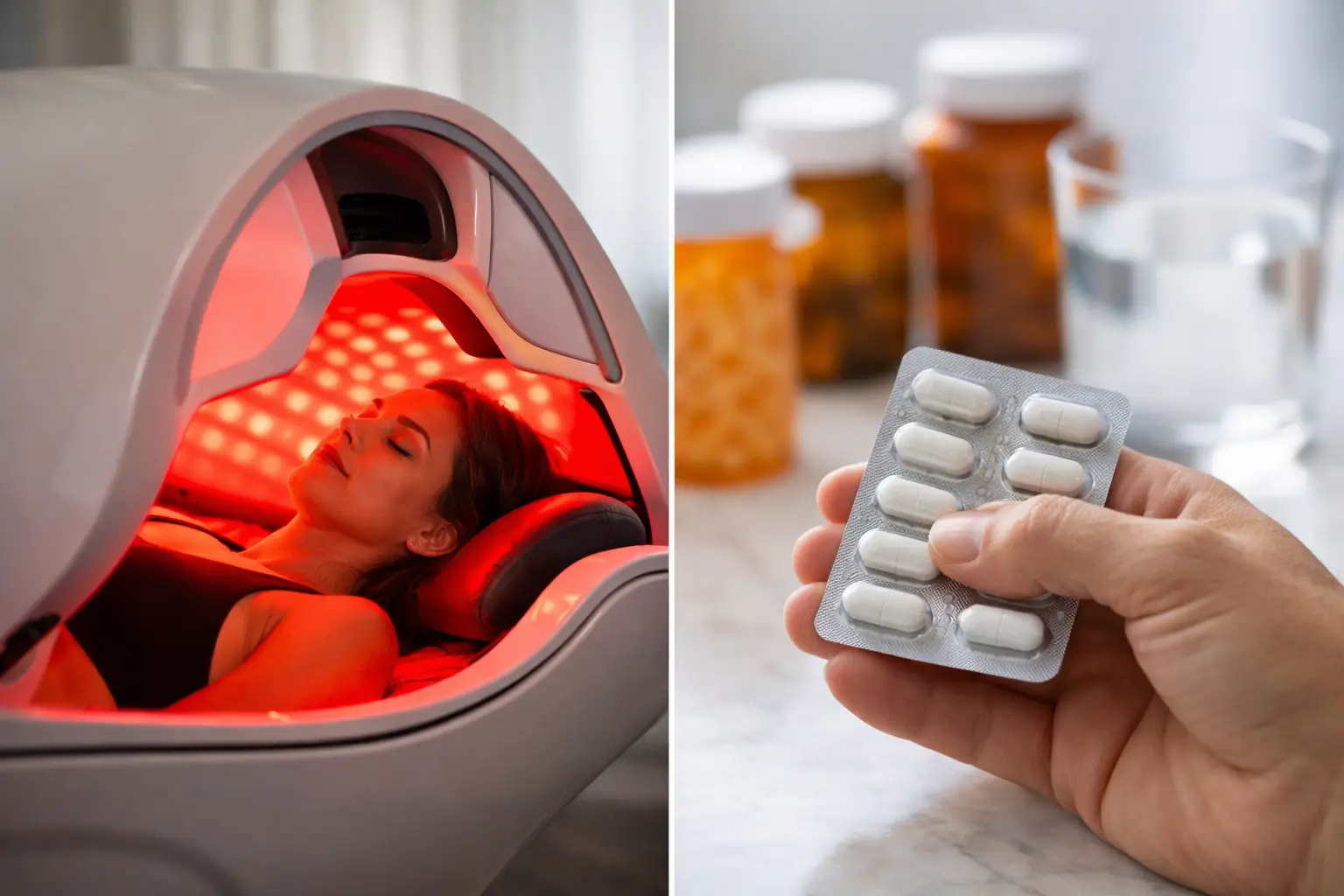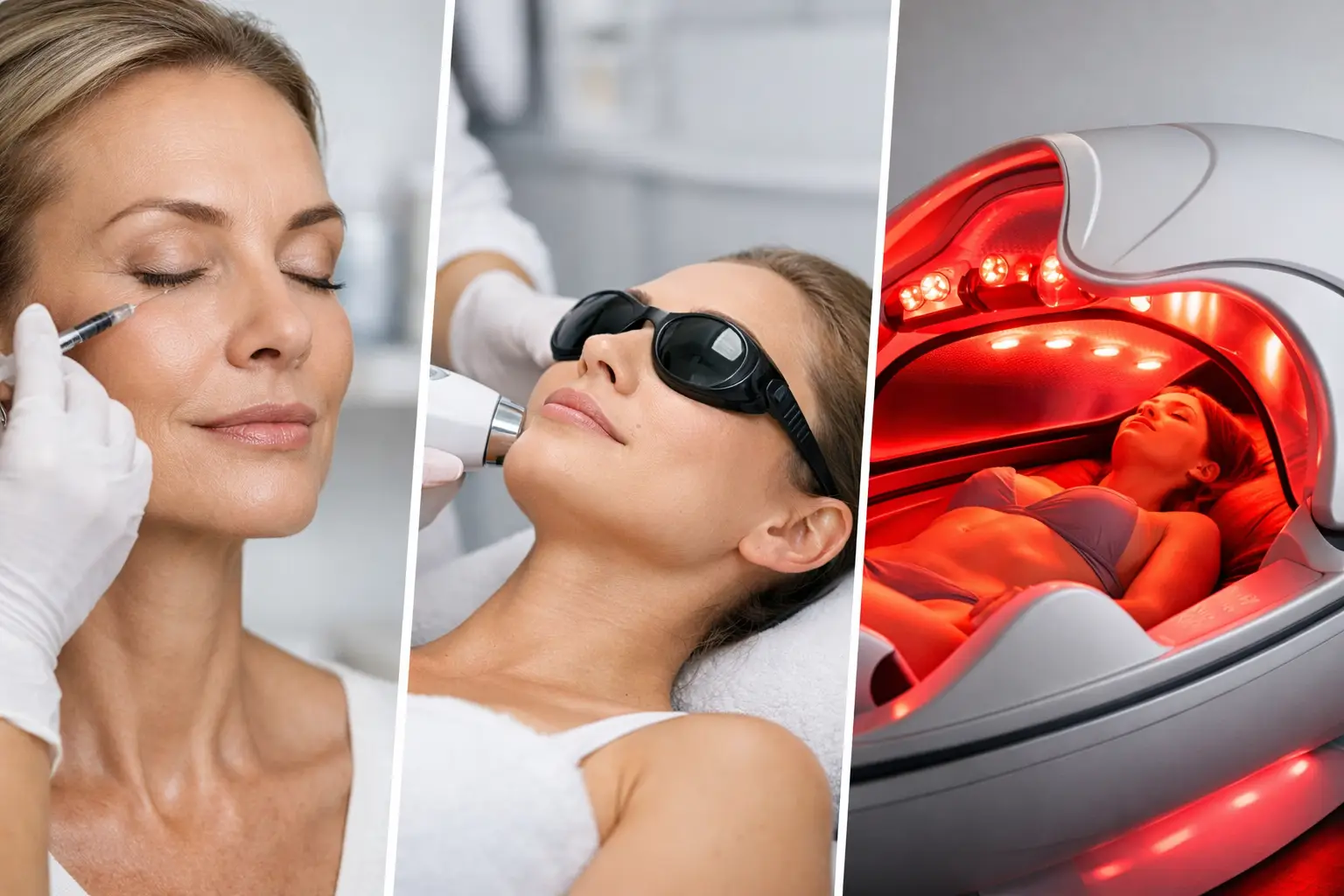

A guide to red light therapy should begin with a practical question: what do you want your body to do better? Perhaps persistent pain is limiting your workday, training recovery is dragging on, sleep feels unrefreshing, or your skin no longer has the brightness you expect. Red and infrared light therapy is not a miracle fix, but it is a drug-free, non-invasive option that may support the cellular processes behind repair, recovery and wellbeing.
Known clinically as photobiomodulation, or PBM, this treatment uses carefully selected wavelengths of red and near-infrared light. These wavelengths are delivered at a low intensity that does not burn or damage the skin. The goal is to stimulate a biological response rather than create heat injury, making PBM fundamentally different from surgical lasers, tanning beds and ultraviolet light treatments.
What red light therapy does at a cellular level
Your cells rely on mitochondria to produce energy in the form of adenosine triphosphate, commonly called ATP. Think of ATP as the usable fuel that supports normal cellular activity, including maintenance and repair. Red and near-infrared wavelengths are absorbed by light-sensitive components within cells, particularly in the mitochondria.
Research suggests this exposure can influence ATP production, circulation, inflammation signalling and oxidative stress. In practical terms, healthier cellular function may help support tissue recovery, reduce discomfort and encourage the body’s natural healing response. The exact response varies with the condition being treated, the dose of light, the wavelength and the individual.
Red light generally works closer to the skin’s surface, which is why it is often used in skin-focused protocols. Near-infrared light reaches more deeply and is commonly used to support muscles, joints and other deeper tissues. A quality whole-body treatment combines both so the experience is not limited to one small area.
A guide to red light therapy benefits
People seek photobiomodulation for different reasons, and the most meaningful benefit is usually the one that improves day-to-day life. For someone with arthritis, that may be less stiffness when getting out of the car. For a runner, it may be feeling ready for the next session sooner. For a busy professional managing fatigue, it may be better sleep and a more consistent sense of energy.
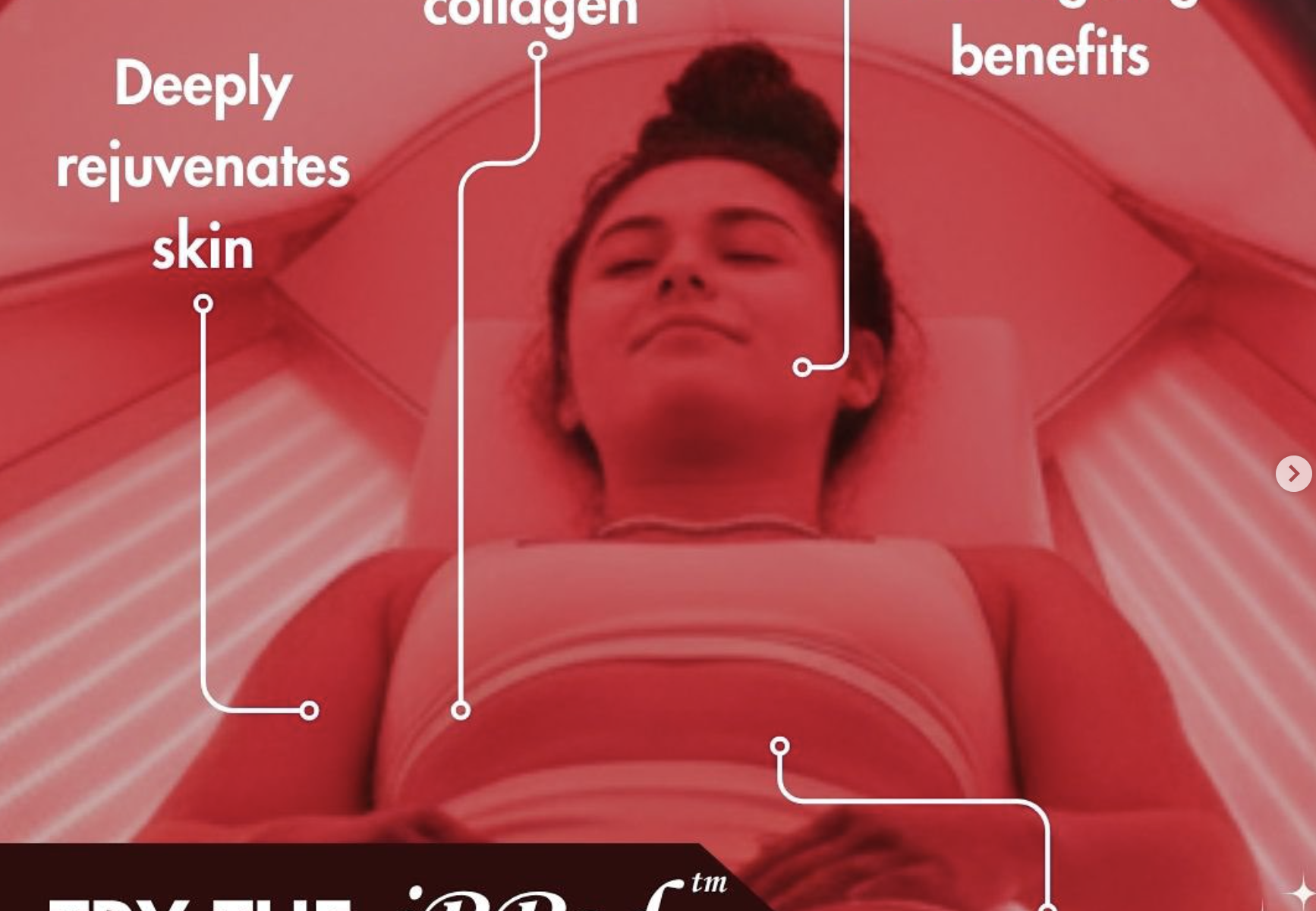
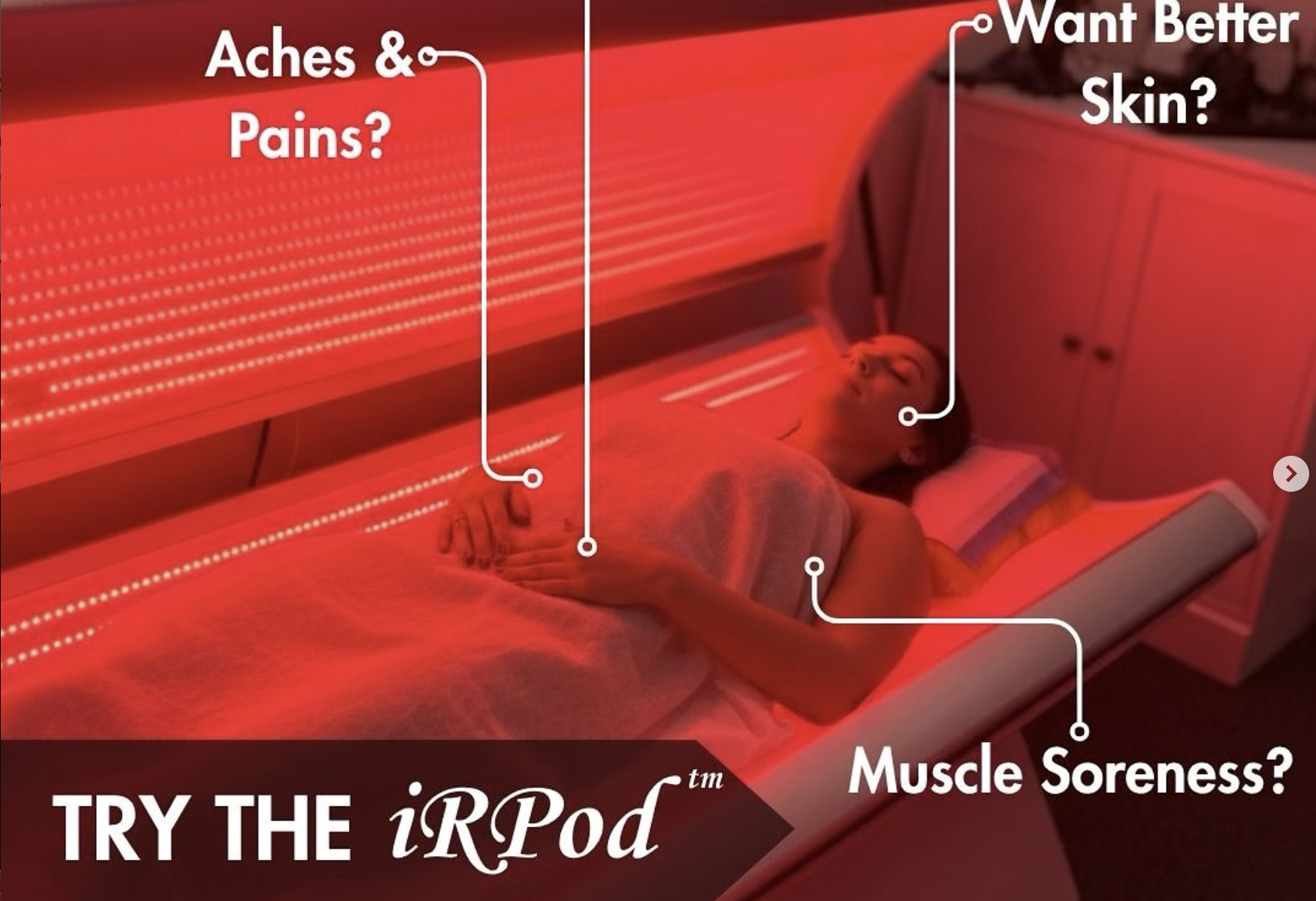
Red and infrared light therapy may support pain reduction, muscle recovery, tissue healing, skin rejuvenation, sleep quality and mood. It is also commonly explored by people living with chronic fatigue syndrome, fibromyalgia, persistent musculoskeletal pain and post-surgical recovery needs. In skin applications, clients may notice improved texture, tone and a more refreshed appearance over time.
There is a reason the word “may” matters. PBM supports biological processes, but it does not replace a medical diagnosis, rehabilitation plan or appropriate clinical care. Chronic pain can have multiple drivers. Poor sleep may be influenced by stress, hormones, medication, sleep apnoea or lifestyle. The best outcomes come when light therapy is used as part of a considered health strategy rather than treated as a stand-alone cure.
Why whole-body delivery can make a difference
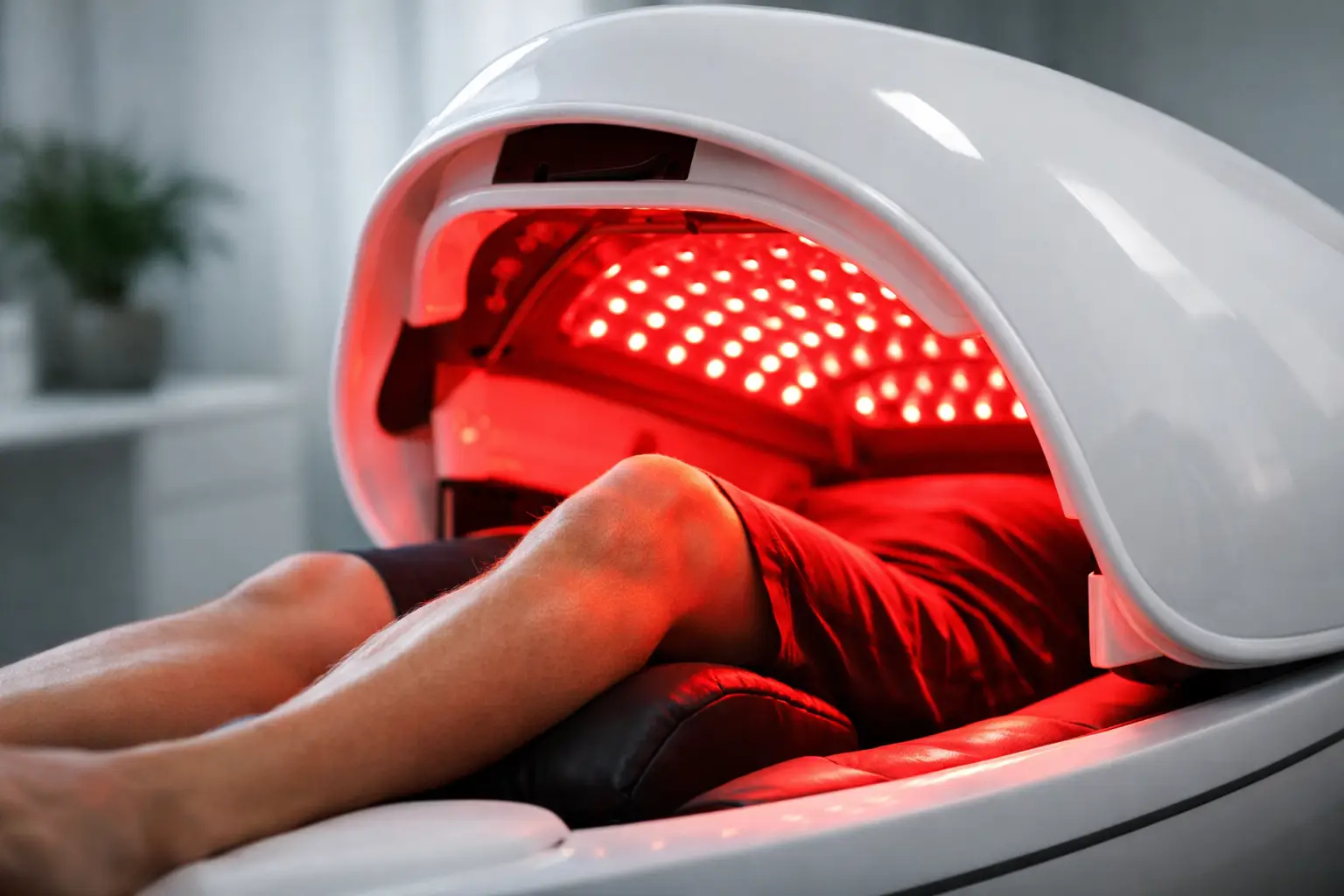
Small red light devices can be useful when you have a very specific area to target. A localised panel or handheld unit may suit a sore elbow, a small skin concern or maintenance between appointments. The trade-off is coverage, consistency and treatment time. It can be difficult to deliver an even, meaningful dose across large areas of the body with a small device.
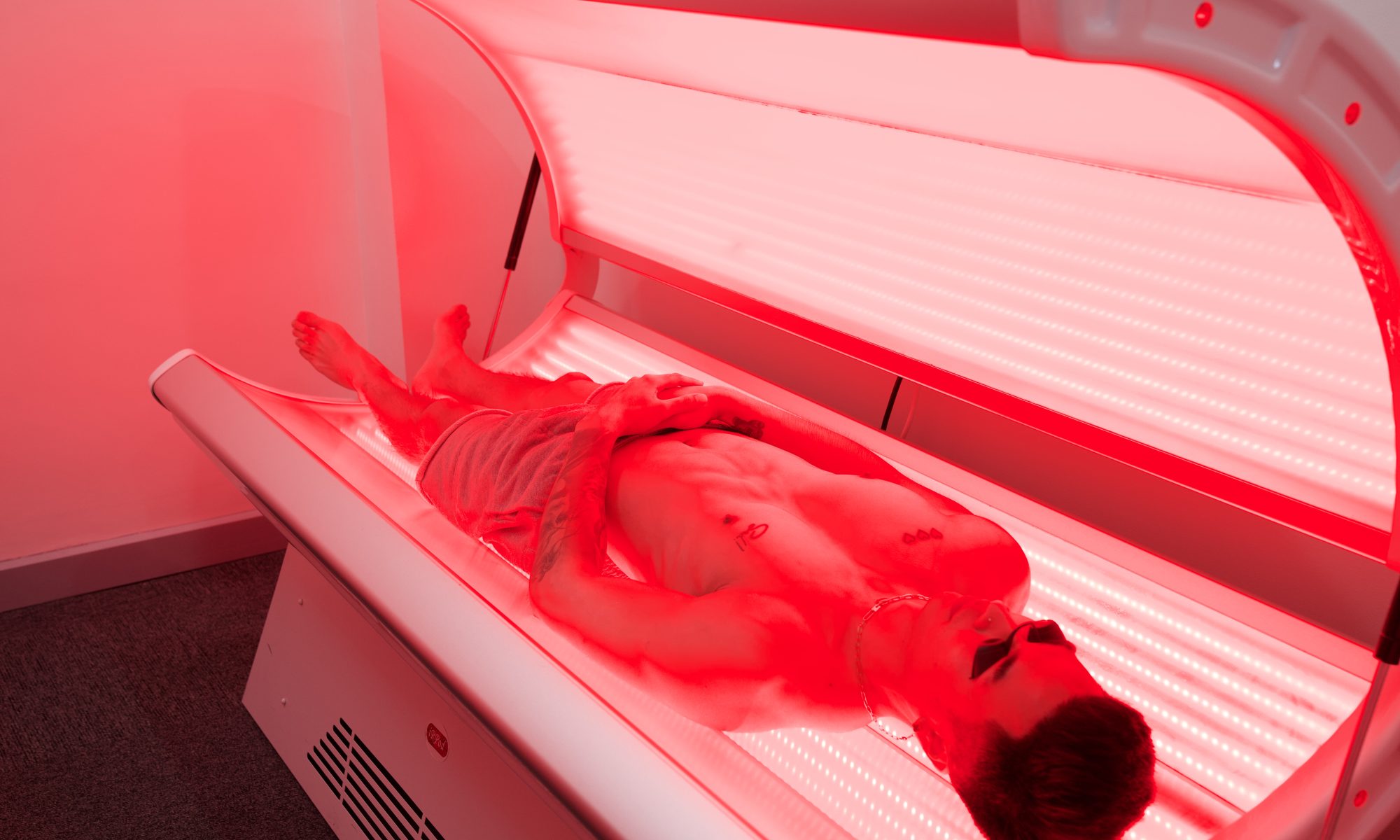
Whole-body PBM is designed for people who want broader exposure in one session. This can be particularly relevant when recovery, fatigue, widespread discomfort or general wellness is the focus. A full-body pod also provides a controlled clinical environment, rather than leaving you to guess about distance, dosage or whether your home device is delivering the output it claims.
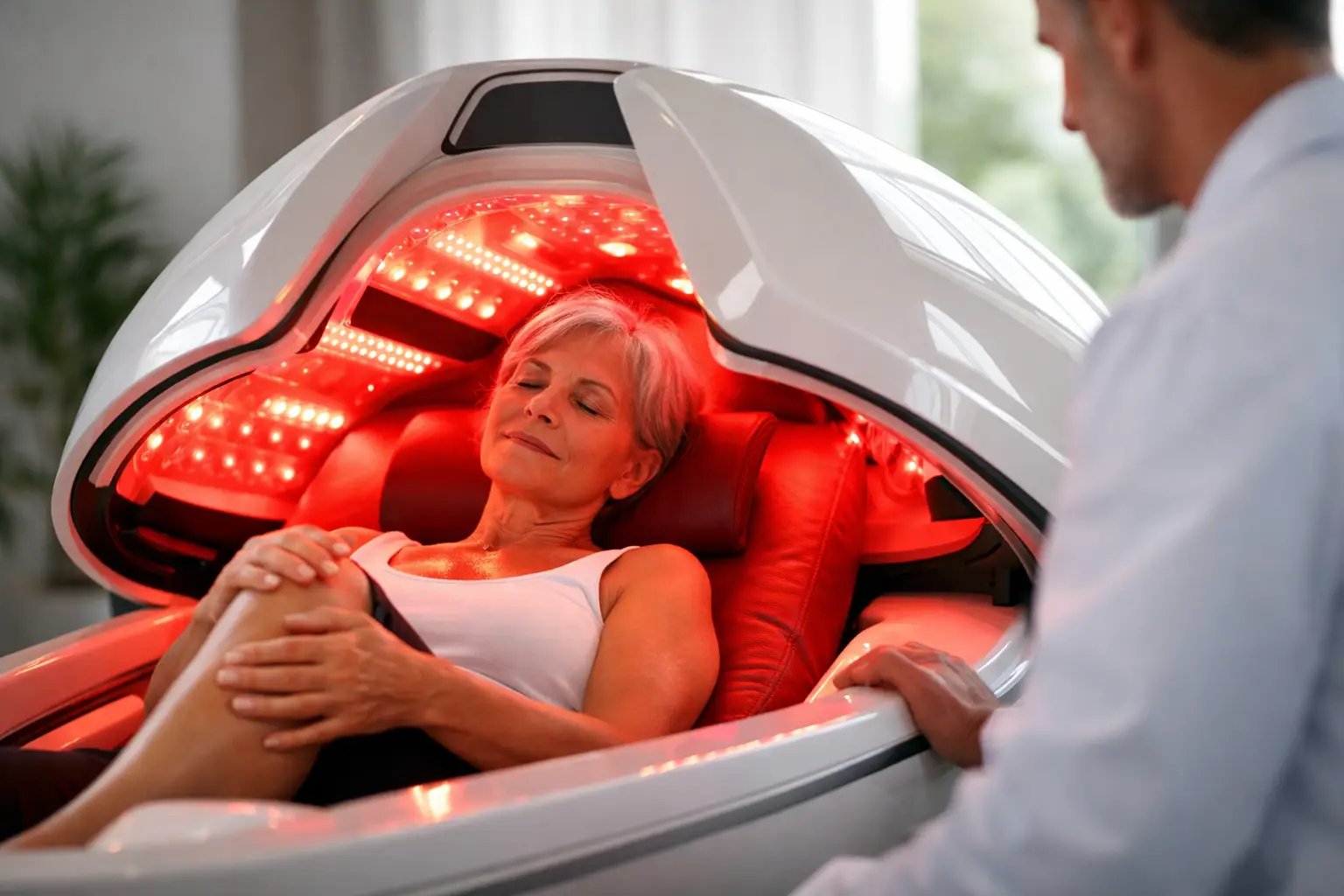
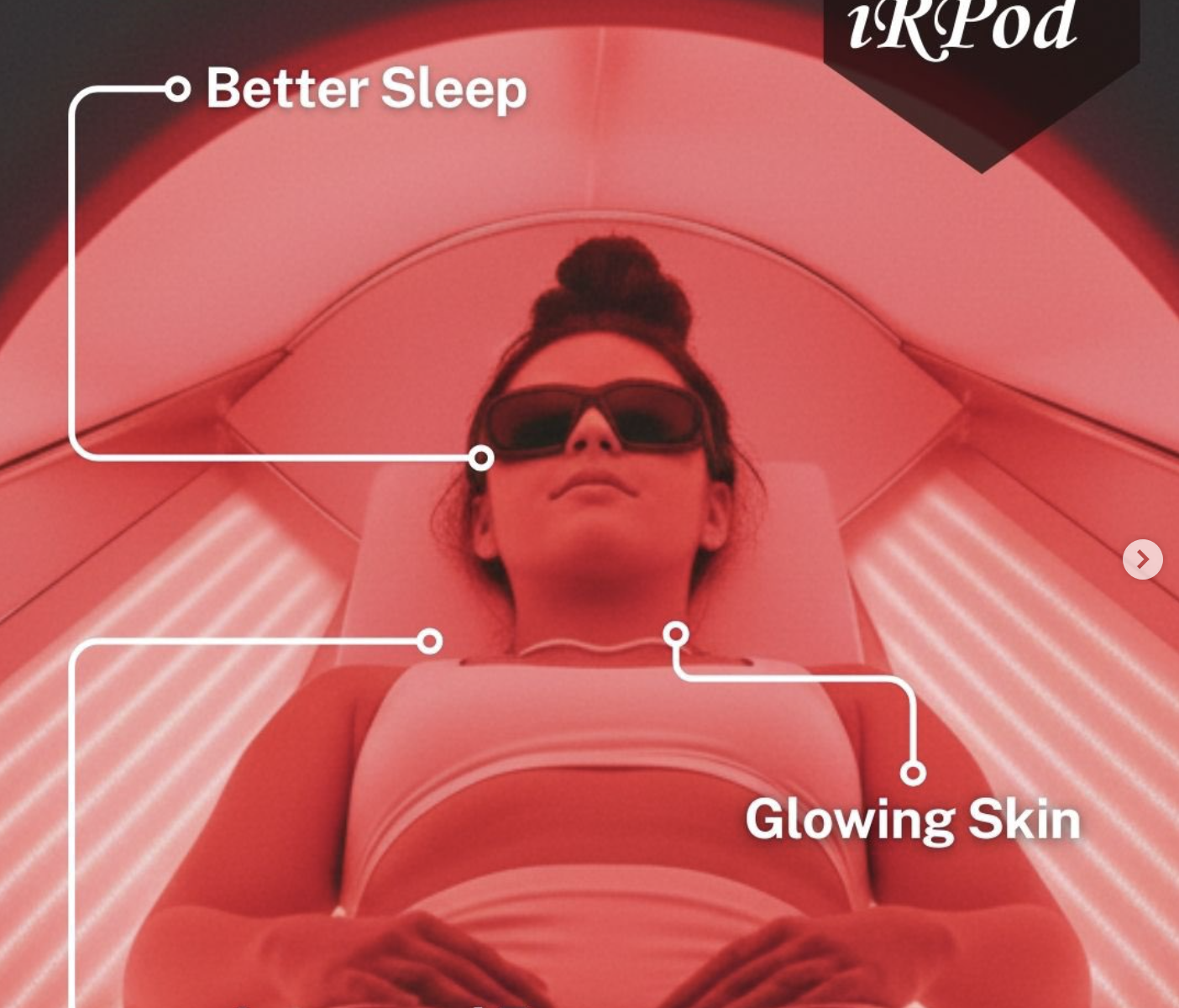
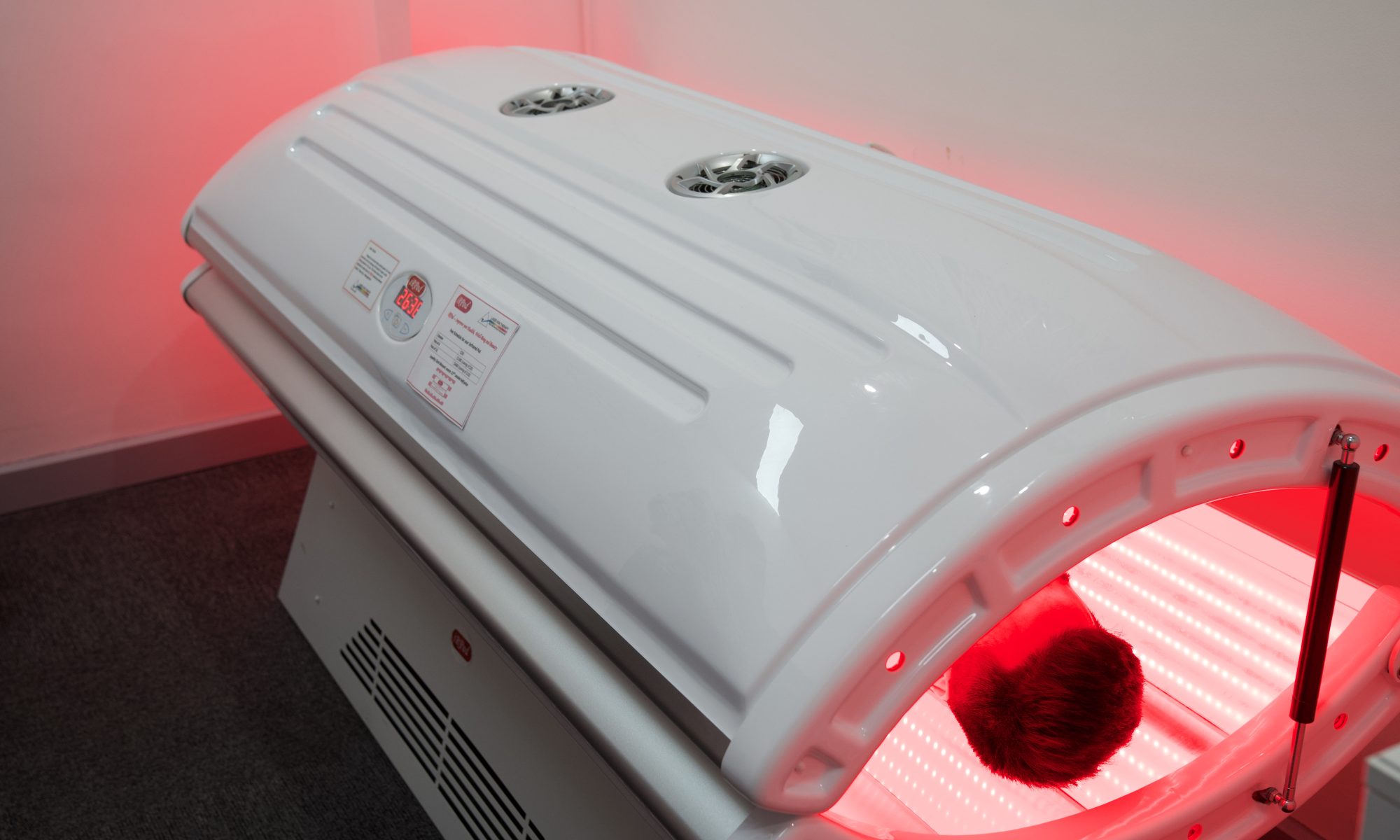
At iRPod, whole-body sessions are delivered in a PBM pod using 12,000 temperature-controlled red and infrared LED lights. A 30-minute session makes it possible to treat the body comprehensively while you rest. For people balancing demanding careers, training schedules or ongoing health challenges, this convenience is part of the value.
What to expect during your first session
A red light therapy session is straightforward. You will usually be asked about your goals, relevant health history and any current concerns before a suitable treatment approach is discussed. This conversation matters. Someone preparing for a sporting event may require a different schedule from someone seeking support for chronic joint discomfort or skin health.
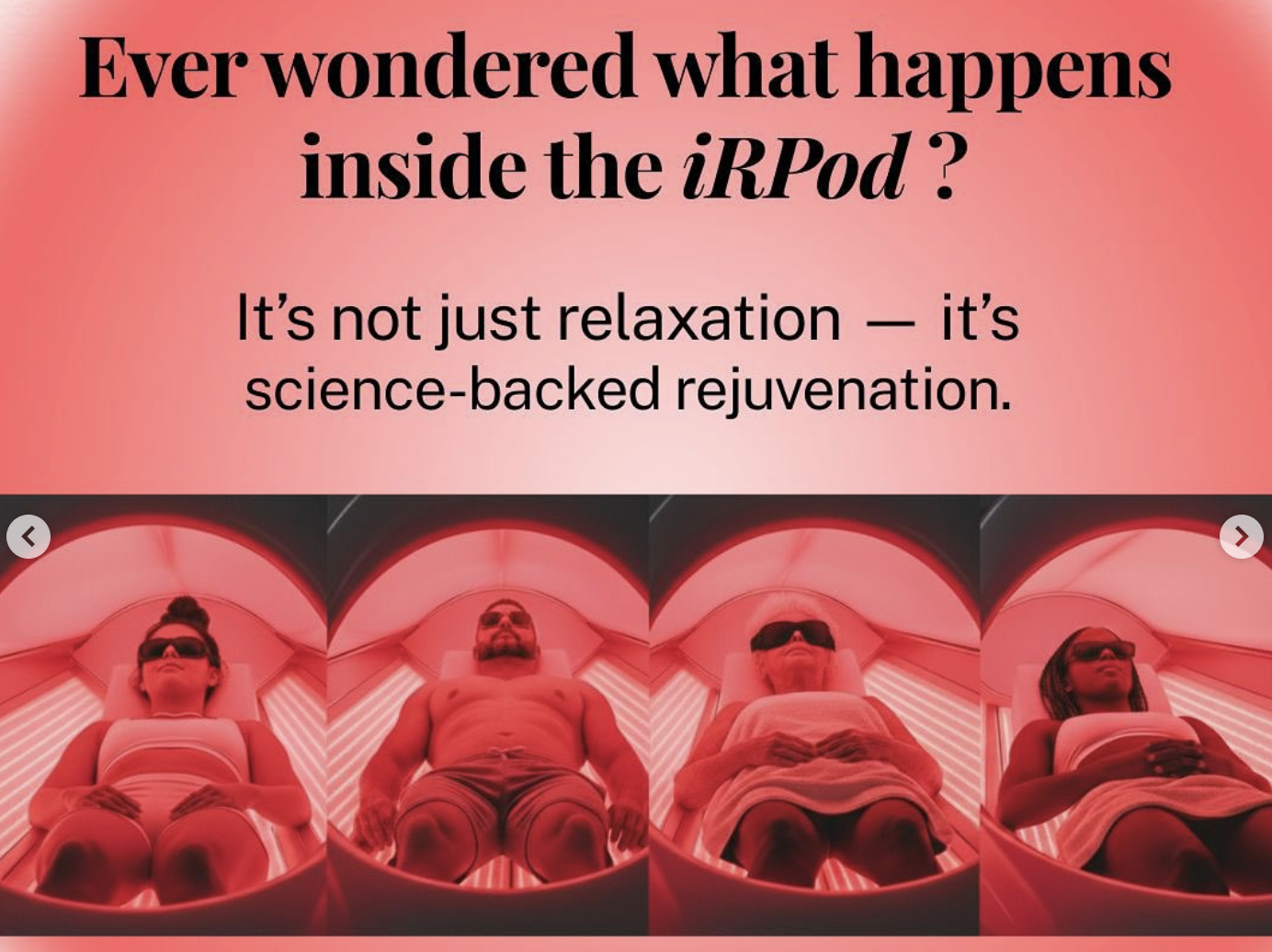
During treatment, you lie comfortably in the pod while the LEDs deliver red and near-infrared light. The lights can feel warm, but the process should be comfortable. Unlike a tanning bed, PBM does not use UV light and does not tan the skin. You may be given eye protection depending on the equipment and clinic protocol.
Most people simply rest for the session. There is no recovery time, no needles and no need to take time off work. You can generally return to your normal routine afterwards, whether that means heading back to the office, the gym or home.
How many sessions will you need?
Consistency is more valuable than a one-off session. Cellular and tissue responses develop over time, particularly where long-standing pain, fatigue or skin concerns are involved. While some clients report feeling more relaxed or less sore after an early treatment, measurable changes often need a series of sessions.
A common starting plan is four to 12 sessions, adjusted according to your goals, response and clinical context. Acute recovery needs may call for closer spacing at the beginning. For general wellbeing, training recovery or skin maintenance, sessions may become less frequent once progress is established.
Be wary of any provider who guarantees a result by a specific date. Your age, sleep, nutrition, activity level, diagnosis, medication and the severity of the issue all influence outcomes. A credible clinic will give you a realistic plan, monitor how you respond and adjust where appropriate.
Is red light therapy safe?
When delivered with appropriate equipment and screening, low-level red and near-infrared light therapy is widely regarded as safe and non-invasive. It does not involve ionising radiation, UV exposure or medication. Most clients find the experience calming and easy to fit into their routine.
That said, safe does not mean suitable for every person in every circumstance. Tell your practitioner if you are pregnant, have a cancer diagnosis or history, have a condition involving light sensitivity, use photosensitising medication, or have an active medical concern that has not been assessed. If you are under specialist care or recovering from surgery, it is sensible to discuss any new treatment with your treating team.
The quality of the device and the provider’s process also matter. Effective PBM depends on wavelength, irradiance, treatment duration, coverage and heat management. More light is not automatically better. An evidence-informed dose, delivered consistently and comfortably, is the goal.
Choosing the right clinic and treatment plan
Look beyond glossy before-and-after imagery. Ask what wavelengths are used, whether the treatment is red, near-infrared or both, how long the session lasts and whether the provider can explain the reason for the recommended schedule. A clinic should be comfortable discussing realistic expectations as well as potential benefits.
For whole-body treatment, consider whether the pod offers even coverage and temperature control. Ask how your progress will be reviewed, particularly if you are attending for pain, injury recovery or a persistent condition. The strongest experience combines advanced technology with a plan that reflects your actual goal.
Red light therapy works best when you give your body the conditions to respond: regular sessions, adequate sleep, movement appropriate to your condition and professional guidance when symptoms are persistent. If you are ready to look better, feel better and perform better, start with a conversation about the outcome that matters most to you.