

You can usually tell when sleep is starting to slide before you admit it. You are tired but wired at night, slow to get going in the morning, more sore after training, less patient at work, and somehow still not properly rested after a full night in bed. If you are searching for how to improve sleep naturally, the answer is rarely one magic fix. It is usually a combination of timing, light exposure, nervous system regulation, and recovery habits that work together.
Good sleep is not a luxury. It is one of the main systems your body uses to repair tissue, regulate hormones, support mood, sharpen focus, and manage inflammation. When sleep is off, everything else tends to feel harder. The upside is that natural improvements can be powerful when they are applied consistently.
Why natural sleep support works
Sleep is driven by biology, not just willpower. Two systems matter most. The first is your circadian rhythm, which helps time when you feel alert and when you feel sleepy. The second is sleep pressure, which builds across the day and helps you fall asleep at night.
When people struggle with sleep, one or both of these systems are usually being pushed out of rhythm. Late caffeine, irregular wake times, indoor days with too little morning light, high evening stress, alcohol, pain, and screen-heavy nights can all interfere. Natural sleep strategies work because they bring those systems back into alignment instead of forcing sedation.
That distinction matters. Knocking yourself out is not the same as getting restorative sleep. Deep, quality sleep is where recovery happens.
How to improve sleep naturally with your daytime routine
Most sleep problems start long before bedtime. If your day is chaotic, your night often follows.
Keep your wake time steady
If you only change one habit, make it this one. Waking at roughly the same time every day helps anchor your circadian rhythm. That means weekdays and weekends should be closer than most people think. Sleeping in for two extra hours on Sunday can leave Monday night feeling like jet lag.
A consistent wake time is often more effective than obsessing over the perfect bedtime. Your body learns rhythm through repetition.
Get bright light early
Morning light is one of the strongest natural signals for better sleep later that night. Getting outside within the first hour of waking helps tell your brain that the day has started. This supports melatonin release at the right time that evening.
Even 10 to 20 minutes outdoors can help, especially if you have been feeling flat, foggy or restless at night. If you work indoors, this becomes even more important. Natural light is not a wellness extra. It is part of your sleep chemistry.
Move your body, but watch the timing
Regular movement improves sleep quality, helps regulate stress, and can reduce the restlessness that builds from sitting all day. Walking, resistance training, swimming, Pilates, and moderate cardio can all help.
The main trade-off is timing. Some people sleep brilliantly after an evening gym session. Others finish training too stimulated to switch off. If that sounds familiar, move hard sessions earlier and keep evenings for gentler recovery work.
Evening habits that make sleep easier
By evening, the goal is simple. You want your brain and body to get the message that it is safe to downshift.
Dim the light and lower the noise
Bright overhead lighting at 9 pm tells your body to stay alert. Softer lighting helps signal the opposite. You do not need to live by candlelight, but reducing harsh light in the last one to two hours before bed can make a real difference.
This is also where screens become a problem for some people. It is not just the light. It is the stimulation. Emails, scrolling, late-night news, and endless short-form content keep the nervous system switched on. If you are tired but mentally buzzing, your evening inputs may be the issue.
Eat for sleep, not just convenience
Going to bed overly full can disrupt sleep. So can going to bed hungry. A heavy late meal may worsen reflux, raise body temperature, and leave you feeling uncomfortable. On the other hand, if you finish dinner too early and wake at 2 am hungry, that is not ideal either.
For many adults, a balanced dinner a few hours before bed works well. If needed, a light snack later can help. It depends on your metabolism, training load, and overall health. Sleep is personal, and rigid rules do not suit everyone.
Be careful with alcohol
Alcohol can make you feel sleepy at first, which is why so many people assume it helps. The problem is what happens later. Sleep often becomes lighter, more fragmented, and less restorative as the night goes on.
If you regularly rely on a drink to unwind, it is worth testing what happens when you swap it for another calming ritual a few nights a week. Better sleep quality is often the payoff.
Build a bedroom that supports recovery
A sleep-friendly bedroom does not need to be expensive, but it does need to support comfort and consistency.
Keep it cool, dark and quiet
Temperature matters more than many people realise. A cooler room generally supports better sleep because your body needs to lower core temperature to fall asleep well. Darkness helps melatonin production, while excess noise can trigger micro-awakenings even if you do not fully remember them.
If your sleep is light, small upgrades can help. Blockout curtains, limiting standby lights, and reducing noise where possible can improve sleep quality without changing anything else.
Use the bed for sleep, not stress
When your bed becomes the place where you work, scroll, snack, and overthink, your brain stops associating it with sleep. That is not ideal. Keeping the bed mainly for sleep and intimacy helps rebuild a stronger mental connection with rest.
If you have been lying awake for long stretches, get up briefly, sit somewhere dim, and return when you feel sleepier. It sounds simple, but it can stop the bed from becoming a battleground.
When pain, stress or fatigue are part of the picture
For many adults, poor sleep is not just about habits. It is linked to something deeper such as chronic pain, physical tension, inflammation, hormone shifts, burnout, post-exercise soreness, or nervous system overload. In those cases, sleep hygiene alone may not be enough.
If your body is uncomfortable, sleep becomes harder. If your stress response is stuck in overdrive, sleep becomes lighter. If recovery is lagging, your nights and days can both suffer.
This is where a broader, evidence-based approach matters. Natural support may include breathwork, stretching, magnesium-rich foods, regular recovery sessions, and reducing overstimulation. For some people, advanced non-invasive therapies also play a useful role.
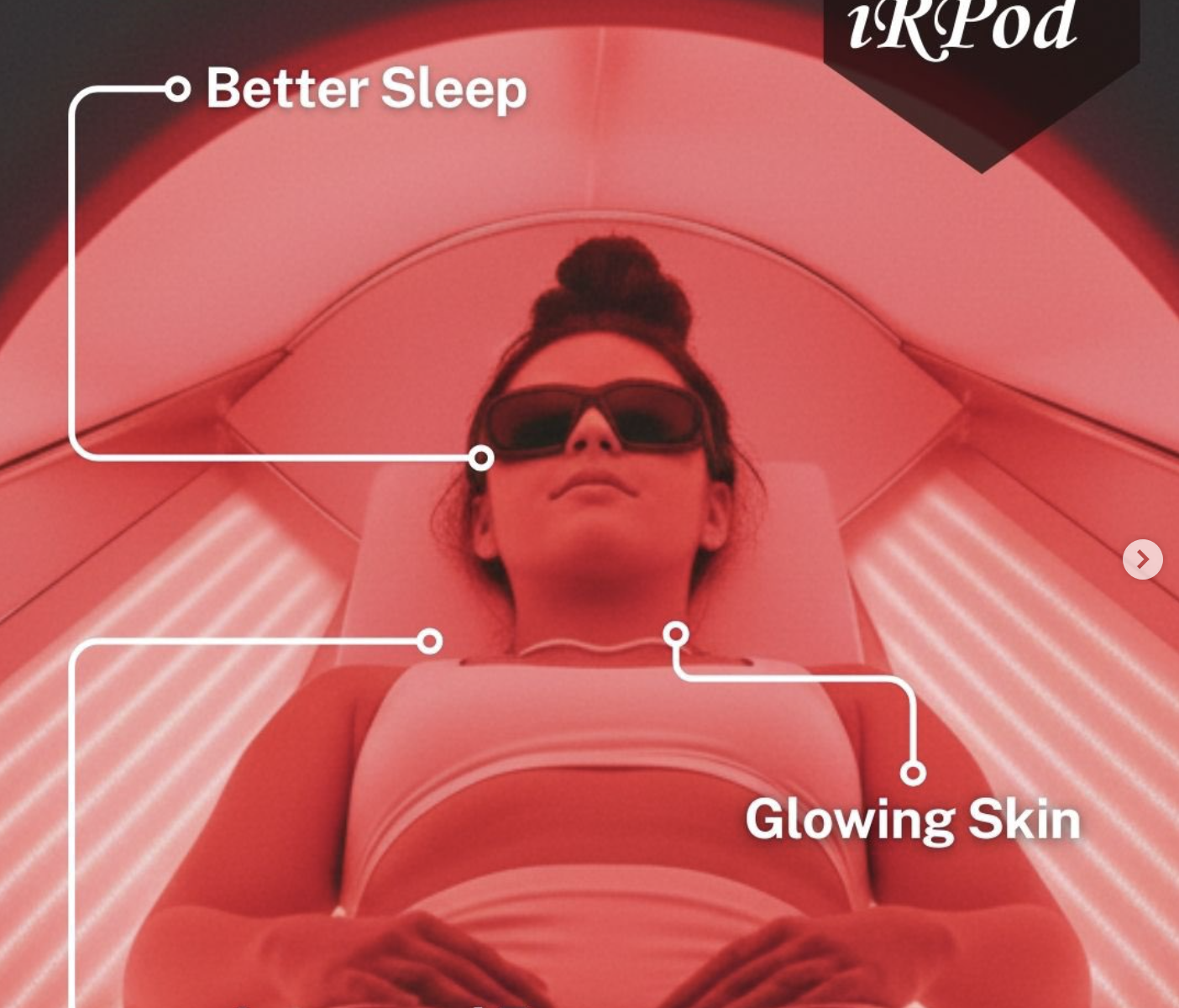
Photobiomodulation, also known as red and infrared light therapy, is gaining attention for good reason. By supporting cellular energy production, circulation, tissue repair, and a healthier inflammatory response, it may help address some of the factors that interfere with sleep, particularly pain, fatigue, and poor recovery. At iRPod, whole-body sessions are designed for exactly this kind of integrated wellness outcome – helping clients look better, feel better and perform better, with sleep often part of that result.
How to improve sleep naturally when stress is the main problem
If your body is exhausted but your mind will not stop, the issue is usually not lack of tiredness. It is lack of down-regulation.
A short wind-down routine can help more than a long wishlist of perfect habits you never stick to. That routine might be a warm shower, five minutes of slow breathing, light stretching, reading something calm, or simply turning your mobile face down and stepping away from it. The best routine is the one you will actually repeat.
Try not to judge yourself if sleep has been poor for a while. Sleep anxiety can become its own problem. The more pressure you place on falling asleep, the more alert your system becomes. Better sleep often starts when you focus less on forcing it and more on creating the conditions for it.
When to get help
If sleep problems have lasted for weeks, or they come with loud snoring, choking, severe fatigue, low mood, persistent pain, or frequent overnight waking, it is worth getting proper support. Natural strategies are valuable, but they should not replace assessment when symptoms are ongoing.
Sometimes the smartest natural approach is a layered one – better routines, better light exposure, better recovery, and the right professional guidance. That is how lasting results are usually built.
Sleep improves when your body feels safe, regulated and ready to repair. Start with one or two changes you can hold steady, give them time, and let consistency do the heavy lifting.