
Infrared Pod vs Sauna: What Works Better?

Infrared Pod vs Sauna: What Works Better?

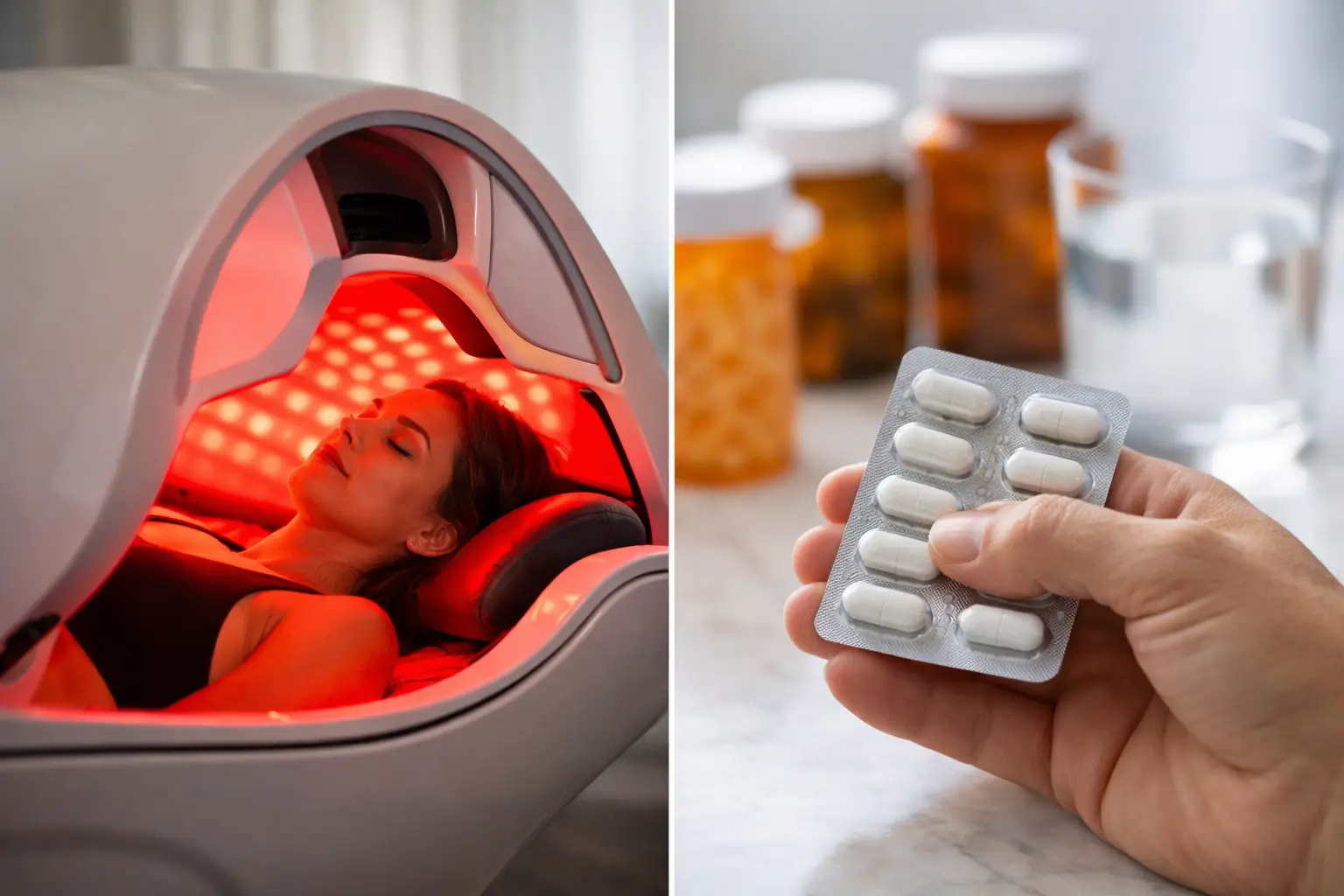
You can walk out of a sauna drenched, flushed and feeling like you have done something intense. You can step out of an infrared pod feeling calmer, clearer and surprisingly restored without the same heavy heat load. That difference matters. When people compare infrared pod vs sauna, they are often not comparing two versions of the same treatment. They are comparing heat-based sweating with a more targeted light-based wellness modality.

If your goal is simply to get hot and sweat, a sauna may tick the box. If your goal is broader – pain support, recovery, skin rejuvenation, better sleep, reduced inflammation and a more comfortable whole-body treatment – an infrared pod offers a very different experience. The best option depends on what you want your session to actually do.

Infrared pod vs sauna: the core difference

A sauna works primarily through heat. Traditional saunas heat the air around you, which then raises your body temperature. Infrared saunas use infrared heaters rather than steam or a hot stove, but the main experience is still heat exposure. You sit in a heated enclosure and your body responds to that rising thermal load.

An infrared pod, particularly one built around photobiomodulation, is not just about making you hot. It uses specific red and infrared light wavelengths delivered across the body to support cellular function. That includes helping stimulate ATP production, which is central to cellular energy, repair and recovery. In practical terms, that means the treatment is designed to work at a biological level, not just by forcing a sweat response.

This is where many comparisons go off track. A sauna aims to heat you. A photobiomodulation pod aims to influence how your cells function, while keeping treatment comfortable and controlled.

Why the experience feels so different

Most people notice the difference within minutes. Sauna sessions can feel intense, especially if you are heat-sensitive, fatigued, recovering from illness, or already dealing with inflammation and pain. Some love that strong, sweaty, post-session hit. Others find it draining.

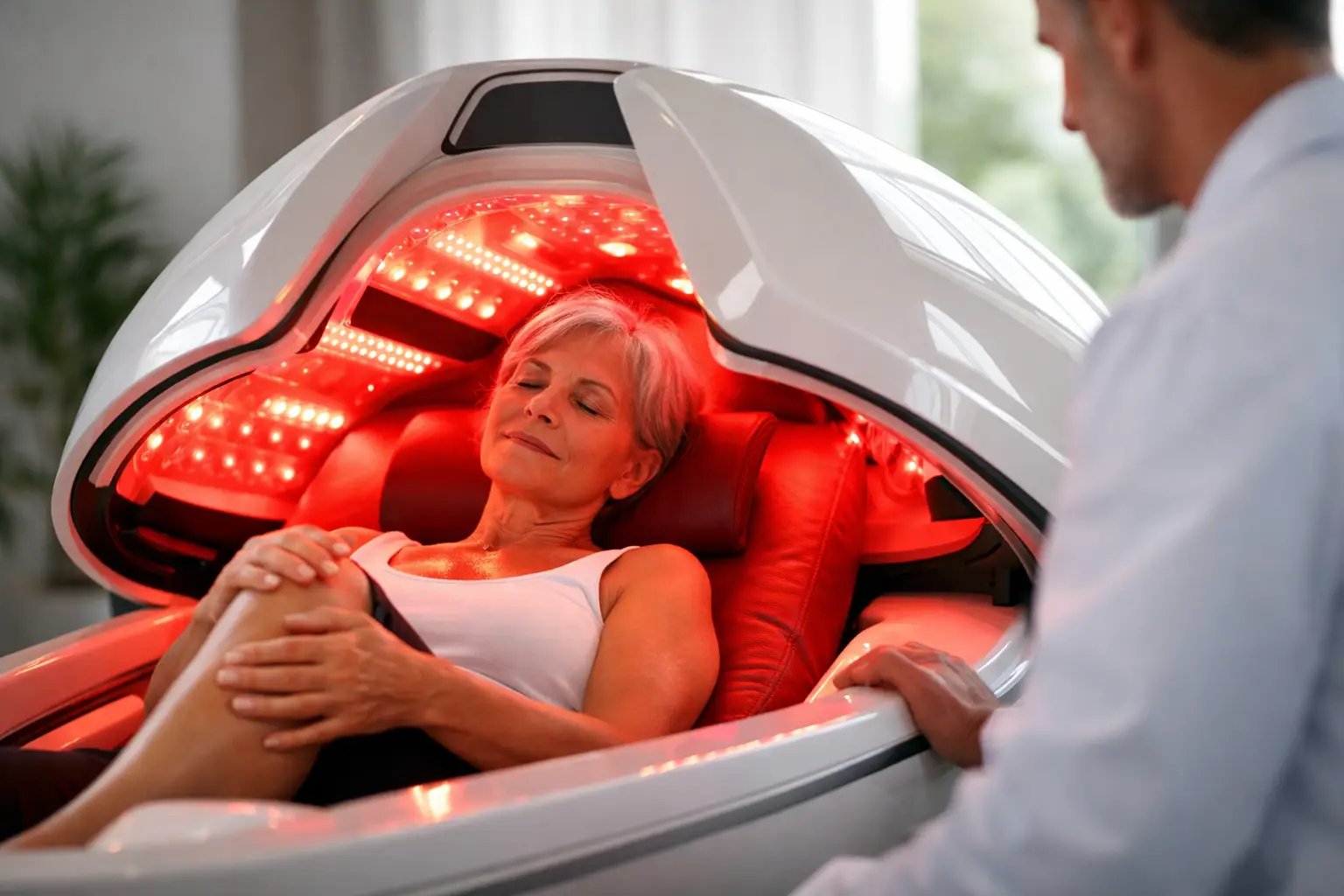
A quality infrared pod session is generally gentler. You lie down, the treatment is full-body, and the light delivery is temperature controlled. That matters for people who want the benefits of a restorative therapy without the stress of sitting in high heat for an extended period.

For clients with chronic fatigue syndrome, fibromyalgia, arthritis or post-surgical recovery needs, comfort is not a small detail. It can be the difference between a therapy they can stick with and one they avoid after the first session.

What a sauna does well

A sauna still has a place. It can promote relaxation, temporary muscle ease and that familiar post-sweat sense of release. Some people enjoy the ritual, the heat and the mental reset that comes with stepping away from screens and slowing down.

There is also a social and lifestyle side to saunas. They feel familiar. They are widely understood. And for people who tolerate heat well, they can be a useful part of a recovery or wellness routine.

But the trade-off is that the mechanism is relatively blunt. Heat can feel good, and sweating can be satisfying, but sweating itself is not the same as targeted therapeutic benefit. If someone is chasing support for tissue repair, pain reduction, skin quality or improved recovery after training, a sauna may not be the most precise tool for the job.

Where an infrared pod pulls ahead

An infrared pod built for photobiomodulation is designed to do more than create warmth. It delivers red and infrared light across the entire body, supporting processes linked to circulation, inflammation management, cellular repair and recovery.

That distinction is especially relevant for people who are not looking for a spa-style sweat session. They want results. They want help with pain that lingers, fatigue that will not lift, skin that looks tired, or recovery that feels slower than it should.

Whole-body delivery is another major advantage. Many light therapies are localised, treating one area at a time. A pod approach covers the body more comprehensively, which makes sense for systemic concerns like widespread pain, low energy, poor sleep, general inflammation and overall wellbeing. It is a more advanced treatment model than simply heating the body and hoping the response spreads where it is needed.

Infrared pod vs sauna for pain and recovery

This is one of the clearest dividing lines. Sauna users often report temporary relief because heat can relax muscles and improve comfort in the short term. That can be helpful, particularly after training or on a cold day when the body feels stiff.

But pain and recovery are not always just about loosening tight tissue. Often they involve inflammation, tissue stress, poor healing, nerve sensitivity or a system that is simply not bouncing back well. That is where photobiomodulation has stronger appeal. By supporting cellular energy production and repair processes, an infrared pod is positioned as a more therapeutic option for ongoing recovery needs.

For athletes, that can mean support between training sessions. For people recovering from injury or surgery, it can mean a non-invasive addition to the broader recovery plan. For those living with chronic pain conditions, it can offer a drug-free therapy that does not rely on aggressive heat tolerance.

It is not magic, and it is not usually a one-off fix. Like most evidence-based therapies, results tend to build over a course of treatment. But if the question is which option is better aligned with recovery rather than simple relaxation, the pod has the stronger case.

Skin, ageing and whole-body wellness

Saunas can make your skin look fresh straight after a session because heat increases circulation and gives that post-sweat glow. The effect is real, but often short-lived.

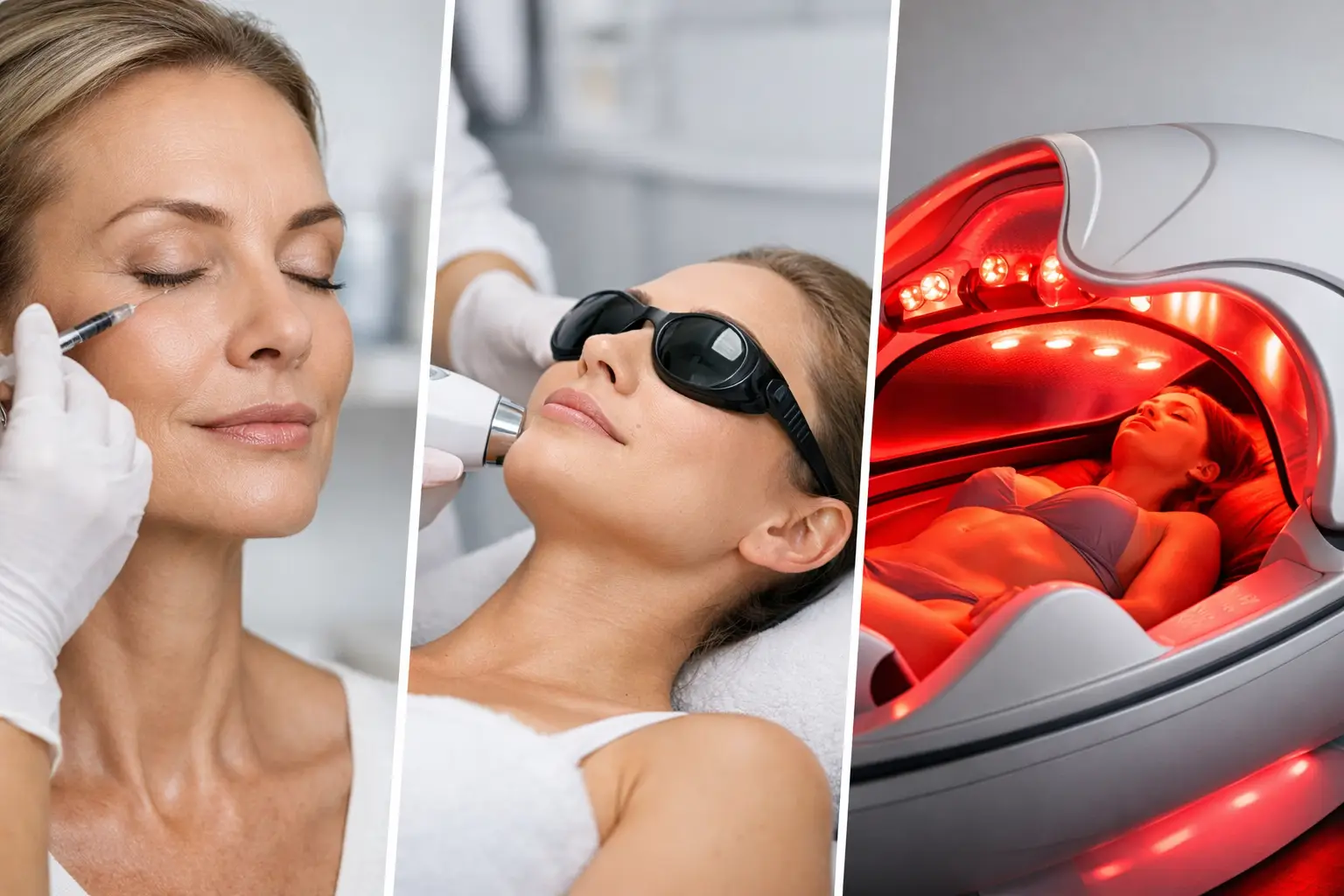
Red and infrared light therapy has a more compelling role in skin support because it is not just changing surface appearance for an hour or two. Photobiomodulation is commonly used to support skin rejuvenation, collagen response and overall skin vitality. That makes an infrared pod more attractive for clients who want aesthetic and wellness benefits in the same session.

This is part of the reason the treatment appeals to both recovery-focused clients and those who simply want to look better, feel better and perform better. You are not choosing between vanity and function. A well-designed pod session can support both.

Who may prefer a sauna

If you love intense heat, enjoy sweating heavily and want a familiar wellness ritual, a sauna may suit you perfectly. Some people genuinely feel mentally reset by the process, and that experience has value.

A sauna may also appeal if your expectations are simple. You want warmth, relaxation and a straightforward session with no interest in the more clinical side of recovery therapy.

That said, if you tend to feel wiped out by heat, become light-headed easily, or are managing ongoing fatigue, inflammation or persistent pain, a sauna may feel like hard work rather than help.

Who may be better suited to an infrared pod

If you want a non-invasive treatment that feels advanced, comfortable and outcome-driven, an infrared pod is often the smarter choice. It is particularly well suited to people seeking support for chronic pain, fatigue, sports recovery, sleep quality, mood, skin rejuvenation and post-injury or post-surgical recovery.

It also suits busy professionals who do not want to spend their wellness time enduring extreme heat just to feel they have earned a result. A 30-minute whole-body session can be a far more practical fit when you want therapeutic intent without the exhaustion.

For people in Melbourne looking for a clinically positioned option rather than another generic wellness trend, that difference becomes even more important. This is where established providers such as iRPod stand apart – not by selling heat, but by delivering full-body photobiomodulation in a controlled, evidence-based setting.

The better question is not which is hotter

A lot of people start with the wrong question. They ask which treatment makes you sweat more, or which one feels more intense. That is not the most useful comparison.

The better question is this: what are you trying to improve?

If you want a hot room, a sweat and a sense of release, a sauna can absolutely do that. If you want a therapy designed around cellular support, recovery, skin health and whole-body wellness, an infrared pod is operating in a more advanced category.

The future of wellness is not just about enduring more heat. It is about smarter treatments that help the body repair, restore and function better without adding unnecessary stress. If that is the outcome you are after, the pod is hard to ignore.

Choose the treatment that matches your goal, not just the one people recognise first. Your body usually knows the difference.

Red Light Therapy Melbourne: Is It Worth It?

Red Light Therapy Melbourne: Is It Worth It?

If you have been searching for red light therapy Melbourne options, you have probably noticed two things straight away – plenty of bold claims, and not much clarity about what actually makes one treatment approach different from another. That matters, because with photobiomodulation, the setup, dose, consistency and treatment area all influence the result. A small panel aimed at one sore spot is not the same as a full-body clinical session designed to support recovery, energy, skin health and pain reduction at the same time.

Why red light therapy Melbourne is getting real attention

This is not a passing wellness fad dressed up in scientific language. Red and near infrared light therapy, often referred to clinically as photobiomodulation or PBM, has been used in therapeutic settings for years. The interest has grown because more people want options that are non-invasive, drug-free and practical enough to fit into real life.

For many Melbourne clients, the appeal is simple. They are tired of chasing single-symptom fixes. They want one therapy that may help with pain, inflammation, recovery, sleep, mood, skin quality and general wellbeing. That is where full-body PBM stands apart. Rather than treating one tiny area in isolation, it gives the body broader exposure to therapeutic light wavelengths that may support cellular repair and regulation more systemically.

At a cellular level, photobiomodulation is understood to support mitochondrial function and ATP production. In plain English, that means it may help cells produce energy more efficiently. When that process improves, the flow-on effects can include better tissue repair, reduced oxidative stress, support for inflammation management and improved recovery after physical strain or injury. Those mechanisms are exactly why this therapy attracts such a wide mix of clients, from busy professionals and gym regulars to people dealing with chronic fatigue, arthritis or post-surgical healing.

What whole-body treatment changes

Not all red light therapy is built the same. That is one of the biggest reasons people get mixed results.

Localised treatment can absolutely have a place. If someone has a very specific issue, such as a sore shoulder or an irritated knee, targeted application may be appropriate. But for people dealing with broader concerns – persistent pain, fibromyalgia, fatigue, poor sleep, skin ageing, low mood or full-body recovery – a more comprehensive delivery method often makes more sense.

A whole-body PBM pod exposes much more of the body to consistent therapeutic light in one session. That can be especially valuable when symptoms are not neatly isolated to one area, or when the goal is not just to calm one hot spot but to improve how the body feels and functions more generally. For clients who want to look better, feel better and perform better, that wider treatment field is a major advantage.

There is also a practical benefit. Instead of moving a small device around and trying to treat multiple zones separately, a 30-minute full-body session can support a broader treatment outcome in one appointment. For time-poor clients, that efficiency matters.

What red light therapy Melbourne clients usually want help with

The strongest interest tends to come from people who have a clear reason to try something different. Sometimes that is chronic pain that has become draining and frustrating. Sometimes it is fatigue that makes everyday life feel heavier than it should. Sometimes it is recovery – from training, from surgery, or simply from the wear and tear of a demanding week.

Pain relief is one of the most common drivers. Clients living with arthritis, muscular tension, old injuries or inflammatory flare-ups are often looking for support that does not revolve around repeated medication use. PBM may assist by helping calm inflammatory processes and supporting tissue healing, although outcomes vary depending on the condition, severity and treatment consistency.

Fatigue and low resilience are another major area. People managing chronic fatigue syndrome or fibromyalgia are often caught in a cycle of poor sleep, pain and depleted energy. No credible clinic should promise a miracle here. These are complex conditions. But many people are drawn to full-body light therapy because it is gentle, non-invasive and designed to support the body rather than stress it further.

Skin rejuvenation also drives interest, particularly for clients who want a fresher, healthier appearance without harsh procedures or downtime. Red light has been associated with collagen support, improved skin tone and a calmer-looking complexion. It is not a substitute for every cosmetic treatment, and expectations should stay realistic, but it can be an attractive option for those wanting a more natural approach to skin health.

Then there is performance and recovery. Fitness-focused clients often use PBM as part of a broader recovery strategy to support muscle repair, reduce post-training soreness and help them maintain consistency. Better recovery is not just about elite sport. It matters just as much to the person who wants to train three times a week without feeling wrecked afterwards.

What to look for in a clinic

The strongest red light therapy Melbourne providers do more than put a glowing machine in a room and hope for the best. Clinical credibility matters. So does the quality of the technology, the treatment design and the experience around it.

Start with the treatment format. Is the clinic using a narrow, localised device, or a true whole-body system? If your goals are broad, that distinction is not minor. It affects convenience, treatment reach and potentially the overall response.

Then look at whether the clinic talks clearly about photobiomodulation rather than relying on vague wellness language. You want a provider that understands therapeutic wavelengths, dosage considerations and why repeat sessions are often recommended. A single session may feel beneficial, but many outcomes build over a course of treatment. For some clients, four sessions may be enough to notice meaningful changes. Others may need a longer plan, particularly if they are dealing with long-standing pain, chronic fatigue or slower tissue repair.

Environment matters too. A treatment can be clinically grounded without feeling cold or intimidating. The best clinics manage both – advanced technology delivered in a calm, professional setting where clients feel safe and looked after.

Is it actually worth it?

For the right person, yes. But worth depends on what you expect.

If you want a non-invasive therapy that may support pain reduction, tissue healing, recovery, skin rejuvenation, sleep and mood, red light therapy has a strong case. If you expect one session to undo years of inflammation, poor sleep or chronic symptoms, you will probably be disappointed. This is a therapy that tends to reward consistency.

That is especially true with whole-body photobiomodulation. The value is not only in what happens during one appointment. It is in what can build over a series of properly delivered treatments. Many clients report that the shifts begin subtly – less stiffness on waking, slightly better sleep, steadier energy, quicker recovery after exercise, skin that looks calmer or brighter. Those changes can compound.

The other reason it can be worth it is safety profile. Compared with more invasive options, PBM is appealing because it does not involve needles, surgery or drug load. That does not mean it is a cure-all, and it does not replace medical care where that is needed. It means it offers a credible adjunct or alternative for people who want a lower-risk therapy with a broad potential benefit range.

Why established technology matters more than hype

In a crowded market, it is easy for newer providers to focus on aesthetics and social media appeal. What clients actually need is confidence that the treatment has been built around outcomes, not just presentation.

An established clinic using full-body LED delivery across thousands of temperature-controlled lights offers something more serious than a novelty wellness experience. It suggests attention to consistency, comfort and treatment coverage. That matters for people who are not just curious, but committed to feeling and functioning better.

For Melbourne clients wanting a more advanced option, iRPod has positioned itself around that whole-body model, combining clinical PBM principles with a premium treatment experience. That blend of authority and accessibility is exactly what many people are looking for – a therapy that feels modern and aspirational, but still grounded in science.

The smartest way to approach red light therapy is with clear goals. Know whether you are seeking help for pain, recovery, energy, skin, sleep or a combination of those. Ask how the treatment is delivered, how many sessions are usually recommended, and what kind of progress is realistic for your situation. Good therapy is not about exaggerated promises. It is about a treatment plan that gives your body the right support, consistently, and lets the results build from there.

If your body has been asking for better recovery, calmer pain, deeper sleep or a fresher sense of energy, that is usually worth listening to.

PBM Pod vs Light Panel: What Works Best?

PBM Pod vs Light Panel: What Works Best?

A lot of people start with the same question: in the PBM pod vs light panel debate, is bigger actually better, or is a panel enough to get real results? The honest answer is that it depends on what you want treated, how consistently you’ll use it, and whether you need targeted care or a true whole-body therapy experience.

That distinction matters more than most marketing suggests. Red and infrared light therapy is not one-size-fits-all. The delivery format changes the treatment experience, the amount of body surface exposed, the practicality of each session, and in many cases the type of outcome you can reasonably expect.

PBM pod vs light panel: the real difference

Both a PBM pod and a light panel use photobiomodulation. That means specific wavelengths of red and near-infrared light are delivered to the body to support cellular energy production, circulation, tissue repair, inflammation management and recovery. The science behind the category is the same. The difference is how that light is delivered.

A light panel is typically designed for front-on exposure to a limited section of the body. You stand or sit near it and treat one area at a time, or at best one side of the body. It can be useful for localised concerns such as a sore knee, part of the back, facial skin, or post-exercise muscle soreness in a specific area.

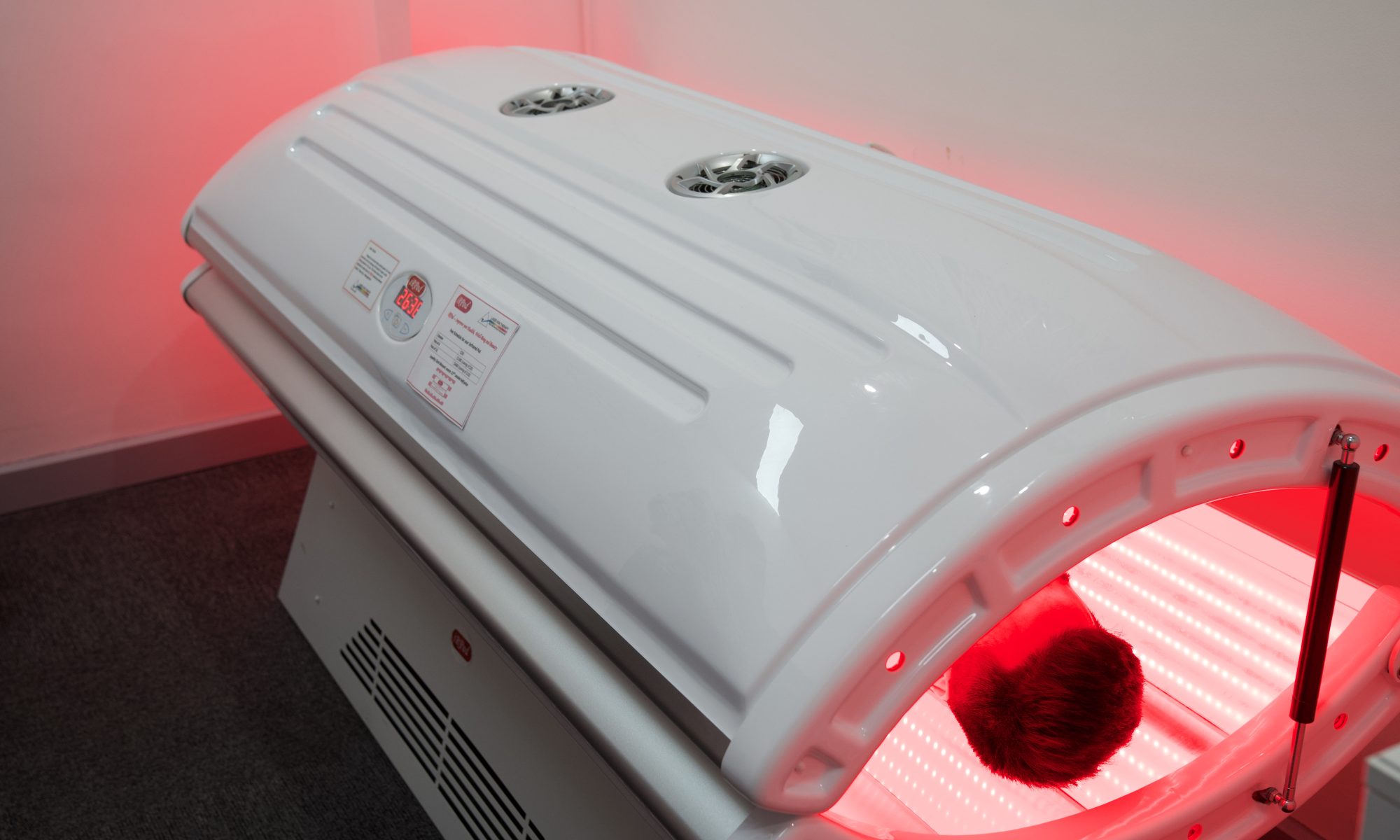
A PBM pod is built for full-body treatment. You lie inside the unit while light is delivered across a far larger treatment field. That changes more than convenience. It creates a more complete therapy environment for people dealing with widespread pain, fatigue, systemic inflammation, slow recovery, sleep issues, or those wanting broader skin and wellness benefits in one session.

Why treatment coverage changes the outcome

Coverage is where the PBM pod vs light panel comparison becomes much clearer. If your concern is isolated, a panel may be enough. If your symptoms are widespread or you want a more efficient whole-body session, the pod has a major advantage.

Many people are not dealing with a single sore spot. They may have fibromyalgia, chronic fatigue syndrome, arthritis affecting multiple joints, post-training soreness across the body, or a general sense that recovery and energy are not where they should be. In those cases, treating one section at a time can become slow, inconsistent and impractical.

A whole-body PBM pod allows the body to receive broad exposure in a single 30-minute session. That can be particularly valuable when the goal is not just local relief, but support for overall recovery, reduced oxidative stress, better sleep quality, improved mood, circulation support and skin rejuvenation across larger areas.

This is also where treatment adherence comes into play. A therapy only helps if people actually keep doing it. If a format is fiddly, time-consuming or limited to one body part at a time, many people will not stick with the frequency needed to notice meaningful change.

When a light panel makes sense

A panel is not the wrong option. It simply suits a narrower use case.

If you want to treat a specific joint, a small muscle group, or focus on facial skin, a panel can be a sensible entry point. It may also suit someone who prefers shorter, localised sessions and does not need broad body coverage.

For a targeted issue, that can be enough. The key is being realistic. A panel is generally not designed to replace a dedicated whole-body treatment if your symptoms extend well beyond one area.

When a PBM pod makes more sense

A PBM pod tends to be the stronger choice when your goals are broader, your symptoms are multi-site, or your lifestyle demands efficiency. It is particularly well suited to people managing persistent pain, recovery after surgery or training, low energy, poor sleep, age-related skin concerns, or chronic conditions that affect the body more generally.

For these clients, whole-body delivery is not just a luxury feature. It is often the difference between a treatment that feels piecemeal and one that feels clinically purposeful.

Power, proximity and practical use

One of the biggest misconceptions in red light therapy is that all devices are effectively equal if they use similar-looking LEDs. They are not. Device design, output, treatment distance, consistency of exposure and session structure all shape the result.

With a panel, positioning matters. You need to be at the right distance, angle your body correctly, rotate if you want the back treated, and often manage session timing manually. None of that is impossible, but it introduces friction. It can also create uneven exposure, especially when users try to cover more body area than the panel was built for.

A PBM pod simplifies the treatment process. The body is positioned for broad exposure, the session is set, and the environment is controlled for comfort. That matters because comfort supports consistency, and consistency is where outcomes begin to stack up.

In a clinical setting, this becomes even more important. A professionally delivered PBM pod session offers a more structured approach than casual home use. For people who are serious about results, that can remove a lot of guesswork.

Comfort matters more than people think

This part is often overlooked. A treatment can be scientifically promising and still fail in real life if the experience is awkward enough to discourage repeat sessions.

Standing in front of a panel, adjusting your position, and dividing the body into separate treatment zones can feel manageable at first. Over time, especially for people with fatigue, pain or limited mobility, it can become another task on the list.

A pod creates a very different experience. You lie down, relax, and receive the treatment across the body in one session. For many clients, that turns PBM from a chore into a therapy they genuinely look forward to. That shift matters. A calm nervous system, a comfortable body position and a more immersive session can help people stay on track with a recommended plan.

Results depend on the goal

If your only goal is a targeted area, comparing a PBM pod to a light panel is fairly straightforward. A panel may be sufficient. But most adults seeking red and infrared light therapy are not chasing one narrow outcome.

They want less pain and better movement. They want to recover faster after training. They want to support healing after a procedure. They want better sleep, brighter mood, more energy and healthier-looking skin. Once you look at the full picture, whole-body treatment becomes much harder to ignore.

That does not mean a pod is automatically better for every person in every situation. It means the pod is often better matched to complex, real-world wellness goals. For people dealing with overlapping concerns, a localised tool can feel limited very quickly.

PBM pod vs light panel for skin, pain and recovery

For skin concerns, both can help, but the treatment area matters. A panel may be fine for the face or a small region. A PBM pod makes more sense if the goal includes skin rejuvenation across larger body areas while also supporting broader wellness benefits.

For pain, it again depends on whether the pain is isolated or widespread. A sore shoulder from training is different from arthritis in multiple joints or body-wide sensitivity linked to fibromyalgia. Local pain can suit local treatment. Systemic or multi-site pain often responds better to a whole-body approach.

For recovery, the pod has a strong practical edge. Athletes, active professionals and post-surgical clients often want a treatment that supports the body globally rather than one muscle at a time. That is where full-body exposure can become a smarter use of time and a more compelling therapeutic option.

The better question to ask

Instead of asking which device is best in general, ask which format best matches your condition, your goals and your likelihood of sticking with treatment.

If you only need occasional, targeted exposure, a light panel may do the job. If you want comprehensive support for pain, healing, recovery, sleep, energy, mood and skin in one clinically guided format, a PBM pod is in a different category.

That is why established clinics that focus on photobiomodulation have moved towards full-body delivery. It reflects what many clients actually need – not a small patch of light, but a treatment that meets the body at scale.

For people in Melbourne weighing up the next step, the smartest choice is not the cheapest-looking device or the trendiest setup. It is the format that gives you the best chance of getting consistent, measurable benefit without turning treatment into hard work.

The future is here today, but only if the therapy fits the person using it. Choose the option that matches the size of your goal, not just the size of the device.

7 Best Wellness Treatments for Fatigue

7 Best Wellness Treatments for Fatigue

Dragging yourself through the afternoon is one thing. Feeling flat after a full night’s sleep, struggling to recover after exercise, or waking up tired day after day is another. When people start searching for the best wellness treatments for fatigue, they are usually not looking for hype. They want something that feels safe, makes physiological sense, and has a real chance of helping them get their energy, focus and resilience back.

Fatigue is not one-size-fits-all, and that is where many wellness recommendations fall over. The right treatment depends on whether you are dealing with poor sleep, chronic stress, post-viral exhaustion, pain-related fatigue, overtraining, low mood, or a more persistent condition such as chronic fatigue syndrome or fibromyalgia. The smartest approach is to look for treatments that support the body at a foundational level rather than simply masking symptoms for a few hours.

What actually makes a fatigue treatment worth trying?

A treatment earns its place when it does more than provide a temporary lift. Caffeine can help in the moment, but it is not a wellness strategy. The best options tend to support sleep quality, cellular energy production, nervous system regulation, inflammation management and recovery capacity.

That matters because fatigue is often cumulative. Poor sleep increases stress load. Stress disrupts recovery. Ongoing pain drains mental and physical energy. Inflammation can leave people feeling heavy and depleted. Once that cycle is established, people often need more than rest and good intentions.

The treatments below are the ones most consistently worth considering if your goal is sustainable energy, not a short-lived burst.

1. Photobiomodulation is one of the best wellness treatments for fatigue

If fatigue is tied to poor recovery, chronic pain, low mood, disturbed sleep or persistent physical stress, photobiomodulation deserves serious attention. Also known as red and infrared light therapy, this treatment uses specific therapeutic wavelengths of light to support cellular function.

The reason it stands out is simple. Energy starts at the cellular level. Photobiomodulation is associated with supporting mitochondrial activity and ATP production, which is central to how the body generates usable energy. It is also used to help manage oxidative stress and inflammation, both of which can contribute to that heavy, drained feeling many people describe as fatigue.

For some people, the benefit is direct. They feel more energised, recover faster and notice less day-to-day exhaustion. For others, the improvement comes through secondary effects such as better sleep, reduced pain or improved mood. That distinction matters, because fatigue is often the end result of several problems happening at once.

A whole-body format can be especially appealing when fatigue is systemic rather than localised. Instead of treating one sore area, full-body delivery is designed to support broader wellness outcomes in a single session. For people who want a drug-free and non-invasive option, that combination of safety, comfort and science-based positioning is hard to ignore.

2. Sleep-focused therapy

It sounds obvious, but poor-quality sleep is still one of the most overlooked drivers of ongoing fatigue. Not just short sleep, but fragmented sleep, light sleep, late sleep and sleep that never feels restorative.

Sleep-focused therapy can include behavioural strategies, relaxation work, light exposure timing and treatment of physical barriers such as pain or stress. This is where nuance matters. Telling a fatigued person to get more sleep is not treatment. Helping them actually achieve deeper, more consistent sleep is.

If you wake unrefreshed most mornings, toss and turn, or hit a wall despite spending enough time in bed, address sleep quality first. It can be the highest-return move you make.

3. Recovery therapies for stress and nervous system overload

Not all fatigue comes from doing too much physically. A lot of it comes from staying switched on for too long. High-performing professionals, busy parents and people carrying chronic stress often live in a near-constant state of physiological overdrive. Eventually, the body starts pushing back.

Treatments that calm the nervous system can be useful here, especially when fatigue comes with tension, poor sleep, irritability or wired-but-tired feelings. Breathwork, guided relaxation, therapeutic massage and body-based recovery sessions can all play a role.

The trade-off is that these therapies are often highly individual. Some people respond quickly. Others need consistency before they notice a meaningful difference. They are rarely a silver bullet, but they can be a valuable part of a broader fatigue plan.

4. Gentle movement and recovery exercise

When you are exhausted, exercise advice can feel insulting. Still, the right kind of movement is often therapeutic. The key words are right kind.

If fatigue is linked to sedentary habits, low mood, poor circulation or stress, gentle movement can improve energy over time. Walking, mobility work, light resistance training and carefully paced exercise can support sleep, circulation and overall resilience.

But more is not always better. People with post-viral fatigue, chronic fatigue syndrome or significant burnout can worsen symptoms by pushing too hard. In those cases, aggressive fitness plans are not wellness treatments. They are setbacks dressed up as discipline.

A smart practitioner will look at your recovery capacity, not just your motivation.

5. Nutritional and hydration support

Sometimes fatigue has a straightforward contributor: under-fuelling, poor hydration, erratic eating patterns or nutrient gaps. If your diet is built around convenience, long workdays and skipped meals, the body notices.

Hydration matters more than many people realise, especially for concentration, stamina and headaches. So does stable protein intake, adequate iron, B vitamins and enough overall energy intake. This is particularly relevant for active adults, shift workers and anyone trying to juggle exercise with a demanding schedule.

That said, nutrition is often overmarketed in the wellness space. A supplement stack is not a substitute for proper assessment. If fatigue is persistent, severe or unexplained, it is sensible to rule out medical causes rather than assuming a powder or tonic will fix it.

6. Pain-reduction therapies

Pain and fatigue are deeply connected. If the body is constantly managing discomfort, it uses energy. If pain disrupts sleep, limits movement and increases stress, fatigue tends to follow.

This is why people with arthritis, fibromyalgia, injury recovery needs or post-surgical soreness often report exhaustion alongside pain. In those cases, treatments that reduce pain may also improve energy, even if fatigue was the main complaint that brought them in.

Photobiomodulation is relevant again here because pain reduction and tissue support are among its most recognised applications. The same is true for other non-invasive recovery-focused treatments when appropriately used. If your fatigue always seems worse when your body hurts, address the pain pathway, not just the tiredness.

7. Mood and mental wellbeing support

Low mood does not always look like sadness. Sometimes it looks like no drive, no spark and no stamina. Mental fatigue can blur into physical fatigue, and the two often reinforce each other.

Wellness treatments that support mood can therefore have an energy benefit as well. This might include structured counselling, stress management, mindfulness-based therapies or restorative treatments that help improve sleep and recovery.

There is no shame in recognising the mental side of fatigue. In fact, it is often the missing piece. If your body feels heavy and your motivation has disappeared, mood support may be just as important as any physical treatment.

How to choose the best wellness treatments for fatigue for your situation

Start by asking what your fatigue seems to travel with. If it shows up with poor sleep, start there. If it follows hard training or injury, look at recovery. If it sits alongside chronic pain, inflammation or a long-term condition, focus on therapies that work at a deeper physiological level.

This is where non-invasive, evidence-based treatments tend to stand apart from wellness fads. They do not ask you to believe in magic. They offer a mechanism, a treatment plan and a realistic pathway to change.

For many adults, especially those balancing work, family, training and the general wear-and-tear of life, the best approach is not choosing one treatment in isolation. It is building a fatigue strategy. That might mean improving sleep, reducing pain, supporting cellular energy and calming the nervous system all at once.

For people in Melbourne looking for an advanced option, whole-body photobiomodulation is worth considering because it fits that broader brief. It is safe, drug-free, non-invasive and designed to help people look better, feel better and perform better without adding more strain to an already depleted system.

If fatigue has become your normal, that is your cue to stop normalising it. The most effective treatment is often the one that addresses why your energy keeps dropping in the first place, then gives your body the support to recover properly.

Post Workout Recovery Treatment Options

Post Workout Recovery Treatment Options

You finish a hard session feeling strong, then the next day your legs are heavy, your back is tight, and your energy drops off a cliff. That is where smart post workout recovery treatment options matter. Recovery is not a soft extra tacked on after training. It is part of performance itself, because the body adapts between sessions, not during them.

For most active adults, the goal is not simply to feel less sore. It is to bounce back faster, protect consistency, and avoid the slow build-up of fatigue that can turn good training into poor sleep, irritability, stalled progress, or injury. The right recovery approach depends on training load, age, sleep quality, stress levels, and whether you are managing pain, inflammation, or a previous injury.

What good recovery is actually trying to do

After exercise, your body is dealing with several jobs at once. Muscle fibres need repair, energy stores need replenishing, and the nervous system needs to settle. Blood flow, inflammation, hydration, sleep, and cellular energy production all influence how quickly you return to baseline.

That is why recovery is rarely one magic fix. A treatment that helps one person after a heavy strength block may not be the best choice for someone doing endurance work, returning from surgery, or training through an old knee issue. Effective recovery is usually layered. You pair the basics with targeted support when your body needs more than food, water, and a good night in bed.

The most useful post workout recovery treatment options

Some post workout recovery treatment options are simple and free. Others are more advanced and make sense when training demands are high or recovery has become the limiting factor.

Sleep and nervous system recovery

If sleep is poor, everything else works less effectively. Growth and repair are heavily tied to deep sleep, and this is often the first thing to suffer when people push hard in the gym while juggling work, stress, and a full calendar. Improving sleep hygiene, reducing late caffeine, and allowing genuine downtime after evening training can lift recovery more than any gadget.

There is also a nervous system component that people overlook. If you finish every session in a highly stimulated state, the body can stay switched on for too long. Breathing work, light walking, stretching, and recovery treatments that promote relaxation can help bring the system back toward balance.

Hydration and nutrition support

This is basic, but basic does not mean optional. Rehydration supports circulation, temperature regulation, and muscle function. Protein gives the body the building blocks for repair, while carbohydrates help restore glycogen after intense or long-duration sessions.

Timing matters, but not in an obsessive way. Most people do well when they eat a balanced meal or recovery snack within a sensible window after training, then continue fuelling properly across the day. If soreness is persistent and energy remains low, under-fuelling is often part of the picture.

Active recovery and mobility work

Not every sore body needs complete rest. Low-intensity movement can increase circulation, reduce stiffness, and help people feel better faster. That might mean a gentle walk, easy spin, light swim, or mobility session rather than collapsing on the couch for the rest of the day.

The trade-off is that active recovery should stay truly light. If it becomes another workout, it stops being recovery. This is where many motivated people get it wrong.

Massage and hands-on therapy

Massage can reduce muscle tension, improve how the body feels, and give short-term relief from tightness after heavy training. Many people find it especially useful after race efforts, strength blocks, or periods of accumulated fatigue.

But it is not always the best immediate choice. Deep tissue work too close to a major event or when the body is already highly inflamed can leave you feeling more tender rather than fresher. The right pressure, timing, and therapist make a difference.

Compression, cold therapy, and heat

Compression garments and compression boots are popular because they can help some people feel less heavy and more recovered, particularly after long runs, field sport, or travel. Evidence is mixed on performance outcomes, but perceived recovery matters too when it helps you train consistently.

Cold therapy can reduce soreness for some people, though it may not always be ideal immediately after strength training if your main goal is muscular adaptation. Heat can be helpful for stiffness and comfort, especially when acute swelling is no longer the main issue. This is a classic it depends category. What works best is often tied to the type of training you have just done and the outcome you want next.

Where photobiomodulation fits in

Among advanced post workout recovery treatment options, photobiomodulation stands out because it is non-invasive, drug-free, and built around supporting the body at a cellular level. Rather than forcing the body into recovery, it aims to support the processes already meant to happen.

Photobiomodulation uses specific red and infrared wavelengths to interact with cells and support mitochondrial function. In practical terms, that means helping the body produce ATP, the energy currency cells rely on for repair and normal function. This is one reason the therapy has become increasingly relevant in sports recovery, pain management, tissue healing, and broader wellbeing.

For active people, the appeal is straightforward. When recovery slows, performance usually follows. If a treatment can help reduce soreness, support circulation, ease inflammation, and promote a better recovery environment without adding medication or downtime, it earns attention.

Why whole-body treatment can matter

Local treatment has its place, especially for a specific joint or injury site. But post-training fatigue is often not local. A hard workout can leave the whole body feeling flat, not just one calf or one shoulder.

That is where whole-body photobiomodulation offers a different proposition. A full-body pod can expose large treatment areas evenly, which is useful when the goal is broad recovery support rather than spot treatment alone. For people managing high training loads, generalised soreness, poor sleep, or the overlap between exercise fatigue and chronic pain, wider coverage can be a meaningful advantage.

At iRPod, this whole-body approach is central to the experience. The treatment is designed to support recovery, tissue healing, pain reduction, and overall wellbeing in a 30-minute session, using advanced red and infrared light delivery across the entire body.

Who benefits most from advanced recovery support

Elite athletes are not the only people who need help recovering. In fact, many high-functioning adults need it more because they are training around work deadlines, family responsibilities, interrupted sleep, and old injuries they never fully addressed.

If you are doing regular strength training, running, cycling, HIIT, Pilates, or social sport and noticing that soreness lingers too long, your baseline recovery may not be keeping up. The same goes for people returning to exercise after illness, surgery, or extended time off. Recovery support can also be valuable for those living with conditions such as fibromyalgia or chronic fatigue, where exertion may trigger a disproportionate response.

The key question is not whether recovery tools are trendy. It is whether your current approach is getting the job done.

How to choose between post workout recovery treatment options

Start with the bottleneck. If you are sleeping badly, fix that first. If nutrition is inconsistent, no premium treatment will fully cover the gap. If the main issue is localised pain, targeted therapy may be more useful than a general recovery session.

If, however, the problem is broader – heavy legs, delayed recovery, repeated soreness, systemic fatigue, poor sleep after training, or an accumulation of tension and inflammation – then whole-body recovery therapies deserve a closer look. That is especially true when you want a safe, non-invasive option that fits into a busy routine.

It is also worth thinking in terms of dosage. One session can feel good, but recurring training stress often calls for a recovery plan rather than a one-off fix. This is why multi-session treatment pathways tend to suit people who are serious about performance, healing, or getting on top of a longer-standing issue.

Recovery is where better performance is built

The best training plan in the world will underdeliver if your body never gets the chance to absorb it. Strong recovery is not about doing less. It is about giving your body the right conditions to repair, adapt, and come back ready for more.

That may be as simple as improving sleep and hydration, or it may mean adding clinically grounded support such as whole-body photobiomodulation when basic strategies are no longer enough. If your body is sending clear signs that it is struggling to keep pace with your effort, listening early usually leads to better results than pushing through and hoping for the best.

Train hard if you want to. Just make sure your recovery is working just as hard for you.

Drug Free Pain Relief Melbourne Options

Drug Free Pain Relief Melbourne Options

Pain changes the shape of your day. It can make work feel harder, sleep feel lighter, training feel slower, and recovery feel far too long. For many people, the search for drug free pain relief Melbourne wide starts when medication stops feeling like a real solution and starts feeling like a compromise.

The good news is that non-invasive pain support has moved well beyond heat packs and wishful thinking. There are now clinically grounded options designed to reduce pain, support tissue repair, and help the body recover without adding to the medication load. The right choice depends on the kind of pain you have, how long you have had it, and what outcome matters most to you – fast relief, better function, less inflammation, or a more sustainable recovery plan.

Why more people want drug free pain relief in Melbourne

The demand is not hard to understand. Many adults are managing busy professional lives, family commitments, training schedules, or long-term health conditions at the same time. They want relief, but they also want clarity, energy, and control. That is where drug-free care becomes especially appealing.

Medication can absolutely have a place in pain management, particularly in acute or severe cases. But it is not always ideal as a long-term strategy. Some people want to avoid side effects. Others are tired of temporary relief that does little to address the underlying recovery process. If pain is linked to inflammation, tissue stress, poor healing, overtraining, arthritis, post-surgical recovery, or persistent fatigue syndromes, it makes sense to look at options that support the body rather than simply dull sensation.

This is where evidence-based, non-invasive therapies have gained traction. The strongest options tend to focus on circulation, cellular repair, nervous system regulation, inflammation reduction, and improved recovery capacity.

What actually counts as drug free pain relief Melbourne patients can use?

Not every natural or non-invasive treatment belongs in the same category. Some methods are passive and soothing, while others are more targeted and clinically active. The best approach is usually determined by the type of pain involved.

Manual therapies like remedial massage can be useful for muscular tension, overuse, and stiffness. Exercise physiology and physiotherapy are often valuable for rebuilding strength, restoring movement, and correcting loading patterns. Acupuncture may help some people with chronic pain, particularly when pain has a strong muscular or nervous system component. Mind-body approaches such as breathwork, pacing, and guided relaxation can also play a role, especially when pain has become persistent and stress-sensitive.

Then there is photobiomodulation, also known as red and infrared light therapy. This is one of the more advanced options in the non-invasive space because it is not simply about relaxation. It is designed to support cellular energy production and tissue recovery using therapeutic wavelengths of light.

How photobiomodulation supports pain relief

Photobiomodulation works by delivering specific red and infrared wavelengths into the body, where light energy is absorbed by the mitochondria – the energy-producing structures inside cells. That matters because pain and delayed healing often sit alongside reduced cellular function, inflammation, and oxidative stress.

When the body has more usable cellular energy, it is better equipped to repair tissue, regulate inflammation, and recover from physical stress. This is why photobiomodulation is used across a wide range of concerns, from joint pain and soft tissue injury through to chronic inflammatory conditions, post-exercise soreness, and post-surgical recovery.

For the right person, the appeal is obvious. It is non-invasive, drug-free, and generally relaxing to receive. There are no needles, no downtime, and no force applied to already sensitive structures. That makes it particularly relevant for people who feel flared by aggressive treatment, or who are simply looking for a more comfortable path forward.

Why whole-body light therapy stands out

One important difference in this category is whether treatment is localised or whole-body. Localised devices can be effective for specific sites such as a knee, shoulder, or lower back. But pain is not always neatly isolated. Many people experience widespread discomfort, systemic inflammation, poor sleep, fatigue, or multiple pain sites at once.

A whole-body photobiomodulation pod offers a broader treatment experience. Instead of targeting one small area, it exposes the body to therapeutic light across a much larger surface area. That matters for people dealing with fibromyalgia, chronic fatigue syndrome, generalised pain, recovery issues, or the combination of pain plus poor sleep and low energy.

This wider delivery can also be useful when pain is only part of the picture. A person may come in because their joints ache, but what they really want is to move better, train better, sleep better, and feel like themselves again. Whole-body treatment aligns with that broader wellbeing goal.

Who may benefit most from this approach

Drug-free pain relief is not a one-size-fits-all category, and photobiomodulation is not a cure-all. But there are clear situations where it may be especially useful.

People with arthritis often look for ways to settle pain and stiffness without leaning too heavily on medication. Those recovering from surgery or injury may want support for tissue healing without adding more strain. Active people and athletes often use light therapy to improve recovery between sessions and reduce soreness. Clients with fibromyalgia or chronic fatigue syndrome may also be drawn to therapies that are gentle, non-invasive, and designed to support systemic recovery rather than just local symptom suppression.

It can also be relevant for people whose pain is entangled with sleep disruption, stress, poor recovery, or general inflammation. If the body is stuck in a cycle of soreness, fatigue, and slow repair, a therapy that targets cellular function may offer a more meaningful next step than another short-lived workaround.

What results should you realistically expect?

This is where a credible clinic should be direct. Response times vary. Some people notice changes quickly, especially in muscle tension, recovery, and general soreness. Others need a series of sessions before improvements in pain, mobility, and function become more obvious.

That does not mean the therapy is ineffective. It means biology takes time, particularly when pain has been present for months or years. Chronic pain is rarely solved in one visit, no matter which therapy you choose. A realistic treatment plan often involves multiple sessions across several weeks, with progress assessed against practical outcomes like improved movement, easier sleep, lower pain intensity, faster recovery, or reduced flare-ups.

Consistency matters. So does matching the treatment to the person. A desk-based professional with neck and shoulder pain may respond differently from a runner managing tendon overload, or someone living with widespread pain and fatigue. The best results tend to come from a clear plan, the right dose of treatment, and enough repetition to let the body adapt.

Choosing a clinic for drug free pain relief Melbourne wide

If you are comparing options, look past generic wellness language and pay attention to how the clinic explains its method. You want clear clinical reasoning, not vague promises. Ask what technology is used, whether the therapy is whole-body or localised, how treatment plans are structured, and what kinds of conditions are commonly supported.

Safety matters too. Drug-free should never mean unscientific. The strongest providers position their care around established therapeutic principles, clear treatment protocols, and realistic outcome setting. They should be able to explain why a therapy may suit your condition, where its limits are, and whether it is best used as a standalone option or part of a broader recovery plan.

For Melbourne clients looking for a more advanced option, iRPod has built its position around full-body photobiomodulation delivered through a PBM pod with temperature-controlled LED technology. That whole-body format is a meaningful point of difference for people who want more than a small treatment head applied to one sore spot.

When drug-free care is a smart next step

If your current plan is keeping you afloat but not moving you forward, that is usually the moment to reassess. Pain relief should not always mean choosing between coping and side effects. In many cases, there is room for a non-invasive therapy that supports healing, recovery, and better day-to-day function.

That does not mean rejecting every conventional option. It means widening the lens. The right plan may include movement, hands-on therapy, medical advice, and light-based treatment working together. But if you are specifically searching for a safer, more sustainable way to manage pain, recover faster, and feel better in your own body, drug-free care deserves serious attention.

The future of pain support is not just about masking symptoms. It is about helping the body do what it is built to do – repair, regulate, and recover.

Infrared Pod Recovery Treatment Explained

Infrared Pod Recovery Treatment Explained

You can feel the difference between a treatment that targets one sore spot and one that supports the whole system. That is why infrared pod recovery treatment is attracting attention from people who are tired of patchwork solutions – whether they are managing chronic pain, bouncing back from training, recovering after surgery, or simply trying to get their energy and sleep back on track.

At its best, this is not a wellness fad dressed up in technical language. It is a whole-body photobiomodulation approach designed to deliver red and infrared light across the body in a controlled, non-invasive session. The aim is straightforward – help the body recover more efficiently, reduce stress on overworked tissues, and support better day-to-day function without drugs, needles, or downtime.

What infrared pod recovery treatment actually does

Infrared pod recovery treatment uses specific wavelengths of red and near infrared light to stimulate cellular activity. In practical terms, that means light energy is absorbed by the mitochondria, which are responsible for producing ATP – the energy currency your cells rely on for repair, regeneration, and normal function.

When ATP production is supported, cells can perform their jobs more effectively. That matters for muscle recovery, tissue healing, inflammation regulation, skin health, and even sleep and mood. This is why the treatment appeals to such a broad group of people. The underlying mechanism is cellular, but the outcomes can show up in very real, everyday ways – less stiffness in the morning, reduced post-exercise soreness, calmer skin, or more consistent energy through the week.

The pod format also matters. A whole-body system exposes far more tissue at once than a small, localised device. That wider coverage can be especially useful when the issue is not neatly confined to one area, as is often the case with fatigue, fibromyalgia, systemic inflammation, poor recovery, or general wellness support.

Why whole-body delivery changes the experience

Not all light therapy is created equal. A handheld unit used on one joint has its place, but it is a different proposition from lying in a temperature-controlled pod with thousands of LEDs delivering full-body treatment in a single 30-minute session.

The advantage of whole-body delivery is efficiency and scale. Instead of chasing symptoms one area at a time, the body receives broad exposure that may support multiple systems simultaneously. For someone with chronic fatigue and muscle pain, for example, localised treatment might feel too narrow. For an athlete carrying general training load, whole-body treatment often makes more sense than spot treating a quad one day and shoulders the next.

There is also the issue of consistency. A clinical pod is designed to deliver a controlled dose, and that matters. Too little treatment may not produce much change. Too much is not always better. The right setup should feel simple for the client, but it is the quality of the technology and protocol behind the scenes that shapes the result.

Who tends to benefit most from infrared pod recovery treatment

This treatment can suit several different groups, but the reasons they book are often very personal. Some people want relief. Others want better performance. Many want both.

For people living with persistent pain, the appeal is obvious. If arthritis, fibromyalgia, muscular tension, or post-injury irritation is affecting movement and quality of life, a drug-free option with a strong safety profile is worth serious consideration. Results vary, and no reputable clinic should promise miracles, but many people seek this therapy because they want a supportive treatment they can build into a broader recovery plan.

For those with fatigue or poor sleep, the attraction is slightly different. The goal is not just symptom control. It is about feeling more like yourself again. Improved recovery, less physiological stress, and better regulation can contribute to more stable energy and rest over time.

Then there are the aesthetic and performance-driven clients. Red and infrared light therapy is increasingly used by people who want healthier-looking skin, support for collagen activity, less post-training soreness, and a faster return to normal function after demanding weeks. These are not vanity-only outcomes. Looking better and recovering better often go hand in hand.

Infrared pod recovery treatment for pain, healing and fatigue

Pain and fatigue are rarely simple. They can involve inflammation, poor sleep, reduced movement, stress, and slower repair all feeding into each other. That is why a therapy aimed at cellular support can be useful. Rather than masking discomfort, infrared pod recovery treatment is designed to assist the processes that help the body repair and regulate itself.

For tissue healing, photobiomodulation has drawn interest because of its role in supporting circulation, reducing oxidative stress, and encouraging normal cellular activity. After surgery or injury, this may help complement a carefully managed recovery plan. It is not a substitute for medical advice or rehabilitation, but it can be a valuable addition when used appropriately.

With fatigue-related conditions, the picture is more nuanced. Some clients respond well to regular sessions because they feel less drained, sleep more deeply, or recover faster after everyday exertion. Others may need a gentler start and a more tailored schedule. This is one of those areas where experience matters. The treatment is simple to receive, but the dosing strategy should still match the person in front of you.

What a session feels like

For many first-time clients, the biggest surprise is how easy the session feels. You lie in the pod, relax, and let the treatment run. There is no aggressive heat, no needles, no abrasion, and no recovery period afterwards. Most people describe it as calming, comfortable, and easy to fit into a working week.

That simplicity is part of the value. A treatment can be grounded in science and still feel accessible. You do not need to be an elite athlete or a wellness obsessive to benefit from better recovery support. You just need a reason to want your body functioning better than it is now.

Some people notice subtle changes after a single session, such as reduced tension or improved sleep that night. For more established issues, a course of treatment is usually the smarter approach. Recovery and tissue change are cumulative. Expecting years of strain or inflammation to shift in one visit is not realistic.

How many sessions are usually needed

This depends on the goal. If you are booking for general wellness, skin support, or post-training recovery, you may notice value quickly and choose ongoing maintenance. If you are managing chronic pain, fatigue, or post-surgical healing, consistency usually matters more than intensity.

Many clinics recommend a series of sessions over several weeks because the body tends to respond best to repeated exposure. Four to twelve sessions is a common range, depending on the condition, severity, and how the client responds. This is not about overselling treatment. It is about recognising that biological change often happens progressively.

The real question is not how many sessions is ideal in theory. It is what outcome you are chasing. Better sleep, less pain on movement, quicker gym recovery, calmer skin, or improved day-to-day energy all have different timelines.

Why clinical quality matters

If you are comparing options, the technology and provider matter. An infrared pod recovery treatment should not be judged on the word infrared alone. Wavelength selection, LED output, full-body coverage, session protocols, and clinical experience all influence the quality of care.

This is where an established clinic environment has an edge over generic wellness gadgets. A properly designed photobiomodulation pod can deliver treatment at scale, with consistency and comfort built in. That gives clients a better chance of achieving a meaningful result rather than just having a nice lie-down under coloured lights.

In Melbourne, where people are often balancing long workdays, training, stress, and the low-level wear and tear that comes with modern life, treatments need to be both credible and practical. A 30-minute session that supports pain relief, recovery, skin health, and wellbeing in one format is a strong proposition because it respects both the biology and the calendar.

For clients seeking a proven, whole-body approach, iRPod has positioned this treatment exactly where it belongs – between clinical authority and premium recovery care.

The future of recovery is not harsher, more invasive, or more complicated. It is smarter, safer, and more supportive of how the body actually heals. If you have been looking for a treatment that helps you look better, feel better, and perform better, this is one worth taking seriously.

Does Red Light Help Arthritis Pain?

Does Red Light Help Arthritis Pain?

When arthritis flares, it rarely stays neatly in one joint. A sore knee changes how you walk. Stiff hands make work slower. Aching hips can ruin sleep. That is why so many people ask, does red light help arthritis, or is it just another wellness promise with very little behind it?

The short answer is yes, red and near-infrared light therapy may help some people with arthritis by reducing pain, easing stiffness and supporting better movement. But the honest answer is a little more nuanced than that. It is not a cure, it does not rebuild a badly damaged joint overnight, and results depend on the type of arthritis, the severity of symptoms, and how consistently treatment is used.

Does red light help arthritis, and how does it work?

Red light therapy is often discussed under the clinical term photobiomodulation, or PBM. It uses specific wavelengths of red and near-infrared light to interact with cells in a way that supports normal biological function. Rather than heating or burning tissue, the light is absorbed at a cellular level.

The main reason this matters for arthritis is that painful, irritated joints are not only a structural problem. They are also affected by inflammation, poor tissue recovery, muscle guarding and changes in circulation. PBM is thought to support mitochondrial function and ATP production, which helps cells do their repair and maintenance work more efficiently. It may also help modulate inflammatory activity and oxidative stress, both of which are relevant in ongoing joint pain.

That is why people often report benefits that go beyond the joint itself. Less morning stiffness, easier movement, reduced tenderness around the area and better recovery after activity can all make a meaningful difference, even if the underlying arthritis has not disappeared.

What the evidence says about red light for arthritis

The evidence for red light therapy in arthritis is promising, particularly for pain relief and function, but it is not perfectly uniform. Some studies and reviews have shown positive effects in osteoarthritis and rheumatoid arthritis, especially in reducing pain and improving mobility. Others have found more modest results. That variation usually comes down to treatment parameters such as wavelength, dose, frequency and whether the therapy is delivered to a small area or more broadly.

This is where a lot of confusion starts. People hear that red light therapy has research behind it, then buy a weak home device, use it irregularly for five minutes, and assume the whole category does not work. In reality, PBM is very dose dependent. Too little light may do very little. Inconsistent use can also limit outcomes.

For arthritis, the strongest practical takeaway is this: red light therapy is most useful as a supportive treatment. It may help reduce pain, support mobility and improve day-to-day comfort, especially when used as part of a wider management plan that could include movement, strength work, weight management, practitioner advice or medical care where needed.

Which types of arthritis may respond best?

Not all arthritis behaves the same way, so expectations should change with the diagnosis.

Osteoarthritis

Osteoarthritis is the most common form and often involves wear, cartilage breakdown, joint irritation and local inflammation. Red light therapy may be helpful here because it targets some of the factors that drive symptoms, particularly inflammation, stiffness and reduced tissue recovery. Many people with osteoarthritis are not expecting miracles. They simply want to get up from a chair more comfortably, walk further, or wake with less stiffness. Those are exactly the kinds of outcomes PBM may support.

Rheumatoid arthritis

Rheumatoid arthritis is an autoimmune condition, so it is more complex. Red light therapy does not replace medical management, and it should never be framed as a substitute for specialist care. That said, some people with rheumatoid arthritis may still find PBM useful as an adjunct for symptom relief, especially around pain and stiffness in affected joints.

Other inflammatory joint conditions

For psoriatic arthritis and similar inflammatory conditions, the same principle applies. Red light therapy may support symptom management, but it is not a stand-alone answer. The more systemic and medically complex the condition, the more important it is to view PBM as one tool in a broader plan.

What benefits do people usually notice?

The most commonly reported benefit is pain reduction. Sometimes that shows up as lower resting pain. Other times it means the joint is still arthritic, but it becomes less reactive during daily movement.

Stiffness is another major one. People often describe feeling less locked up in the morning or less sore after sitting too long. For busy adults trying to stay active, that can be the difference between avoiding exercise and getting back into a routine.

Mobility may improve as pain and stiffness ease. That does not necessarily mean the joint structure has changed dramatically. It means the body can move with less resistance, less guarding and better tolerance. For many people, that is a very worthwhile outcome.

Some also notice a secondary benefit in sleep and recovery. When pain settles, even slightly, sleep often improves. Better sleep then supports better coping, better healing and better energy. Arthritis management is rarely just about the joint.

Whole-body treatment versus localised treatment

A lot of arthritis treatment is delivered to one sore spot at a time. That can be useful, particularly if a single knee, hand or shoulder is the main problem. But arthritis often does not stay localised. Many people have multiple painful areas, plus fatigue, poor sleep, reduced recovery or general inflammation that affects how they feel day to day.

That is where whole-body photobiomodulation has a distinct advantage. Instead of treating one patch of tissue in isolation, a full-body session exposes a much larger surface area to therapeutic light. For people with widespread stiffness, multiple painful joints or overlapping issues such as fatigue and poor recovery, that broader approach may make more sense.

It is also simply easier to stick with. If someone has sore hands, knees, hips and lower back, treating each area separately can become tedious and inconsistent. A whole-body PBM pod offers a more efficient treatment experience, which matters because consistency is one of the biggest drivers of results.

How long does it take to see results?

This is where expectations need to stay grounded. Some people feel a change quickly, particularly in stiffness and general comfort. Others need a series of sessions before they notice a meaningful shift. Chronic arthritis has usually developed over time, and it often responds best to repeated treatment rather than a one-off visit.

A fair trial usually means multiple sessions over a defined period. The exact number depends on the person, the condition and how their body responds. Early improvements may be subtle at first. Less stiffness when getting out of bed, easier movement after work, or slightly less pain during a walk are all signs the therapy may be helping.

If someone expects one session to erase years of joint pain, they will probably be disappointed. If they are looking for safe, drug-free support that may help them move and feel better over time, red light therapy becomes a far more realistic option.

Is red light therapy safe for arthritis?

For most people, red light therapy is considered low risk and non-invasive when delivered appropriately. It does not involve needles, medication or downtime, which is a major reason many people are drawn to it. That matters for anyone who is tired of stacking pain relief on top of anti-inflammatories and hoping for the best.

Still, safe does not mean casual. The quality of the device, the treatment settings and the clinical judgement behind the therapy all matter. People with complex medical conditions, light sensitivity, active cancer concerns or unusual symptoms should get proper advice before starting.

The strongest clinics position PBM for what it is – an evidence-based supportive therapy with a good safety profile, not a cure-all.

When is it worth trying?

If arthritis is affecting how you move, sleep or function, and you want a non-invasive option that may reduce pain and stiffness, it is worth considering. It may be particularly appealing if you are trying to stay active, reduce reliance on short-term symptom masking, or support recovery without adding another harsh treatment to the mix.

It is probably less compelling if you are expecting a permanent fix from one session or if your arthritis requires urgent medical management that has not been addressed. PBM works best when the goal is improvement, not fantasy.

For people in Melbourne looking for a more advanced approach, iRPod’s whole-body PBM delivery reflects where this category is heading – away from basic spot treatment and towards broader, clinically guided recovery support.

Arthritis can shrink life quietly. You stop walking as far, training as often, sleeping as well, and eventually you start planning around pain. If red light therapy helps you reclaim even part of that ground safely and consistently, that is not a small win. It is a practical step back towards moving well, feeling better and getting more out of your day.

Full Body LED Therapy: Does It Work?

Full Body LED Therapy: Does It Work?

You can feel the difference between a treatment that targets one sore spot and one that treats the body as a system. That is the real appeal of full-body LED therapy. Instead of concentrating light on a single joint, tendon or patch of skin, whole-body photobiomodulation exposes a much larger surface area to therapeutic red and infrared light – with the goal of supporting recovery, reducing pain, improving skin quality, and helping the body function better overall.

For people dealing with chronic pain, low energy, poor sleep, post-exercise soreness or skin ageing, that broader approach matters. The body rarely operates in neat compartments. Inflammation, oxidative stress, circulation, tissue repair and nervous system regulation all overlap. A whole-body treatment is designed to work with that reality rather than against it.

What full body LED therapy actually is

Full-body LED therapy uses red and near-infrared light delivered across the body at specific therapeutic wavelengths. This is not the same as lying under a heat lamp or sitting in front of a beauty device for a few minutes. In a clinical setting, the aim is to deliver light energy in a controlled, repeatable way so it can penetrate tissue and influence cellular activity.

This process is commonly referred to as photobiomodulation, or PBM. At a cellular level, light is absorbed by chromophores within the body, particularly in the mitochondria. That interaction may help support ATP production, which is central to cellular energy. When cells have better access to energy, they may repair and regulate more effectively. That is one reason PBM is used across pain management, injury recovery, sports recovery, sleep support, skin rejuvenation and general wellness settings.

The full-body format changes the experience and the potential application. Rather than treating only the knee, shoulder or face, larger treatment coverage allows more tissue, more circulation pathways and more systemic processes to be supported in a single session.

Why full body LED therapy is different from localised treatment

Localised light therapy has its place. If someone has a very specific injury or a clearly isolated pain point, targeted treatment can be useful. But many people are not dealing with one neat problem. They are dealing with fatigue plus poor sleep. Joint pain plus slow recovery. Skin concerns plus stress and inflammation. That is where full-body LED therapy becomes more relevant.

A whole-body session may support multiple goals at once. Someone recovering from hard training may want less soreness, better sleep and faster readiness for the next session. A person managing fibromyalgia or chronic fatigue syndrome may be looking for support across pain, energy and general wellbeing. A client concerned about skin ageing may also value mood support, recovery and circulation benefits.

The trade-off is that whole-body therapy is not a magic fix for every condition and it is not always a substitute for more targeted care. Sometimes the best approach is broad systemic support combined with a localised treatment plan, depending on the person, the condition and the severity of symptoms.

What benefits people usually seek

Most people do not book this type of treatment because they are fascinated by light wavelengths. They book because they want to feel and function better.

Pain relief is one of the biggest reasons. Red and infrared light therapy is commonly used to support reduced inflammation, improved circulation and tissue repair. For people with arthritis, muscular tension, old injuries or post-surgical discomfort, that can translate to better movement and less day-to-day aggravation.

Recovery is another major driver. Athletes and active adults often use PBM to support muscle recovery, reduce exercise-related soreness and help the body bounce back faster between training sessions. The value here is not just comfort. Better recovery can improve consistency, and consistency is what drives long-term performance.

Skin is a strong motivator too. Red light is widely associated with collagen support, skin rejuvenation and improved skin tone. Full-body delivery takes that beyond facial treatment alone, which appeals to clients who want a more comprehensive anti-ageing and wellness approach.

Then there are the less visible but equally meaningful goals: better sleep, improved mood, more energy and a greater sense of balance. Those outcomes can be harder to measure immediately, but they are often the reason people continue with a course of sessions.

How a session feels in practice

One reason people are drawn to this treatment is that it is non-invasive and generally comfortable. There are no needles, no downtime and no recovery period in the usual sense. You lie in a full-body pod while red and infrared light is delivered across the body for a set treatment time.

A properly designed system should feel controlled and comfortable, not harsh or overwhelming. Temperature management matters. So does treatment consistency. These details are easy to overlook in marketing, but they are part of what separates clinical-grade delivery from lower-spec options.

Most sessions are around 30 minutes. That is long enough to be meaningful, but practical enough to fit into a working week. Many people schedule treatment around training, busy work periods or recovery windows because convenience makes adherence easier.

Does it actually work?

This is the right question, and it deserves a straight answer. The evidence behind photobiomodulation is promising across a range of applications, particularly in pain, tissue healing, inflammation, circulation and recovery. There is also growing interest in its use for sleep, mood and skin outcomes.

But results are not identical for everyone. The condition being treated matters. The wavelength matters. The dose matters. The power output, session frequency and treatment consistency all matter. So does the quality of the device and whether it is being used within a clinically informed framework.

That is why people often get mixed impressions online. They may have tried a small home device with limited output and assumed the therapy itself does not work. Or they may have expected one session to resolve a chronic issue that has been developing for years. Full-body LED therapy tends to perform best as part of a treatment plan rather than a one-off novelty.

Who may benefit most

People with persistent pain conditions often find the whole-body model more appealing than isolated treatment. If discomfort is widespread rather than local, broader coverage makes practical sense.

The same applies to people living with fatigue-related conditions, high training loads or post-surgical recovery demands. When the body is under broader physiological stress, systemic support can be more useful than treating one area in isolation.

It also suits people who want a treatment that sits between healthcare and wellness. Some clients come for pain or recovery. Others come because they want to look fresher, sleep better and feel more energised without adding another invasive procedure or medication to the mix.

If you are in Melbourne and weighing up options, the key is not simply finding a light therapy service. It is finding a provider with a strong clinical grounding, high-output whole-body delivery and a treatment approach based on real outcomes rather than hype.

What to look for in a provider

Not all LED therapy is built the same, and this is where many people get caught out. A premium full-body system should use therapeutic red and infrared wavelengths, deliver adequate intensity, and provide even whole-body coverage in a comfortable treatment environment.

Clinical credibility matters just as much as hardware. You want a provider that understands photobiomodulation beyond surface-level wellness claims. That includes knowing when treatment may help, when results may take time, and when expectations need to be realistic.

At the stronger end of the market, clinics are pairing full-body LED delivery with established low-level laser therapy knowledge and structured treatment planning. That combination tends to inspire more confidence because it is built around both technology and experience. That is part of why iRPod has positioned itself as a leader in this space.

The smarter way to think about results

The biggest mistake is expecting full-body LED therapy to act like a quick cosmetic fix or an instant pain switch. Some people notice benefits quickly, especially in relaxation, mood, sleep quality or post-training soreness. Others need several sessions before change becomes more obvious.

A better question is whether the therapy supports positive change over time. Can it help reduce the baseline level of pain? Can it improve recovery capacity? Can it support better skin quality, less stiffness, steadier energy or more restful sleep? Those are the outcomes that make treatment worthwhile.

That is also why a short treatment series often makes more sense than judging the therapy on a single visit. In many cases, consistency is what gives the body the chance to respond.

Full-body LED therapy is not about doing more for the sake of it. It is about treating the body in a way that matches how the body actually works – connected, adaptive and always responding to the environment around it. When the technology is clinically sound and the treatment plan is well considered, that can be a very practical place to start if you want to look better, feel better and perform better without adding more strain to the system.

Skin Rejuvenation Light Therapy Explained

Skin Rejuvenation Light Therapy Explained

A lot of people start looking into skin rejuvenation light therapy after they notice the little shifts that creams do not quite fix – dullness, uneven tone, slower healing, fine lines that seem to settle in all at once. The real appeal is not hype. It is the fact that light, used at the right wavelengths and dose, can support how skin functions at a cellular level without needles, heat damage or downtime.

That matters if you want better-looking skin but also care about comfort, consistency and long-term skin health. For many adults, especially those juggling work, training, stress or recovery from illness, the best treatment is often the one they can actually stick with.

What skin rejuvenation light therapy actually does

Skin rejuvenation light therapy usually refers to red and near infrared light delivered at therapeutic wavelengths to encourage photobiomodulation. In simple terms, the light penetrates the tissue and is absorbed by parts of the cell involved in energy production. This can help support ATP production, reduce oxidative stress and influence the biological processes linked with repair and inflammation.

For skin, that can translate into better support for collagen, improved circulation, calmer redness and a healthier overall appearance. Some people notice their skin looks fresher and more even. Others are more interested in how it feels – less irritated, less reactive and quicker to recover after stress, travel, training or cosmetic procedures.

It is not a magic switch, and it does not work like a resurfacing treatment. You are not forcing the skin into trauma so it rebuilds. You are giving the tissue a non-invasive stimulus that may help it perform better. That distinction is why light therapy appeals to people who want results without the trade-off of peeling, discomfort or time off social plans.

Why red and infrared light are used for skin rejuvenation

Not all light is therapeutic. The wavelengths matter, the power matters and the treatment design matters. Red light is often discussed for skin-facing outcomes because it interacts well with more superficial tissue. Near infrared reaches deeper and can support broader tissue health beneath the surface.

When these wavelengths are delivered properly, they may help with collagen support, skin tone, post-inflammatory redness and the visible signs of fatigue. This is one reason skin rejuvenation light therapy is increasingly used by people who are not only chasing anti-ageing outcomes, but also looking for a more complete wellbeing approach.

If your sleep is poor, stress is high and recovery is lagging, your skin usually shows it. A treatment that supports broader recovery pathways may offer more than a cosmetic payoff. Better skin can be part of a bigger picture.

Full-body skin rejuvenation light therapy vs localised devices

This is where treatment quality starts to separate. A small handheld device or face mask may still have a role, especially for maintenance at home, but there are clear limits. Coverage is narrow, output varies and consistency can be hard to achieve.

A full-body photobiomodulation system changes the equation. Instead of treating a single patch of skin, it exposes the body more evenly to therapeutic red and infrared light. That matters because skin health is not only local. It is influenced by circulation, inflammation, recovery capacity and general cellular energy.

For clients who want visible skin benefits while also supporting sleep, soreness, fatigue or exercise recovery, full-body delivery is a stronger fit. It is efficient, comfortable and practical. You are not trying to chase results centimetre by centimetre.

At an established clinic using a dedicated PBM pod, treatment is also more controlled. Light density, coverage and session time are designed to deliver a consistent therapeutic dose. That is a very different proposition from guessing your way through a beauty gadget at home.

What results can you realistically expect?

The honest answer is that it depends on your starting point, your skin concerns and how regularly you commit to treatment. Some clients notice a fresher look after a few sessions, particularly if dullness, dryness or mild redness are the issue. Fine lines, skin firmness and more established signs of ageing usually take longer.

Light therapy tends to reward consistency rather than intensity. One session before a big event may help the skin look more rested, but a series is where the more meaningful changes often show up. That is because collagen support and skin recovery are biological processes, not overnight cosmetic tricks.

It is also worth being realistic about what light therapy will not do. It will not replace surgery for significant skin laxity, and it will not act like an injectable for dynamic wrinkles. Where it performs strongly is in overall skin quality – tone, clarity, calmness, texture support and a healthier-looking complexion.

Who tends to benefit most

People who respond well to skin rejuvenation light therapy are often looking for a safer, drug-free and non-invasive option. They want to improve how they look, but they also care about how they feel.

That includes adults noticing early to moderate signs of skin ageing, people with tired or stressed-looking skin, those recovering from intense training or poor sleep, and anyone wanting support after environmental or lifestyle strain. It can also suit people who do not want aggressive treatments or whose skin does not tolerate them well.

For some, the skin goal is the entry point. Then they start noticing they are sleeping better, recovering faster or feeling less run down. That broader response is one reason photobiomodulation has gained so much traction in wellness and recovery settings, not only in beauty conversations.

When to be cautious

Good therapy still requires good judgement. Light therapy is widely regarded as safe when delivered properly, but that does not mean every person should jump straight in without screening. If you have a photosensitive condition, are taking medication that increases light sensitivity, or have a medical concern that needs assessment, you should discuss that before treatment.

It also pays to be wary of exaggerated promises. If a provider suggests one session will erase years of skin ageing, that is marketing talking louder than science. Evidence-based care should sound confident, but it should also sound measured.

The best providers explain both the upside and the limits. They will talk about cumulative effects, session planning and why dose matters. That level of detail usually signals that the treatment is being delivered as a genuine therapeutic service, not just sold as another beauty trend.

Why treatment design matters as much as the light itself

A common mistake is to think all red light therapy is basically the same. It is not. Wavelength selection, power output, treatment duration and how much of the body is exposed all influence results. So does the environment. If a device is uncomfortable, inconsistent or awkward to use, adherence drops off.

That is why a professional whole-body system has a clear advantage for many clients. A 30-minute session in a temperature-controlled PBM pod is easy to build into a routine. You simply lie back and let the treatment do the work. There is no recovery time, no skin trauma and no need to reorganise your week around it.

For busy professionals and active adults, that ease matters. Results are always tied to consistency, and consistency is far easier when the treatment feels restorative rather than disruptive.

Skin goals are valid – but better skin often starts below the surface

The most useful way to think about skin rejuvenation light therapy is not as a cover-up, but as support. Healthy-looking skin is often a visible sign that the tissue is recovering well, inflammation is better managed and the body is coping more effectively with daily load.

That is what makes photobiomodulation such a strong fit for modern skin concerns. Many people are not ageing badly. They are simply carrying too much stress, too little sleep and too much inflammatory load. Their skin reflects that.

A clinically grounded, full-body approach gives you a chance to address that picture more intelligently. At iRPod, that means advanced red and infrared light therapy designed to help clients look better, feel better and perform better, without chasing harsh interventions first.

If you are choosing your next step, look for a treatment that respects biology, not just marketing. Skin tends to respond best when you give it the right conditions, then repeat them long enough for change to become visible.