

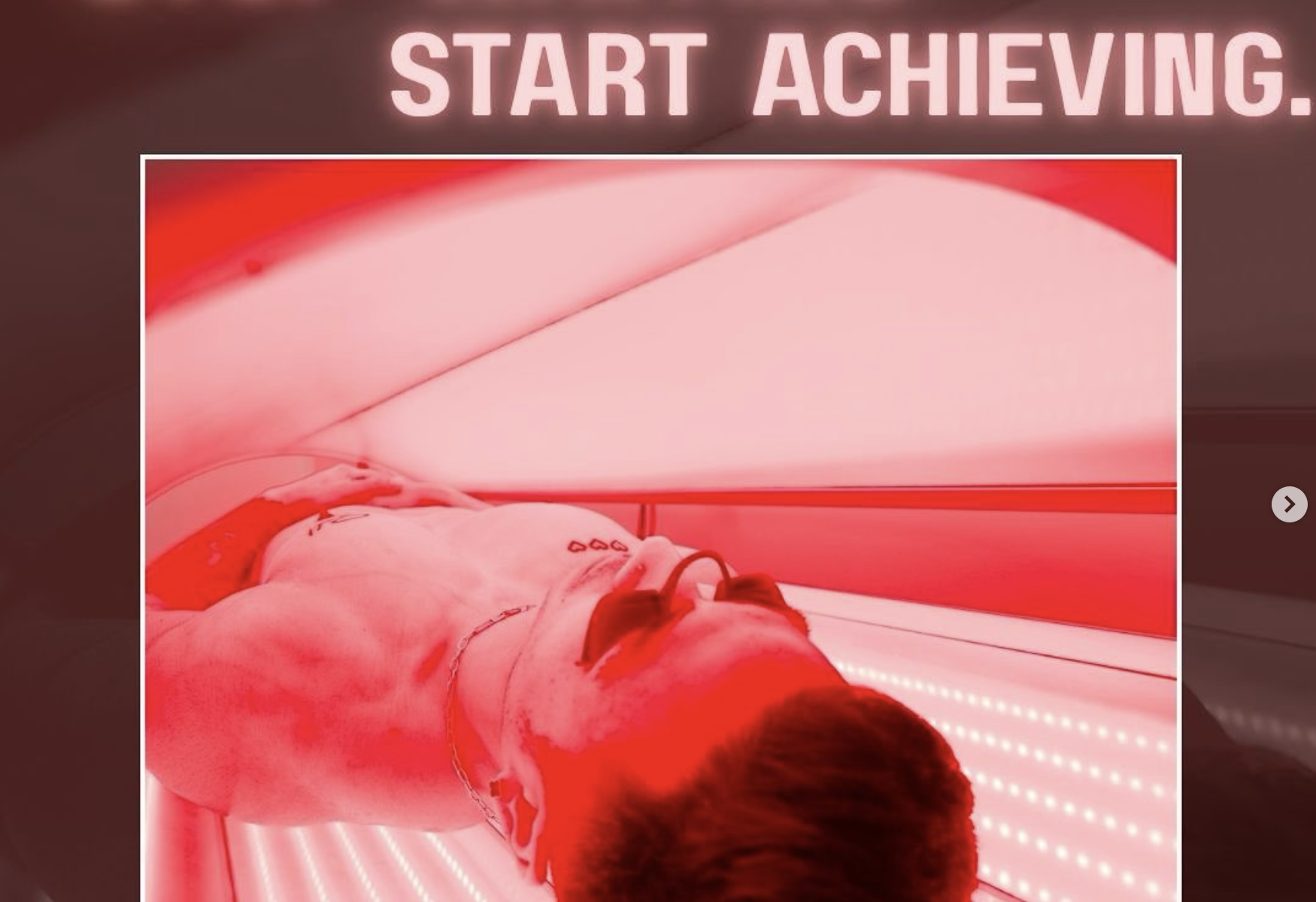
You feel it the day after a hard session – heavy legs, tight shoulders, a bit less spring, and the nagging question of how quickly you can get back to training without pushing your luck. That is where red light therapy sports recovery has gained real attention. Not as a gimmick, and not as a magic shortcut, but as a non-invasive way to support how the body repairs, restores energy and manages post-exercise stress.
For athletes, gym regulars and busy professionals trying to stay active, recovery is not a luxury. It is part of performance. If recovery is poor, output usually drops. Sleep can suffer, soreness hangs around longer, and minor issues have more chance of becoming persistent ones. The appeal of photobiomodulation is simple – it aims to work at the cellular level, helping the body do what it is already designed to do, just more efficiently.
What red light therapy does in sports recovery
Red and near infrared light therapy is used to expose the body to specific wavelengths of light that can penetrate tissue and interact with cells. In a sports recovery setting, the goal is not to heat the body up like a sauna or mask symptoms for a few hours. The goal is to support cellular function, particularly energy production, circulation and tissue repair.
A commonly discussed mechanism is ATP production. ATP is the energy currency of the cell, and when recovery demands are high, energy efficiency matters. Photobiomodulation is also associated with helping reduce oxidative stress and supporting a healthier inflammatory response. That matters after training, because exercise creates stress by design. Some stress is productive. Too much, without enough recovery, is where performance starts to flatten out.
This is why red light therapy is often considered by people managing muscle fatigue, delayed onset muscle soreness, soft tissue strain, or the general wear and tear that comes with training consistently. It can also appeal to people returning from injury, where the challenge is often finding a treatment approach that is drug-free, low risk and practical enough to use regularly.
Why athletes are using red light therapy sports recovery treatments
There is a reason this therapy has moved beyond elite sport circles and into mainstream recovery clinics. It fits what many active people are already looking for – something evidence-based, safe, efficient and easy to add into a broader recovery plan.
One of the main advantages is that it is non-invasive. There is no downtime, no needles and no heavy physical demand during the session itself. That makes it suitable for people who are already carrying training fatigue and do not want another recovery tool that feels like hard work.
Another advantage is the whole-body effect when the treatment is delivered at scale. Localised devices can have their place, especially for a specific area like a knee or shoulder. But many athletes are not dealing with one isolated hotspot. They are carrying systemic fatigue, multiple sore areas, poor sleep, or a general sense that the body is not bouncing back properly. A whole-body pod can make more sense in those cases because it treats more tissue in a single session.
That broader treatment style can be especially useful during intense training blocks, after events, or when recovery debt has been building for weeks. It is not simply about one painful muscle. It is about helping the whole system recover more effectively.
What it may help with – and where expectations should stay realistic
Used properly, red and infrared light therapy may support reduced muscle soreness, improved tissue healing, temporary pain relief, better circulation and a faster return to comfortable movement. Some people also report sleeping better after sessions, which is not a minor benefit. Quality sleep is one of the strongest recovery tools available, and anything that supports that can have flow-on benefits for training and wellbeing.
That said, results are not identical for everyone. Recovery depends on training load, age, sleep, nutrition, stress, injury history and consistency of treatment. If someone is under-recovered, under-slept and trying to out-train persistent pain, one session is unlikely to fix the bigger picture.
It also depends on the issue being treated. General post-exercise soreness may respond differently from a tendon complaint, joint irritation or post-surgical rehabilitation. Photobiomodulation can be a valuable support, but it works best as part of a smart plan rather than a replacement for proper diagnosis, programming and load management.
How whole-body photobiomodulation stands apart
The quality of delivery matters. Not all red light therapy is equal, and this is where many consumers get understandably confused. Home devices, small panels and handheld units can sound similar on paper, but treatment outcomes depend on more than the colour of the light.
Wavelength, intensity, treatment time, coverage and consistency all matter. So does whether the treatment reaches enough of the body to make a practical difference. A whole-body pod using thousands of temperature-controlled LEDs is built for comprehensive exposure, which is a very different proposition from treating a single patch of skin for a few minutes.
For sports recovery, that matters because fatigue is often not local. Legs, back, shoulders and nervous system load can all be part of the picture. A well-designed full-body session can support a more complete recovery experience, particularly for active people who want efficiency and do not have time to patchwork multiple separate treatments.
When to use red light therapy for best effect
Timing can influence how useful the treatment feels. Some people use it after training to support recovery and reduce next-day soreness. Others schedule sessions on rest days to help maintain momentum between workouts. It can also be used during rehabilitation periods when training volume is reduced but tissue repair is still a priority.
There is no single rule that suits everyone. A recreational gym-goer training three times a week may do well with occasional sessions around harder workouts. Someone preparing for an event, managing repeated high loads or coming back from injury may benefit from a more structured course.
In practice, consistency often matters more than chasing the perfect minute. A planned series of sessions usually gives the body a better chance to respond than a one-off visit used only when soreness becomes unbearable. That is one reason clinics often recommend treatment plans across several sessions rather than framing it as a once-and-done fix.
Who should consider it
Red light therapy sports recovery may suit a broad range of people, not just competitive athletes. It can be relevant for runners, cyclists, strength trainers, Pilates clients, social sports players, weekend warriors and anyone whose body is under regular physical demand. It can also appeal to people whose training is limited by recurring pain, stiffness or slow recovery rather than lack of motivation.
It is particularly attractive for people who want a drug-free option. Many active adults are trying to reduce reliance on pain medication or avoid treatment pathways that feel overly aggressive for what is essentially a recovery problem. In that space, photobiomodulation offers a middle ground – clinically grounded, non-surgical, and easy to integrate into modern wellness routines.
For people in Melbourne balancing work, family and fitness, that convenience matters. A 30-minute session that supports performance, recovery and even sleep is a practical option when time is tight and the body needs more support than stretching alone can provide.
Safety, comfort and the value of a clinical setting
One of the strongest features of this therapy is its safety profile when delivered correctly. It is non-invasive and generally well tolerated, which is part of why it has become such a popular recovery option. Sessions are comfortable, and for many clients the experience feels more restorative than clinical.
Still, clinical oversight matters. The right treatment settings, session length and treatment plan should reflect the person in front of you. That is particularly important if there is a history of injury, recent surgery, chronic pain or complex fatigue.
An established clinic setting also gives people confidence that the treatment is being delivered with purpose rather than guesswork. That blend of advanced technology and evidence-based care is exactly why whole-body photobiomodulation has become a serious category in recovery and wellness, not a passing trend.
The future of recovery is not about punishing the body harder and hoping it keeps up. It is about supporting repair earlier, more intelligently and with tools that respect how the body actually heals. If your training has been outrunning your recovery, this may be the nudge that helps you look better, feel better and perform better.