

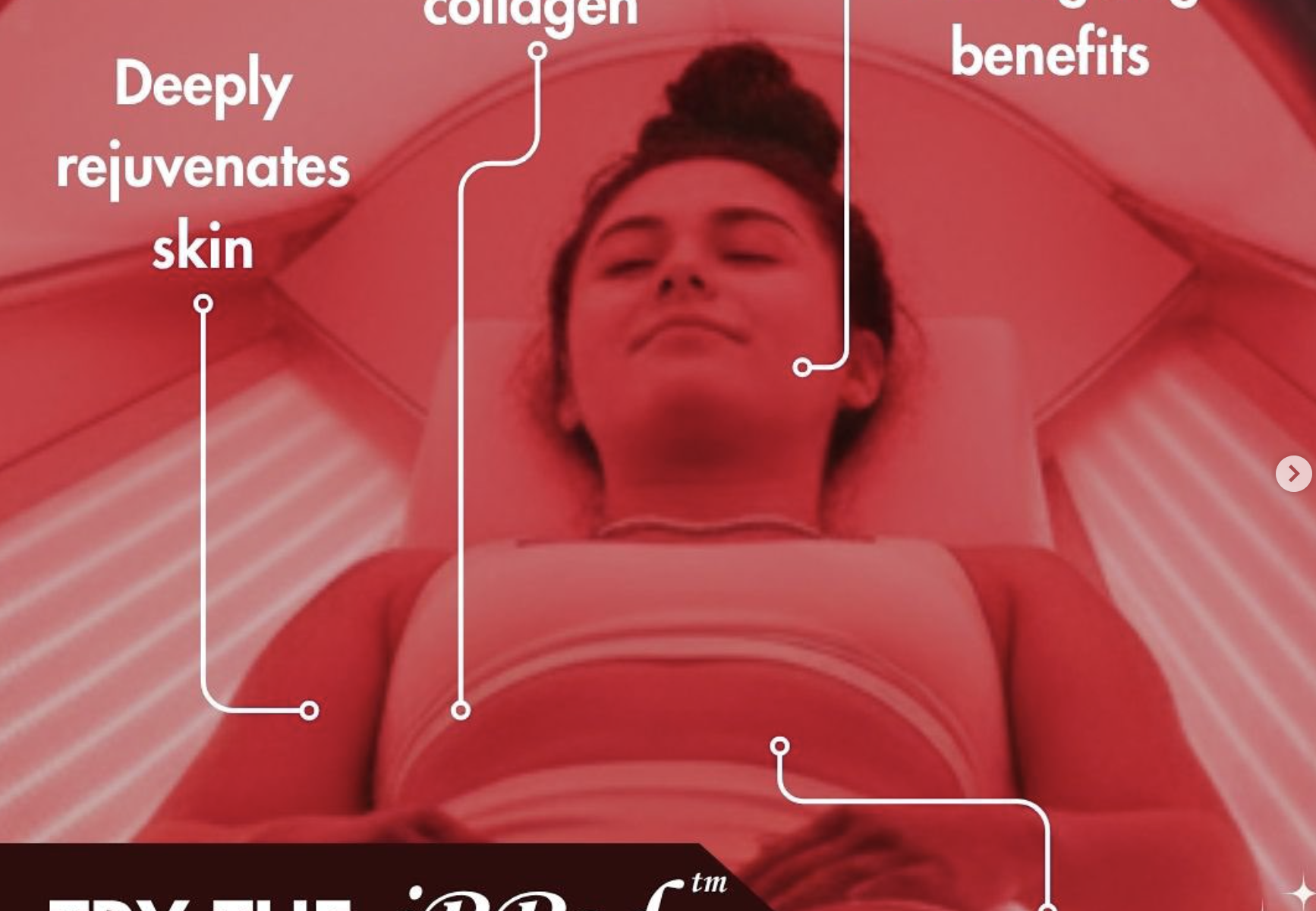
If your skin looks tired even when you are not, light therapy is usually where the conversation gets serious. The best anti-ageing light treatments are not about harsh resurfacing or a quick cosmetic fix. They are about using specific wavelengths of light to support the way skin cells repair, renew and produce collagen over time.
That distinction matters. Plenty of treatments promise brighter skin after one session, but anti-ageing results are different. Fine lines, rough texture, dullness and loss of firmness improve when the treatment reaches the right tissue, at the right dose, often enough to create a real biological response. That is why some light therapies deliver visible change and others amount to little more than an expensive glow.
What makes the best anti-ageing light treatments effective?
The core idea is photobiomodulation. This is the use of red and near infrared light to stimulate cellular activity without damaging the skin. When delivered correctly, these wavelengths are absorbed by components within the cell, especially the mitochondria, which are responsible for energy production. More cellular energy means better repair processes, better circulation support and a stronger environment for collagen and elastin maintenance.
For anti-ageing, the most relevant wavelengths are usually red light and near infrared light. Red light is often used for surface-level skin benefits including tone, texture and visible rejuvenation. Near infrared goes deeper and may support the tissue structures beneath the surface, which is why many advanced systems combine both rather than relying on one wavelength alone.
The treatment itself should also be non-invasive, controlled and repeatable. If a device cannot deliver a consistent therapeutic dose, it becomes difficult to expect consistent results. That is one of the biggest differences between clinical-grade light therapy and lower-powered consumer devices.
Best anti-ageing light treatments: what actually works?
There is no single treatment that suits every person or every skin goal. The right option depends on whether you want gradual rejuvenation, stronger resurfacing, pigment correction or support for post-treatment healing. Still, a few categories stand out.
Red light therapy
Red light therapy is one of the most established options for people who want a gentle, drug-free and non-invasive approach to skin rejuvenation. It is commonly used to support collagen production, improve skin tone and reduce the appearance of fine lines. It tends to suit people who want cumulative improvement rather than downtime.
Its strength is consistency. Because it does not rely on controlled injury to the skin, it can be used as part of an ongoing skin health plan. That makes it especially appealing for adults who want to look fresher without putting their skin through repeated aggressive treatments.
Near infrared light therapy
Near infrared is often less talked about in beauty marketing, but it matters. These wavelengths penetrate more deeply than visible red light and may support the tissue environment under the skin where structure, healing and inflammation regulation play a major role. When anti-ageing concerns include thinning skin, poor recovery or overall skin resilience, near infrared can be a valuable part of the treatment mix.
On its own, near infrared is not usually the whole answer for cosmetic goals. In combination with red light, though, it creates a more complete treatment approach.
Full-body photobiomodulation
This is where the category becomes more advanced. Full-body photobiomodulation uses red and near infrared light across a much larger treatment area, rather than a small handheld device or a single facial panel. For some clients, that broader exposure is highly relevant. Skin ageing does not happen in isolation from stress, sleep, inflammation or circulation. Whole-body delivery may support not only skin rejuvenation but also recovery, mood, sleep quality and overall wellbeing.
That broader effect can be especially useful for busy professionals or those already dealing with fatigue, persistent pain or systemic inflammation. When the body is under strain, the skin often shows it first.
IPL and laser-based rejuvenation
IPL and fractional lasers are also part of the anti-ageing conversation, but they work differently. These treatments are generally more aggressive and target concerns such as pigmentation, sun damage and texture by creating a controlled response in the skin. They can produce strong visible changes, but they often come with downtime, greater cost and a higher risk of irritation, especially for sensitive skin.
For some people, they are absolutely the right choice. For others, they are better used selectively while red and infrared light therapy support maintenance and healing between sessions.
Why light therapy appeals to people who want results without downtime
A lot of anti-ageing treatments ask you to accept a trade-off. More intensity may mean more discomfort, more redness or more recovery time. Light therapy sits differently. When delivered in a clinical setting with the correct wavelengths and dosing, it is generally comfortable, safe and easy to fit into a normal schedule.
That matters if you work full-time, train regularly or simply do not want your treatment plan to disrupt your week. You can have a session and get on with your day. No peeling. No hiding at home. No trying to explain away an inflamed face in Monday meetings.
There is also the question of skin integrity. Some clients do well with stronger procedures. Others have reactive skin, slower healing or a preference for natural, non-invasive options. In those cases, light therapy often makes more sense as a primary approach rather than a backup option.
How to judge quality in anti-ageing light therapy
Not all light treatments are created equal, and the marketing can be noisy. If you are comparing options, start with the fundamentals.
First, look at wavelength specificity. Effective systems should state what wavelengths they use rather than hiding behind vague terms like skin light or beauty light. Red and near infrared ranges are where much of the evidence sits for photobiomodulation.
Second, consider power and treatment coverage. A weak device may feel pleasant but still fail to deliver enough energy to create meaningful change. Small devices can have a place, particularly for home use, but they usually require more time, more discipline and lower expectations.
Third, ask whether the treatment is localised or full-body. If your main concern is a small facial area, local treatment may be fine. If you are interested in skin benefits alongside recovery, energy, sleep or inflammation support, a whole-body system has obvious advantages.
Finally, pay attention to clinical setting and treatment planning. Good results rarely come from one-off use. The best providers set realistic expectations, recommend a course of sessions and explain how maintenance works.
Who benefits most from the best anti-ageing light treatments?
The strongest candidates are usually people noticing early to moderate signs of skin ageing such as dullness, fine lines, reduced firmness and uneven tone. It also suits people who want to support skin health after periods of stress, poor sleep, illness or heavy training.
It can be particularly appealing if you want a treatment that aligns with a broader wellness strategy. Skin does not exist separately from the rest of your physiology. When cellular energy, circulation and recovery improve, your skin often responds as part of that bigger picture.
For clients in South Yarra and across Melbourne looking for an option that feels clinical rather than cosmetic-only, full-body PBM is a strong fit. It gives you a treatment pathway that supports how you look while also addressing how you feel and perform.
What results should you realistically expect?
This is where honesty matters. Light therapy is effective, but it is not magic and it is not usually instant. Some people notice a fresher look, better hydration and calmer skin relatively quickly. Structural changes such as improved firmness and softening of fine lines tend to build over several sessions.
Frequency matters. So does your baseline skin health, age, sun exposure history and general lifestyle. If you are sleeping poorly, highly stressed and skipping basic skin care, treatment can still help, but it is working against the grain. The best outcomes usually come when light therapy is part of a repeatable plan.
At iRPod, that is exactly why the treatment model centres on a course of sessions rather than a once-off promise. Skin renewal is a process, and the technology works best when it is used with consistency.
The better question is not which treatment is trendy
It is which treatment has the strongest mix of safety, evidence, comfort and real-world results for your goals. For many people, that points to red and near infrared photobiomodulation, especially when delivered through a clinical-grade system with full-body coverage and a clear treatment protocol.
If you want anti-ageing support that does more than chase a temporary glow, choose a light treatment built around how the body actually repairs and renews. The skin tends to follow when the cells underneath are given the conditions to do their job properly.