

A sore joint after a big week is one thing. Waking up with swollen hands, stiff feet and fatigue that does not lift is something else entirely. Rheumatoid arthritis treatment needs to do more than mask pain – it needs to calm inflammation, protect joints, and help you keep living well.
Rheumatoid arthritis is an autoimmune condition, which means the immune system mistakenly attacks the lining of the joints. Over time, that can lead to pain, swelling, heat, stiffness and gradual joint damage. For many people, it also brings systemic symptoms like low energy, poor sleep and brain fog. That is why the best treatment plan is rarely one-dimensional.
How rheumatoid arthritis treatment usually works
Effective rheumatoid arthritis treatment is built around two goals. The first is controlling the disease process itself, so inflammation does not keep damaging joints. The second is improving day-to-day function, so you can move with less pain, sleep better and stay active.
For most people, medication is the foundation. Disease-modifying antirheumatic drugs, often called DMARDs, are designed to slow the progression of rheumatoid arthritis rather than simply dull symptoms. Some people do well with a conventional option such as methotrexate, while others need biologic or targeted therapies when the disease is more active or not responding well enough.
Anti-inflammatory medicines and short courses of corticosteroids may also be used, particularly during flares. These can provide relief, but they are not usually the long-term answer on their own. The trade-off is that symptom control can come with side effects, especially when stronger medications are needed over time.
That is where supportive therapies matter. A smart plan often combines medical care with movement, recovery strategies and non-invasive therapies that help the body cope better with pain and inflammation.
Why medication is only part of rheumatoid arthritis treatment
If you live with rheumatoid arthritis, you already know the condition affects more than the joints you can point to. It can change how you sleep, how much energy you have, how confidently you exercise, and how well you recover from simple daily tasks.
Even when medication is doing its job, many people still deal with stiffness in the morning, tenderness after activity, muscle guarding and a lingering sense that the body is working harder than it should. That does not necessarily mean treatment is failing. It often means the disease is being managed medically, but the body still needs support.
This is why allied strategies are so valuable. Physiotherapy can help maintain strength and range of motion. Gentle exercise can reduce stiffness and preserve function. Good sleep, stress reduction and consistent recovery habits can all influence pain and resilience. These are not extras. They are often part of what makes the medical side of treatment more sustainable.
Movement, strength and joint protection
It is easy to assume sore joints need complete rest, but that is rarely the best long-term strategy. During a severe flare, rest may be necessary for a short period. Outside of that, well-guided movement is one of the most useful tools available.
Low-impact exercise helps keep joints mobile and muscles strong. Walking, swimming, cycling and tailored strength work are common options. The key is choosing the right dose. Too little movement can worsen stiffness and weakness. Too much, too soon can stir up pain and make recovery harder.
Joint protection matters as well. That can mean modifying how you lift, improving your work setup, using supportive footwear, or spreading heavier tasks across the week instead of pushing through all at once. These small changes can reduce cumulative strain and make pain less dominant.
For people with persistent inflammation, fatigue can be just as limiting as pain. Pacing becomes important here. Good treatment is not about doing nothing. It is about using energy wisely so the body has a better chance to recover.
Can photobiomodulation support rheumatoid arthritis treatment?
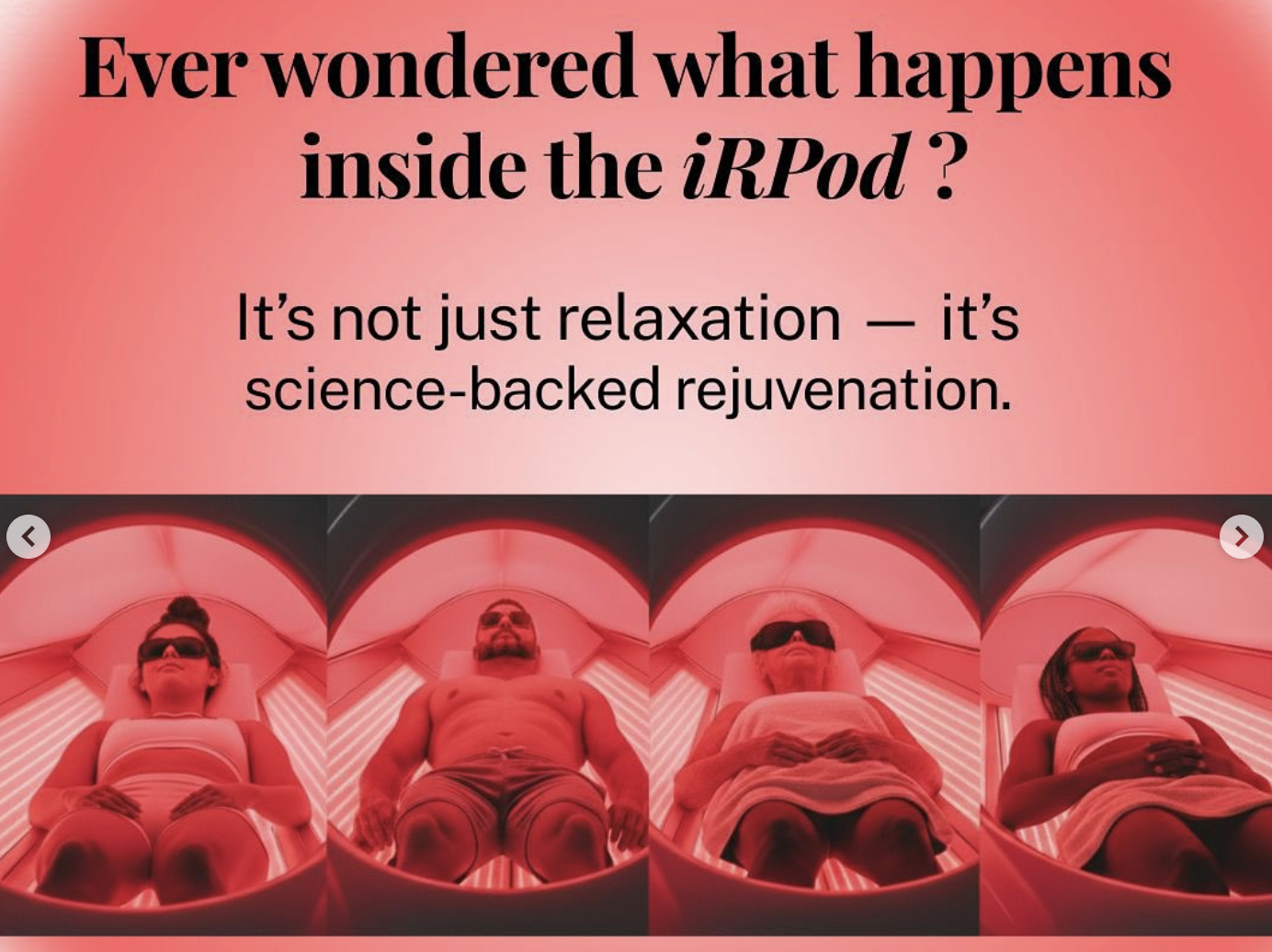
Photobiomodulation is gaining attention as a drug-free, non-invasive support option for people managing chronic inflammatory pain. It uses specific wavelengths of red and near infrared light to stimulate cellular activity, support circulation and help the body’s recovery processes work more efficiently.
In practical terms, that may help reduce pain, ease stiffness and support tissue healing. At a cellular level, photobiomodulation is associated with effects on ATP production, oxidative stress and inflammatory pathways. For people with rheumatoid arthritis, that matters because pain is not just about damaged tissue. It is also about how inflamed, overloaded and under-recovered the body feels.
This is not positioned as a replacement for rheumatology care or prescribed medication. It works best as part of a broader plan. The value is in giving people another evidence-based option when they want support beyond medication-heavy pathways.
A whole-body approach can be especially useful for people who do not just have one sore joint. Rheumatoid arthritis often affects multiple areas at once, and many people also feel the broader impacts in their sleep, mood and energy. Full-body photobiomodulation aims to support the system more globally rather than focusing on one small spot at a time.
For adults in Melbourne looking for a clinically grounded, non-invasive complement to their existing care, this is exactly why advanced PBM services such as iRPod have become part of the conversation.
What results can people realistically expect?
This is where honesty matters. Rheumatoid arthritis treatment is not one-size-fits-all, and response varies from person to person. Some people achieve excellent disease control and feel close to normal for long stretches. Others still have breakthrough pain, regular flares or limits around energy and mobility even with good care.
With supportive therapies such as photobiomodulation, the goal is usually not a dramatic overnight fix. More often, people notice incremental improvements. Morning stiffness may settle faster. Joints may feel less reactive after activity. Recovery may feel easier. Sleep can improve, and when sleep improves, pain often becomes more manageable as well.
The best outcomes usually come with consistency. One session or one workout rarely changes a chronic condition. A properly structured plan over several weeks is more realistic. That might involve regular medical review, a movement program, and repeated supportive sessions to build momentum.
It also depends on timing. If inflammation is very active and joints are significantly flared, treatment may need to focus first on stabilising the disease medically. Once that foundation is in place, supportive therapies often have more room to help.
Questions to ask when choosing a treatment pathway
When weighing up rheumatoid arthritis treatment, ask whether the approach deals with both inflammation and function. Pain relief matters, but so does protecting the joints for the long term. It is also worth asking how sustainable the plan feels. If a treatment helps but leaves you with side effects you cannot tolerate, or a routine you cannot maintain, it may need adjusting.
Look for a pathway that respects the complexity of the condition. Rheumatoid arthritis is not just a hand problem or a knee problem. It is a whole-body inflammatory condition that can affect work, exercise, sleep, confidence and quality of life. Treatment should reflect that.
Safety matters too. Any supportive therapy should sit comfortably alongside your existing medical care, not compete with it. That is one reason non-invasive options with a strong clinical rationale are appealing to many people. They offer support without adding to the medication burden.
The future of rheumatoid arthritis treatment is more integrated
The old model was simple: medicate the symptoms and get on with it. The better model is more integrated. Control the autoimmune process, keep the joints moving, support recovery, and give the body every reasonable opportunity to function better.
That is where innovation has genuine value. Advanced therapies should not be hyped for the sake of novelty. They should be considered because they may help people feel better, move better and recover better in a safe, evidence-informed way.
For many people living with rheumatoid arthritis, that is the real goal. Not perfection. Not a miracle claim. Just a treatment plan that reduces pain, protects mobility and makes daily life feel more manageable.
If you are exploring your options, think beyond what suppresses symptoms in the short term. The strongest rheumatoid arthritis treatment plan is usually the one that supports your body from multiple angles and gives you a realistic path to better days ahead.