

If you have been asking what is the difference between red and infrared light therapy, you are already asking the right question. These two forms of photobiomodulation are often grouped together, but they do not behave exactly the same way in the body. The wavelength changes how deeply light travels, which tissues it targets, and the kinds of results people are usually looking for.
That matters whether your goal is calmer skin, less joint pain, faster recovery, better sleep, or support for persistent fatigue. It also matters if you are comparing devices, trying to understand treatment claims, or deciding whether a whole-body session is likely to do more for you than a small handheld panel at home.
What is the difference between red and infrared light therapy?
The shortest answer is depth.
Red light therapy typically uses wavelengths in the visible red range, often around 630 to 660 nanometres. You can see this light. It tends to work more superficially, which is why it is commonly used for skin health, collagen support, redness, and surface-level tissue repair.
Infrared light therapy, more precisely near infrared in most wellness and PBM settings, usually sits around 810 to 850 nanometres. You cannot see it, but your body still responds to it. These longer wavelengths penetrate more deeply into tissue, which makes them more relevant for muscles, joints, tendons, deeper inflammation, circulation, and recovery.
So when people ask which one is better, the honest answer is that it depends on what you want to treat. Red light is often the better fit for skin and surface concerns. Infrared is often the stronger option for deeper structures and broader recovery outcomes. In many clinical settings, both are used together because they complement each other.
Why wavelength matters in photobiomodulation
Photobiomodulation works by delivering specific wavelengths of light to the body, where that light is absorbed by cellular components, especially within the mitochondria. One of the key ideas behind PBM is that light can help support ATP production. ATP is the energy currency your cells rely on for repair, regeneration, and normal function.
Different wavelengths interact with tissue differently. Red light does not travel as far beneath the skin, but that is not a weakness. It is exactly why it is useful for more superficial targets. It can support skin rejuvenation, assist with inflammation close to the surface, and help improve the appearance and feel of skin over time.
Near infrared goes further. Because it reaches deeper layers, it is more relevant when the issue sits beyond the skin. Think muscle tightness after training, arthritic joints, post-surgical healing support, tendon irritation, or the heavy body fatigue that many people describe when dealing with chronic inflammatory conditions.
The key point is this: deeper is not always better. Better means more appropriate for the tissue you want to influence.
Red light therapy: where it tends to shine
Red light therapy is usually the first thing people think of when they hear about LED wellness treatments, and for good reason. It has strong appeal for people who want visible, feel-good outcomes without invasive procedures or downtime.
Red wavelengths are absorbed closer to the skin’s surface. Devices are commonly used to support collagen production, improve skin tone, reduce the appearance of fine lines. It also assist with general skin rejuvenation. Many people also use red light when they want to calm irritation, support healing after cosmetic procedures, or improve the overall health and appearance of ageing skin.
That does not mean red light is only cosmetic. Surface tissues still include a lot of biologically active structures. Red light can support local healing, help reduce inflammatory activity, and assist with mild soreness or tenderness when the tissue involved is not especially deep.
For clients focused on looking better as well as feeling better, red light often plays an important role.
Infrared light therapy: where deeper support matters
Infrared light therapy is usually the more relevant option when symptoms feel like they sit further inside the body. If you are dealing with joint stiffness, muscular soreness, slower recovery, or widespread physical fatigue, this is often where near infrared becomes especially valuable.
Because these wavelengths penetrate further, they are commonly used to support tissue healing, reduce pain, and improve recovery after exercise or injury. People living with arthritis, fibromyalgia, chronic fatigue syndrome, or post-operative discomfort are often less interested in surface-level benefits and more interested in whether a treatment can reach where they actually feel the problem. That is the practical advantage of near infrared.
It is also one reason whole-body treatment can be so appealing. When symptoms are widespread rather than localised, treating one small area at a time may not be the most efficient approach. Broader delivery across the body may better match the way those conditions present.
Red and infrared together often make more sense than choosing one
A lot of the confusion around this topic comes from the idea that you must pick a side. In reality, many of the best PBM systems combine red and near infrared wavelengths because the body is not one flat layer.
Skin, fascia, muscles, joints, circulation, and the nervous system all sit at different depths and interact with one another. If you are recovering from intense training, for example, you might want the skin support and circulation effects of red light alongside the deeper tissue benefits of infrared. If you are managing chronic pain while also wanting to improve sleep and general wellbeing, a combined approach often makes more practical sense than isolating one wavelength.
This is where treatment design matters more than marketing language. A quality system is not just about having lights. It is about using therapeutic wavelengths, delivering adequate coverage, and doing so in a way that is safe, comfortable, and consistent enough to support real outcomes.
What results can you realistically expect?
This is where clinical honesty matters. Neither red nor infrared light therapy should be framed as magic. Results vary based on the issue being treated, the severity of symptoms, how often you use the therapy, and whether the treatment parameters are actually therapeutic.
For skin-focused goals, people may notice changes in tone, brightness, and texture over a series of sessions. For recovery and pain support, some feel a response quickly, while others improve more gradually across several treatments. People dealing with long-standing inflammation, fatigue, or chronic pain often need consistency rather than one-off exposure.
That is also why treatment plans commonly involve multiple sessions. Cells and tissues respond over time. One session may help, but repeated exposure is often where you start to build momentum.
Device quality and treatment format change the experience
Not all light therapy is created equal. A small home mask or compact panel may be useful for targeted facial treatment or localised support, but it is not the same as a whole-body clinical setup with high-output LED delivery and carefully selected wavelengths.
If your goal is to treat a wrinkle-prone area around the eyes, a smaller format may be enough. If your goal is widespread muscle recovery, support for persistent pain, or full-body wellness outcomes, coverage becomes a major factor. It is hard to deliver whole-body benefits if only a small patch of tissue is being treated at one time.
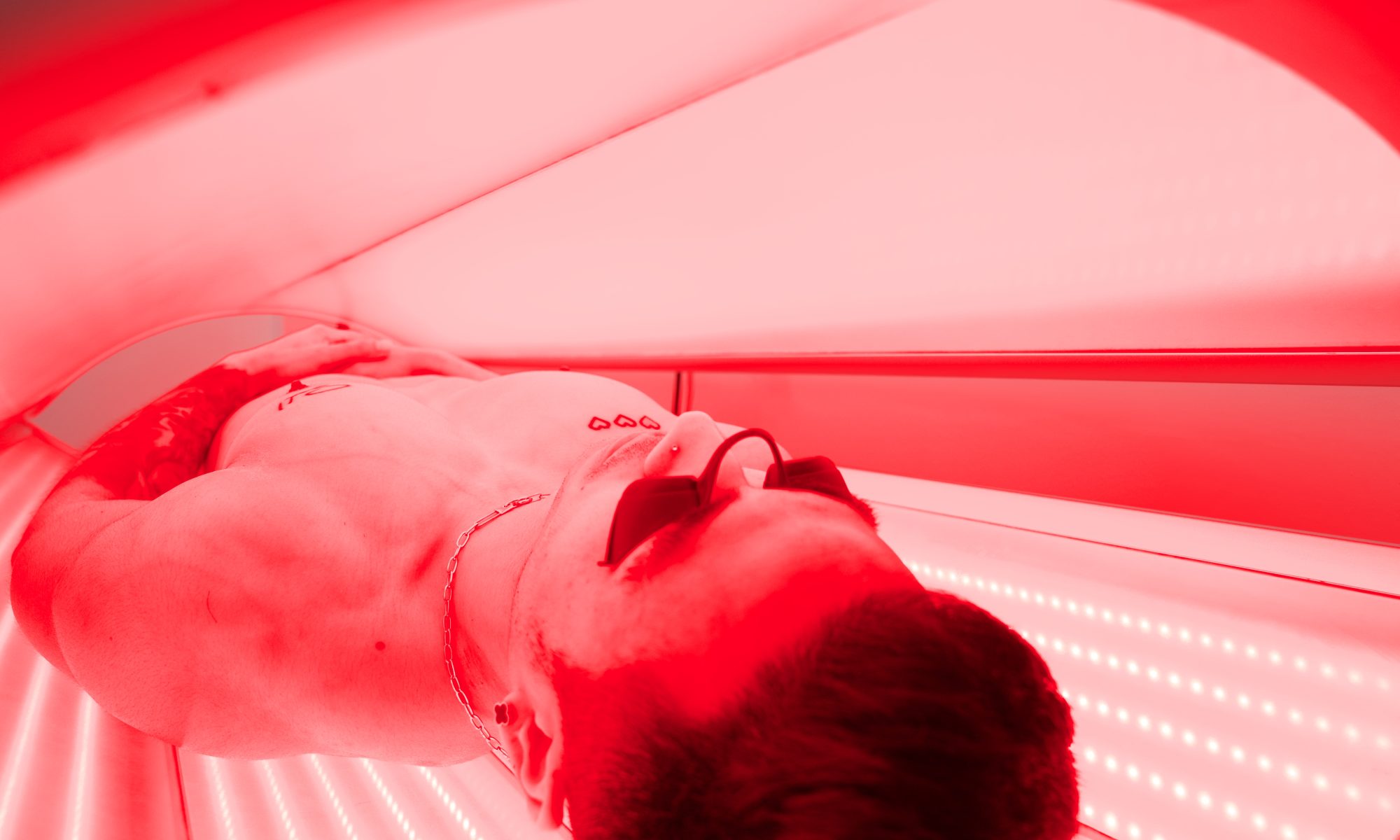
That is why many people looking for broader outcomes choose a clinical PBM pod rather than relying on spot treatment alone. In a well-designed whole-body system, the experience is more immersive, more efficient, and often more aligned with conditions that do not stay neatly in one place.
Is one safer than the other?
Both red and near infrared light therapy are generally considered safe when delivered correctly. They are non-invasive, drug-free, and do not rely on heat to create their primary biological effect, even though some systems may feel gently warm and comfortable during treatment.
The bigger issue is not whether red or infrared is safer in theory. It is whether the treatment is being delivered responsibly, with suitable session timing, appropriate wavelengths, and proper guidance for your individual circumstances. That matters more if you have a medical condition, recent surgery, or a complex health history.
For most people, the conversation should be less about fear and more about fit. Which wavelength, or combination, best matches what your body needs?
So, which light therapy should you choose?
If your priority is skin rejuvenation, visible complexion support, and more superficial healing, red light may be the clear front-runner. If your main concern is deeper pain, muscular recovery, joint stiffness, or whole-body repair support, infrared is often the stronger choice.
But if you want the most complete answer, it is this: the best results often come from using both. That is especially true when your goals overlap, which they often do. Someone with chronic pain also wants better sleep. Some focus on sports recovery may also want to reduce inflammation and support skin health. One dealing with fatigue may want help at the cellular level while also wanting to feel and look better overall.
That is why advanced photobiomodulation is moving beyond single-purpose treatment and towards broader, whole-body applications. At iRPod, that philosophy sits at the centre of the treatment experience.
The right light is not just about what you can see. It is about what your body needs more of. Light works on surface support, deeper repair, or both.