

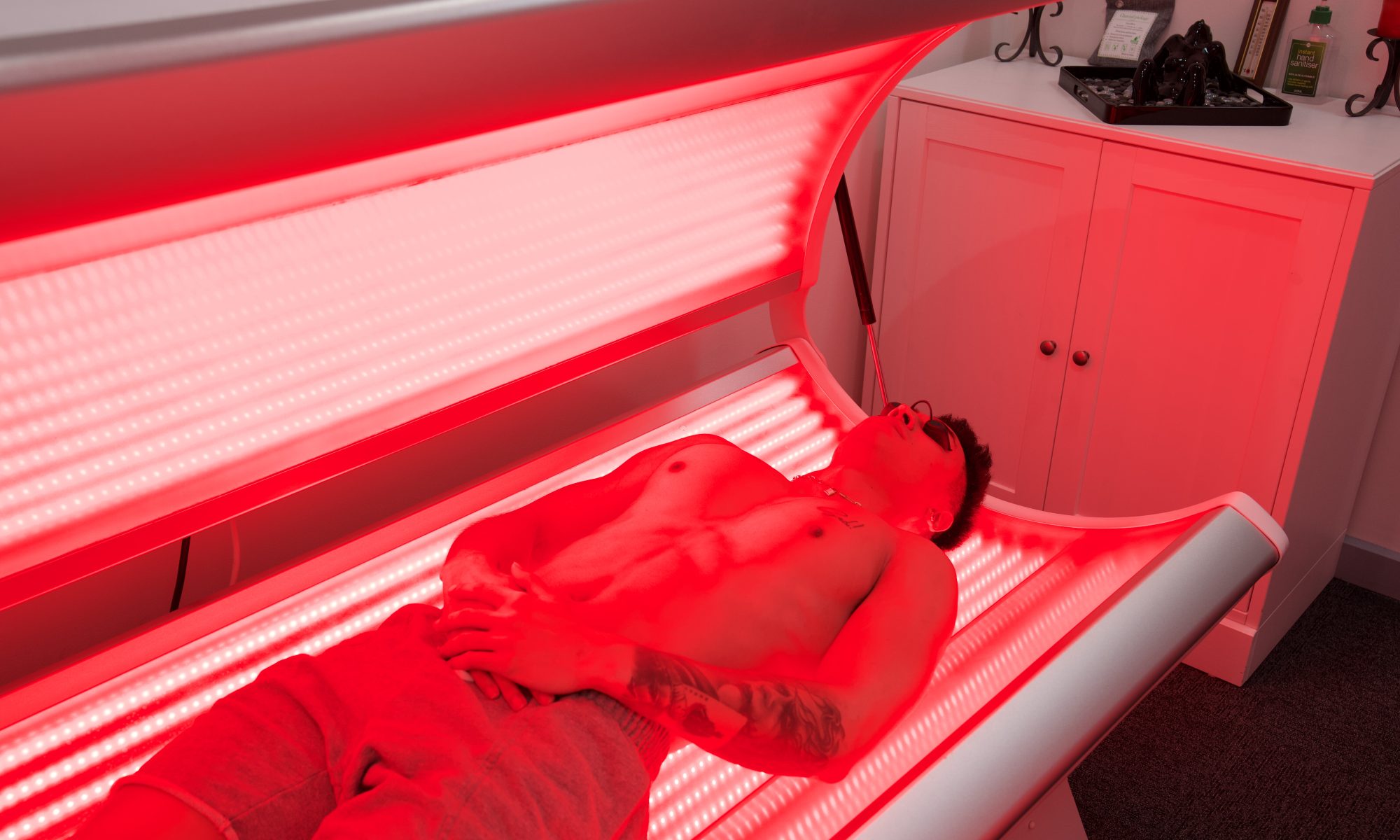
If you are weighing up red and infrared light therapy, the question that matters most is simple – is red and infrared light therapy safe? For most people, when it is delivered correctly, the answer is yes. Red and near infrared light therapy, also known as photobiomodulation or PBM, is widely used as a non-invasive, drug-free treatment designed to support healing, recovery, pain relief, skin health and overall wellbeing without damaging tissue.
That matters because a lot of people come to this therapy after trying medications, injections, creams or other treatments that either did not help enough or came with unwanted side effects. Safety is not a side issue. It is the starting point.
Is red and infrared light therapy safe for most people?
In a properly controlled clinical setting, red and infrared light therapy has a strong safety profile. PBM uses specific wavelengths of visible red and near infrared light to stimulate cellular activity. It is not the same as ultraviolet light from the sun or from tanning beds. It does not work by burning, cutting or traumatising the skin. Instead, it delivers light energy that can be absorbed by the mitochondria, which may support ATP production, reduce oxidative stress and assist natural repair processes.
This difference is where much of the confusion comes from. People hear the word light and assume heat, radiation or skin damage. That is not what therapeutic PBM is designed to do. When the treatment is set at the right wavelengths, intensity and duration, it is intended to work within a therapeutic window rather than an aggressive one.
For adults seeking support with joint pain, recovery, fatigue, skin rejuvenation or sleep quality, this makes PBM an appealing option. It is non-invasive, requires no downtime, and is generally well tolerated.
Why PBM is considered low risk
The safety of red and infrared light therapy comes down to both the technology and the treatment protocol. Therapeutic PBM devices are built to deliver controlled light exposure, not uncontrolled heat or harmful radiation. That is a major distinction.
Red light usually works closer to the surface, which is why it is often associated with skin health and rejuvenation. Near infrared light penetrates more deeply, which is why it is commonly used in recovery, pain support and tissue healing applications. In both cases, the goal is stimulation, not destruction.
That said, low risk does not mean no considerations at all. The dose matters. More is not always better in photobiomodulation. Too little may do very little, while too much may reduce the treatment benefit or irritate sensitive individuals. This is one reason professional delivery matters, especially for people managing chronic conditions or combining PBM with other treatments.
What does red and infrared light therapy feel like?
Most people describe the treatment as relaxing. Depending on the device, you may feel a gentle warmth, but it should not feel harsh, painful or overwhelming. There is no needling, no cutting and no recovery period afterwards. Many clients simply rest during the session and get on with their day once it is over.
That comfortable experience is part of why whole-body treatment has become so appealing. Instead of chasing one sore spot at a time, full-body PBM can expose a much broader treatment area in a controlled way. For people dealing with widespread inflammation, fibromyalgia, chronic fatigue syndrome, post-exercise soreness or general low energy, that broader coverage can make practical sense.
Who should use caution?
Even safe therapies are not one-size-fits-all. There are situations where extra care is appropriate.
People with light sensitivity, those taking photosensitising medications, and anyone with a complex medical history should get tailored advice before starting. If you have an active medical condition, are under specialist care, or are pregnant, it is sensible to discuss treatment suitability with your healthcare provider and the clinic delivering the therapy.
Eye safety also matters. Red and near infrared light are not inherently dangerous in the way UV exposure is, but bright therapeutic devices should still be used according to professional guidance. Protective eyewear may be recommended depending on the treatment setup and proximity of the eyes to the light source.
There is also a difference between professional-grade treatment and random use at home. The market is full of devices that vary widely in quality, power output and treatment accuracy. Some underperform. Others make claims they cannot back up. A stronger device is not automatically a better one, and a cheaper one may not deliver the intended therapeutic dose.
Clinical setting versus DIY use
This is where safety and results often intersect. At iRPod ; Infrared and Red Light Pod for the Whole Body In-clinic treatment offers a level of control that home devices usually cannot match. The wavelengths, exposure time, treatment distance and overall dosage can be set more precisely, and the person receiving treatment can be screened for suitability.
For someone with persistent pain, poor recovery, chronic fatigue or post-surgical healing goals, that matters. You are not just buying light. You are investing in the quality of the therapeutic delivery.
Irpod whole-body PBM pod is also different from a small handheld panel. Full-body delivery allows for broader exposure and a more efficient treatment session, particularly when multiple systems are involved, such as muscles, joints, sleep regulation, mood and skin. That does not mean localised devices have no role, but it does mean the treatment experience and potential outcomes can be quite different.
Are there side effects?
Side effects from red and infrared light therapy are generally mild and uncommon when treatment is delivered appropriately. Some people may notice temporary warmth, slight redness or a short-lived sense of fatigue after a session, particularly when they are new to treatment or receiving higher exposure levels. Others feel energised or more relaxed.
This is where expectations should stay realistic. A safe therapy can still feel different from person to person. Your response may depend on your baseline health, the condition being treated, the frequency of sessions and the total dose delivered.
If a treatment causes discomfort, excessive heat or ongoing irritation, that is a sign the protocol needs review. Professional oversight helps reduce that risk.
Why the technology matters
Not all light therapy is created equal. Safety is linked to build quality, treatment design and consistency. Clinically positioned systems are engineered to deliver therapeutic wavelengths in a controlled environment, often with temperature management and structured treatment timing.
That is particularly important with whole-body therapy. The larger the treatment area, the more important it is to have balanced and well-regulated delivery. When systems are designed properly, the experience can be both comfortable and efficient.
At iRPod, whole-body photobiomodulation is delivered through a pod system using 12,000 temperature-controlled lights, which reflects the kind of advanced setup that supports both comfort and treatment consistency. For clients who want a non-invasive therapy backed by clinical logic rather than hype, that distinction matters.
Safe does not mean suitable for every goal
One of the most useful ways to think about PBM is this – a therapy can be safe but still need to be matched to the right outcome. Red and infrared light therapy may support pain reduction, tissue healing, sports recovery, skin rejuvenation, mood and sleep, but it is not a magic fix for every issue in one session.
The best results usually come with an appropriate treatment plan. That may involve a series of sessions rather than a once-off visit, particularly for chronic conditions or long-standing inflammation. Safety includes pacing treatment sensibly and setting realistic expectations.
People chasing quick answers often overlook this. Evidence-based wellness is rarely about one dramatic intervention. More often, it is about repeated, well-delivered support that helps the body do what it is already designed to do – repair, regulate and recover more effectively.
So, is red and infrared light therapy safe?
For most adults, yes – red and infrared light therapy is considered safe when delivered with the right technology, the right dose and the right professional guidance. It is non-invasive, drug-free and generally well tolerated, which is exactly why it has gained traction among people looking for smarter ways to manage pain, support healing, improve recovery and invest in healthier ageing.
The real question is not only whether it is safe, but whether the treatment you are choosing is being delivered properly. That is where quality makes all the difference. If you want a therapy that helps you look better, feel better and perform better, choose a clinical setting that takes safety as seriously as results. That is when innovation stops being a trend and starts becoming a treatment you can trust.