

You can finish a hard training session feeling strong, then wake up the next morning flat, tight and oddly more exhausted than accomplished. That is usually the point where people start asking how to recover after gym sessions properly – not just how to get through soreness, but how to come back stronger, fresher and ready to train again.
Recovery is where progress is consolidated. Training places stress on muscles, joints, connective tissue and the nervous system. The gains happen when your body repairs that stress efficiently. If recovery is poor, performance stalls, inflammation lingers, sleep can suffer and even motivation starts to dip.
Why recovery matters more than most people think
Many people still treat recovery as optional, as if the real work stops and starts with the workout itself. It does not. Exercise creates microscopic muscle damage, depletes glycogen stores, shifts fluid balance and raises inflammatory activity. That is normal. The issue is whether your body has what it needs to repair tissue, restore energy and regulate stress.
This is why two people can do the same session and get very different results. One improves steadily. The other stays sore for days, feels heavy in the gym and starts collecting niggles. The difference is often not effort. It is recovery quality.
Good recovery supports muscle repair, reduces unnecessary fatigue and helps you maintain training consistency. It also affects sleep quality, mood, energy and injury risk. If you are training regularly, recovery is not an extra. It is part of the programme.
How to recover after gym sessions without overcomplicating it
The best recovery plan is not usually the most extreme one. You do not need to throw every tool at your body after every session. What works best is a combination of basics done consistently, with a few targeted therapies added when your training load is high or your body needs more support.
Start with hydration straight away
Sweat loss is not just about water. You are also losing electrolytes, and even mild dehydration can affect muscle function, energy and next-day performance. If your session was intense, long or done in warm conditions, replacing fluids early matters.
Water is the baseline. If you have had a heavy session, adding electrolytes can help restore balance more effectively. You do not need to panic over exact numbers unless you are training at a high level, but waiting until you feel wrecked or headachy is too late.
Eat for repair, not just for fullness
Post-gym nutrition does not need to be complicated, but it does need to be purposeful. Protein helps repair muscle tissue. Carbohydrates help replenish glycogen, which is your stored energy. If you skip both, recovery slows.
A practical post-training meal might include eggs on grainy toast, Greek yoghurt with fruit, chicken and rice, or a smoothie with protein and banana if you are on the go. The right amount depends on your body size, goals and the session you have just done. A short weights workout and a long conditioning session do not create the same recovery demand.
Do not confuse total rest with best rest
If you are very sore, complete inactivity can sometimes make you feel worse. Light movement often helps improve circulation and reduce stiffness. That might mean an easy walk, gentle cycling or mobility work later in the day or the following morning.
The key is intensity. Recovery movement should leave you feeling looser and better, not more depleted. If your heart rate is climbing and your legs are burning again, you have missed the brief.
Sleep is still the most powerful recovery tool
People love to talk about supplements and gadgets, but sleep remains the heavy hitter. During quality sleep, the body carries out much of its repair work. Hormonal regulation improves, muscle recovery is supported and the nervous system gets a chance to reset.
If you are training hard and sleeping poorly, you are placing your body under stress without giving it a proper adaptation window. That is when soreness hangs around, energy drops and workouts start feeling harder than they should.
Aim for a consistent sleep routine where possible. A cooler room, reduced evening screen time and finishing intense training earlier can all help. If your sleep is regularly poor, it is worth addressing directly rather than assuming more caffeine will cover the gap.
Manage inflammation without shutting down adaptation
A certain amount of post-exercise inflammation is part of the normal healing process. Trying to eliminate all of it is not always the goal. What you want is balanced recovery, where tissue repair can occur without dragging excess soreness and fatigue into the rest of your week.
This is where context matters. If you are an occasional gym-goer, your body may simply need time to adapt. If you are training frequently, returning from injury or carrying pre-existing pain, your recovery strategy may need to be more deliberate.
Mobility work, gentle stretching, hydration, quality food and adequate sleep all support this balance. For some people, advanced recovery options can also play a valuable role.
Where advanced recovery therapies fit in
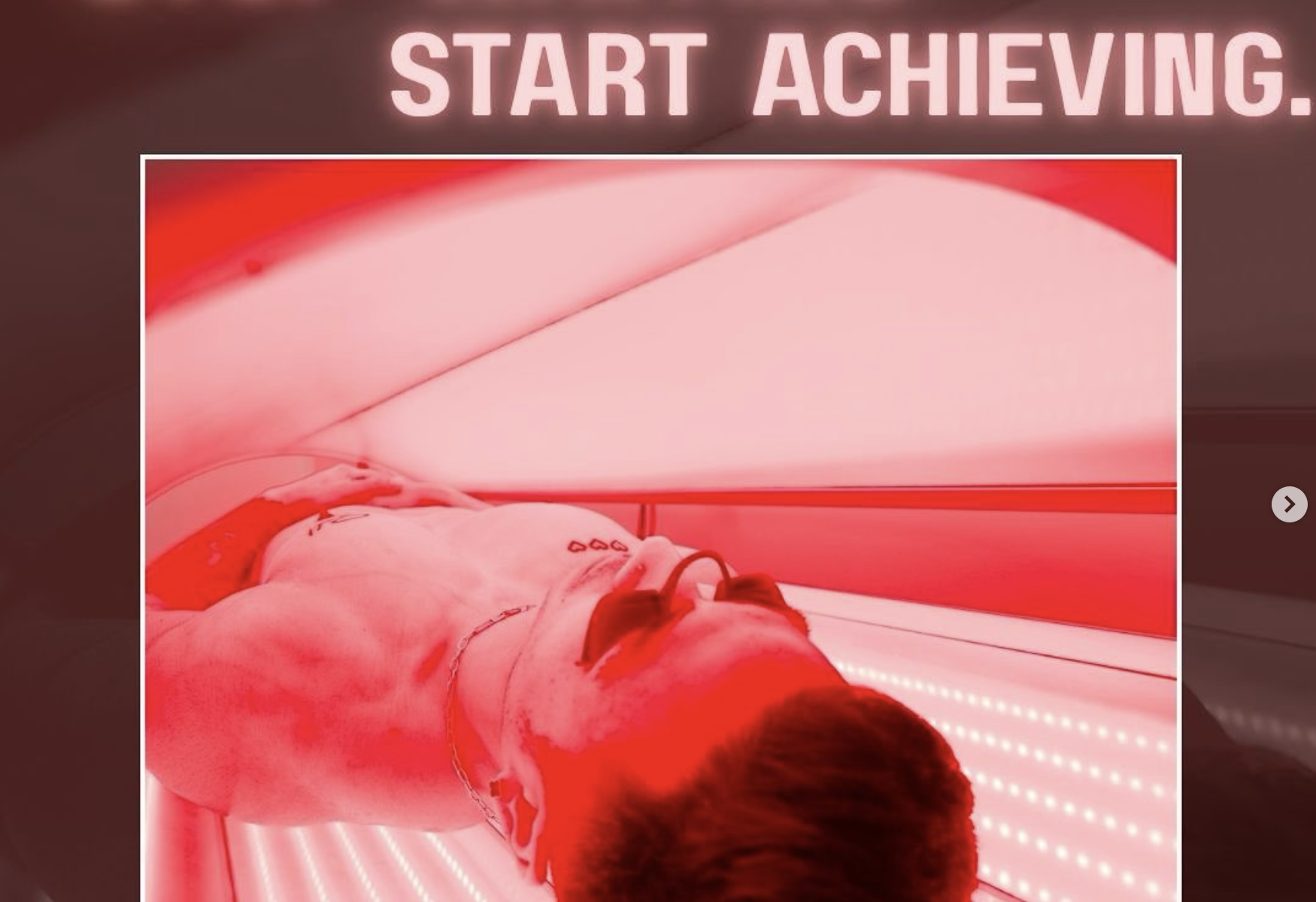
If you are serious about performance, pain reduction or getting back into training sooner, supportive therapies can help bridge the gap between effort and adaptation. One that has gained significant attention is photobiomodulation, also known as red and infrared light therapy.
This approach uses specific wavelengths of light to support cellular energy production, influence inflammatory processes and assist tissue repair. In simple terms, the goal is to help the body recover more efficiently at a cellular level. That is why it is increasingly used across sports recovery, pain management and broader wellness settings.
For gym-goers, this can be especially relevant during heavy training blocks, after intense sessions or when soreness and fatigue are starting to accumulate. It is not a replacement for sleep, food or sensible programming. But it can be a smart addition when you want a non-invasive, drug-free recovery option that works with your body rather than against it.
Whole-body delivery also matters. Localised treatments may suit a specific injury, but full-body exposure can be useful when the issue is broader muscle fatigue, systemic inflammation or overall recovery demand. That is part of the reason more people are looking beyond ice baths and massage alone.
The recovery mistakes that keep people sore
A lot of people think they are recovering well because they are doing something after training. But not everything that feels productive is actually effective.
One common mistake is under-eating, especially among people training for body composition goals. If your calorie intake is too low for your output, recovery is compromised. Another is going too hard on rest days and turning them into bonus workouts. There is also the classic pattern of training late, scrolling on the mobile until midnight and wondering why the body feels cooked.
Then there is volume creep. You add an extra class, another run or a few more sets because motivation is high, but your body is already telling you it has not caught up. Persistent soreness, reduced performance, poor sleep and irritability are not badges of honour. They are feedback.
How to recover after gym sessions when life is already busy
For busy professionals, parents and anyone juggling long workdays, ideal recovery habits can sound unrealistic. The answer is not perfection. It is prioritisation.
If you only have bandwidth for a few things, start with the big wins. Hydrate after training. Eat a decent meal with protein. Protect your sleep. Keep the day after hard sessions lighter if possible. If recovery still feels patchy, that is where clinically grounded support can make a real difference.
This is particularly true if you are not just training for aesthetics, but also managing fatigue, joint pain or a history of injury. Recovery needs are not the same for everyone. The strongest plan is the one that matches your physiology, your training load and your real life.
What better recovery should feel like
Good recovery does not always mean zero soreness. It means your body is coping well with training. Energy comes back. Stiffness settles. Sleep improves. Performance holds steady or lifts. You feel challenged by your sessions, not flattened by them.
That is the real benchmark. If your body is constantly lagging behind your effort, the answer is rarely to push harder. More often, it is to recover smarter.
If you treat recovery as part of training rather than something separate from it, the whole system works better. You move better, heal better and get more return from every session. And that is where gym progress starts to feel less like punishment and more like momentum.