

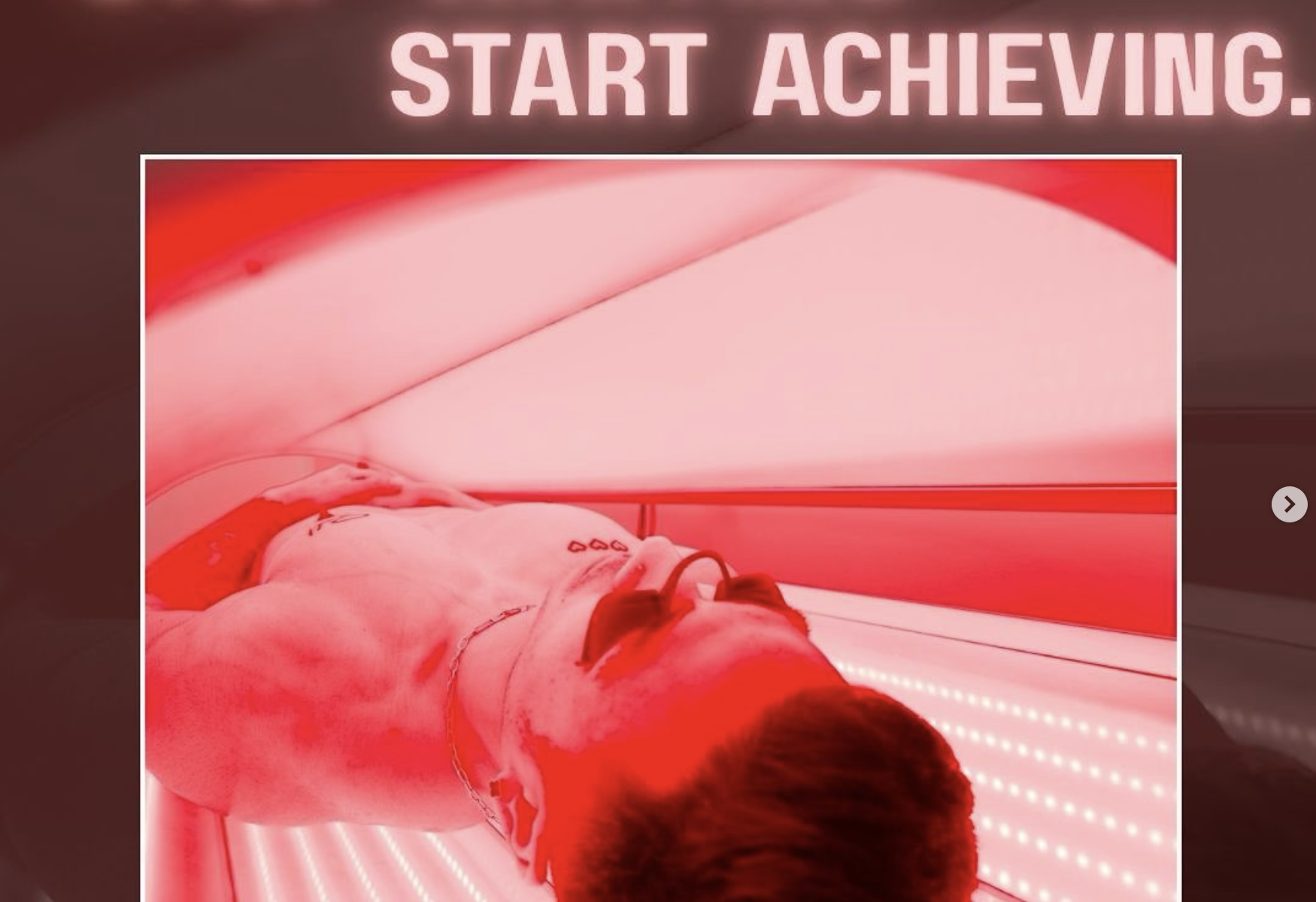
Surgery can solve a major problem, but recovery is where many people feel the real strain. Swelling, tenderness, stiffness, bruising, sleep disruption and that frustrating stop-start feeling can linger longer than expected. That is why interest in surgical healing with photobiomodulation is growing – not as a miracle claim, but as a practical, non-invasive way to support the body during a demanding repair process.
For people who want to recover well, the question is usually not whether healing happens. It is whether healing can happen more efficiently, with less discomfort and fewer setbacks. Photobiomodulation, often shortened to PBM, is increasingly part of that conversation because it works at a cellular level and fits the needs of people looking for drug-free recovery support.
What surgical healing with photobiomodulation actually means
Photobiomodulation uses specific wavelengths of red and near infrared light to stimulate biological activity in tissue. In plain terms, light energy is absorbed by the cells, particularly within the mitochondria, where energy production takes place. That process is associated with improved ATP production, support for circulation, and modulation of inflammation.
When we talk about surgical healing with photobiomodulation, we are talking about using those effects to support the body after an operation. The aim is not to replace your surgeon, wound care instructions or medical follow-up. The aim is to complement them by helping the tissue environment recover more effectively.
That distinction matters. Good recovery is rarely about one thing. It is usually the result of sound surgical care, sensible post-op management, rest, movement at the right time, nutrition, and, where appropriate, therapies that encourage repair without adding more stress to the system.
Why PBM is relevant after surgery
After surgery, the body enters a high-demand state. Tissue has been disrupted, the inflammatory response is activated, and your system needs to allocate resources toward repair. Some inflammation is necessary. Too much, or inflammation that hangs around longer than it should, can make recovery feel harder than it needs to.
This is where PBM stands out. It has been studied for its potential to support normal healing processes, reduce oxidative stress, and help manage pain and swelling. For post-surgical patients, those are not small wins. Less swelling can mean less pressure and greater comfort. Better local circulation can support nutrient delivery. Improved cellular energy can help tissues do the work of repair.
There is also a practical appeal. PBM is non-invasive, drug-free and generally well tolerated when delivered appropriately. For people who want to reduce reliance on medication where possible, or who are already juggling enough during recovery, that matters.
The benefits people often notice
Post-surgical recovery is personal, and the procedure itself makes a big difference. A minor skin treatment and a major orthopaedic surgery are not the same recovery story. Still, there are several reasons patients and clinicians look at PBM after procedures.
Pain reduction is often the first priority. PBM may help modulate pain by influencing inflammation and supporting tissue repair rather than simply masking symptoms. That can be especially useful when the goal is to feel more comfortable moving, sleeping and returning to routine.
Swelling and bruising are another common concern. Light therapy may assist the body in clearing post-procedural congestion more efficiently, which can improve comfort and appearance during the early healing phase.
Then there is tissue healing itself. Better cellular energy availability can support regeneration and repair, which is why PBM is often discussed in relation to wound healing, soft tissue recovery and post-operative rehabilitation.
Many people also report a broader benefit that is harder to measure but easy to value – they simply feel less battered by the recovery process. Better sleep, reduced discomfort and a greater sense of progress can make a real difference to morale.
Surgical healing with photobiomodulation in real-world recovery
The strongest interest in surgical healing with photobiomodulation tends to come from people recovering from procedures involving soft tissue, joints, skin or musculoskeletal structures. That can include cosmetic procedures, dental work, orthopaedic surgeries, sports-related operations and certain general surgical recoveries.
But suitability depends on timing, treatment area and medical clearance. Fresh wounds, dressings, implanted devices, active infections, medication use and the nature of the surgery all matter. PBM is promising, but it is not a one-size-fits-all protocol.
That is why the delivery method matters as much as the concept. A properly administered treatment should account for wavelength, power density, duration, treatment frequency and the patient’s overall condition. Too little may do very little. Too much is not automatically better. Clinical judgement is part of the value.
Why whole-body PBM may have an edge
Local treatment makes sense when the target area is obvious. But surgery does not only affect one patch of tissue. It places stress on the whole body. Sleep can deteriorate, inflammation can become more systemic, mobility may drop, and energy can slump.
A whole-body PBM approach may offer broader support by exposing a much larger surface area to therapeutic light in a controlled session. That can be relevant for people who are not only managing a wound or painful site, but also the fatigue, tension and general recovery burden that surgery can create.
For some patients, this broader effect is particularly appealing. If you are already depleted, a therapy that supports recovery beyond a single sore spot may fit better than a narrow, localised treatment model. It does not mean local care is unnecessary. It means whole-body support may complement it well.
What to expect from treatment
Most people want to know one thing – how many sessions will it take? The honest answer is that it depends. Procedure type, age, baseline health, inflammation levels and how far along you are in recovery all influence response.
Some people notice reduced tightness, discomfort or swelling quickly. Others improve more gradually over a series of sessions. In many cases, consistency matters more than a single treatment. Recovery is a process, and PBM tends to work best when it is part of that process rather than a last-minute fix.
Treatment itself is simple. You do not need needles, downtime or sedation. A session is designed to be comfortable and low stress, which is exactly what many people want when they are already healing from surgery.
What PBM can and cannot do
This is where clear expectations matter. Photobiomodulation can support healing. It cannot override poor wound care, replace medical advice or guarantee a specific timeline. If your surgeon has told you to avoid certain therapies, that instruction comes first.
There are also cases where timing is everything. Very early post-op care may require a more cautious approach depending on the procedure. In other cases, introducing PBM promptly may be beneficial. The right answer is not universal.
It is also worth saying that recovery quality depends on more than inflammation alone. Scar behaviour, infection risk, nutrition, circulation, sleep and movement all play a role. PBM can be a strong support tool, but it works best in the context of a sensible recovery plan.
Who may be a good candidate
Adults recovering from surgery who want a safe, non-invasive and evidence-informed therapy often find PBM appealing. It may be particularly relevant for those dealing with persistent swelling, post-operative pain, soft tissue repair demands, reduced mobility, or a general sense that healing is slower than expected.
It can also suit people who prefer to take a proactive approach. Rather than waiting and hoping recovery improves on its own, they want a clinically grounded option that supports the body’s own repair pathways.
In a setting like South Yarra, where busy professionals often want to get back to work, training and normal life without adding more medical complexity, that appeal is obvious. Efficient recovery support is not a luxury when your schedule, comfort and confidence are all affected.
Why evidence and experience both matter
PBM is not new, but the quality of treatment can vary sharply between providers and devices. That is why both scientific grounding and clinical experience matter. Patients need more than a glowing gadget and vague promises. They need a treatment environment that understands dosage, timing, safety and realistic outcomes.
At its best, PBM sits in a powerful space between medicine and wellness. It has the scientific language people want to trust, but it also delivers an experience people can actually stick with. That combination is one reason established providers such as iRPod continue to attract people looking for serious recovery support without invasive intervention.
If you are weighing up your options after surgery, the smartest question is not whether photobiomodulation sounds impressive. It is whether your recovery could benefit from targeted cellular support delivered safely, consistently and at the right stage. For many people, that is where better healing starts to feel possible again.