

If you are sore for days after training, dragging yourself through chronic fatigue, or waiting far too long for post-injury swelling to settle, the question is not whether recovery matters. It is what actually moves the needle. The best light therapy for recovery is the format that delivers enough of the right wavelengths, to enough of the body, often enough to create a measurable response at the cellular level.
That is where a lot of people get lost. Light therapy sounds simple, but not every device is built for serious recovery. Some are designed for a small patch of skin. Others are geared more towards cosmetic use than tissue repair. If your goal is less pain, better healing, improved muscle recovery, and a faster return to feeling like yourself, the details matter.
What makes the best light therapy for recovery?
At its most effective, recovery-focused light therapy uses red and near infrared wavelengths through a process known as photobiomodulation, or PBM. This is not heat for heat’s sake, and it is not a vague wellness trend. PBM is used to support cellular energy production, assist circulation, reduce oxidative stress, and help calm inflammation.
The practical takeaway is straightforward. Your cells need energy to repair tissue, regulate inflammation, and restore normal function. Red and near infrared light are used because they can stimulate mitochondrial activity and support ATP production, which is one of the reasons PBM is now firmly part of the conversation around pain management, recovery, and performance.
But the best light therapy for recovery is not defined by a buzzword. It comes down to a few factors: the wavelength, the power delivered, the size of the treatment area, the consistency of sessions, and whether the treatment is suited to your actual recovery goal.
Red light, infrared light, and why both matter
Red light and near infrared light are often mentioned together because they do different jobs well. Red light generally works closer to the skin’s surface, which can be useful for skin quality, superficial tissue support, and some aspects of inflammation. Near infrared penetrates more deeply, making it more relevant when the focus is muscles, joints, tendons, and deeper recovery processes.
That is why many higher-quality systems combine both. If you are recovering from intense exercise, dealing with joint pain, managing fibromyalgia, or supporting post-surgical healing, a mixed red and infrared treatment is often more useful than a single-wavelength option. You are not just chasing surface benefits. You want broad tissue support.
This is also where trade-offs come in. A handheld unit may be fine for a localised sore wrist. It is less convincing if you are dealing with whole-body fatigue, widespread muscular soreness, or multiple pain sites at once. The more systemic your issue, the more important treatment coverage becomes.
Full-body vs localised treatment
A small device can absolutely have a place. If you have one targeted area, use it consistently, and the device is clinically sound, local treatment may help. But when people search for the best light therapy for recovery, they are usually not looking for partial support. They want to recover faster, function better, and reduce the ongoing load of pain or fatigue across the body.
That is where full-body PBM stands apart.
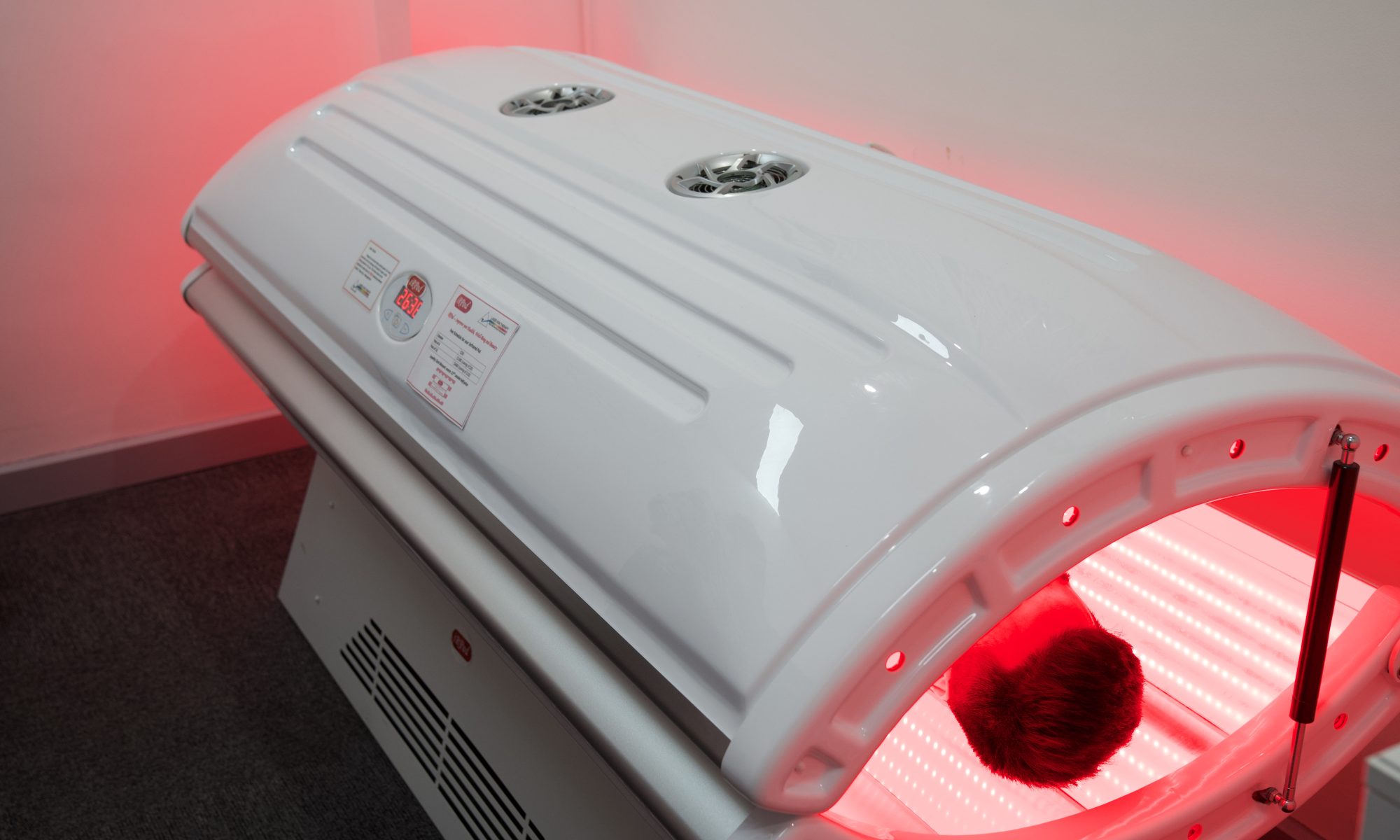
Full-body systems expose a much larger treatment area in a single session, which can be especially valuable for people with broad inflammatory load, sports fatigue, chronic pain patterns, post-exercise soreness, or recovery demands that are not neatly limited to one spot. Instead of moving a small device around and hoping you have covered enough ground, you receive a more comprehensive dose across the body.
For many adults balancing work, training, family, and persistent health issues, that matters. Recovery has to be effective, but it also has to be realistic. A 30-minute full-body session is often easier to commit to than trying to self-manage multiple treatment areas at home for months on end.
Who benefits most from recovery light therapy?
The best candidates are not just elite athletes. In practice, recovery light therapy appeals to a much wider group.
If you train regularly, PBM may support muscle recovery, reduce post-exercise soreness, and help you maintain consistency between sessions. If you are managing arthritis, fibromyalgia, or chronic fatigue syndrome, the appeal is different but just as important. You are looking for a non-invasive option that may help reduce pain, support energy, and improve daily function without adding another medication.
Post-surgical and injury recovery is another area where light therapy gets serious attention. Healing takes energy. Inflammation needs to be controlled, not suppressed blindly. Tissue repair needs the best possible environment. PBM is often chosen because it is drug-free, low-risk, and designed to support the body’s own repair mechanisms rather than override them.
Then there is the group that often gets overlooked – busy professionals who are not injured, but who simply do not feel recovered. Poor sleep, persistent tension, low energy, gym fatigue, and a sense that the body is always behind can all point to a need for better recovery support. For them, the best therapy is not always the most aggressive one. It is the one they can tolerate, maintain, and feel the benefit from over time.
What to look for in a clinic or device
This is where marketing can get noisy, so it pays to be direct. Look for clear use of red and near infrared wavelengths, a treatment model based on photobiomodulation rather than vague claims, and a provider that can explain what the therapy is intended to support.
Coverage matters. A larger treatment area generally makes more sense for whole-body recovery than a tiny panel. Session consistency matters too. One treatment may feel good, but recovery changes are usually built over a series. That is especially true for chronic pain, fatigue, and longer-standing inflammation.
You should also pay attention to the treatment setting. Good recovery therapy should feel safe, calm, and professionally delivered. A reputable clinic will be clear about what light therapy can do, where it may help most, and where results vary. Anyone promising instant cures is overselling it.
At the stronger end of the category, full-body pod systems offer a more advanced format by surrounding the body with thousands of LEDs in a controlled session. That kind of delivery is built for efficiency and broader therapeutic exposure, not just convenience.
Why the best option is often not the cheapest one
It is tempting to compare light therapy by price alone, especially when home devices are everywhere. But recovery outcomes depend on more than owning a gadget. They depend on treatment quality, consistency, and whether the system can actually match your needs.
A cheaper device may be suitable for casual skincare use or a small, occasional niggle. If your recovery challenge is more significant – stubborn pain, repeated muscle tightness, whole-body fatigue, or post-surgical healing – it can be more cost-effective to use a clinically positioned treatment that delivers proper whole-body exposure from the start.
This is one reason clinic-based PBM continues to attract people who want more than novelty. They want treatment that feels purposeful, evidence-based, and worth the session time.
Setting realistic expectations
The strongest recovery plans are rarely based on one thing alone. Light therapy works best when it is part of a broader recovery picture that includes sleep, movement, hydration, and appropriate medical care where needed. PBM is not magic, and serious conditions still require proper assessment.
That said, many people notice that light therapy fills a gap other options do not. It is non-invasive. It is generally comfortable. It does not ask the body to push harder when it is already under strain. Instead, it aims to improve the environment in which recovery happens.
Some people feel benefits quickly, especially around soreness, mobility, and general wellbeing. Others need a more structured run of sessions before the gains become obvious. It depends on what you are treating, how long it has been present, and how responsive your system is.
So, what is the best light therapy for recovery?
For most people seeking real recovery benefits rather than a cosmetic extra, the best light therapy for recovery is full-body red and near infrared photobiomodulation delivered in a clinical setting. It offers broader coverage, deeper therapeutic intent, and a more efficient way to support pain reduction, tissue repair, muscle recovery, and overall function.
That does not mean smaller devices have no role. It means they are usually better suited to smaller jobs. If your goal is whole-body support, faster recovery, and a treatment experience that aligns with both science and practicality, full-body PBM is hard to beat.
At clinics such as iRPod, that approach is built around advanced whole-body delivery rather than piecemeal treatment, which is exactly why it resonates with people who want to look better, feel better, and perform better without adding more stress to the body.
The smartest recovery choice is rarely the flashiest one. It is the one that matches your body, your goals, and the level of support you actually need to get back to living well.