

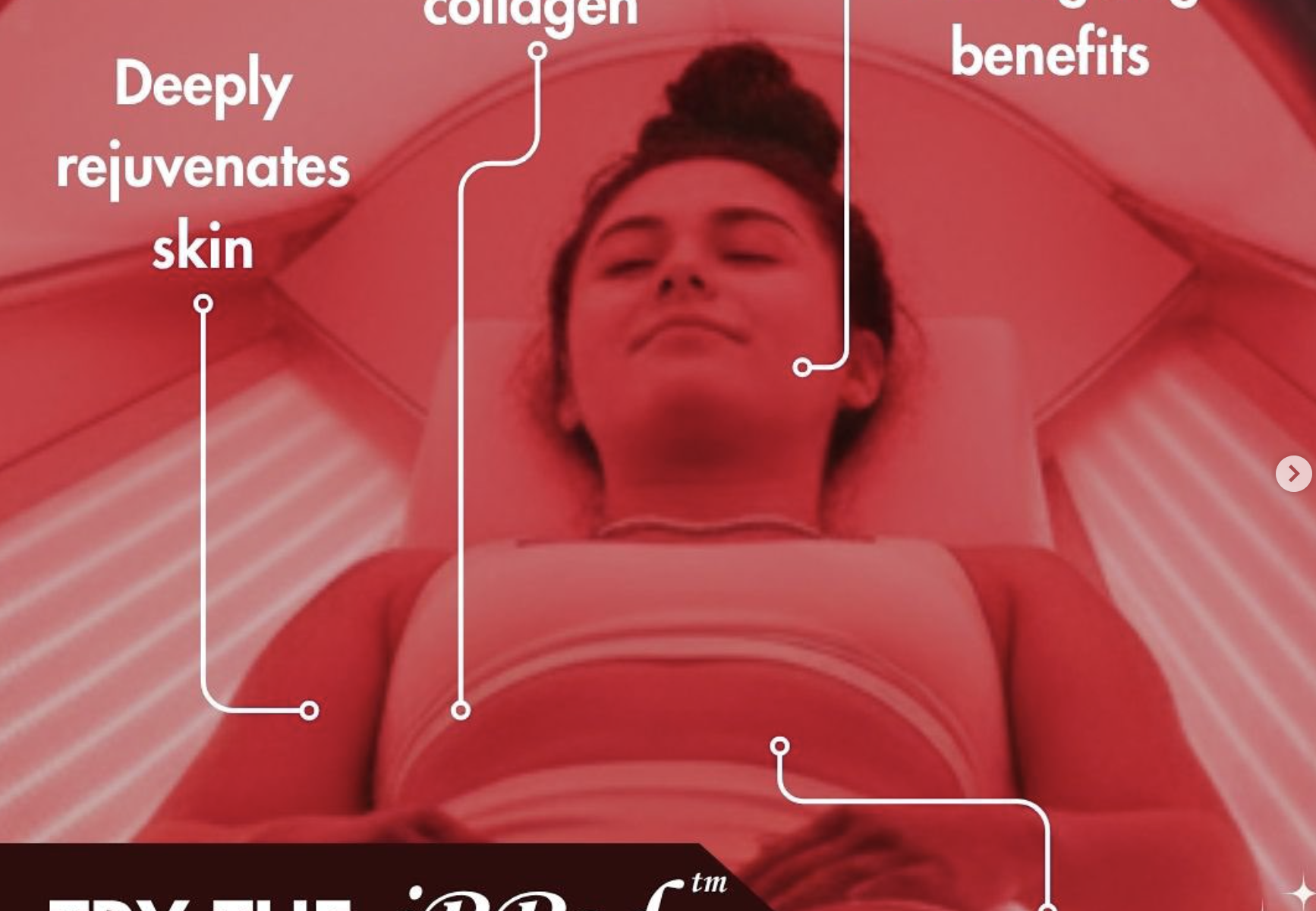
A lot of people start looking into skin rejuvenation light therapy after they notice the little shifts that creams do not quite fix – dullness, uneven tone, slower healing, fine lines that seem to settle in all at once. The real appeal is not hype. It is the fact that light, used at the right wavelengths and dose, can support how skin functions at a cellular level without needles, heat damage or downtime.
That matters if you want better-looking skin but also care about comfort, consistency and long-term skin health. For many adults, especially those juggling work, training, stress or recovery from illness, the best treatment is often the one they can actually stick with.
What skin rejuvenation light therapy actually does
Skin rejuvenation light therapy usually refers to red and near infrared light delivered at therapeutic wavelengths to encourage photobiomodulation. In simple terms, the light penetrates the tissue and is absorbed by parts of the cell involved in energy production. This can help support ATP production, reduce oxidative stress and influence the biological processes linked with repair and inflammation.
For skin, that can translate into better support for collagen, improved circulation, calmer redness and a healthier overall appearance. Some people notice their skin looks fresher and more even. Others are more interested in how it feels – less irritated, less reactive and quicker to recover after stress, travel, training or cosmetic procedures.
It is not a magic switch, and it does not work like a resurfacing treatment. You are not forcing the skin into trauma so it rebuilds. You are giving the tissue a non-invasive stimulus that may help it perform better. That distinction is why light therapy appeals to people who want results without the trade-off of peeling, discomfort or time off social plans.
Why red and infrared light are used for skin rejuvenation
Not all light is therapeutic. The wavelengths matter, the power matters and the treatment design matters. Red light is often discussed for skin-facing outcomes because it interacts well with more superficial tissue. Near infrared reaches deeper and can support broader tissue health beneath the surface.
When these wavelengths are delivered properly, they may help with collagen support, skin tone, post-inflammatory redness and the visible signs of fatigue. This is one reason skin rejuvenation light therapy is increasingly used by people who are not only chasing anti-ageing outcomes, but also looking for a more complete wellbeing approach.
If your sleep is poor, stress is high and recovery is lagging, your skin usually shows it. A treatment that supports broader recovery pathways may offer more than a cosmetic payoff. Better skin can be part of a bigger picture.
Full-body skin rejuvenation light therapy vs localised devices
This is where treatment quality starts to separate. A small handheld device or face mask may still have a role, especially for maintenance at home, but there are clear limits. Coverage is narrow, output varies and consistency can be hard to achieve.
A full-body photobiomodulation system changes the equation. Instead of treating a single patch of skin, it exposes the body more evenly to therapeutic red and infrared light. That matters because skin health is not only local. It is influenced by circulation, inflammation, recovery capacity and general cellular energy.
For clients who want visible skin benefits while also supporting sleep, soreness, fatigue or exercise recovery, full-body delivery is a stronger fit. It is efficient, comfortable and practical. You are not trying to chase results centimetre by centimetre.
At an established clinic using a dedicated PBM pod, treatment is also more controlled. Light density, coverage and session time are designed to deliver a consistent therapeutic dose. That is a very different proposition from guessing your way through a beauty gadget at home.
What results can you realistically expect?
The honest answer is that it depends on your starting point, your skin concerns and how regularly you commit to treatment. Some clients notice a fresher look after a few sessions, particularly if dullness, dryness or mild redness are the issue. Fine lines, skin firmness and more established signs of ageing usually take longer.
Light therapy tends to reward consistency rather than intensity. One session before a big event may help the skin look more rested, but a series is where the more meaningful changes often show up. That is because collagen support and skin recovery are biological processes, not overnight cosmetic tricks.
It is also worth being realistic about what light therapy will not do. It will not replace surgery for significant skin laxity, and it will not act like an injectable for dynamic wrinkles. Where it performs strongly is in overall skin quality – tone, clarity, calmness, texture support and a healthier-looking complexion.
Who tends to benefit most
People who respond well to skin rejuvenation light therapy are often looking for a safer, drug-free and non-invasive option. They want to improve how they look, but they also care about how they feel.
That includes adults noticing early to moderate signs of skin ageing, people with tired or stressed-looking skin, those recovering from intense training or poor sleep, and anyone wanting support after environmental or lifestyle strain. It can also suit people who do not want aggressive treatments or whose skin does not tolerate them well.
For some, the skin goal is the entry point. Then they start noticing they are sleeping better, recovering faster or feeling less run down. That broader response is one reason photobiomodulation has gained so much traction in wellness and recovery settings, not only in beauty conversations.
When to be cautious
Good therapy still requires good judgement. Light therapy is widely regarded as safe when delivered properly, but that does not mean every person should jump straight in without screening. If you have a photosensitive condition, are taking medication that increases light sensitivity, or have a medical concern that needs assessment, you should discuss that before treatment.
It also pays to be wary of exaggerated promises. If a provider suggests one session will erase years of skin ageing, that is marketing talking louder than science. Evidence-based care should sound confident, but it should also sound measured.
The best providers explain both the upside and the limits. They will talk about cumulative effects, session planning and why dose matters. That level of detail usually signals that the treatment is being delivered as a genuine therapeutic service, not just sold as another beauty trend.
Why treatment design matters as much as the light itself
A common mistake is to think all red light therapy is basically the same. It is not. Wavelength selection, power output, treatment duration and how much of the body is exposed all influence results. So does the environment. If a device is uncomfortable, inconsistent or awkward to use, adherence drops off.
That is why a professional whole-body system has a clear advantage for many clients. A 30-minute session in a temperature-controlled PBM pod is easy to build into a routine. You simply lie back and let the treatment do the work. There is no recovery time, no skin trauma and no need to reorganise your week around it.
For busy professionals and active adults, that ease matters. Results are always tied to consistency, and consistency is far easier when the treatment feels restorative rather than disruptive.
Skin goals are valid – but better skin often starts below the surface
The most useful way to think about skin rejuvenation light therapy is not as a cover-up, but as support. Healthy-looking skin is often a visible sign that the tissue is recovering well, inflammation is better managed and the body is coping more effectively with daily load.
That is what makes photobiomodulation such a strong fit for modern skin concerns. Many people are not ageing badly. They are simply carrying too much stress, too little sleep and too much inflammatory load. Their skin reflects that.
A clinically grounded, full-body approach gives you a chance to address that picture more intelligently. At iRPod, that means advanced red and infrared light therapy designed to help clients look better, feel better and perform better, without chasing harsh interventions first.
If you are choosing your next step, look for a treatment that respects biology, not just marketing. Skin tends to respond best when you give it the right conditions, then repeat them long enough for change to become visible.