

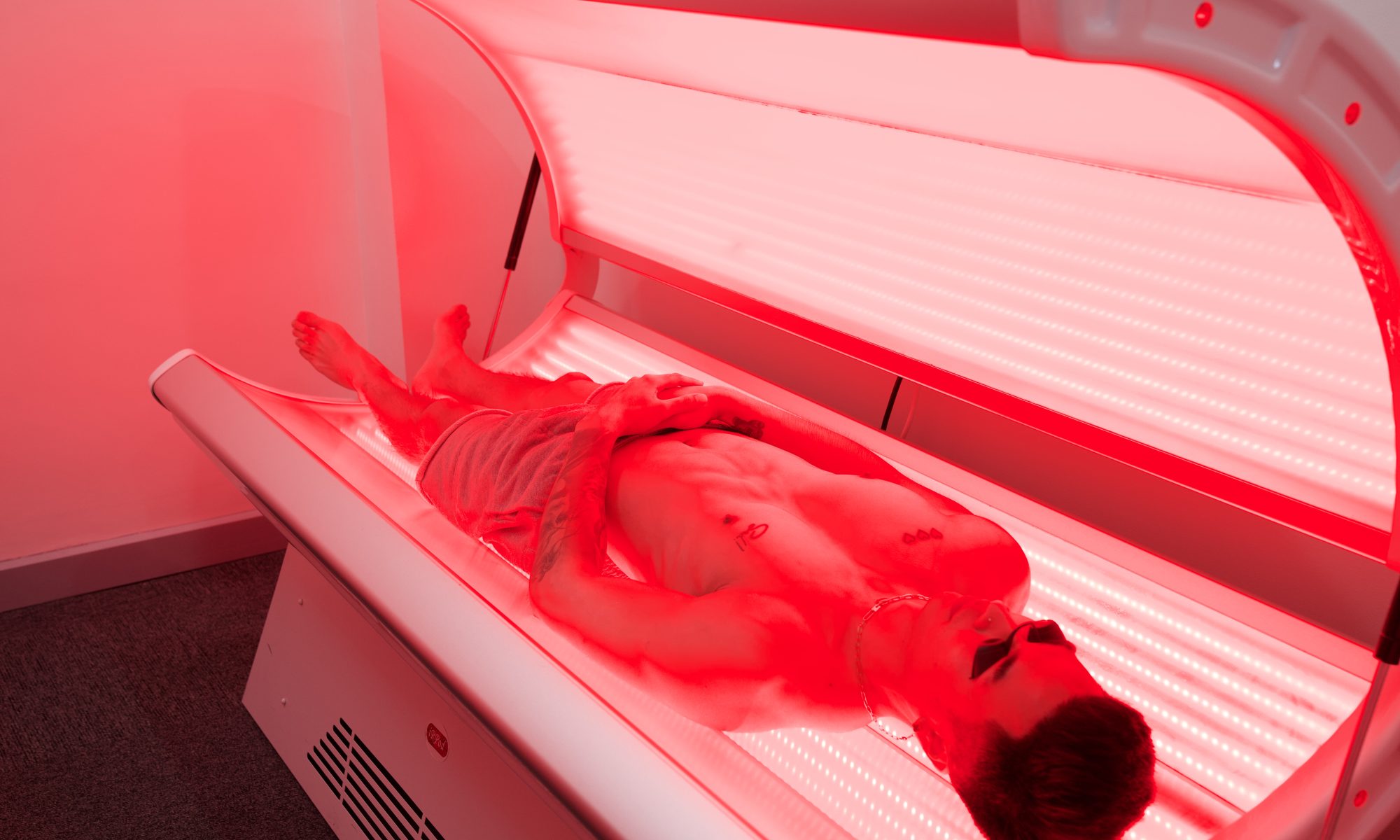
You can feel the difference between a treatment that targets one sore spot and one that treats the body as a system. That is the real appeal of full-body LED therapy. Instead of concentrating light on a single joint, tendon or patch of skin, whole-body photobiomodulation exposes a much larger surface area to therapeutic red and infrared light – with the goal of supporting recovery, reducing pain, improving skin quality, and helping the body function better overall.
For people dealing with chronic pain, low energy, poor sleep, post-exercise soreness or skin ageing, that broader approach matters. The body rarely operates in neat compartments. Inflammation, oxidative stress, circulation, tissue repair and nervous system regulation all overlap. A whole-body treatment is designed to work with that reality rather than against it.
What full body LED therapy actually is
Full-body LED therapy uses red and near-infrared light delivered across the body at specific therapeutic wavelengths. This is not the same as lying under a heat lamp or sitting in front of a beauty device for a few minutes. In a clinical setting, the aim is to deliver light energy in a controlled, repeatable way so it can penetrate tissue and influence cellular activity.
This process is commonly referred to as photobiomodulation, or PBM. At a cellular level, light is absorbed by chromophores within the body, particularly in the mitochondria. That interaction may help support ATP production, which is central to cellular energy. When cells have better access to energy, they may repair and regulate more effectively. That is one reason PBM is used across pain management, injury recovery, sports recovery, sleep support, skin rejuvenation and general wellness settings.
The full-body format changes the experience and the potential application. Rather than treating only the knee, shoulder or face, larger treatment coverage allows more tissue, more circulation pathways and more systemic processes to be supported in a single session.
Why full body LED therapy is different from localised treatment
Localised light therapy has its place. If someone has a very specific injury or a clearly isolated pain point, targeted treatment can be useful. But many people are not dealing with one neat problem. They are dealing with fatigue plus poor sleep. Joint pain plus slow recovery. Skin concerns plus stress and inflammation. That is where full-body LED therapy becomes more relevant.
A whole-body session may support multiple goals at once. Someone recovering from hard training may want less soreness, better sleep and faster readiness for the next session. A person managing fibromyalgia or chronic fatigue syndrome may be looking for support across pain, energy and general wellbeing. A client concerned about skin ageing may also value mood support, recovery and circulation benefits.
The trade-off is that whole-body therapy is not a magic fix for every condition and it is not always a substitute for more targeted care. Sometimes the best approach is broad systemic support combined with a localised treatment plan, depending on the person, the condition and the severity of symptoms.
What benefits people usually seek
Most people do not book this type of treatment because they are fascinated by light wavelengths. They book because they want to feel and function better.
Pain relief is one of the biggest reasons. Red and infrared light therapy is commonly used to support reduced inflammation, improved circulation and tissue repair. For people with arthritis, muscular tension, old injuries or post-surgical discomfort, that can translate to better movement and less day-to-day aggravation.
Recovery is another major driver. Athletes and active adults often use PBM to support muscle recovery, reduce exercise-related soreness and help the body bounce back faster between training sessions. The value here is not just comfort. Better recovery can improve consistency, and consistency is what drives long-term performance.
Skin is a strong motivator too. Red light is widely associated with collagen support, skin rejuvenation and improved skin tone. Full-body delivery takes that beyond facial treatment alone, which appeals to clients who want a more comprehensive anti-ageing and wellness approach.
Then there are the less visible but equally meaningful goals: better sleep, improved mood, more energy and a greater sense of balance. Those outcomes can be harder to measure immediately, but they are often the reason people continue with a course of sessions.
How a session feels in practice
One reason people are drawn to this treatment is that it is non-invasive and generally comfortable. There are no needles, no downtime and no recovery period in the usual sense. You lie in a full-body pod while red and infrared light is delivered across the body for a set treatment time.
A properly designed system should feel controlled and comfortable, not harsh or overwhelming. Temperature management matters. So does treatment consistency. These details are easy to overlook in marketing, but they are part of what separates clinical-grade delivery from lower-spec options.
Most sessions are around 30 minutes. That is long enough to be meaningful, but practical enough to fit into a working week. Many people schedule treatment around training, busy work periods or recovery windows because convenience makes adherence easier.
Does it actually work?
This is the right question, and it deserves a straight answer. The evidence behind photobiomodulation is promising across a range of applications, particularly in pain, tissue healing, inflammation, circulation and recovery. There is also growing interest in its use for sleep, mood and skin outcomes.
But results are not identical for everyone. The condition being treated matters. The wavelength matters. The dose matters. The power output, session frequency and treatment consistency all matter. So does the quality of the device and whether it is being used within a clinically informed framework.
That is why people often get mixed impressions online. They may have tried a small home device with limited output and assumed the therapy itself does not work. Or they may have expected one session to resolve a chronic issue that has been developing for years. Full-body LED therapy tends to perform best as part of a treatment plan rather than a one-off novelty.
Who may benefit most
People with persistent pain conditions often find the whole-body model more appealing than isolated treatment. If discomfort is widespread rather than local, broader coverage makes practical sense.
The same applies to people living with fatigue-related conditions, high training loads or post-surgical recovery demands. When the body is under broader physiological stress, systemic support can be more useful than treating one area in isolation.
It also suits people who want a treatment that sits between healthcare and wellness. Some clients come for pain or recovery. Others come because they want to look fresher, sleep better and feel more energised without adding another invasive procedure or medication to the mix.
If you are in Melbourne and weighing up options, the key is not simply finding a light therapy service. It is finding a provider with a strong clinical grounding, high-output whole-body delivery and a treatment approach based on real outcomes rather than hype.
What to look for in a provider
Not all LED therapy is built the same, and this is where many people get caught out. A premium full-body system should use therapeutic red and infrared wavelengths, deliver adequate intensity, and provide even whole-body coverage in a comfortable treatment environment.
Clinical credibility matters just as much as hardware. You want a provider that understands photobiomodulation beyond surface-level wellness claims. That includes knowing when treatment may help, when results may take time, and when expectations need to be realistic.
At the stronger end of the market, clinics are pairing full-body LED delivery with established low-level laser therapy knowledge and structured treatment planning. That combination tends to inspire more confidence because it is built around both technology and experience. That is part of why iRPod has positioned itself as a leader in this space.
The smarter way to think about results
The biggest mistake is expecting full-body LED therapy to act like a quick cosmetic fix or an instant pain switch. Some people notice benefits quickly, especially in relaxation, mood, sleep quality or post-training soreness. Others need several sessions before change becomes more obvious.
A better question is whether the therapy supports positive change over time. Can it help reduce the baseline level of pain? Can it improve recovery capacity? Can it support better skin quality, less stiffness, steadier energy or more restful sleep? Those are the outcomes that make treatment worthwhile.
That is also why a short treatment series often makes more sense than judging the therapy on a single visit. In many cases, consistency is what gives the body the chance to respond.
Full-body LED therapy is not about doing more for the sake of it. It is about treating the body in a way that matches how the body actually works – connected, adaptive and always responding to the environment around it. When the technology is clinically sound and the treatment plan is well considered, that can be a very practical place to start if you want to look better, feel better and perform better without adding more strain to the system.