

You usually start asking what is photobiomodulation used for when something is not bouncing back the way it should. Pain lingers. Recovery drags on. Sleep feels light and broken. Your skin looks tired, or your energy does. That is where photobiomodulation, often shortened to PBM, has earned serious attention – not as a fad wellness treatment, but as a non-invasive therapy used to support how the body repairs, restores and performs.
Photobiomodulation uses specific wavelengths of red and near infrared light to stimulate cellular activity. The key mechanism often discussed is ATP production, which matters because ATP is the energy currency your cells rely on for repair and function. When the right light reaches tissue, it may help reduce oxidative stress, support circulation and influence inflammation in a way that gives the body a better environment to heal. The result is not one single use case. PBM is used across pain management, recovery, skin rejuvenation and broader wellbeing.
What is photobiomodulation used for in practice?
The short answer is that photobiomodulation is used for conditions and goals where better cellular function can make a meaningful difference. That includes pain reduction, tissue healing, muscle recovery, improved skin appearance, better sleep, mood support and fatigue management. The exact response depends on the person, the condition, the treatment parameters and how consistent the sessions are.
This is why PBM appeals to such a broad group of adults. Some people want support for chronic pain without leaning further into medication. Others are focused on post-exercise recovery, healthy ageing, or getting through a demanding work week with better energy and less physical drag. The therapy is versatile, but it is not magic. It works best when matched to the right indication and delivered properly.
Pain reduction and inflammation support
One of the most common reasons people seek PBM is pain. This includes joint pain, muscular pain, arthritic discomfort, old injuries that flare up, and persistent body-wide pain conditions. Light therapy is used here because it may help calm inflammatory processes, improve circulation and support tissue repair rather than simply masking symptoms.
For someone with arthritis, the goal is often to reduce stiffness and improve day-to-day comfort. For someone with fibromyalgia, the aim may be broader – less sensitivity, less post-activity aggravation and a better baseline for functioning. For a desk-bound professional in Melbourne dealing with neck, shoulder or lower back tension, the benefit may be feeling less compressed and more mobile after repeated sessions.
There is a trade-off worth being clear about. PBM is not a one-off fix for long-standing pain patterns. Acute issues can sometimes respond quickly, but chronic conditions usually need a course of treatment. That is why structured treatment plans often produce better outcomes than a single casual session.
Tissue healing and post-surgical recovery
Another major answer to what is photobiomodulation used for is healing support. PBM is widely used to assist tissue repair after strain, injury or surgery. By supporting cellular energy and local circulation, it may help the body move through recovery more efficiently.
This matters when healing feels slow, swelling lingers or mobility is limited by tenderness. People recovering from orthopaedic procedures, soft tissue injuries or repetitive strain often look for therapies that can complement their broader recovery plan without adding more stress to the system. A non-invasive treatment has obvious appeal here.
That said, timing and clinical context matter. Post-surgical recovery should always be considered alongside medical advice, and PBM is best viewed as supportive care rather than a replacement for proper rehabilitation. The strongest outcomes usually come when it sits beside appropriate movement, rest and practitioner guidance.
Sports performance and muscle recovery
For active adults, whole body PBM IRPod is often used before or after exercise to support performance and recovery. This can mean less muscle soreness, faster recovery between training sessions and better resilience during higher training loads. When your muscles recover more efficiently, consistency becomes easier – and consistency is what drives progress.
Athletes are not the only people interested in this. Plenty of everyday clients use PBM because they want to train, walk, run, lift or play sport without spending the next two days feeling wrecked. It can also appeal to people getting back into movement after a long break, where recovery capacity may not match motivation.
Whole-body delivery can make a real difference in this category. Localised devices have their place, but broad exposure is useful when the issue is systemic fatigue, full-body soreness or overall recovery demand rather than one isolated spot.
Fatigue, energy and general wellbeing
When people are run down, they often describe it in ways that are hard to quantify. Flat battery. Heavy limbs. Poor concentration. No spark. Photobiomodulation is increasingly used to support people dealing with low energy, chronic fatigue patterns and the general wear-and-tear of high-output lives.
The logic again comes back to cellular energy. If PBM helps improve ATP production and reduce oxidative stress, it may support better function across multiple systems. Some clients report that they feel clearer, steadier and more energised after a course of sessions. For people living with chronic fatigue syndrome or long-term exhaustion, that prospect is understandably compelling.
Still, this is an area where expectations need to stay grounded. Fatigue can have many drivers, from hormonal issues to sleep disruption to stress and illness. PBM may be a powerful supportive therapy, but it should be part of a bigger picture, not a substitute for proper assessment when symptoms are persistent.
Sleep and mood support
Not every use of PBM is about pain or injury. Better sleep and better mood are also common reasons people seek treatment. When the nervous system has been under pressure for too long, the effects show up everywhere – energy, recovery, motivation, resilience and skin included.
Some clients use photobiomodulation because they want to feel more settled, sleep more deeply and recover from the cumulative impact of stress. If pain reduces, sleep often improves as a knock-on effect. If inflammation settles and the body feels less taxed, mood can lift too. There may also be direct biological effects that support these outcomes, although responses vary.
This is one of the more personal areas of treatment. Some people notice a shift quickly. Others need consistency before changes become obvious. The best approach is to treat sleep and mood benefits as realistic possibilities, not guaranteed overnight transformations.
Skin rejuvenation and healthy ageing
Aesthetic outcomes are another well-established use of PBM. Red light therapy is commonly used to support collagen production, improve skin tone and help the skin look fresher, calmer and more radiant. For many adults, this is not about chasing perfection. It is about looking less tired, softening the visible effects of stress and age, and supporting skin health in a way that feels natural.
PBM may also be used to assist with recovery after certain skin treatments, depending on the situation. Because it is non-invasive, it appeals to people who want results without the downtime or intensity of more aggressive approaches.
As with all skin therapies, the result depends on your starting point. Mild dullness and uneven tone may respond differently from deeper textural concerns. But when skin improvement is paired with benefits like better sleep, recovery and overall wellbeing, the treatment can feel far more valuable than a purely cosmetic fix.
Why treatment delivery matters
Not all photobiomodulation is equal. Wavelength, dosage, treatment duration and coverage all influence outcomes. This is why the question is not only what is photobiomodulation used for, but how it is being delivered.
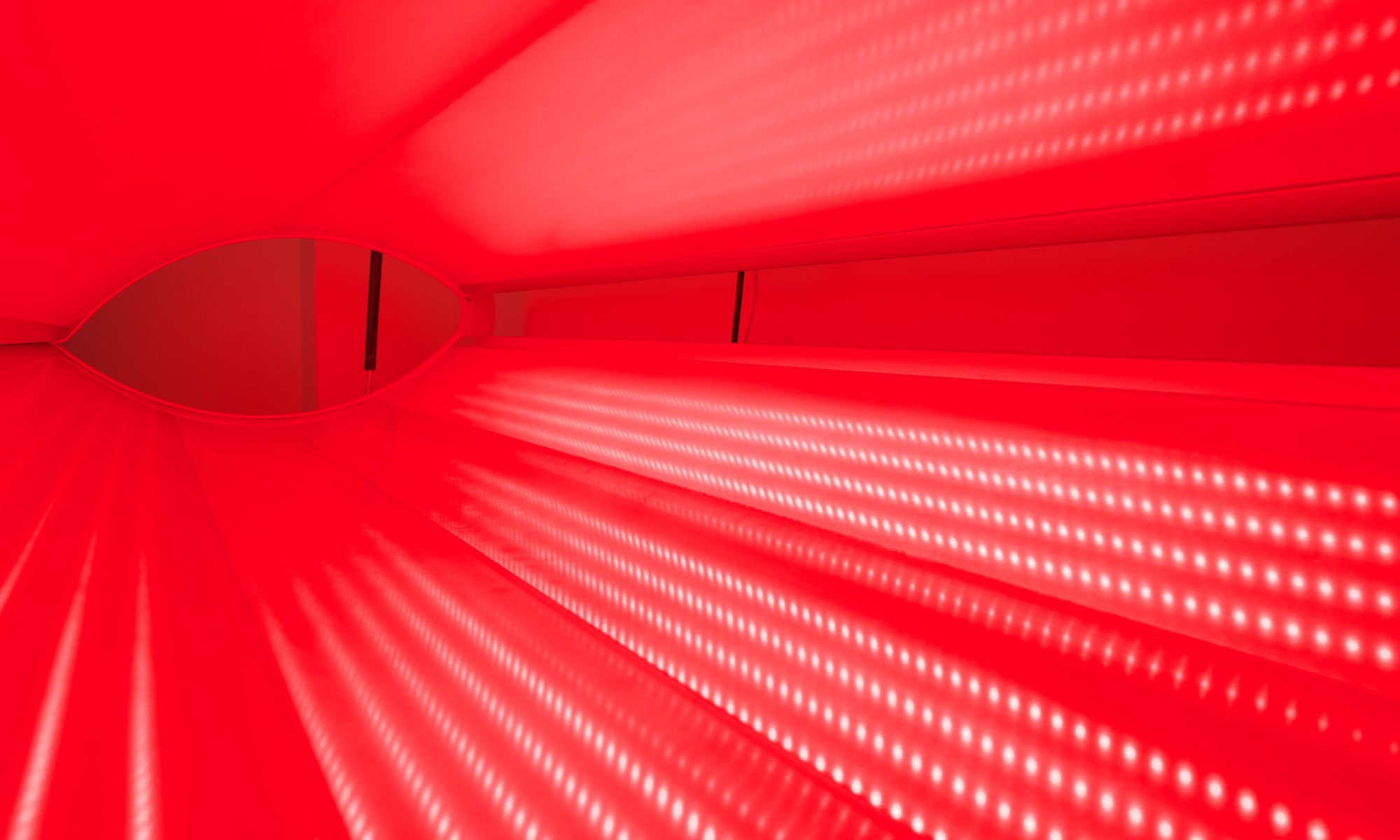
A whole-body PBM pod offers a different proposition from a small handheld device. When you are trying to support systemic issues such as body-wide pain, fatigue, recovery demand or overall wellness, full-body exposure can be a stronger fit. More tissue is treated at once, sessions are efficient, and the experience is easier to build into a treatment plan.
For clients who want a safe, drug-free option that feels both clinically grounded and genuinely restorative, that matters. At iRPod, this whole-body approach is central to why people choose PBM in the first place – they are not just treating one sore spot, they are supporting the body more broadly.
Is photobiomodulation right for everyone?
PBM has an excellent safety profile when delivered appropriately, which is one reason it has become so attractive to people looking for non-invasive care. Still, the right answer depends on your goals, your health status and whether the treatment is being tailored to your needs.
If your main issue is persistent pain, a recovery plateau, poor sleep, skin ageing or stubborn fatigue, photobiomodulation may be a smart option to consider. If you are expecting one session to undo years of strain, inflammation or disrupted recovery, you will likely be disappointed. Good therapy still relies on a sensible plan.
The strongest results tend to come from consistency, proper treatment settings and realistic expectations. When those pieces line up, PBM can be a powerful tool for people who want to look better, feel better and perform better without adding another invasive or medication-heavy solution to the mix.
If your body has been asking for support for a while, photobiomodulation is worth considering not because it promises everything, but because it targets the basics that good healing and recovery depend on.