
When your body is already under pressure, the last thing you want is a recovery plan that adds more strain. That is why a guide to non invasive recovery matters. Whether you are managing persistent pain, bouncing back after training, healing post-surgery, or simply trying to get your energy and sleep back on track, the goal is the same – support the body without creating another problem to solve.
For many adults, recovery is no longer just about rest and waiting. It is about choosing therapies that work with the body’s natural repair processes, reduce unnecessary load, and fit into real life. The shift is clear. People want evidence-based options that feel safe, practical, and sustainable, especially when medication-heavy pathways have not delivered the outcome they hoped for.
What non invasive recovery actually means
Non invasive recovery refers to treatments and strategies that support healing, pain reduction, tissue repair, and overall wellbeing without surgery, injections, or significant physical disruption to the body. That sounds straightforward, but there is nuance.
A recovery option can be non invasive and still vary widely in quality, intensity, and likely results. Some approaches are passive, like compression or heat. Others are more biologically active, like photobiomodulation, where specific wavelengths of red and infrared light are used to support cellular function. The key difference is that the body is being supported, not forced.
That matters because recovery is rarely one-dimensional. A person with arthritis may want less pain and better mobility. A busy professional dealing with poor sleep and fatigue may be looking for improved energy and mood. Someone recovering from a workout, injury, or cosmetic procedure may want faster tissue repair with minimal downtime. Non invasive care can meet those goals, but the right option depends on what is driving the problem.
A guide to non invasive recovery options
The best non invasive recovery plans usually combine a few sensible foundations with one or two targeted therapies. That is where people often get better results – not from chasing every new treatment, but from matching the treatment to the outcome they actually want.
Sleep, stress, and nervous system load
If recovery feels slow, your nervous system may be part of the story. Poor sleep, chronic stress, and mental overload can keep the body in a state that is not ideal for repair. You may be doing all the right things physically and still feel flat, sore, or inflamed.
This is why high-performing people often hit a wall. They train hard, work hard, and then wonder why their body stops responding. Recovery requires energy. If stress is constantly chewing through your reserves, tissue healing and pain modulation can lag behind.
Non invasive approaches that help calm the system can be useful here. Breathwork, gentle movement, and consistent sleep routines all have a place. So do therapies that support relaxation while also acting at a cellular level.
Manual and movement-based support
Physiotherapy, remedial massage, mobility work, and tailored exercise can all play a role in non invasive recovery. These options can improve movement quality, reduce stiffness, and help restore function over time.
The trade-off is that they are not always enough on their own, particularly when fatigue, chronic pain, inflammation, or delayed healing are involved. Movement-based therapy is valuable, but if the body is struggling to produce enough energy for repair, progress can be slower than expected.
That is where adjunctive therapies can become more than a nice extra. They can help create better conditions for the body to respond.
Photobiomodulation and light therapy
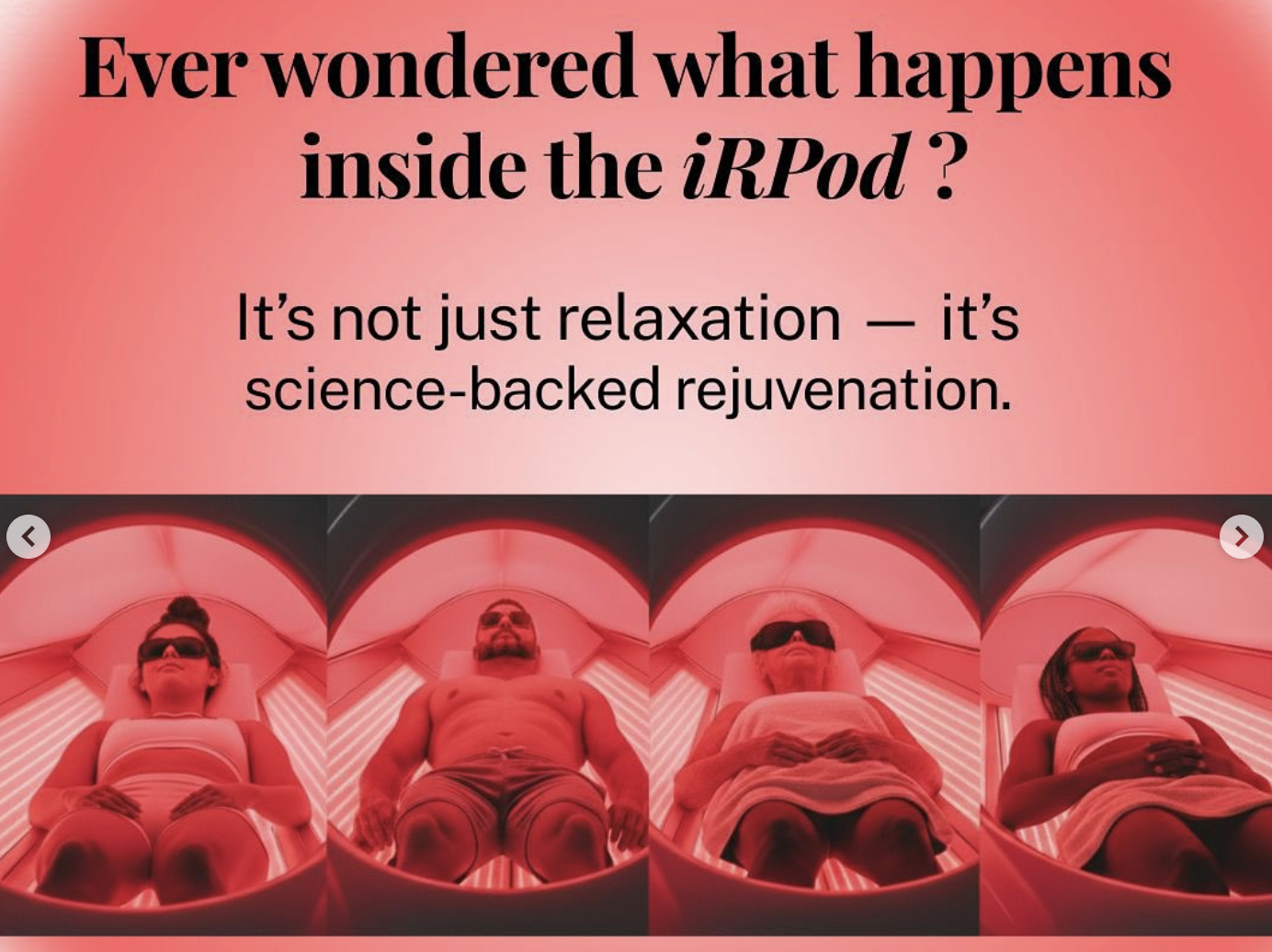
One of the most advanced options in any serious guide to non invasive recovery is photobiomodulation, also known as PBM. This therapy uses specific red and infrared light wavelengths to stimulate cellular processes linked to repair, circulation, inflammation management, and energy production.
The mechanism is one reason PBM has gained so much attention. Light at therapeutic wavelengths can be absorbed by the mitochondria, supporting ATP production. ATP is the energy currency your cells use for repair and function. When ATP production improves, the body may be better equipped to heal tissue, manage oxidative stress, and recover from physical load.
That does not mean PBM is a magic fix. Results vary depending on the condition, the frequency of treatment, and the quality of the device being used. But it does make it a compelling option for people who want a drug-free, non-invasive therapy with broad applications.
For chronic pain, sports recovery, fatigue, skin rejuvenation, post-surgical healing, and general wellbeing, whole-body PBM offers a wider treatment footprint than localised devices. That can matter when symptoms are systemic rather than isolated to one small area.
Why whole-body therapy changes the conversation
A lot of recovery tools target one joint, one muscle group, or one symptom. Sometimes that is appropriate. If you have a single strained calf, a localised treatment may be enough. But many people are not dealing with a neat, isolated issue.
Chronic fatigue syndrome, fibromyalgia, poor sleep, widespread inflammation, stress-related depletion, and even post-training soreness can affect the whole system. In these cases, full-body support can make more sense than spot treatment.
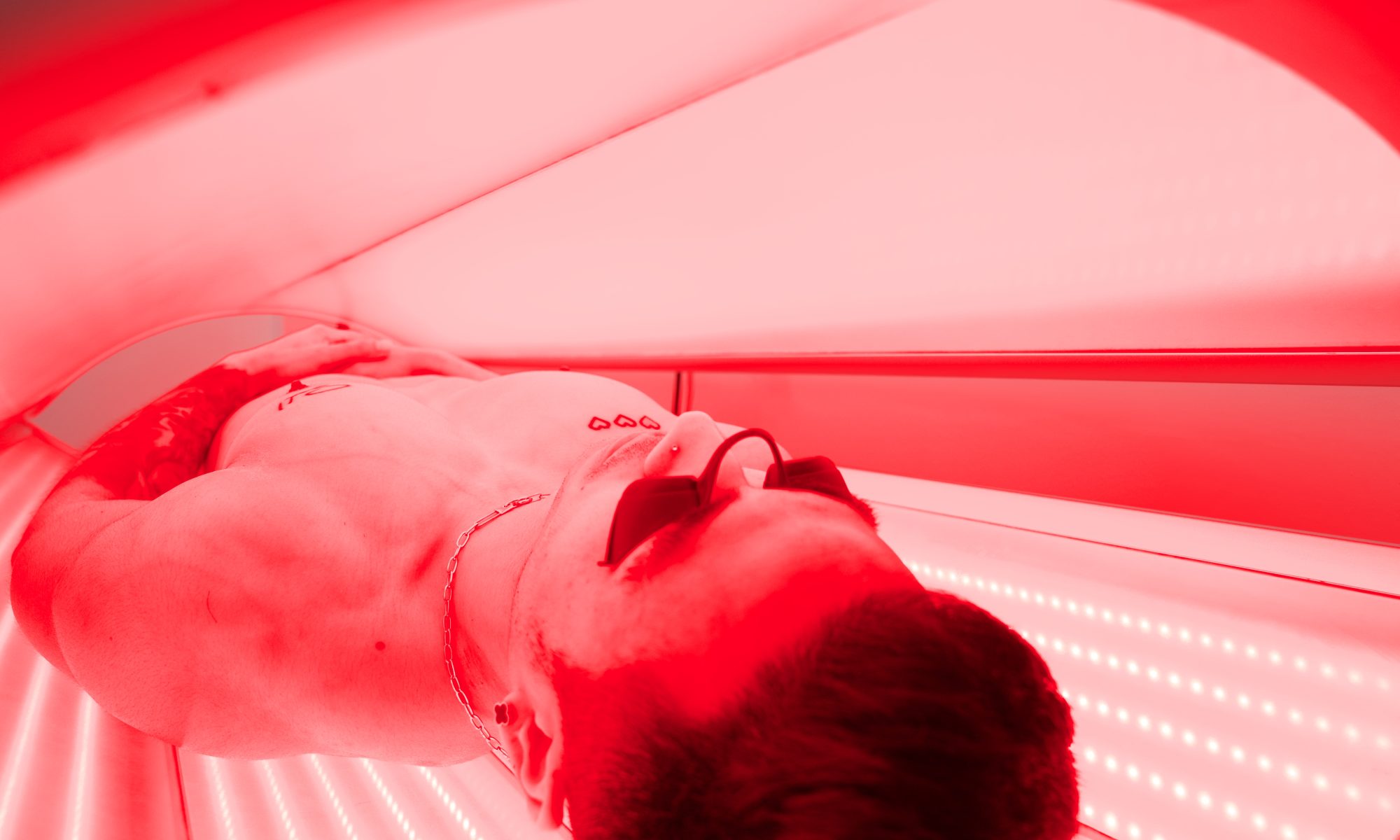
Whole-body red and infrared light therapy is designed to expose more of the body to therapeutic wavelengths in a single session. That broader coverage can support people who want more than pain relief in one area. They may also be chasing better sleep, more consistent energy, improved mood, faster recovery after exercise, and healthier-looking skin.
This is where advanced PBM delivery stands apart from many consumer-grade light devices. Clinical systems with high-output, controlled full-body delivery are built for treatment consistency and therapeutic intent. That distinction matters if you are investing in recovery and want more than a wellness trend.
Who benefits most from non invasive recovery
The strongest candidates are usually people who want measurable support without adding more burden to the body. That includes adults living with persistent pain, those recovering from surgery or injury, active people wanting to perform better, and anyone dealing with the compounding effect of poor sleep, stress, fatigue, and inflammation.
It can also be a strong fit for people who are simply tired of bouncing between short-term fixes. If your current plan only masks symptoms, non invasive therapies may offer a more strategic way to support underlying recovery processes.
There is, however, an important reality check. Non invasive does not mean instant. It often works best as a course of care rather than a one-off session. Some people feel a change quickly. Others need repeated sessions before the benefit becomes obvious. That is particularly true with chronic conditions, where the body may need time and consistency to respond.
How to choose the right recovery approach
Start with the outcome, not the marketing. Do you want less pain, faster healing, more energy, better sleep, or support for athletic recovery? A good treatment should have a clear rationale for that goal.
Then consider whether the issue is local or systemic. A sore shoulder after a weekend match is different from body-wide fatigue and inflammation. The more widespread the issue, the more useful whole-body strategies become.
Safety and credibility should also be non-negotiable. Look for therapies with a clear evidence base, proper clinical application, and a treatment setting that can explain how and why the therapy is being used. If a provider cannot explain the mechanism or the expected treatment plan, that is worth questioning.
Finally, think about what you can actually stick with. Recovery should be realistic. A treatment that fits into a 30-minute appointment and supports multiple goals at once can be more practical than trying to patch together five different appointments each week.
The future of recovery is lower load and higher intelligence
The old model was often simple – push through, numb the symptoms, wait it out. That is changing. People are becoming more selective and more informed. They want therapies that are safe, clinically grounded, and aligned with how the body heals.
That is exactly why non invasive recovery is gaining momentum. It offers a way to support performance, healing, and wellbeing without escalating stress on the body. In a clinic setting, advanced therapies such as whole-body photobiomodulation are making that support more targeted, more comfortable, and more accessible.
For people in South Yarra and across Melbourne looking for a modern recovery option, that matters. You should not have to choose between clinical credibility and feeling cared for. The best recovery support gives you both.
If your body has been asking for a better plan, listen to it. The smartest recovery path is often the one that helps you look better, feel better, and perform better without asking your system to pay a higher price.