

Some people call it tiredness, but anyone living with chronic fatigue knows that word barely covers it. When your body feels flat after a full night’s sleep, your concentration drops by midday, and even small tasks seem to demand too much, finding natural support for chronic fatigue stops being a wellness trend and becomes a serious priority.
What natural support for chronic fatigue really means
Natural support for chronic fatigue is not about chasing a quick fix or forcing your body to push harder. It is about reducing the load on systems that are already under strain, while supporting the biological processes linked to energy, recovery, sleep, inflammation and mood.
That distinction matters. Chronic fatigue can sit alongside poor sleep, high stress, persistent pain, post-viral symptoms, fibromyalgia, hormonal shifts, nutrient issues and chronic fatigue syndrome. Because the causes and triggers vary, the right support plan usually needs to be layered rather than simplistic. What helps one person dramatically may only help another a little.
For most adults, the most effective natural approach starts with a realistic question: what is draining energy faster than the body can restore it? From there, support strategies can be chosen more intelligently.
Start with the basics, but do them clinically
There is nothing glamorous about sleep hygiene, blood sugar balance or pacing. Yet these are often the first places where progress becomes possible.
Sleep needs to be treated as a biological repair window, not just time in bed. If sleep is light, broken or unrefreshing, fatigue often compounds regardless of what supplements or therapies are added. A dark room, regular sleep and wake times, a cooler bedroom, reduced evening screen exposure and less caffeine later in the day can all help. Simple does not mean insignificant.
Food also matters, although not in the usual motivational-post way. Many people with chronic fatigue do better when meals are regular, balanced and built around adequate protein, fibre and slow-release carbohydrates. Long gaps between meals and heavy reliance on sugary snacks can create energy swings that feel like worsening fatigue. Hydration is another easy one to dismiss, but even mild dehydration can affect focus, stamina and recovery.
Then there is pacing. This is often the hardest shift for active, capable adults, especially professionals used to getting on with it. Boom-and-bust cycles are common in chronic fatigue – pushing through on a better day, then crashing hard afterwards. Pacing is not giving up. It is energy management with more precision.
The role of stress, pain and nervous system load
Fatigue is rarely just about low energy. Often, it is the result of too much biological stress happening at once.
If pain is ongoing, the body is spending resources on managing that pain. If stress is chronic, cortisol patterns, sleep quality and muscle tension can all suffer. If the nervous system is constantly in a heightened state, recovery becomes less efficient. This is one reason chronic fatigue often overlaps with brain fog, irritability, poor sleep and lowered resilience.
Natural support needs to address that total load. Breathwork, gentle movement, mindfulness and time outdoors can help some people regulate stress more effectively. But there is a trade-off here. If a strategy feels like another chore, it may not be sustainable. The best routine is usually the one that is simple enough to repeat consistently.
Movement can help, but the dose matters
Exercise advice can be frustrating when fatigue is already limiting daily life. The truth is that movement can support circulation, mood, mobility and sleep, but only when the dose matches the person.
For some, that may be short walks, stretching or light mobility work. For others, especially those with post-exertional symptom flare-ups, even small amounts can be too much at the wrong time. More is not always better. Progress tends to come from consistency and restraint, not intensity.
This is where people often need permission to stop comparing themselves to standard fitness advice. The goal is not to train like a high performer when the body is struggling to recover. The goal is to build capacity without deepening the fatigue cycle.
Nutritional support and supplements – useful, but not universal
Supplements are often part of the conversation around natural support for chronic fatigue, and sometimes they are useful. But they work best when they are targeted, not random.
A clinician may look at iron status, B vitamins, vitamin D, magnesium and other contributors if symptoms and history suggest a need. Some people also explore adaptogenic herbs or mitochondrial support nutrients. That said, supplements are not automatically harmless or effective simply because they are natural. Quality varies, interactions can occur, and taking several products without a plan can become expensive fast.
A better approach is evidence-led and symptom-led. If something is going to be added, there should be a reason for it and a way to judge whether it is helping.
Why whole-body recovery support can make a difference
When fatigue is persistent, many people need support that goes beyond lifestyle basics. This is where non-invasive therapies can become valuable, particularly when they are designed to support cellular function rather than merely mask symptoms.
Photobiomodulation, also known as red and infrared light therapy, has gained attention because it works at a cellular level. Specific wavelengths of light are absorbed by the body and may help support mitochondrial activity, ATP production, circulation and recovery processes. In plain terms, that means supporting the systems involved in energy production and repair.
For people dealing with chronic fatigue, that matters. The body is not just tired – it may be struggling to produce and manage energy efficiently. A therapy that aims to support cellular energy pathways, while also helping with pain, sleep and inflammation-related load, can make practical sense as part of a broader plan.
Red and infrared light therapy as natural support for chronic fatigue
Red and infrared light therapy is not a magic wand, and it should never be framed that way. Results vary depending on the person, the severity of symptoms, whether there are other conditions involved, and how consistently treatment is used.
What makes it compelling is that it is drug-free, non-invasive and grounded in a growing body of photobiomodulation research. Many people seek it out because they want a natural option that supports the body’s own recovery mechanisms rather than adding another medication to the mix.
Whole-body delivery may be particularly appealing for people whose symptoms are not localised. Fatigue often does not exist in one body part. It is systemic. A broader treatment format can therefore feel more aligned with the lived experience of fatigue than a narrower, spot-treatment approach.
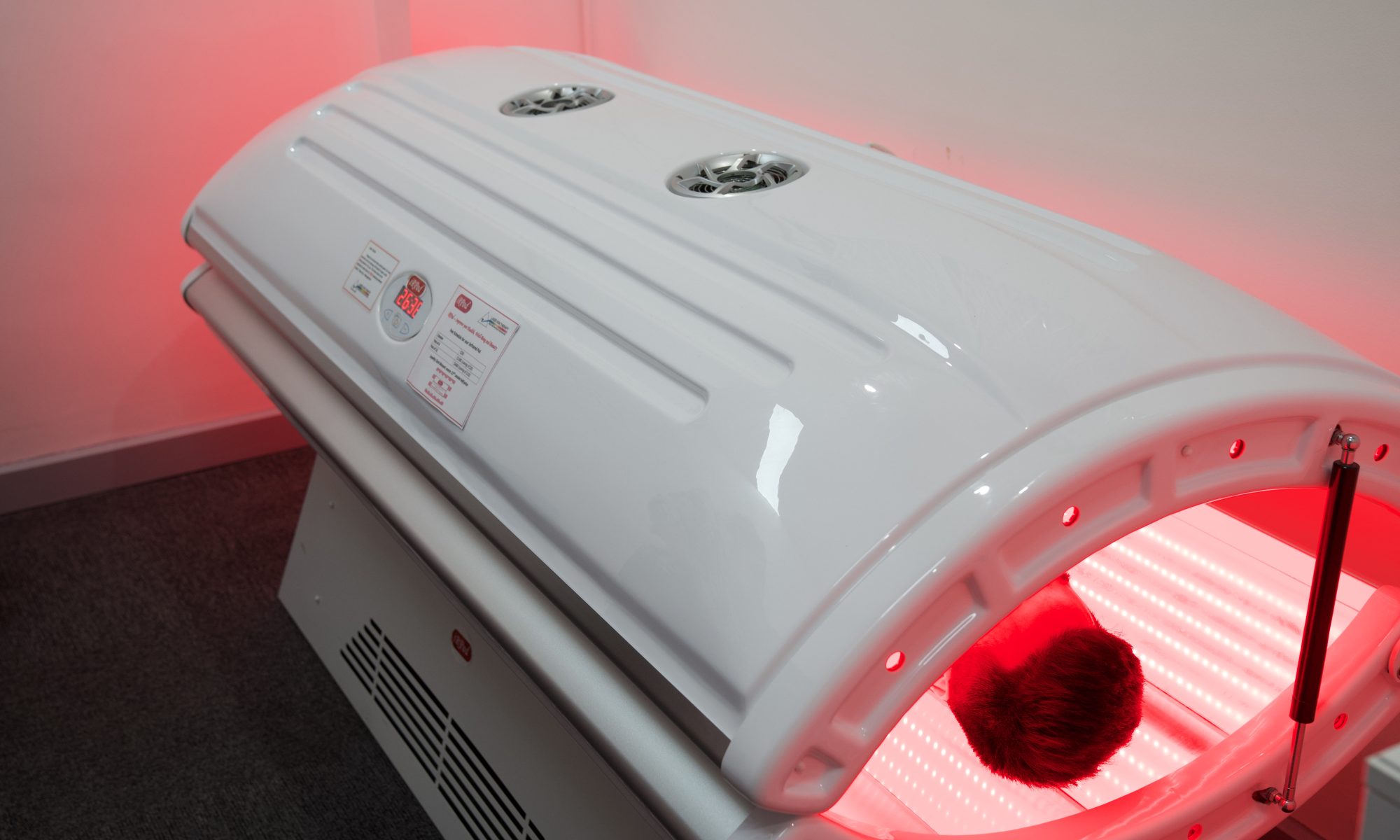
At an established clinic such as iRPod in South Yarra, whole-body photobiomodulation is delivered through a full-body pod using temperature-controlled LED technology. For clients looking for an evidence-based recovery therapy that supports energy, sleep, mood and pain management at the same time, that model is easy to understand – and easy to fit into a busy week.
What to expect from a sensible support plan
The strongest fatigue plans are usually multimodal. They combine good sleep foundations, pacing, nutrition, stress regulation and a therapy approach that supports recovery instead of fighting the body.
That also means setting expectations properly. Some people notice early improvements in sleep quality, mood or muscle recovery before they notice a major shift in energy. Others improve gradually over a series of sessions or lifestyle changes. If chronic fatigue has been present for months or years, a measured approach is often more realistic than expecting one dramatic turnaround.
Consistency matters. So does choosing strategies that feel sustainable in ordinary life. If a plan is too complicated, too restrictive or too hard to maintain, it tends to fall apart right when support is needed most.
When to seek more guidance
Persistent fatigue should not be brushed off as normal stress or ageing. If symptoms are ongoing, worsening, or interfering with work, exercise, sleep or day-to-day function, proper assessment matters. Natural support works best when serious underlying issues have not been missed.
That is especially true if fatigue comes with dizziness, shortness of breath, unexplained pain, major sleep disruption or a clear decline in function. Safe, evidence-based support should sit alongside appropriate clinical care, not replace it.
The encouraging part is that more people are now looking for therapies that respect the complexity of fatigue. They want options that are safe, science-backed and capable of supporting the whole body. That is a smart shift.
If you have been feeling worn down for longer than you should, start with the supports that reduce strain and improve recovery, then build from there. Better energy rarely comes from forcing more out of an exhausted body. More often, it comes from finally giving it the right conditions to repair.