

A sore knee that stays cranky for weeks, post-gym muscle pain that lingers longer than it should, skin that looks inflamed and reactive, or a body that feels stuck in a cycle of stress and slow recovery – these are exactly the moments people start asking, does light therapy reduce inflammation? It is a fair question, and the short answer is yes, it may help. But the real value is in understanding how, where it works best, and what kind of results are realistic.
Does light therapy reduce inflammation in a meaningful way?
Photobiomodulation, often called red light therapy or infrared light therapy, uses specific wavelengths of light to interact with cells. This is not about heat lamps or tanning. It is a non-invasive therapy designed to support cellular function, especially in tissues under stress.
When inflammation is present, the body is dealing with a complex mix of chemical signals, oxidative stress, reduced circulation, tissue irritation and, in many cases, pain. Light therapy is thought to influence several of these pathways at once. Research suggests that targeted red and near-infrared light may help modulate inflammatory markers, improve blood flow, support mitochondrial activity and encourage tissue repair. That matters because inflammation is not always the enemy. Acute inflammation is part of healing. The problem is when it becomes excessive, prolonged or poorly regulated.
So, does light therapy reduce inflammation? In many cases, yes – not by shutting the body down, but by helping it regulate and recover more effectively.
How photobiomodulation works at the cellular level
The clinical appeal of photobiomodulation is that it works upstream. Instead of simply masking discomfort, it aims to support the environment in which healing happens.
Inside your cells are mitochondria, often described as the cell’s energy producers. Certain wavelengths of red and near-infrared light are absorbed by components within the mitochondria, which can help improve ATP production. ATP is the energy currency cells use to carry out repair, regeneration and normal function.
This matters in inflamed tissue because stressed or damaged cells often struggle to produce energy efficiently. By supporting mitochondrial function, light therapy may help cells do their job better. There is also evidence that photobiomodulation can help reduce oxidative stress and influence signalling molecules linked to inflammation. In practical terms, that can translate into less swelling, less tenderness, improved movement and faster recovery.
The important nuance is that outcomes depend on dose, wavelength, treatment depth and consistency. More light is not always better. The right treatment parameters matter.
Where light therapy may help with inflammation
Inflammation shows up differently depending on the tissue involved, so results vary by condition.
For joints and musculoskeletal pain, light therapy is often used to support people with arthritis, tendon irritation, soft tissue injuries and general aches related to training or overuse. When inflammation contributes to stiffness and pain, reducing that inflammatory load may help movement feel easier.
For exercise recovery, red and infrared light are commonly used to support muscle recovery after hard sessions. Athletes and active adults often report less delayed onset muscle soreness and a quicker return to training when therapy is used regularly.
For post-procedure or post-surgical healing, inflammation is expected – but excess inflammation can slow recovery. In these settings, light therapy may support tissue repair, calm irritation and encourage circulation without adding mechanical stress to the area.
For skin, low-grade inflammation sits behind many common concerns, from redness and sensitivity to breakouts and accelerated ageing. Red light therapy may help support collagen, calm visible irritation and improve overall skin tone and resilience.
For chronic, whole-body complaints such as fibromyalgia or chronic fatigue syndrome, the picture is more complex. These conditions are not simply inflammation problems, but inflammation and oxidative stress may be part of the broader story. In those cases, whole-body photobiomodulation may offer benefits that feel systemic rather than localised, especially when fatigue, pain and poor recovery overlap.
Does light therapy reduce inflammation for everyone?
No therapy works the same way for every person, and that includes light therapy.
If your inflammation is tied to a recent strain, overtraining, mild joint irritation or skin stress, you may notice changes relatively quickly. If you have a long-standing inflammatory condition, the response may be slower and more variable. Some people feel looser, less sore or less puffy after a few sessions. Others need a more consistent treatment block before they notice a shift.
There is also a difference between symptom relief and condition management. Light therapy may help reduce the inflammatory burden and support repair, but it is not a magic fix for every underlying cause. If inflammation is being driven by autoimmune disease, infection, significant biomechanical issues, poor sleep, unmanaged stress or diet-related factors, light therapy may be one useful part of the plan rather than the whole answer.
That is why evidence-based clinics usually recommend a series of sessions. Biological change often builds over time.
Why whole-body treatment can make a difference
A lot of people first encounter red light therapy through small handheld devices or face panels. These can be useful, but there is a practical limitation – they treat a small area at a time.
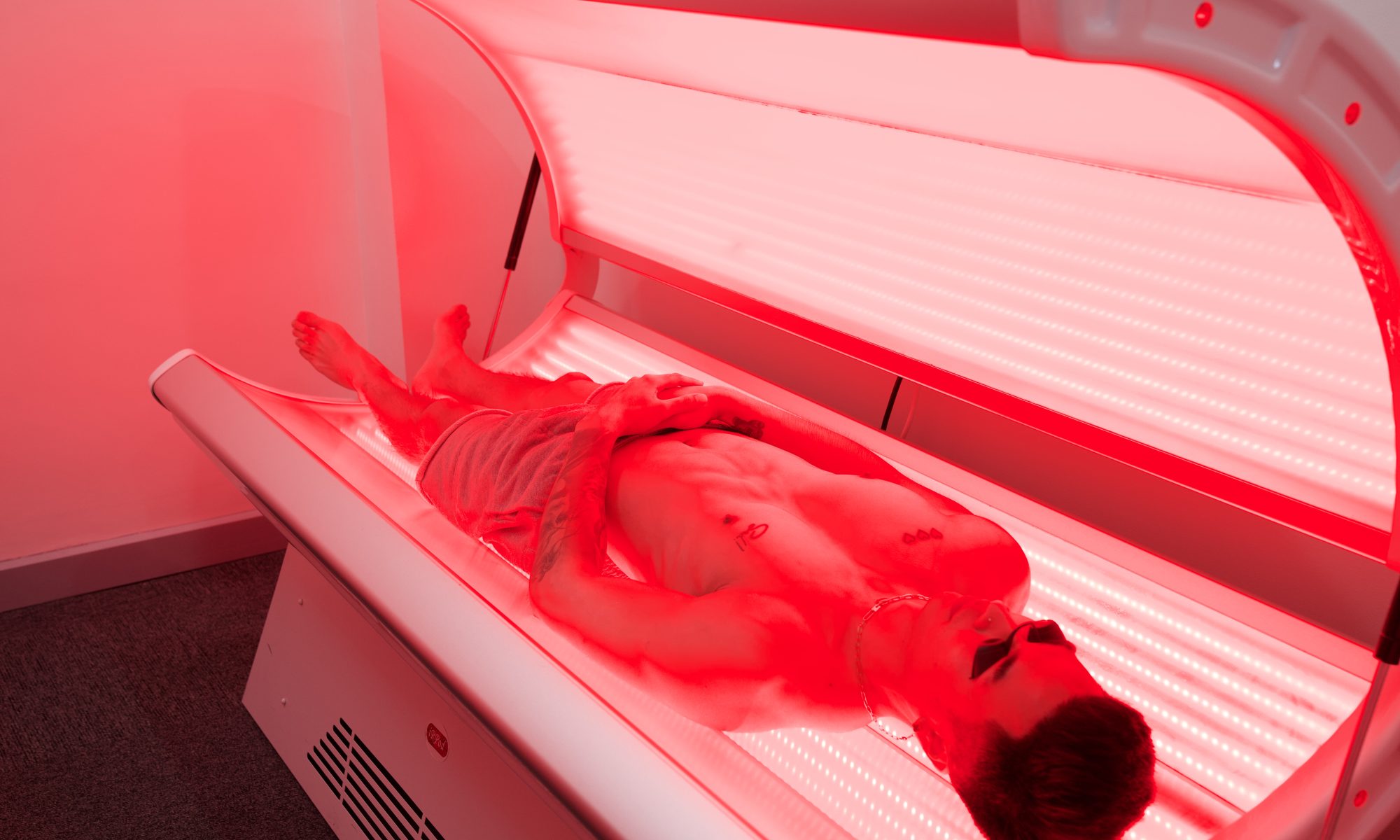
For local pain, that may be enough. For widespread soreness, persistent fatigue, multi-joint stiffness, systemic inflammation or people who simply want a more efficient session, whole-body delivery offers a different proposition. A full-body pod exposes a much larger treatment surface in one session, which can be particularly valuable when inflammation is not neatly confined to one spot.
This is where advanced photobiomodulation systems stand apart. A clinically designed whole-body pod using thousands of temperature-controlled LEDs can deliver red and infrared light in a way that supports both targeted outcomes and broader wellbeing goals. For many clients, that means treatment that feels less like patchwork and more like a complete recovery session.
What results are realistic?
The most useful expectation is progress, not perfection.
If light therapy is helping, people often notice one or more of the following: reduced soreness, less joint stiffness, easier movement in the morning, calmer skin, improved exercise recovery, better sleep, or a general sense that their body is not fighting so hard to bounce back. Those shifts matter because inflammation rarely exists in isolation. It affects comfort, performance, mood and day-to-day energy.
Results can be influenced by treatment frequency, the severity of the issue, how long it has been going on and what else is happening in your health picture. Someone with a fresh training load issue may respond faster than someone with years of chronic pain and disrupted sleep.
A quality clinic should be upfront about that. Good therapy is not about overpromising. It is about applying the right technology consistently and tracking whether your body is actually responding.
Safety and when to be cautious
One reason red and infrared light therapy has gained so much traction is that it is drug-free, non-invasive and generally well tolerated. For people looking to avoid medication-heavy pathways or more aggressive interventions, that is a major advantage.
That said, safe treatment still matters. Eye protection protocols, appropriate session timing, correct wavelengths and proper clinical screening all play a role. Some people may need extra caution depending on medications, light sensitivity or specific medical conditions.
This is another reason professionally delivered treatment matters. The technology is only part of the equation. Knowing how to use it properly is what turns a wellness trend into a credible therapeutic service.
So, does light therapy reduce inflammation enough to be worth trying?
If you are looking for a safe, evidence-informed way to support pain reduction, recovery, healing and skin health, the answer is often yes. Light therapy may reduce inflammation by helping the body regulate the processes behind it – cellular energy, oxidative stress, circulation and tissue repair. That does not mean instant results or one-size-fits-all outcomes. It means there is a genuine therapeutic rationale behind why people use photobiomodulation for everything from arthritis flare-ups to sports recovery and post-surgical healing.
For adults balancing work, training, chronic pain, fatigue or the simple wear and tear of modern life, that is a compelling option. And if your symptoms are broad rather than isolated, whole-body photobiomodulation can offer a more advanced and practical approach than spot treatment alone. At a clinic such as iRPod in South Yarra, that whole-body model is built around making clinically backed light therapy more efficient, more comfortable and more aligned with real-world recovery goals.
The better question may not be whether inflammation can be reduced at all, but whether your body is getting the kind of support that helps it recover properly. When it is, you usually feel the difference well before you can explain it.