

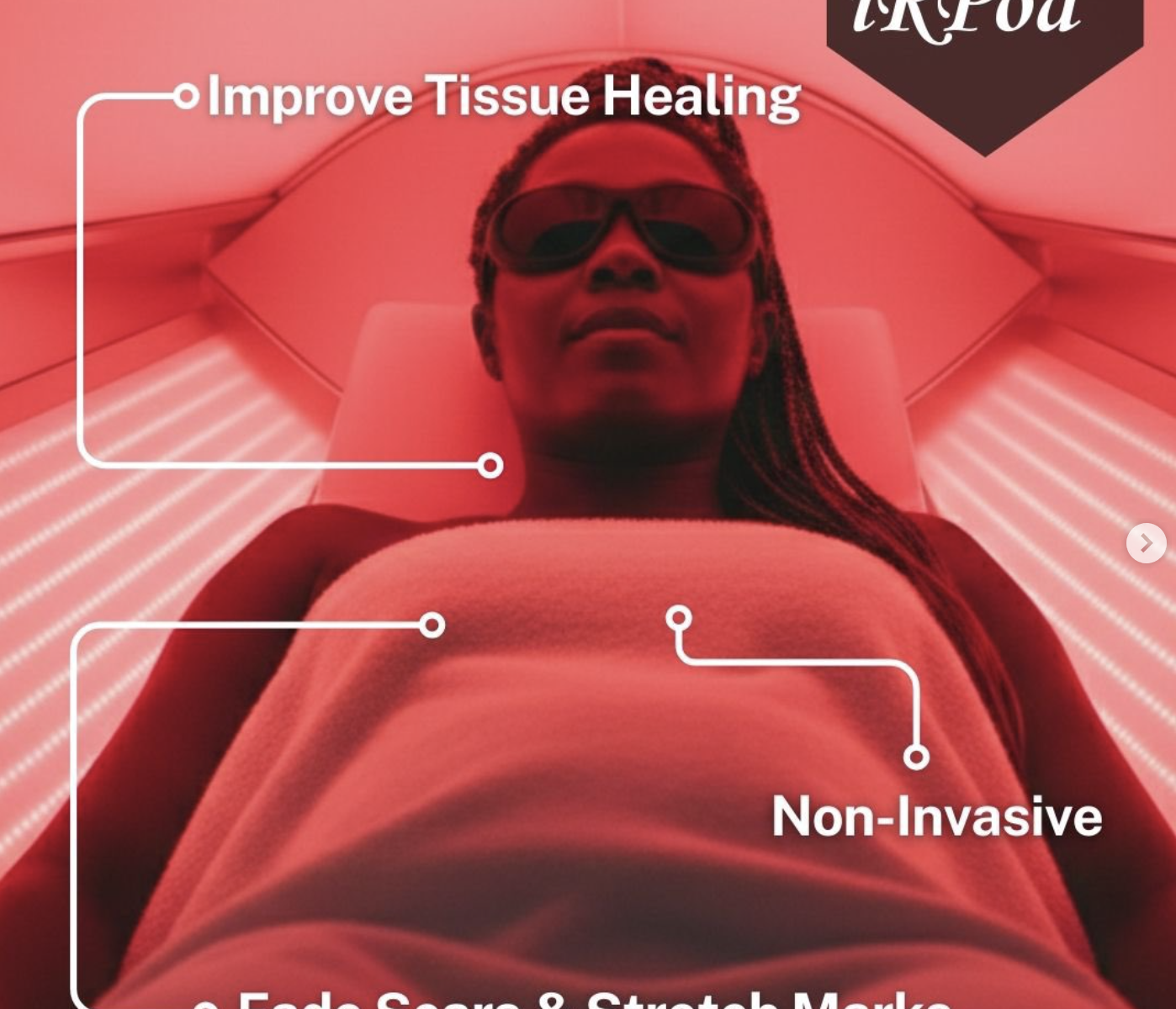
The first week after surgery rarely feels like “recovery”. It usually feels like swelling, stiffness, patchy sleep and the slow frustration of waiting for your body to catch up. That is exactly why interest in infrared therapy post surgery has grown. People want a non-invasive option that may support healing, reduce discomfort and help them feel more like themselves again without adding more medication to the mix.
How infrared therapy post surgery may help
Infrared and red light therapy are often discussed under the broader term photobiomodulation, or PBM. The principle is straightforward – specific wavelengths of light are delivered to tissue to support cellular function. In practical terms, that means encouraging better energy production in the cells, helping to regulate inflammation and supporting the tissue repair process.
After surgery, those mechanisms matter. Surgical procedures create controlled trauma. Even when everything goes exactly to plan, the body still has to manage inflammation, repair tissue, restore circulation and deal with pain signals. PBM is used because it may help support that recovery environment rather than forcing the body in one direction.
The strongest appeal for many patients is that it is drug-free and non-invasive. There is no injection, no incision and no downtime from the treatment itself. For people already juggling follow-up appointments, medication schedules and restricted movement, that simplicity counts.
That said, the phrase “post surgery” covers a lot of ground. Recovery after orthopaedic surgery is not the same as recovery after cosmetic surgery, abdominal surgery or a dental procedure. The likely benefit, ideal timing and treatment area all depend on what was done, how healing is progressing and whether your treating team is happy for adjunctive therapies to begin.
What the science is actually pointing to
PBM has been studied for wound healing, pain reduction, inflammation management and tissue repair. The clinical rationale centres on how light energy interacts with mitochondria, which play a key role in ATP production. ATP is the fuel your cells use to do the work of repair. When that process is supported, tissue may recover more efficiently.
There is also evidence suggesting PBM may help modulate oxidative stress and influence inflammatory pathways. That matters after surgery because too much inflammation can prolong swelling, pain and stiffness, while too little inflammatory signalling can interfere with normal healing. The goal is not to switch inflammation off completely. It is to help the body regulate it more effectively.
Patients often ask whether this means faster healing. Sometimes it may support a smoother recovery, but that does not mean every person heals dramatically faster or that light therapy replaces proper surgical aftercare. It works best as part of a broader recovery plan that still includes wound care, movement advice, nutrition, sleep and follow-up with your surgeon or allied health provider.
When to start and when to wait
Timing matters more than many people realise. In some cases, PBM can be introduced relatively early once the treating practitioner confirms it is appropriate. In others, especially where there are concerns about wound closure, infection, bleeding or surgical complications, waiting is the smarter call.
Fresh surgical wounds need careful assessment. If a dressing is still in place, if there is active bleeding, if the area is highly reactive or if your surgeon has given strict restrictions, you should follow that advice first. Infrared therapy should support recovery, not complicate it.
This is where clinical judgement matters. A quality provider will ask what surgery you had, when you had it, whether there were any complications and whether your surgeon has cleared additional therapies. If nobody asks those questions, that is a red flag.
What infrared therapy can and cannot do after surgery
The best results usually come from realistic expectations. Infrared therapy may help with post-operative swelling, local discomfort, bruising, stiffness and the general sense that the body is under stress. Some people also report better sleep and a calmer nervous system, which can be a real advantage when recovery is dragging.
It cannot repair a failed procedure, replace antibiotics, override infection, fix poor surgical technique or substitute for rehabilitation. If you have severe redness, heat, fever, unusual discharge, escalating pain or anything else that suggests a complication, you need medical review, not a wellness workaround.
This is one of the key trade-offs in post-surgical care. People often want a natural solution, and there is genuine value in that. But the smartest natural therapies are used in the right lane. PBM is supportive care. It is not emergency care.
Why whole-body treatment can make sense
A lot of post-surgical discomfort is localised, but recovery is not only local. Surgery can disrupt sleep, elevate stress, reduce movement and leave the whole body feeling flat. That is why whole-body red and infrared light therapy has a different appeal from small, targeted devices.
A full-body PBM pod delivers light across a much larger treatment area, which may be useful when recovery is affecting more than one region or when the aim is broader support for inflammation, circulation and general wellbeing. For patients feeling depleted after surgery, that wider treatment approach can be part of the draw.
At iRPod, whole-body sessions are designed to deliver clinically aligned photobiomodulation in a controlled, comfortable setting. For the right patient, that means post-surgical support that goes beyond one sore spot and addresses recovery more globally.
Who may benefit most from infrared therapy post surgery
People recovering from orthopaedic procedures often look for help with stiffness, swelling and mobility. Cosmetic surgery patients may be more focused on bruising, tissue repair and getting back to normal presentation sooner. Others are recovering from general surgery and simply want support for discomfort, fatigue and disrupted sleep.
The people most likely to value PBM are usually those who want a low-risk, non-invasive addition to their existing care plan. They are not looking for hype. They are looking for a therapy that is evidence-based, practical and easier on the system than adding another medication.
There is also a difference between an uncomplicated recovery and a complex one. If you have a history of poor wound healing, inflammatory conditions, persistent pain or fatigue, your recovery may need a more individual approach. PBM may still be appropriate, but treatment planning should be more careful, not less.
Questions worth asking before you book
Before starting, ask whether your surgeon or treating practitioner is comfortable with infrared therapy at your current stage of healing. Ask how the treatment will be adjusted for your procedure and whether the provider has experience with post-surgical clients.
You should also ask what outcomes are realistic. A trustworthy clinic will not promise miracle healing. They should explain that results vary, that multiple sessions are often recommended and that your response depends on the type of surgery, your baseline health and how consistently the rest of your recovery plan is managed.
Comfort matters too. If moving is difficult, getting onto and out of a treatment bed or pod should feel manageable. Post-surgical care should reduce stress, not add to it.
Safety comes first
Infrared and red light therapy are generally well tolerated when delivered appropriately, but “generally safe” is not the same as “always suitable”. Treatment settings, timing and individual medical factors all matter.
A proper screening process should cover your surgery date, current medications, wound status and any complications. This is especially important if you have implants, active infection, unexplained swelling or a surgeon who has told you to avoid adjunctive treatments for now.
If your provider talks only about benefits and not about suitability, that is marketing, not care. The better standard is simple – safety first, then strategy, then results.
The practical reality of recovery support
Most people do not need another overcomplicated protocol after surgery. They need sensible support that fits real life. That may include follow-up appointments, gentle rehab, better sleep habits, enough protein, hydration and carefully timed PBM sessions.
Infrared therapy post surgery tends to make the most sense when it is part of that bigger picture. Not as a magic fix. As a smart, modern tool that may help the body do what it is already trying to do – repair, regulate and recover.
If you are considering it, start with clearance, choose a provider that understands post-operative care and expect a tailored approach rather than a one-size-fits-all promise. Recovery is rarely linear, but the right support can make it feel more manageable, more comfortable and a lot less frustrating.
Your body has already done the hard part. Now it deserves recovery support that is safe, evidence-led and genuinely built around healing well.