

A strained shoulder that lingers for weeks, a post-gym niggle that keeps flaring, or slow recovery after surgery can be deeply frustrating. If you are looking at how to support tissue healing naturally, the goal is not to force the body to heal faster at any cost. It is to create the right conditions for repair so recovery is steady, efficient and less likely to stall.
Tissue healing is not one single event. It is a staged biological process that relies on circulation, energy production, inflammation control, nutrient availability, sleep quality and the right level of mechanical load. When one of those factors is off, healing can feel sluggish. When several are working well together, the body tends to respond far better.
What tissue healing actually needs
Whether you are recovering from an injury, a procedure, repetitive strain or hard training, the body moves through overlapping phases of inflammation, repair and remodelling. Early inflammation is not the enemy. It is part of the signal that kicks off healing. The problem is unresolved or excessive inflammation that drags on and interferes with tissue repair.
At a cellular level, healing is energy-intensive. Your body needs oxygen, protein, micronutrients and adequate blood flow to build new tissue, clear waste products and support collagen formation. This is one reason quick-fix thinking often falls short. You cannot out-supplement poor sleep, under-eating, constant stress and complete inactivity.
Natural support works best when it is layered. Think of it as building a recovery environment rather than chasing one miracle solution.
How to support tissue healing naturally day to day
The basics matter more than most people want to hear, but they are still the foundation. If your recovery has plateaued, these are usually the first places worth tightening up.
Prioritise sleep like it is part of treatment
Sleep is when much of the body’s repair work is coordinated. Hormonal signalling, immune function, muscle recovery and tissue remodelling all depend on decent sleep quantity and quality. If you are averaging broken sleep or pushing through on five or six hours, healing may be slower than it needs to be.
A simple target is consistency. Go to bed and wake up around the same time, keep the bedroom cool and dark, and reduce bright screens before bed. People often underestimate how much improved sleep can shift pain, recovery and energy within a couple of weeks.
Eat enough protein and whole-food nutrients
Healing tissue is built from raw materials. Protein is central because amino acids support repair and collagen production. If appetite is low after illness, surgery or stress, protein intake often drops just when it is needed most.
Most adults recovering from injury do better when each meal includes a solid serve of protein, along with colourful vegetables, fruit, healthy fats and enough total calories. Going too low-calorie during recovery can work against you, particularly if your body is trying to rebuild damaged tissue. Zinc, vitamin C, iron and omega-3 fats can also play supportive roles, but supplementation is not automatically better. It depends on your diet, health history and whether there is an actual deficiency.
Use movement, but dose it properly
Complete rest has its place in the very early stage of some injuries, but too much rest for too long can reduce circulation, stiffness tolerance and tissue resilience. In many cases, gentle and well-timed movement helps the body heal more effectively.
That does not mean pushing through sharp pain or returning to full training too soon. It means using appropriate load. For one person, that may be easy walking and mobility work. For another, it may be a graded rehab program. Tissue tends to respond well to the right amount of challenge, introduced at the right time.
Keep inflammation in balance
Inflammation is necessary, but chronic systemic inflammation is a different story. High stress, poor sleep, smoking, excess alcohol, ultra-processed diets and metabolic issues can all interfere with recovery.
This is where lifestyle choices make a real difference. Better stress regulation, regular light movement, whole-food nutrition and reduced inflammatory load can support a more efficient healing environment. It is rarely glamorous, but it is effective.
The role of circulation and cellular energy
One of the reasons tissue healing can stall is that local tissues are not getting optimal blood flow and cellular support. Poor circulation, persistent swelling, low activity, chronic pain patterns and nervous system stress can all contribute.
Healing cells require energy, particularly in the form of ATP, to carry out repair. This matters because recovery is not only structural. It is biochemical. If the body is short on energy or under excessive oxidative stress, progress can feel slower and more inconsistent.
That is why therapies that support circulation, mitochondrial function and inflammation regulation are getting more attention. They fit well within a natural, drug-free recovery plan, especially for people who want non-invasive options.
Where photobiomodulation fits in
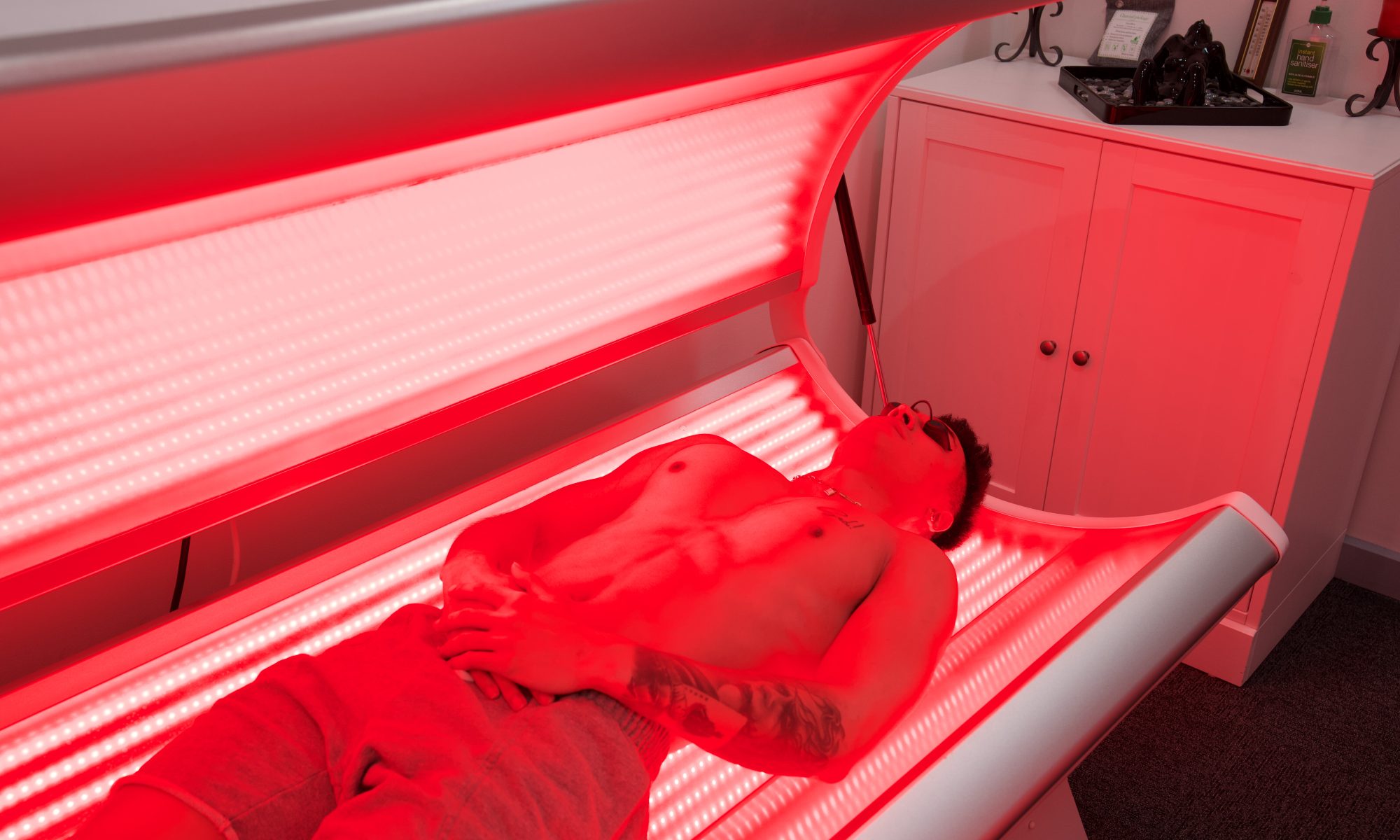
For people exploring how to support tissue healing naturally, photobiomodulation deserves serious consideration. Also known as red and infrared light therapy, PBM uses specific wavelengths of light to support cellular function. The aim is not to mask symptoms. It is to stimulate processes involved in repair, recovery and tissue health.
Photobiomodulation has been studied for its effects on ATP production, oxidative stress and inflammation modulation. In practical terms, that may translate to support for pain reduction, improved recovery, better circulation and more efficient tissue repair. That is why it is increasingly used in sports recovery, post-surgical support, soft tissue healing and chronic pain management.
The key is treatment quality. Not all light therapy is equal. Wavelength, power, treatment time and body coverage all matter. A whole-body approach can be especially valuable when recovery is not neatly limited to one tiny area, or when the nervous system, fatigue, sleep and inflammation are all part of the bigger picture.
At an established clinic such as iRPod in South Yarra, full-body photobiomodulation is delivered through a PBM pod with extensive LED coverage, allowing clients to access a broader treatment format than small localised devices can offer. For many people, that aligns well with a natural recovery strategy that is safe, non-invasive and easy to fit into real life.
Natural healing is not always linear
One of the most useful things to understand is that healing does not happen in a straight line. A good week can be followed by a flat one. Pain can settle before strength returns. Skin may repair on a different timeline to deeper tissue. This is normal.
It also means you need to judge progress over time, not day by day. If you are doing the right things but overloading too early, progress may stall. If you are being too cautious for too long, tissues may not get the stimulus they need to remodel. That middle ground is where good recovery plans live.
This is particularly relevant for people dealing with chronic fatigue, fibromyalgia, arthritis or long-standing pain. In these cases, healing support often has to be gentler, more consistent and better paced. More intensity is not always better. Better dosing is better.
When natural support needs professional guidance
Natural strategies can be powerful, but they are not a substitute for proper assessment when something is not improving. If swelling is worsening, pain is severe, function is dropping, or symptoms are lasting longer than expected, it is worth getting expert input.
The same applies after surgery or significant injury. Natural support should work alongside medical advice, not compete with it. In many cases, the best outcomes come from combining sound clinical guidance with evidence-based, non-invasive therapies and strong recovery habits.
A smarter way to think about healing
If you want to know how to support tissue healing naturally, start by thinking less about hacks and more about conditions. Better sleep, enough protein, controlled inflammation, smart movement, good circulation and therapies that support cellular repair all help create those conditions.
That approach is practical, evidence-informed and realistic. It respects the biology of healing rather than trying to bully the body into recovery. And when you give your system the support it actually needs, the body is often capable of more repair than people expect.
Healing responds well to consistency. A few smart decisions repeated daily will usually do more than any trendy quick fix ever could.