

If you’ve been dealing with stubborn pain, low energy, poor recovery or skin that no longer looks as fresh as it once did, you’ve probably seen the phrase what is photobiomodulation PBM therapy and wondered whether it is genuine science or just another wellness trend. The short answer is that PBM is a non-invasive treatment that uses specific wavelengths of red and near infrared light to support how your cells produce energy, manage inflammation and repair tissue.
That matters because when cells are stressed, injured or simply not functioning at their best, the body can struggle to recover efficiently. PBM is designed to support those cellular processes without drugs, needles or downtime. For many people, that combination is exactly the appeal.
What is photobiomodulation PBM therapy doing in the body?
Photobiomodulation is the clinical term for using low-level red and near infrared light to stimulate biological activity in cells. You may also hear it called low level laser therapy or red light therapy, although PBM is the broader and more precise term.
The basic mechanism is well established. Light at specific therapeutic wavelengths is absorbed by structures inside the cell, particularly within the mitochondria. Mitochondria are often described as the cell’s power plants because they help generate adenosine triphosphate, or ATP, which is the energy currency the body uses for repair, recovery and normal function.
When those cells absorb the right light, ATP production may improve, oxidative stress may reduce, and signalling pathways linked to inflammation and healing may shift in a favourable direction. In practical terms, that can mean less pain, better recovery, improved tissue repair, healthier skin, and for some people, better sleep and mood as well.
PBM is not heat therapy in the usual sense. While some systems may feel gently warm, the therapeutic effect is driven by light energy rather than high temperatures. That distinction matters because people often assume anything involving infrared must work like a sauna. It does not. PBM targets cellular function, not just sweating or passive relaxation.
Why people seek PBM treatment
Most people are not looking for photobiomodulation because they are fascinated by mitochondria. They are looking for it because something is not working as well as it should.
For one person, that may be persistent joint pain or arthritis. For another, it might be fibromyalgia, chronic fatigue syndrome, post-surgical healing or sports recovery. Others are interested in skin rejuvenation, muscle soreness, sleep quality or general wellbeing. PBM sits in a rare category because it can support both therapeutic and aesthetic goals at the same time.
That said, results are not identical for everyone. A recent soft tissue injury may respond differently from a chronic inflammatory condition that has been present for years. A fit person using PBM for performance recovery may notice changes on a different timeline to someone seeking support for fatigue and widespread pain. Good clinics are upfront about that. PBM is promising, but it is still a treatment that works best when matched to the person, the condition and the right treatment plan.
How a PBM session usually feels
For a first-time client, one of the biggest surprises is how easy the experience is. PBM is generally painless, non-invasive and requires no recovery period afterwards. Depending on the system used, you may sit, stand or lie down while the body is exposed to therapeutic red and near infrared light.
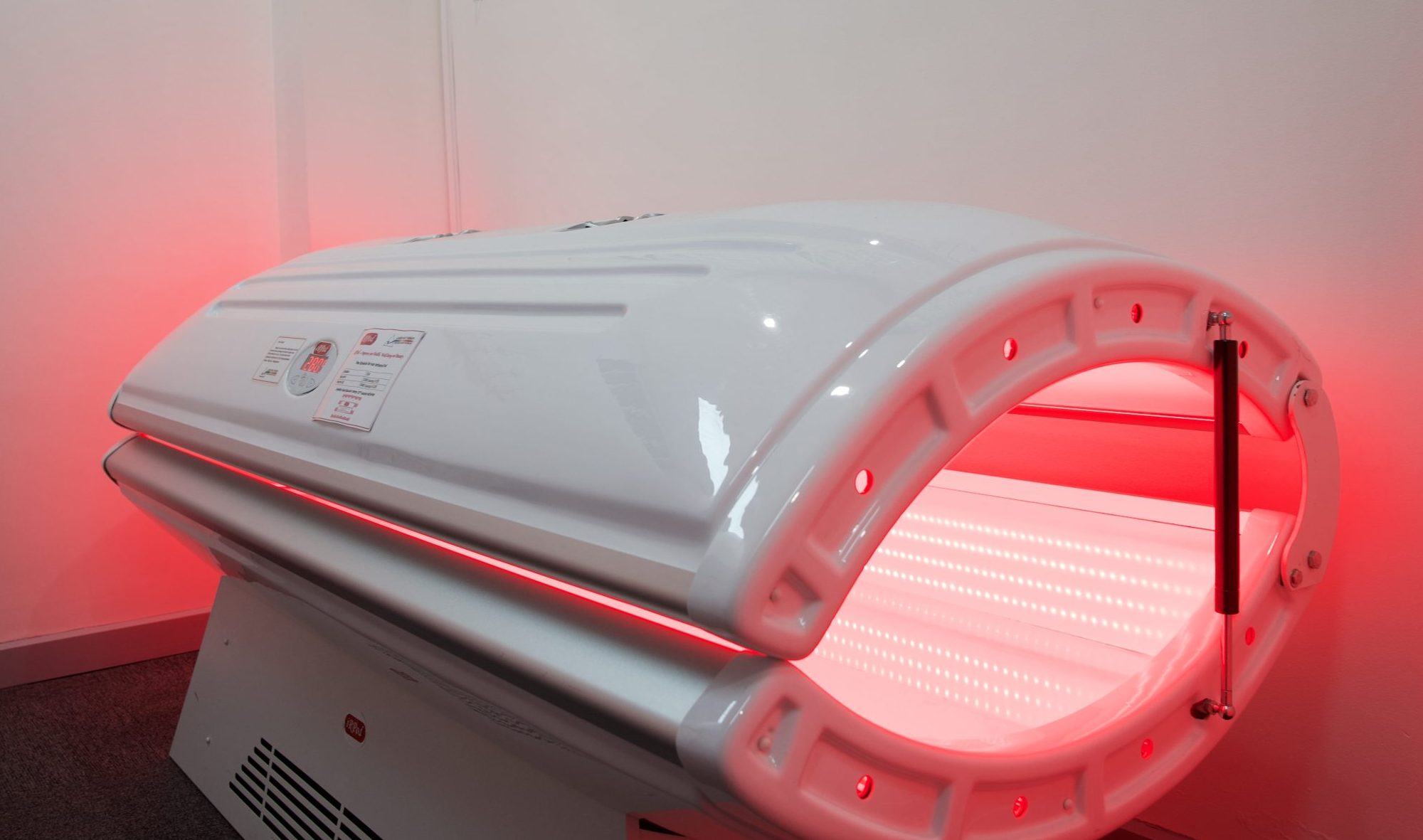
A quality whole-body setup delivers light broadly and evenly, which is a very different proposition from a small handheld device aimed at one sore spot. Whole-body delivery can be especially appealing for people with widespread symptoms such as fibromyalgia, systemic fatigue, general inflammation, or those who want broader wellness and skin benefits in a single session.
Most people describe the experience as relaxing. There is no cutting, no injections and no need to take time out afterwards. You can generally return to work, training or daily life straight away.
What is photobiomodulation PBM therapy used for?
PBM has attracted attention because it is versatile. Clinically, it is often used to support pain reduction, tissue healing and inflammation management. In a wellness setting, it is also used to support recovery, sleep, skin health and overall vitality.
Pain and injury recovery are among the most common reasons people try PBM. Muscle strains, tendon issues, joint irritation and post-exercise soreness may all benefit from improved cellular repair and reduced inflammatory stress. People recovering after surgery or injury may also explore PBM as part of a broader recovery strategy.
Then there is fatigue. For clients living with low energy, burnout-like symptoms, chronic fatigue syndrome or general depletion, the cellular energy angle is particularly compelling. PBM is not a magic fix for complex fatigue conditions, but supporting mitochondrial function is one reason it has become part of the conversation.
Skin is another major area of interest. Red light has been studied for its role in supporting collagen production, circulation and skin renewal. That can translate into a healthier-looking complexion, improved skin tone and a fresher appearance over time. It appeals to people who want visible results without aggressive procedures.
Sleep and mood are often mentioned too. This can be harder to predict because those outcomes are influenced by many factors, but some clients report feeling calmer, more balanced and better rested across a course of sessions.
Why full-body PBM stands out
Not all PBM delivery is equal. This is where the technology matters.
A localised device can be useful if you only want to target a small area, such as an elbow or knee. But if your symptoms are more widespread, or if you are looking for cumulative wellbeing benefits across pain, recovery, skin and energy, whole-body exposure can offer a more comprehensive treatment experience.
A full-body PBM pod uses extensive LED coverage to deliver therapeutic light across a much larger surface area. That can improve treatment efficiency and create a more immersive session. For busy professionals, active people and anyone managing multiple concerns at once, that broader delivery model makes practical sense.
This is one reason clinics such as iRPod have built their service around whole-body systems rather than narrow, spot-based treatment alone. For the right client, it is a more advanced and more efficient way to access PBM at scale.
Is PBM safe?
For most people, PBM is considered very safe when delivered correctly. It is drug-free, non-invasive and does not rely on tissue damage to create an effect. That makes it attractive to people who want a gentler option or who are trying to reduce reliance on medication-heavy approaches.
Even so, safe does not mean casual. Proper screening still matters. A reputable clinic should ask about your health history, current medications and treatment goals before recommending a plan. There can be situations where modified treatment, medical clearance or avoiding treatment is appropriate. That is part of responsible care.
It is also worth separating PBM from exaggerated claims. No credible clinic should suggest that one session cures every condition. The stronger position is the honest one – PBM may support the body’s natural recovery and regulatory processes, and many people feel meaningful benefits, but treatment response depends on the issue being addressed and the consistency of sessions.
How many sessions do people usually need?
This is where expectations matter. Some clients feel a shift quickly, especially with muscle soreness, temporary stiffness or general relaxation. Others need a course of treatments before changes become obvious.
PBM is often cumulative. That means repeated sessions can build on each other over time. For chronic pain, fatigue-related conditions or longer-standing inflammatory issues, a treatment plan of several sessions is usually more realistic than expecting a one-off fix.
Think of it as supporting a process rather than forcing a result. Cells and tissues need time and repeated stimulation to adapt. The right question is not just whether PBM works, but whether the dose, frequency and treatment approach match your goals.
Who is a good fit for photobiomodulation?
PBM tends to appeal to adults who want something evidence-based, low risk and practical. It can suit people managing chronic pain, those recovering from training or surgery, clients wanting skin rejuvenation, and people simply trying to feel more energetic and resilient.
It is especially attractive if you want a treatment that fits into real life. No downtime. No aggressive intervention. No pressure to choose between feeling better and looking better. For many people, that combination is exactly why PBM is gaining traction.
If you are considering it, look for a provider that understands both the science and the real-world application. The best experience is not just about having lights. It is about having the right wavelengths, enough coverage, a clinically sound protocol and a team that knows who is likely to benefit most.
PBM is not about hype. It is about giving the body the right kind of light, in the right dose, to support repair, recovery and performance from the cellular level up. If that sounds like a smarter path forward, it may be worth seeing what a properly delivered session feels like for you.