

When your body feels like it is constantly chasing recovery – from pain, fatigue, poor sleep, inflammation or stressed skin – the usual fixes can start to feel small. That is why more people searching for a photobiomodulation Melbourne clinic are looking beyond short-term relief and towards a treatment that works at a cellular level. Photobiomodulation, or PBM, is not about masking symptoms. It is about giving the body the right light energy to support repair, recovery and better function.
For many adults in Melbourne, that matters. You might be managing arthritis, fibromyalgia, chronic fatigue syndrome, post-surgical healing, sports soreness or skin ageing. You might simply want to feel sharper, sleep better and recover faster without adding more medication to the mix. The appeal of PBM is clear – it is non-invasive, drug-free and backed by a growing body of clinical interest.
What sets a photobiomodulation Melbourne clinic apart
Not every PBM treatment experience is the same. This is where people often get caught out. Some services use small handheld devices or treat one localised area at a time. That can be useful for certain concerns, but it is very different from a whole-body treatment delivered through a dedicated PBM pod.
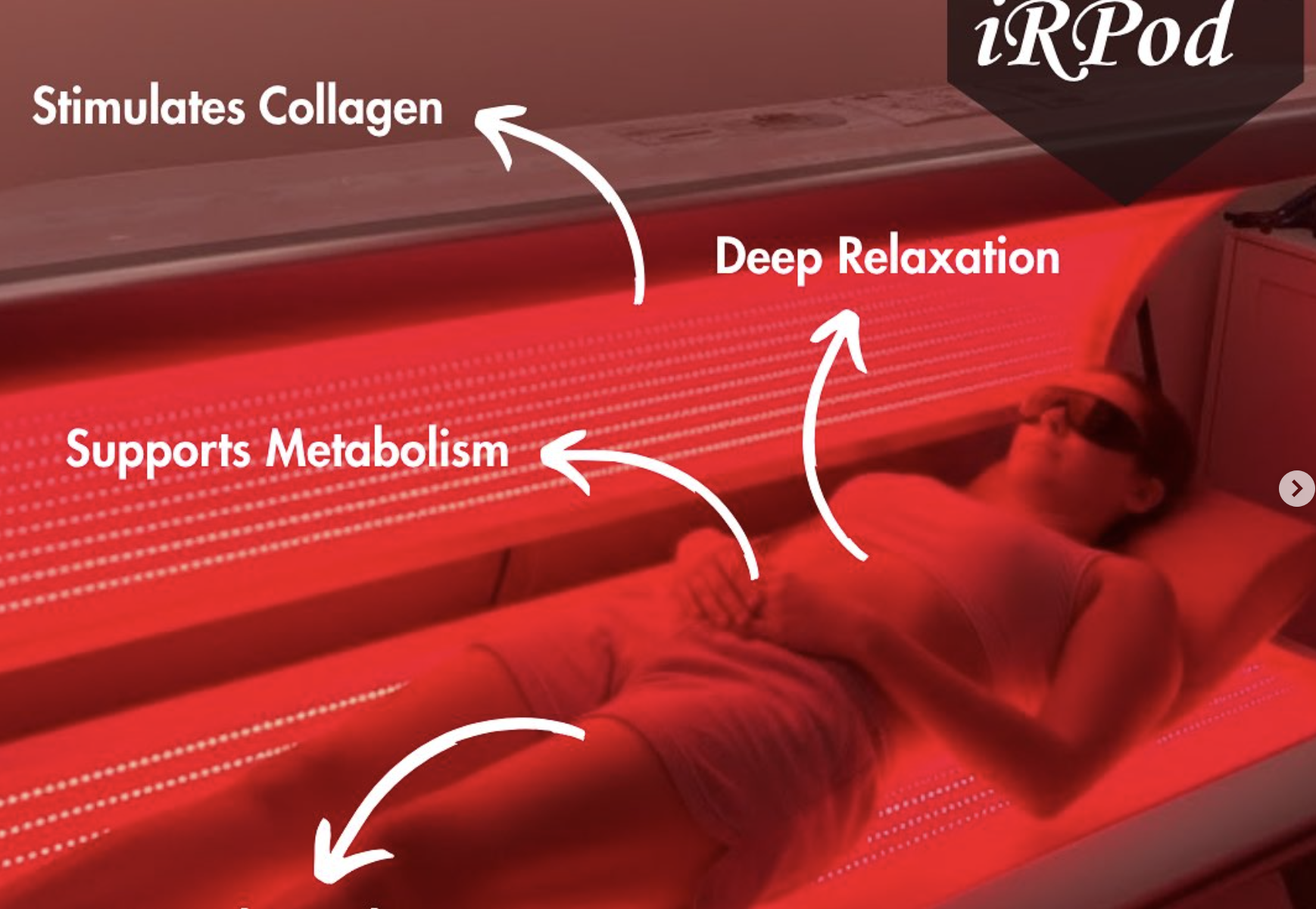
A specialised clinic offers something broader and more efficient. Instead of treating a single sore joint or one patch of skin, full-body light therapy exposes much more of the body to carefully selected red and infrared wavelengths in one session. That wider delivery matters when your symptoms are systemic, your recovery is lagging, or your goals include both therapeutic and wellness outcomes.
At an established clinic, the treatment is also delivered in a more controlled setting. That means professional guidance, consistent session timing, and equipment designed for therapeutic output rather than novelty. If you are comparing options, this is one of the biggest differences to pay attention to.
How photobiomodulation works in the body
Photobiomodulation sounds technical, but the principle is straightforward. Specific wavelengths of red and near infrared light are delivered to the body, where they are absorbed by the mitochondria inside your cells. Mitochondria are often called the cell’s energy producers because they help create ATP, the energy currency used for normal cellular activity.
When cells have better access to usable energy, they may perform their repair and recovery functions more effectively. PBM is also associated with support for circulation, tissue healing and modulation of inflammatory processes. This is why it attracts attention across several areas at once – pain management, injury recovery, skin health, exercise recovery and general wellbeing.
That does not mean every person responds in the same way or at the same speed. Some clients notice changes in sleep, muscle soreness or energy quite quickly. Others need a more consistent treatment plan, especially where symptoms have been present for a long time. A serious clinic should be honest about that.
Why full-body PBM is gaining attention
One of the strongest reasons people choose whole-body treatment is efficiency. If you are dealing with widespread pain, fatigue, systemic inflammation or multiple areas of concern, spot treatment can feel limited. A full-body pod approach makes more sense because it treats the body more comprehensively in a single 30-minute session.
There is also the comfort factor. You are not juggling different devices or sitting through repeated treatment of one small area after another. Instead, the therapy is delivered in a calm, temperature-controlled environment designed to make regular sessions easier to maintain.
This matters because consistency often shapes results. PBM is rarely a one-off miracle. Like exercise, remedial massage or physio, it tends to work best as a course of care. Many people begin with a series of sessions over several weeks, then adjust frequency based on how their body responds.
Who can benefit from a photobiomodulation Melbourne clinic
The strongest clinics do not position PBM as a cure-all. They position it as a versatile therapy with real potential across a range of concerns.
If you live with chronic pain conditions such as arthritis or fibromyalgia, PBM may appeal because it offers a non-invasive way to support comfort and function. If fatigue is part of the picture, including chronic fatigue syndrome or burnout-style depletion, the focus on cellular energy production is one reason many clients become interested.
Post-surgical and injury recovery is another common reason people seek treatment. Supporting tissue healing, circulation and recovery without placing further stress on the body can be valuable during rehabilitation. For active people, PBM is also increasingly used around training loads, muscle recovery and performance support.
Then there is the skin and wellness side. Red and infrared light therapy is popular with clients who want support for skin rejuvenation, a brighter complexion and a more rested appearance. In practice, many people are not choosing between performance, pain relief and aesthetics. They want all of it – to look better, feel better and perform better.
What to expect in a clinic session
A quality PBM session should feel simple, comfortable and structured. In most cases, you will have a brief discussion about your goals, symptoms and any relevant health history before treatment begins. From there, you lie back in the pod while the red and infrared light is delivered across the body.
The experience is painless. There are no needles, no harsh heat and no recovery downtime. That is part of the appeal for busy professionals and anyone who wants treatment that fits into a normal week without turning into another burden on the calendar.
Session frequency depends on the issue being addressed. Acute concerns may respond differently from long-standing chronic issues, and wellness-focused clients may use PBM in a more maintenance-based way. This is where a personalised recommendation matters more than a generic promise.
The trade-offs to understand before booking
PBM is compelling, but good decision-making starts with realism. If a clinic makes it sound instant or universal, be cautious.
First, results vary. Your age, health status, consistency of treatment and the nature of your condition all influence what you notice and when. Second, PBM should not be framed as a replacement for every other part of your care. For some people, it works best alongside medical oversight, allied health treatment, exercise or recovery planning.
It is also worth understanding that device quality matters. Light therapy is now marketed widely, but therapeutic PBM depends on more than coloured lights and good branding. Output, wavelength, coverage, treatment design and clinical experience all shape the value of a session.
How to choose the right clinic
If you are comparing providers, look beyond the headline. Ask whether the treatment is localised or whole-body. Ask how long sessions run, how treatment plans are structured, and whether the clinic can clearly explain why PBM may suit your goals.
Experience counts too. A clinic with an established position in low level laser therapy and photobiomodulation is not just selling a trend. It is more likely to understand treatment consistency, client selection and realistic outcomes. That clinical grounding matters when you are investing in a course of sessions rather than a casual trial.
For Melbourne clients, convenience also plays a practical role. If the clinic is easy to access and appointments fit into your routine, you are far more likely to stick with the recommended treatment plan. And with PBM, adherence often makes the difference between mild curiosity and meaningful results.
Why demand is rising in South Yarra and beyond
Melbourne clients are increasingly well informed. They are asking better questions about inflammation, recovery, mitochondrial function and non-drug therapies. They also want treatments that fit modern life – effective, time-efficient and evidence-aware.
That is exactly why whole-body PBM is finding traction. It speaks to people who are tired of fragmenting their health into separate appointments for pain, sleep, skin, recovery and stress. A treatment that can support multiple goals in one format has obvious appeal.
At iRPod, that appeal is matched with a stronger delivery model – a full-body pod using 12,000 temperature-controlled lights in a 30-minute in-clinic session. It is a more advanced option for clients who want more than a small, localised treatment experience.
If you are considering a photobiomodulation Melbourne clinic, the right question is not whether light therapy sounds impressive. It is whether the clinic offers a serious, whole-body treatment experience built around safety, consistency and outcomes you can actually feel. The future is here today, but the best results still come from choosing well and giving your body the chance to respond.