

Back pain has a way of taking over the small parts of your day. Getting out of bed feels stiff, sitting at your desk too long starts to bite, and even a short walk can leave your lower back grumbling. That is why interest in red light therapy back pain treatment has grown so quickly among people who want a drug-free option that supports recovery without adding more stress to the body.
For many people, the appeal is simple. Red and infrared light therapy, also known as photobiomodulation or PBM, is non-invasive, comfortable, and backed by a growing body of research. The idea is not to mask symptoms for a few hours. The goal is to support the body at a cellular level, helping reduce inflammation, improve circulation, and assist tissue repair so pain can settle over time.
How red light therapy for back pain works
Red light therapy uses specific wavelengths of red and near-infrared light delivered to the body. These wavelengths are absorbed by the cells, where they influence mitochondrial function and help increase ATP production. ATP is the energy currency your cells use to repair, recover, and perform properly.
When the back is irritated, inflamed, or slow to heal, that cellular boost matters. PBM may help calm oxidative stress, improve local blood flow, and support a healthier inflammatory response. In practical terms, that can mean less stiffness, reduced tenderness, easier movement, and better day-to-day comfort.
Near-infrared light is especially relevant for back pain because it penetrates more deeply than visible red light. That deeper reach makes it useful for muscles, connective tissue, and joints beneath the skin surface. This is one reason many people seek clinically delivered treatment rather than relying on weaker consumer devices with limited output.
What type of back pain may respond best?
Not all back pain is the same, and that matters. A sore lower back after overtraining is different from persistent pain linked to arthritis, disc irritation, postural strain, or recovery after surgery. Red light therapy is not a one-size-fits-all fix, but it may be a valuable support for several common presentations.
People with muscular tightness or overuse often respond well because the therapy may help reduce soreness and speed up recovery. Those dealing with chronic inflammation, joint stiffness, or ongoing tension may also notice improvement when sessions are delivered consistently over time. It can also be useful as part of a broader recovery strategy after injury, when the focus is on supporting tissue healing and getting movement back with less discomfort.
Where expectations need to stay realistic is with more complex or severe cases. If back pain involves nerve compression, significant structural damage, or symptoms such as numbness, weakness, or altered bladder or bowel control, you need proper medical assessment. Light therapy may still have a role in an overall plan, but it should not replace diagnosis when red flags are present.
Why whole-body treatment can make a difference
A lot of people think of back pain as one sore spot. In reality, the picture is often broader. Tight hips, glute weakness, poor sleep, systemic inflammation, stress, and slow recovery can all feed into how the back feels. That is where whole-body PBM has a real advantage.
Rather than treating only a small local area, full-body red and infrared light exposure can support broader recovery processes throughout the body. This matters for people with persistent pain conditions, widespread inflammation, post-exercise soreness, arthritis, fibromyalgia, or fatigue-driven tension patterns where the back is just one part of the problem.
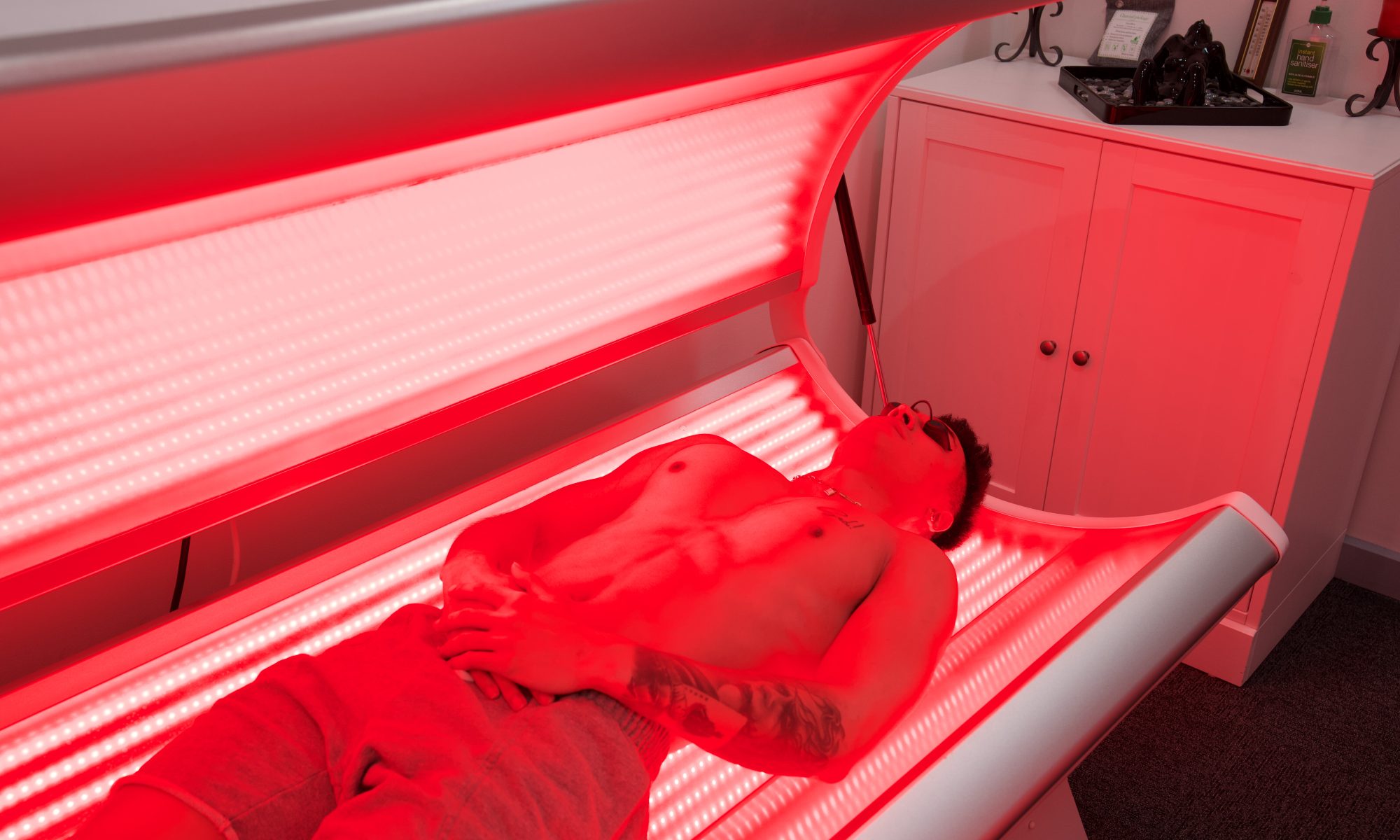
A whole-body pod also allows for consistent light delivery across a much larger surface area. That can be particularly appealing for clients who want a more comprehensive treatment experience instead of moving a small handheld device across different parts of the body and hoping for enough dose in the right areas.
Red light therapy back pain results – what to expect
The honest answer is that results vary. Some people feel looser and more comfortable after a session, especially if their pain is linked to muscular tension or recent overload. Others notice changes more gradually over several visits as inflammation settles and recovery builds.
This is not unusual. Back pain often develops over weeks, months, or years. It rarely disappears from a single intervention. The best outcomes usually come when PBM is used consistently and combined with sensible support such as movement, load management, posture awareness, and clinical guidance where needed.
A typical treatment plan may involve a short course of regular sessions before shifting to maintenance. That approach makes sense because photobiomodulation works by influencing biological processes that often need repeated stimulation, not by forcing a quick temporary effect. If you are looking for lasting change, consistency matters more than novelty.
Is red light therapy safe for back pain?
For most people, red and infrared light therapy is considered very safe when delivered correctly. It is non-invasive, drug-free, and does not involve the tissue damage associated with surgical or ablative procedures. Sessions are generally relaxing, with many clients reporting that they simply feel warm, calm, and rested afterwards.
That said, safe treatment still depends on the right device, the right dose, and the right screening. More is not always better in photobiomodulation. Too little energy may not do much, while poorly designed protocols can be less effective than expected. This is why clinically guided treatment has an edge over guessing your way through settings on a home unit.
Certain people should also seek individual advice first, especially if they are pregnant, have active cancer, are taking photosensitising medications, or have a condition that requires medical supervision. A reputable clinic will screen for suitability before treatment begins.
Clinic treatment versus home devices
Home devices have helped make red light therapy more familiar, but there is a difference between convenience and treatment power. Small consumer panels and handheld units can be useful, especially for maintenance, but they are often limited in coverage, output, and consistency.
For back pain, especially when the problem is broad, deep, or persistent, the treatment format matters. Larger clinical systems are designed to deliver therapeutic light across more of the body, with protocols based on dosing rather than guesswork. That can translate to a more efficient session and a better chance of reaching the tissues involved.
For people in Melbourne who want a more advanced option, a whole-body PBM pod offers a level of coverage that localised devices simply cannot match. That is particularly relevant when pain is tied to recovery, inflammation, poor sleep, or widespread tension rather than one tiny hotspot.
When red light therapy makes the most sense
Red light therapy tends to make the most sense for people who want a non-invasive addition to their recovery plan. If you are trying to manage persistent stiffness, reduce your reliance on medication, recover better from training, or support healing after strain or injury, it can be a smart option.
It also suits people who are tired of fragmented solutions. Back pain is often treated in pieces – a stretch here, a tablet there, a heat pack at night. PBM offers something different. It aims to support the biology behind healing and recovery, not just the feeling of pain in the moment.
That does not mean it replaces every other strategy. In some cases, the best approach is combined care. If your back pain is linked to deconditioning, poor movement patterns, or a specific diagnosis, exercise therapy, manual therapy, or medical assessment may still be part of the picture. The value of red light therapy is that it can sit alongside those approaches and support the body’s repair processes without adding downtime.
The bigger benefit most people do not expect
When people seek help for back pain, they usually want one thing – relief. But one of the more interesting effects of red and infrared light therapy is that the benefits often extend beyond the sore area itself. Better sleep, improved recovery, less general stiffness, and a lift in mood or energy can all change how pain is experienced.
That matters because pain is never just mechanical. It is influenced by stress, inflammation, poor sleep, fatigue, and overall physical resilience. Supporting those wider systems can make back pain feel more manageable, even before every symptom fully settles.
If your back has been slowing you down, red light therapy may be worth serious consideration – not as hype, but as a clinically grounded, comfortable, and forward-thinking option for recovery. The future is here today, and sometimes feeling better starts with giving your body the conditions it needs to heal.