

A sore knee after training and the all-over exhaustion of persistent fatigue are not the same problem. That is why the question of whole body versus targeted therapy deserves more than a one-size-fits-all answer. Both approaches can use red and infrared light through photobiomodulation (PBM), but the treatment area, purpose and potential experience are very different.
Targeted treatment puts light directly over a specific area of concern. Whole-body PBM delivers therapeutic light across much more of the body at once. Choosing well starts with understanding what you want from treatment: local support for a defined issue, broader support for recovery and wellbeing, or a plan that combines both.
Whole Body Versus Targeted Therapy: The Core Difference
Targeted red and infrared light therapy is designed for precision. A clinician may apply a laser or localised LED device to a painful joint, tendon, muscle, scar or other defined treatment area. The goal is to concentrate the available light dose where it is most needed. For a recent sporting niggle, post-surgical scar, arthritic hand or stubborn shoulder complaint, that focus can be highly valuable.
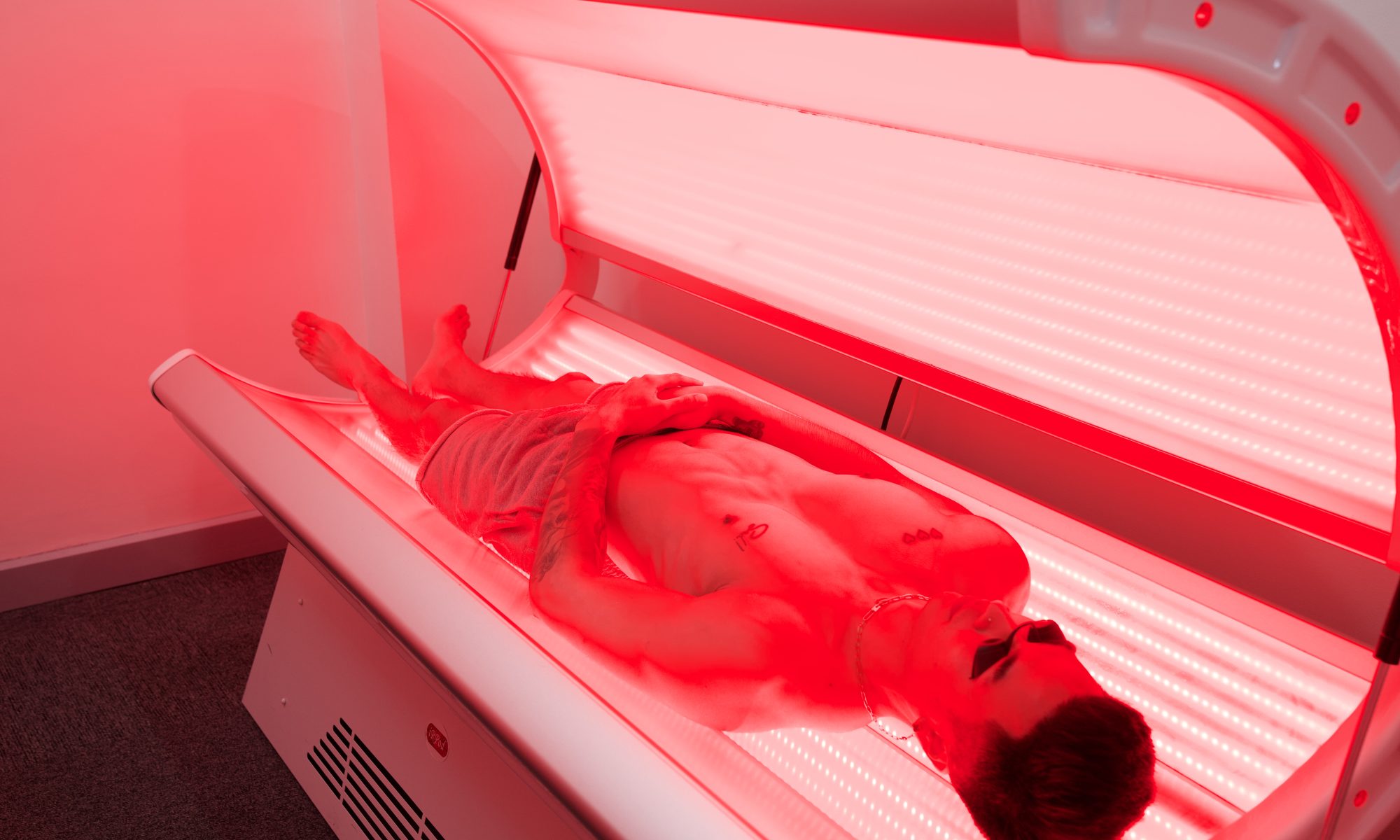
Whole-body therapy takes a different approach. Rather than treating one small area, a full-body PBM pod surrounds the body with red and near-infrared LED light. At iRPod, this means a 30-minute session beneath 12,000 temperature-controlled lights, designed to provide broad and comfortable exposure without invasive procedures, needles or medication.
The distinction matters because PBM works by delivering specific wavelengths of light to tissue. These wavelengths are understood to interact with cellular processes, including mitochondrial activity and ATP production. ATP is often described as the energy currency of cells. When the body is managing recovery, training demands, poor sleep, stress or ongoing discomfort, support at this cellular level may be relevant well beyond one local area.
When Targeted Therapy May Be the Better Choice
Localised therapy has a clear place in a quality treatment plan. If your primary concern is highly specific – for example, a painful elbow, a healing ankle injury or a small surgical site – a clinician can direct attention to that tissue. This makes targeted therapy particularly useful when a practitioner is monitoring a known injury or when a treatment area needs careful positioning.
Precision also allows a clinician to adapt treatment around your symptoms and progress. Someone receiving rehabilitation support after surgery, for instance, may benefit from a localised approach alongside advice from their treating doctor, physiotherapist or surgeon.
Targeted therapy does have practical limits. A device treating a small zone cannot realistically provide the same broad exposure as a full-body system in a single session. If pain, stiffness or fatigue affects several regions, moving a handheld or local device from one area to another can become time-consuming. It may also overlook the wider recovery picture: sleep quality, muscular load, mood, skin health and general vitality.
Why Whole-Body PBM Appeals to More Complex Goals
Whole-body light therapy is not simply targeted therapy on a larger scale. It is a different format for people whose goals are broader than one injury. Many clients seek PBM because they want to look better, feel better and perform better across daily life, not only during rehabilitation.
Full-body exposure may be a compelling option for people managing widespread muscle soreness after demanding exercise, persistent tiredness, general stiffness, skin concerns or the cumulative effects of busy professional and family schedules. It can also suit people with conditions that are experienced across the body, such as fibromyalgia or chronic fatigue syndrome, where a single local treatment point may not reflect the full burden of symptoms.
The practical advantage is straightforward: one session can expose multiple muscle groups and larger areas of skin without requiring repeated repositioning. For a Melbourne professional fitting wellness into a packed week, that efficiency matters. You can lie back, switch off for 30 minutes and give your body a dedicated recovery window.
Potential whole-body PBM goals commonly include support for:
- exercise recovery, muscle comfort and physical performance
- sleep quality, mood and general energy
- healthy-looking skin and skin rejuvenation
- pain management and mobility as part of a broader care plan
- recovery following injury, procedures or periods of physical stress
These outcomes vary from person to person. PBM is not a substitute for medical diagnosis, prescribed treatment or professional rehabilitation. It is, however, a non-invasive and drug-free modality that many people choose to complement an established health plan.
The Trade-Off: Broad Coverage Does Not Replace Clinical Precision
A whole-body pod provides exceptional coverage, but it does not remove the value of targeted care. If you have a new injury, severe pain, unexplained swelling, loss of function or symptoms that are worsening, seek appropriate medical assessment first. A defined injury may need diagnosis, hands-on treatment, imaging or a carefully directed rehabilitation plan.
Likewise, whole-body sessions should not be judged only by how intense they feel. PBM is not designed to be an aggressive treatment. Effective light therapy depends on appropriate wavelengths, dose, treatment frequency and a well-designed device, rather than heat or discomfort. More is not always better.
For some clients, the strongest approach is a combination. Targeted treatment may be used to support a specific problem area while full-body PBM supports broader recovery, relaxation and wellbeing. The right balance depends on your history, goals, lifestyle and response over time.
How to Decide Which Format Suits You
Start with the pattern of your concern. Is it confined to one identifiable area, or does it affect how you feel across the day? A marathon runner with one irritated Achilles tendon may initially need targeted attention. The same runner during a heavy training block may also value whole-body sessions for general recovery, sleep and muscular load.
Then consider the outcome you are actually chasing. If your priority is a specific joint or tissue, localised therapy may be the logical starting point. If you want support across pain, energy, skin, sleep and post-training recovery, a full-body format is often more aligned with that wider goal.
Consistency is another factor. PBM tends to be approached as a course of care rather than a single miracle session. Some people notice changes quickly, while others need regular appointments before they can judge whether it is helping. Recommended plans commonly range from four to 12 sessions, depending on the reason for treatment and individual response.
Finally, consider the quality of the setting. A credible provider should be transparent about the technology, explain what sessions involve and screen for relevant health considerations. Tell the clinic about pregnancy, active health conditions, light sensitivity, medications that may increase photosensitivity and any current medical treatment. This helps ensure therapy is appropriate for you.
What a Full-Body Session Feels Like
For people accustomed to hands-on therapy or a local laser appointment, the pod experience can feel surprisingly simple. You lie comfortably in the pod while red and infrared LEDs deliver light over a broad area. The lights are temperature-controlled, and the session is designed to be relaxing rather than painful.
There is no downtime, no recovery period and no need to rearrange the rest of your day. That makes whole-body PBM attractive for people who want an evidence-informed wellness option that can fit around work, training and family commitments.
Results should be assessed honestly. Keep track of the markers that matter to you: morning stiffness, sleep quality, how you recover after a gym session, pain levels, energy through the afternoon or the appearance and feel of your skin. Meaningful improvement is personal, and it is best measured against your own baseline rather than someone else’s result.
The most useful choice is not the format with the biggest claims. It is the one that matches your body, your goal and a treatment plan you can follow consistently. If your needs extend beyond one painful spot, a whole-body PBM session may give you a practical way to support recovery and wellbeing from head to toe.