

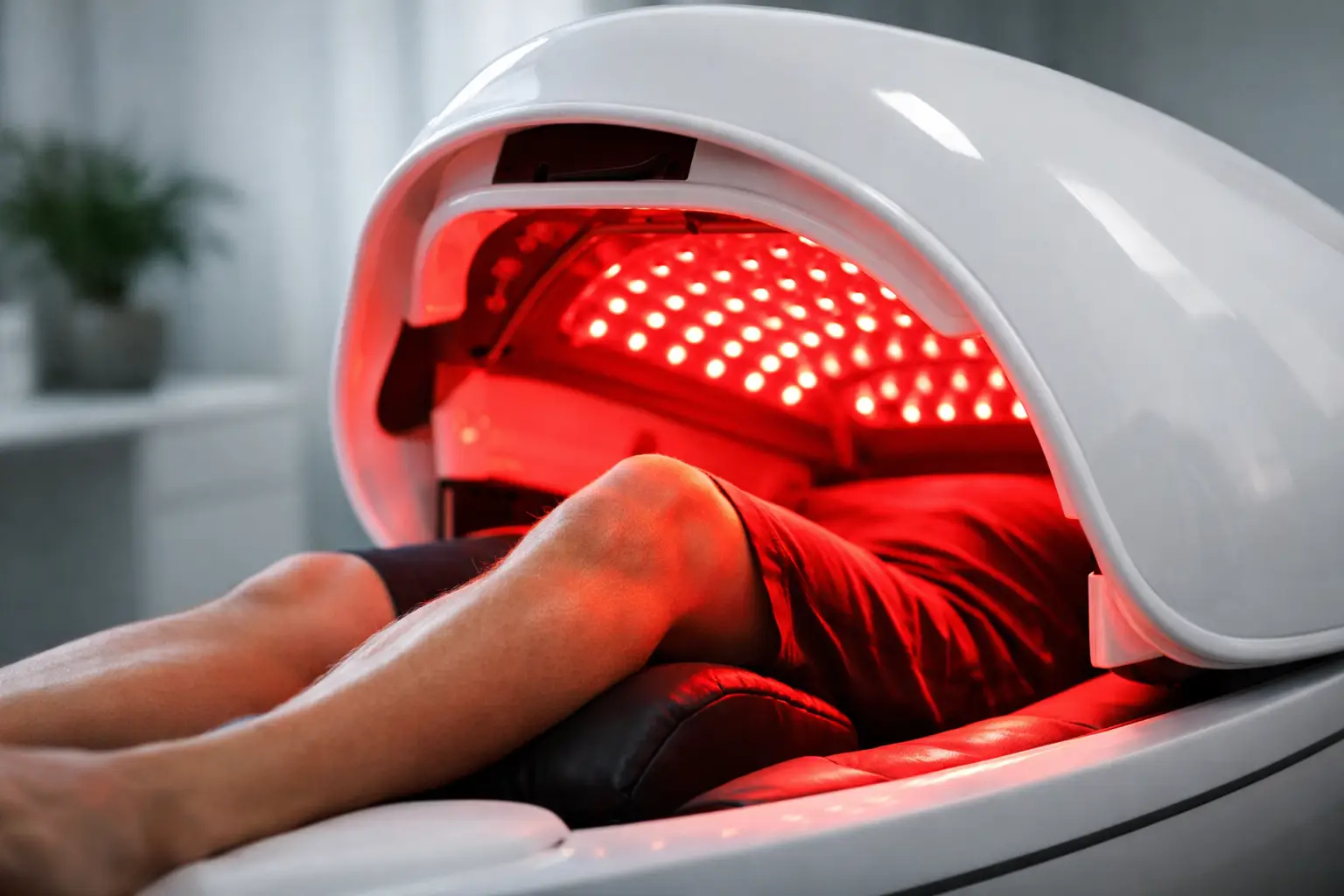
A swollen ankle after a run, puffy tissue around a healing scar or stiff, inflamed joints can make even ordinary movement feel harder. So, can light therapy reduce swelling? Photobiomodulation (PBM) may help support the body’s recovery response, particularly where swelling is linked to soft-tissue irritation, exercise, joint discomfort or healing after injury. It is not a substitute for medical assessment, but it can be a valuable drug-free addition to a considered recovery plan.
Can light therapy reduce swelling?
Potentially, yes – but the answer depends on what is causing the swelling, how long it has been present and the type of light therapy being used. Red and near-infrared light therapy does not simply make fluid disappear. Instead, PBM is designed to influence cellular activity in tissue, which may help modulate inflammation, support circulation and assist the repair processes that need to occur before swelling can settle.
This distinction matters. Swelling is a symptom, not a diagnosis. A mild, localised response after a workout or a minor strain is very different from sudden one-sided leg swelling, a hot and rapidly worsening joint, or swelling associated with breathlessness. The latter situations need prompt medical attention, not a wellness treatment.
For appropriate concerns, low-level red and infrared light therapy can be used alongside the fundamentals of recovery: sensible movement, rest when needed, rehabilitation guidance, hydration and any care recommended by your doctor or allied health practitioner.
Why swelling happens in the first place
Inflammation is not automatically the enemy. After tissue is stressed or injured, the body increases blood flow and sends immune cells, fluid and repair signals to the affected area. This can produce heat, tenderness, stiffness and visible puffiness. It is part of a normal healing sequence.
The problem arises when that response is excessive, persists longer than expected or limits function. This may occur after sport, repetitive work demands, surgery, arthritis flare-ups or an injury that has not fully settled. Chronic health conditions can also be associated with ongoing discomfort and inflammatory stress.
The goal is not to switch off every aspect of inflammation. It is to support a more efficient recovery environment while helping reduce the pain and stiffness that can keep you from moving well.
How photobiomodulation may support recovery
Photobiomodulation uses specific wavelengths of red and near-infrared light to interact with cells. At the cellular level, light energy is absorbed by structures including the mitochondria, which are responsible for producing ATP – the energy currency used by cells to carry out everyday functions and repair work.
Research into PBM suggests it may influence oxidative stress, inflammatory signalling and local microcirculation. In practical terms, this may help the body manage tissue stress and support recovery following exercise, injury or procedures where healing is already under way.
Near-infrared wavelengths are particularly relevant for deeper tissues because they can reach further than visible red light. That does not mean every swollen area will respond in the same way, or that more light is always better. Dose, wavelength, treatment area and timing all influence results. Effective PBM is a carefully controlled therapy, not simply exposure to any red-coloured light.
A full-body PBM system also offers a different experience from a small handheld device. Rather than treating one point at a time, whole-body delivery can support a broader recovery routine – particularly for people managing general post-training soreness, widespread joint discomfort, fatigue or a body that feels persistently run down.
When light therapy may be most useful for swelling
Light therapy is often considered when swelling comes with pain, tightness or reduced mobility after activity. For example, a gym session, long run or weekend sport can leave muscles and joints feeling heavy and inflamed. PBM may support recovery so you can return to training with greater comfort, while still respecting the need for appropriate loading and rest.
It can also be useful as part of post-injury or post-surgical recovery when a treating practitioner has cleared you for it. Healing tissue needs time, and PBM should complement – not replace – your surgeon’s instructions, physiotherapy program or wound-care plan.
For people living with arthritis or recurring joint discomfort, light therapy may assist with the inflammatory component of symptoms and help improve day-to-day comfort. Results vary. Long-standing conditions usually require consistency and a broader management plan rather than a single session with unrealistic expectations.
At iRPod, whole-body red and infrared light is delivered in a 30-minute PBM pod session using 12,000 temperature-controlled LEDs. This non-invasive format is designed for people who want support for recovery, pain, tissue healing and overall wellbeing without adding another medication-heavy option to their routine.
What results can you realistically expect?
Some people notice that an area feels less tight or more comfortable after a session. Others notice changes over several treatments, particularly where the issue has developed over time. The pace of improvement depends on the underlying cause, your general health, sleep, activity levels and whether the aggravating factor is still present.
PBM is not an instant fix for a badly sprained ankle, a fluid-filled joint or swelling caused by a systemic medical condition. Nor should it be used to push through significant pain in the hope that light therapy will compensate. Pain and swelling are useful feedback. If they increase with activity, your body may be asking for a different approach.
For a recent minor injury, a clinician may recommend a staged plan that changes as healing progresses. For persistent issues, several sessions are commonly used to assess response. A course of 4 to 12 sessions is often more meaningful than judging the therapy on one visit alone, especially when the aim is to support cumulative recovery.
Getting more from your sessions
Light therapy works best when it is part of a recovery strategy rather than the entire strategy. Keep the affected area moving within a comfortable range if you have been advised to do so, and follow any rehabilitation exercises prescribed for you. Adequate protein, hydration and sleep also give your body the raw materials and time it needs to repair.
If swelling follows training, look closely at the cause. A sudden increase in kilometres, heavy leg work after time away, poor footwear or insufficient recovery between sessions can all contribute. PBM may support the recovery process, but adjusting the training load is often what prevents the same problem returning next week.
It is also worth tracking functional changes rather than focusing only on appearance. Can you bend the joint more easily? Is your morning stiffness shorter? Are you walking, training or sleeping with less discomfort? These are often more useful indicators of progress than measuring a small change in puffiness from one day to the next.
When swelling needs medical care first
Do not self-treat unexplained or severe swelling with light therapy. Seek urgent medical assessment for sudden swelling in one leg, calf pain or tenderness, shortness of breath, chest pain, swelling after a major trauma, fever with a hot red area, or symptoms that worsen quickly. These can indicate conditions that need immediate treatment.
You should also speak with your doctor or treating specialist before PBM if you are pregnant, have active cancer in the treatment area, have a known photosensitivity condition, take photosensitising medication or are managing a complex medical condition. A reputable clinic should screen for suitability and encourage medical care where it is needed.
For the everyday swelling that follows physical stress, recovery does not have to mean waiting passively and hoping for the best. Used appropriately, clinically informed red and infrared light therapy can be a practical way to support comfort, movement and the body’s natural repair process – helping you get back to feeling more like yourself.