

A glowing red LED and an invisible near infrared wavelength can look like two versions of the same treatment. They are not. In the conversation around red light versus near infrared, the meaningful difference is how deeply each wavelength can reach and, therefore, which tissues may receive the greatest support.
Both are forms of photobiomodulation, or PBM: a non-invasive approach that uses specific wavelengths of light to influence cellular activity. Neither treatment relies on UV light, heat damage or medication. Instead, appropriately selected light is absorbed by biological photoacceptors, including within the mitochondria, where it may support cellular energy production and help regulate inflammatory and oxidative stress pathways.
For people managing persistent pain, recovery demands, tiredness, ageing skin or a general desire to feel and perform better, the question is not always which light is better. It is which wavelength, treatment area and treatment plan best match the outcome you want.
Red Light Versus Near Infrared: The Core Difference
Red light is visible to the human eye. In PBM, it generally sits in the red portion of the light spectrum, often around 630 to 660 nanometres. Because it is more readily absorbed in superficial tissue, red light is commonly chosen for skin-focused goals and tissues closer to the surface.
Near infrared light is invisible. It is typically used at longer wavelengths, often around 810 to 850 nanometres, allowing it to travel further through tissue than visible red light. This makes it particularly relevant when the treatment focus is deeper structures, such as muscles, joints and other areas associated with pain, injury or physical recovery.
Depth is not the only distinction. Tissue response depends on wavelength, dose, treatment time, distance from the body, the condition being addressed and individual factors. More light is not automatically better. PBM follows a dose-response principle, meaning an appropriate dose is needed to encourage a useful cellular response, while excessive exposure may be less effective.
What red light is commonly used for
Red light is frequently used where the desired benefits are closer to the skin’s surface. It may support skin rejuvenation goals by encouraging processes associated with collagen production and circulation, helping skin look fresher, more even and more vital over a course of sessions.
It is also used for superficial tissue recovery and may be valuable for people who want to support wound healing under suitable clinical guidance. For clients concerned with fine lines, dullness, texture or the visible effects of lifestyle stress, red wavelengths are a logical component of a full-body PBM treatment.
That does not mean red light is only cosmetic. The skin is a living organ, and supporting its cellular function can be relevant to overall wellbeing. Still, if your primary goal is deep joint discomfort after training or long-term muscular pain, red light alone may not be the complete answer.
What near infrared is commonly used for
Near infrared is generally the deeper-working option. It is often selected to support muscle recovery, joint comfort, circulation and tissue repair processes. This is why it is widely discussed in relation to sports recovery, arthritis-related discomfort, post-surgical rehabilitation and persistent pain presentations.
For an active person, near infrared may be relevant when sore quads, tight glutes or a demanding training schedule are limiting performance. For someone living with fibromyalgia or chronic fatigue syndrome, it may form part of a broader, carefully managed plan intended to support comfort, recovery and energy. Results vary, especially with complex conditions, but the appeal of PBM is clear: it offers a drug-free and non-invasive option that can sit alongside an existing care plan.
Near infrared is not felt as a deep heat treatment in the way some people expect. Quality PBM systems manage treatment conditions carefully. The therapeutic goal is photochemical signalling at the cellular level, not simply warming the body.
Why Combined Red and Near Infrared Treatment Makes Sense
A combined approach is often the most practical choice because most people do not have a single, isolated goal. You may want less stiffness after exercise, better sleep, healthier-looking skin and support for a recovering shoulder. Red and near infrared wavelengths can address different tissue depths within the same session.
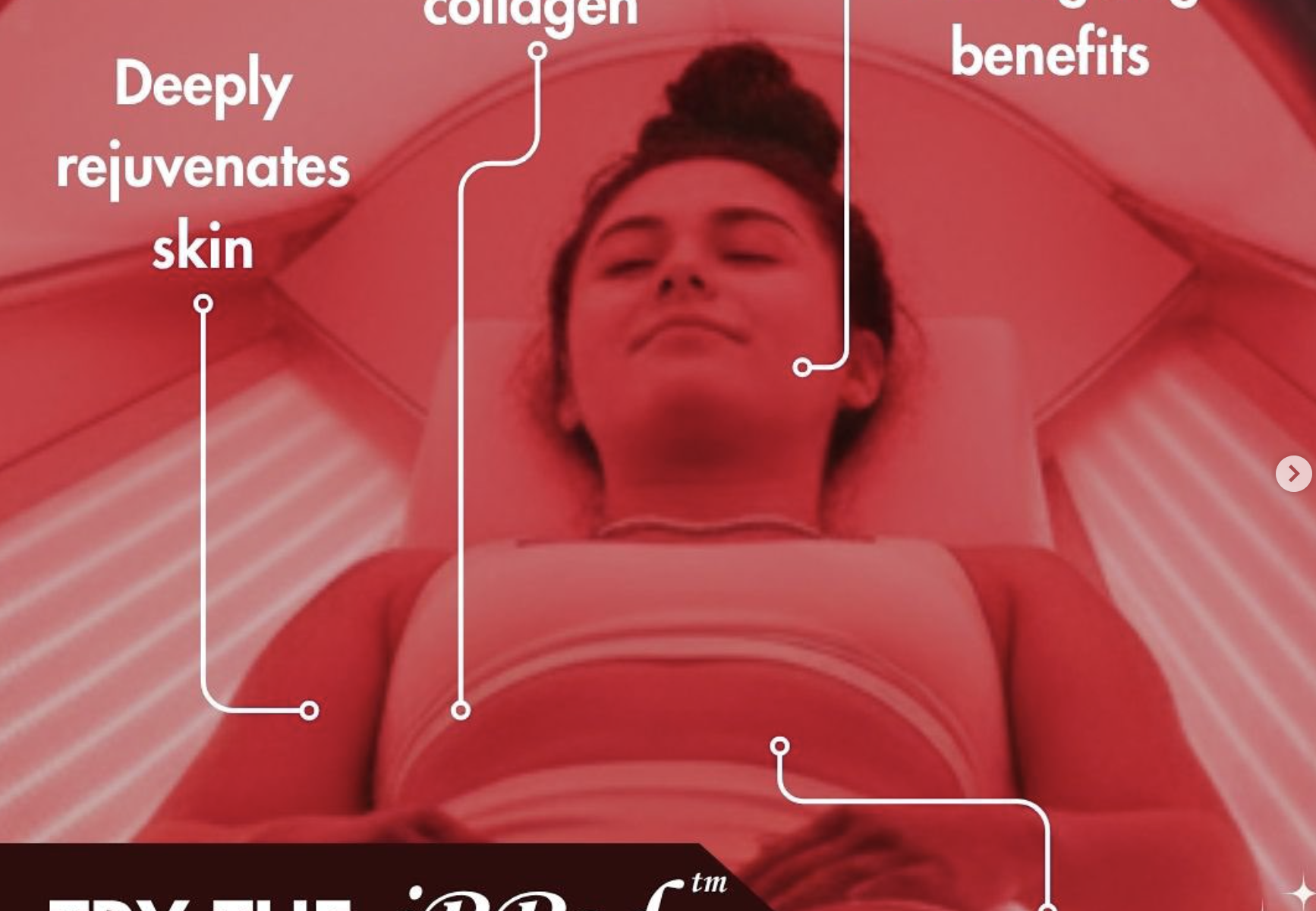
Whole-body delivery also matters. A handheld device or small panel can be useful for a specific local area, but it requires careful positioning and typically treats a limited surface at one time. A full-body PBM pod is designed to expose much larger areas consistently, making it well suited to people with widespread discomfort, fatigue, training load or broad wellbeing goals.
At iRPod, whole-body sessions use red and infrared LED light delivered across 12,000 temperature-controlled lights. A 30-minute session is built around efficient, comfortable treatment without needles, downtime or medication. For clients with multiple concerns, that broad coverage can be a major advantage over trying to treat one small area at a time.
Choosing the Right Wavelength for Your Goal
If skin quality is your main focus, red light should be part of the conversation. It is the visible wavelength most commonly associated with surface-level skin support, including the appearance of tone, texture and fine lines. Consistency matters more than chasing an instant result. Skin changes occur gradually and generally require a planned series of sessions.
If pain, stiffness, muscular fatigue or exercise recovery is your priority, near infrared may be particularly relevant because of its deeper penetration. It can be a useful addition to an active recovery routine that already includes sensible loading, sleep, nutrition and professional assessment where needed.
If you are recovering from surgery or injury, the answer depends on the stage of healing and your treating practitioner’s advice. PBM may support tissue healing and recovery, but it should never replace appropriate medical care, rehabilitation or follow-up. A reputable clinic will ask about your history and help determine whether treatment timing is appropriate.
For whole-body wellbeing, sleep and mood, combined treatment is often worth considering. The mechanisms are still being actively researched, and no ethical provider should promise a cure for complex health conditions. Yet many clients value PBM as a relaxing, non-invasive part of a routine focused on feeling more capable, rested and resilient.
What a Realistic Treatment Plan Looks Like
One session can be a useful introduction, especially after a hard training block or during a period of increased soreness. However, PBM is generally better approached as a course rather than a one-off event. Cellular and tissue-level changes need repeated stimulation over time.
Many people begin with four to 12 sessions, with the frequency tailored to their goals, symptoms and response. A person seeking athletic recovery may choose a different schedule from someone with longstanding joint discomfort or skin rejuvenation goals. Progress is often tracked through practical markers: how you move in the morning, how well you sleep, how quickly you recover after activity, or whether your skin looks and feels healthier.
It is also sensible to review what else may be influencing your progress. Persistent pain can have several causes. Low energy can relate to sleep, stress, nutrition, medication, illness or workload. PBM can be a valuable supportive therapy, but it works best when it is part of a considered health strategy rather than a substitute for diagnosis.
Safety, Comfort and Smart Expectations
Red and near infrared PBM are generally considered safe when delivered with appropriate equipment, protocols and screening. You lie comfortably in the pod while the LEDs deliver light across the body. There is no recovery time, and clients can usually return to work, training or daily life straight afterwards.
Before treatment, disclose medications, medical conditions, pregnancy, recent procedures and any sensitivity to light. Certain circumstances may require clearance from your doctor or a modified approach. Eye protection and clinic instructions should always be followed.
The strongest reason to choose between red light and near infrared is not the latest wellness trend. It is the result you want to support. Visible red light brings valuable surface-level benefits; near infrared brings greater reach into deeper tissue; and together, they offer a broader way to support recovery, comfort, skin health and everyday performance.
If you are ready for a treatment that respects both the science and the reality of busy life, start with your goal. Whether that is moving with greater ease, recovering more confidently or simply looking and feeling more like yourself, the right PBM plan should give your body consistent support and a clear reason to keep going.