

If you are searching for red light therapy South Yarra locals can access without adding more medication, more downtime or more guesswork, the real question is not whether light therapy sounds impressive. It is whether the treatment format is strong enough to deliver meaningful results. That matters, because not all red light therapy is built the same.
A quick facial panel or small handheld device can have a place. But if your goal is broader recovery, less pain, better sleep, improved skin quality or support for fatigue, treatment coverage matters. Whole-body photobiomodulation gives the body a very different level of exposure compared with narrow, localised options. For many people, that is the difference between trying a wellness trend and starting a therapy plan with genuine clinical intent.
Why red light therapy in South Yarra is getting attention
South Yarra attracts people who want practical results. Busy professionals want recovery that fits around work. Active people want faster bounce-back after training. Others are dealing with persistent pain, inflammation, poor sleep, low energy or skin changes that are hard to ignore. They are not necessarily looking for another complicated protocol. They want something evidence-based, non-invasive and realistic to maintain.
That is where photobiomodulation, often shortened to PBM, has carved out a serious place. Red and near infrared light are used at therapeutic wavelengths to support cellular function. The core idea is straightforward. When the body absorbs the right light at the right intensity, it may help stimulate ATP production, reduce oxidative stress and support the natural repair processes the body already relies on.
The appeal is obvious. No needles. No surgery. No harsh recovery period. And for many clients, no need to choose between aesthetic and functional benefits. The same session may support tissue recovery while also helping skin tone, mood and sleep quality.
What whole-body PBM actually does
A lot of people hear the phrase red light therapy and think of skincare alone. Skin rejuvenation is part of the picture, but it is not the full story. Whole-body PBM is used because light can interact with tissues well beyond the surface, especially when both red and infrared wavelengths are involved.
This is why treatment is often sought for muscular soreness, joint stiffness, post-exercise recovery, general inflammation support and fatigue-related complaints. Clients managing arthritis, fibromyalgia, chronic fatigue syndrome or post-surgical healing are often interested for the same reason – they want a drug-free option that may support comfort and function without placing more load on the body.
There is also a performance angle. If you train hard, work long hours or simply feel run down, better recovery is not a luxury. It changes how you move, how you sleep and how consistently you can show up. A therapy that supports circulation, tissue repair and recovery capacity is naturally going to attract people who care about how they feel day to day.
Red light therapy South Yarra clients should compare carefully
The biggest mistake people make is assuming every red light therapy service offers roughly the same thing. It does not. Delivery method changes the experience and the likely outcome.
A small device treats a small area. That can be useful if you have one very specific concern. But if the issue is widespread pain, all-over fatigue, recovery load, sleep disruption or a desire for more comprehensive wellness support, a limited treatment area may also mean limited impact.
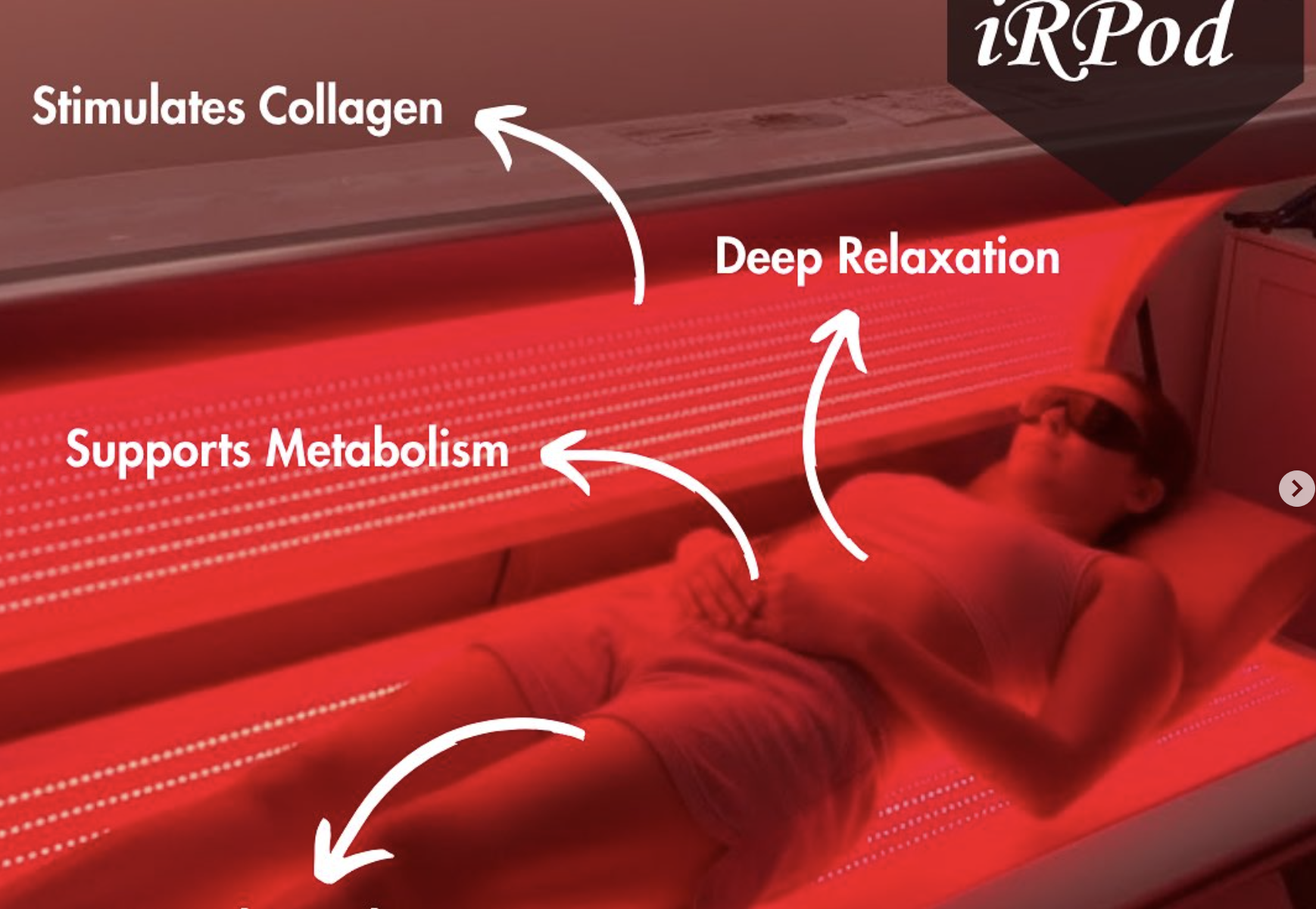
A full-body PBM pod is designed differently. Instead of chasing one patch of skin or one sore spot, it exposes the body more evenly and efficiently. That broader delivery is especially relevant when multiple systems may be involved. Someone with chronic fatigue, for example, is not usually looking for a single-point intervention. Someone recovering from training, stress and poor sleep at the same time often needs a more complete approach.
This is also where clinical setup matters. Established treatment providers do more than offer access to bright lights. They build sessions around therapeutic wavelengths, treatment timing, consistency and repeat plans that reflect how PBM is generally used in practice. One session can feel great. A series is usually where the stronger change happens.
What results can you realistically expect?
This is where a confident clinic should still be honest. Red light therapy is promising, but results depend on the person, the condition being treated and the consistency of treatment.
Some people notice short-term changes quickly. That can include feeling more relaxed, sleeping more deeply, moving with less stiffness or seeing skin look fresher. Others need a structured run of sessions before they notice a shift. If a concern has been building for months or years, it is reasonable to expect that improvement may take time.
Pain and recovery outcomes can vary depending on inflammation levels, lifestyle, training load and whether there is an underlying medical issue. Skin-focused goals often improve gradually rather than overnight. Energy and mood benefits can be noticeable, but they are also influenced by stress, workload, nutrition and sleep habits.
The useful question is not whether PBM works like magic. It is whether it can support the body enough to create measurable improvement over a treatment plan. For many clients, that is exactly the value. They do not need hype. They need progress.
Who tends to benefit most?
The strongest interest usually comes from adults who feel they have hit a wall with standard options. Some are tired of masking pain. Some want better recovery without relying on pills. Some are watching their skin change and want a treatment that feels more advanced than a basic beauty service.
People commonly seek whole-body red and infrared light therapy when they are dealing with persistent muscular or joint discomfort, training fatigue, post-surgical recovery, poor sleep, low mood, sluggish energy or signs of skin ageing. It can also suit people who are not acutely unwell but know their system is under strain. High-performing professionals often fall into that category. They may not describe themselves as patients, but they know they are not functioning at their best.
That said, not every person is an identical candidate, and not every goal should be framed the same way. A sports recovery client may value reduced soreness and better training consistency. A wellness client may care more about energy, sleep and resilience. A skin-focused client may prioritise complexion, texture and collagen support. Good treatment planning recognises those differences.
Safety matters as much as performance
One reason PBM has such strong appeal is that it offers a non-invasive path. That does not mean treatment should feel casual. Safe, effective care depends on the quality of equipment, the treatment environment and the experience behind the service.
Professional-grade systems are designed to deliver controlled light exposure at therapeutic levels. That matters far more than gimmicks. Temperature control, session duration and full-body consistency all contribute to comfort and repeatability. If a service presents itself as clinically informed, that standard should show up in the actual treatment design.
For clients, the practical advantage is clear. You can fit a 30-minute session into a busy week far more easily than a treatment that comes with disruption, discomfort or recovery time. That convenience is not a minor detail. It is one reason people actually stick with the recommended session plan.
Why consistency beats one-off curiosity
Red light therapy often works best as a course, not a once-off experiment. That is especially true for chronic issues, systemic fatigue, stubborn inflammation and cumulative skin concerns. The body responds to repeated signalling. One treatment may start the process. A series gives it momentum.
This is why established clinics commonly recommend a plan across several sessions rather than promising everything from a single visit. It is a more credible approach and, frankly, a more useful one for the client. A therapy should be sold on outcomes, not novelty.
At iRPod, the whole-body PBM pod approach reflects that philosophy. It is built for people who want advanced red and infrared light therapy delivered at scale, with clinical confidence and a clear focus on looking better, feeling better and performing better.
Choosing the right provider in South Yarra
If you are comparing options, look beyond the headline claim. Ask what kind of device is being used, how much of the body is treated, how long sessions run and whether the clinic speaks in clear therapeutic terms rather than vague wellness language.
You should also pay attention to whether the provider understands the difference between cosmetic interest and clinical support. There is nothing wrong with wanting brighter skin or a fresher appearance. But when a clinic can also speak credibly about pain, healing, inflammation, ATP production and recovery, you are likely dealing with a more serious standard of care.
For South Yarra clients, that combination is what makes red light therapy worth considering. It is not just convenient. It fits modern life while offering a treatment pathway that is safe, drug-free and grounded in how the body actually repairs and restores itself.
If your body has been asking for relief, recovery or a reset, the smartest next step is not to wait until things get worse. It is to choose a treatment strong enough to meet the moment.