

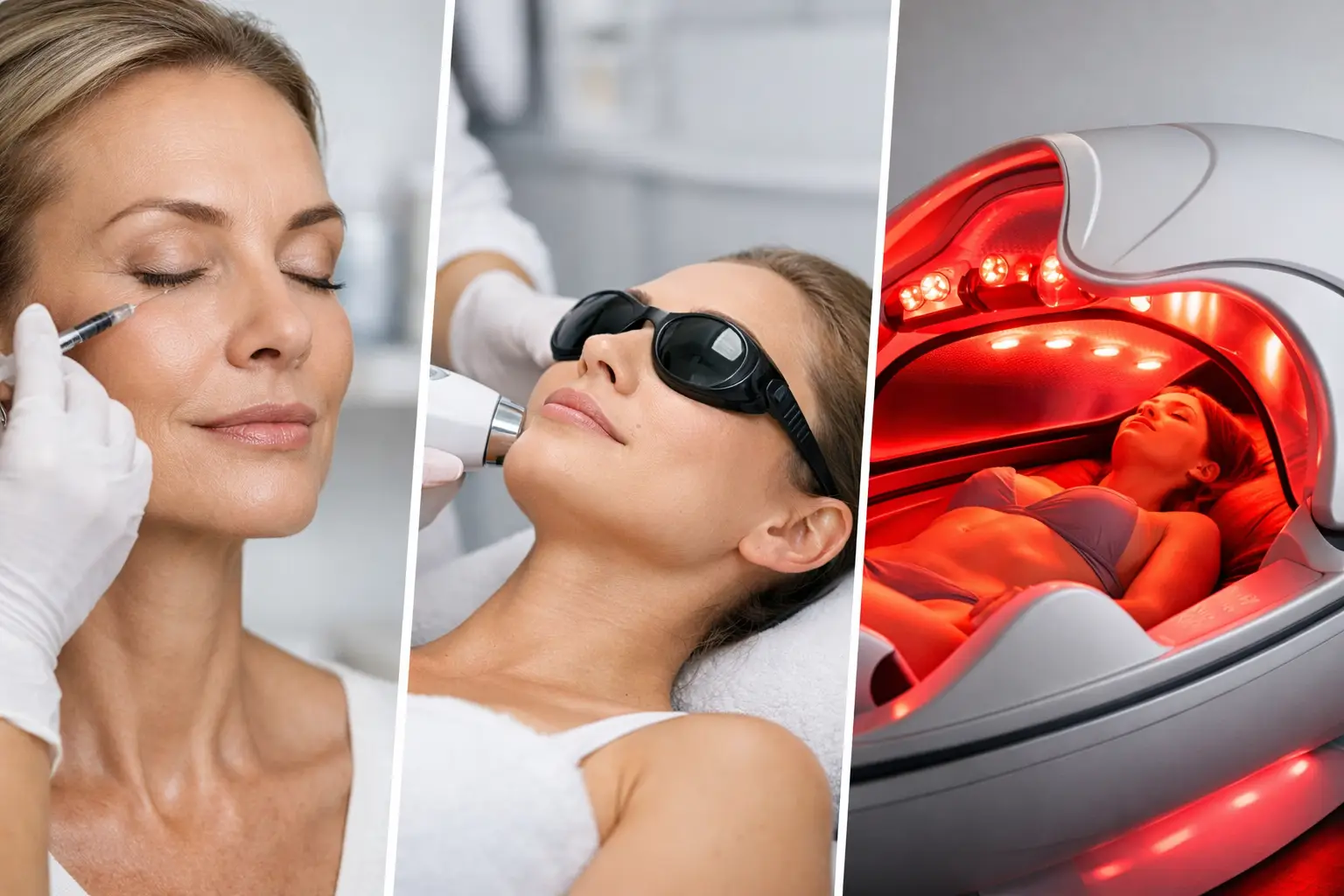
A smoother complexion is no longer the only goal. The most meaningful anti-ageing treatment trends are moving beyond quick cosmetic fixes and towards treatments that help people look fresher while supporting how they feel, sleep, move and recover. For busy Melbourne professionals, active adults and anyone wanting to age well without an invasive procedure, that is a welcome shift.
The best approach is rarely about chasing the newest device or a dramatic before-and-after photo. It is about choosing treatments with an appropriate safety profile, realistic outcomes and a place in a consistent long-term plan. Skin ageing is influenced by genetics, sun exposure, stress, sleep, nutrition, hormonal changes and inflammation. A smart treatment strategy recognises that ageing is biological, not simply cosmetic.
Anti-ageing treatment trends are becoming more holistic
For years, anti-ageing marketing focused heavily on erasing individual lines. There is still a place for targeted aesthetic treatments, but clients increasingly want to improve overall skin quality: luminosity, firmness, hydration, tone and resilience. They also want options that do not require significant downtime or disrupt work, exercise or family life.
This has created strong interest in non-invasive, regenerative approaches. Instead of relying solely on treatments designed to alter appearance quickly, people are looking for therapies that support the body’s own repair processes. The language has changed too. “Healthy ageing”, “skin longevity” and “collagen support” better reflect what many people actually want – to look like a well-rested, energised version of themselves, rather than someone else.
There is a practical reason for this trend. A treatment can improve the appearance of tired-looking skin, but the result may feel limited if poor sleep, persistent pain, slow recovery or high stress remain part of the picture. Whole-body wellbeing and visible skin health are more connected than many people realise.
Light-based therapy is earning a central place
Red and near-infrared light therapy is one of the more compelling developments in this space, particularly when it is delivered at the right wavelengths and dosage. This process, known as photobiomodulation or PBM, uses specific light wavelengths to influence cellular activity. In simple terms, light is absorbed by cellular components and may support mitochondrial function, including ATP production – the energy currency cells use to carry out essential work.
For skin, this is relevant because healthy cellular function plays a role in repair, collagen processes and the response to oxidative stress. Many clients are drawn to red and infrared light therapy because it is drug-free, non-invasive and does not involve needles, peeling or a lengthy recovery period.
The full-body format is an important part of the emerging conversation. A small handheld device or facial panel may suit a localised concern, but it does not provide the same coverage as a purpose-built whole-body system. A professionally designed PBM pod delivers light across a far larger surface area, making it an appealing option for clients who are interested in skin rejuvenation alongside recovery, sleep, mood, muscle comfort or broader wellbeing goals.
At iRPod, whole-body red and infrared light is delivered in a 30-minute session through 12,000 temperature-controlled LEDs. This makes the experience practical for people who want a premium, clinically positioned treatment without turning anti-ageing care into an all-day commitment.
What red and infrared light can realistically support
PBM is not a facelift, and it should not be presented as one. It is better understood as a supportive therapy that may contribute to healthier-looking skin over time, particularly as part of a consistent program. Individual responses vary according to age, skin condition, lifestyle and the number of sessions completed.
Clients commonly seek light therapy to support a brighter appearance, improved skin texture and a more rested look. Its broader benefits may also matter. Better recovery and improved comfort can help a person stay active. Better sleep can affect how the skin looks and feels. Supporting wellbeing is not a substitute for a tailored dermatological or medical plan, but it can be a valuable component of one.
Prevention is replacing correction-only thinking
Another of the defining anti-ageing treatment trends is earlier, more consistent intervention. Rather than waiting for deep lines, substantial sun damage or a visible loss of firmness, people are building maintenance treatments into their wellness routines.
This does not mean every person needs intensive treatments in their twenties or thirties. It means prevention has become more sophisticated. Daily sun protection remains one of the most effective investments in skin ageing. Adequate sleep, movement, protein intake, hydration and avoiding smoking remain foundational. No clinic treatment can fully compensate for repeated UV exposure or chronically poor recovery.
Professional therapies can then complement these basics. The ideal mix depends on your goals. Someone concerned primarily with pigment changes may need a different plan from someone seeking post-training recovery and healthier-looking skin. A person with sensitive skin may prefer gentle, non-ablative options, while another may be comfortable with more intensive treatments and a period of downtime.
Personalised treatment plans matter more than one-off sessions
The era of choosing a treatment solely because it is trending on social media is fading. Consumers are becoming more discerning about treatment protocols, practitioner experience and the difference between a short-lived effect and gradual improvement.
For non-invasive therapies such as PBM, consistency is often more valuable than a one-off appointment. A recommended series may allow the body time to respond, followed by maintenance sessions that fit your lifestyle and goals. This is particularly relevant for people managing fatigue, soreness, arthritis, fibromyalgia or recovery from exercise or surgery, where skin goals may sit alongside a wider need for support.
A personalised plan should begin with clear expectations. Ask what the treatment is designed to do, how many sessions may be recommended, what you might notice first and how progress will be assessed. Be wary of anyone who promises to stop ageing, remove every wrinkle or deliver identical results for every client. Credible care is specific, measured and honest about variables.
Combination care is more useful than treatment stacking
Combination care is growing, but more is not automatically better. The trend is moving away from piling multiple procedures into one month and towards selecting complementary options with a clear purpose.
For example, a skincare routine may support the skin barrier and protect against UV damage, while PBM sessions may support cellular energy and recovery. Strength training supports muscle and bone health as we age. Sleep and stress management influence inflammation, mood and visible vitality. Together, these choices can produce a more convincing and sustainable result than any single treatment in isolation.
If you are considering injectables, peels, laser procedures or prescription skincare, seek advice from appropriately qualified practitioners. Certain conditions, medications and recent procedures may affect whether a light-based therapy or another treatment is suitable. Safety always comes before a trend.
The future of anti-ageing is about function as well as appearance
The most valuable treatments now sit at the intersection of aesthetics and wellbeing. People do not simply want fewer visible signs of ageing. They want to wake with more energy, train without excessive soreness, recover more comfortably and feel confident in their skin.
That is why non-invasive, evidence-informed options are gaining attention. They respect the reality that ageing cannot and should not be “fixed”, while still offering practical ways to support the body and improve how you present to the world. Choose treatments that fit your goals, your health history and your capacity for consistency – then give the process time to work.