

Arthritis has a way of shrinking your world. Jars become harder to open, stairs feel steeper, mornings start with stiffness, and even a short walk can turn into a negotiation with your joints. That is why interest in red light therapy arthritis pain support has grown so quickly among people who want a drug-free, non-invasive option that fits real life.
Photobiomodulation, often called red and infrared light therapy, is not a gimmick or a passing wellness fad. It is a clinically used approach that applies specific wavelengths of light to support cellular function, tissue repair and pain reduction. For people living with arthritis, that matters because the goal is not simply to mask discomfort for a few hours. The bigger opportunity is to calm irritated tissue, support recovery at a cellular level and help the body move with less resistance.
Why arthritis pain is so persistent
Arthritis is not one single condition. Osteoarthritis involves wear and tear in joint structures over time, while inflammatory forms such as rheumatoid arthritis involve immune-driven inflammation. Different diagnosis, same daily problem – pain, stiffness, reduced mobility and flare-ups that interfere with sleep, exercise and independence.
What makes arthritis frustrating is that pain rarely comes from one source alone. There can be inflammation in and around the joint, irritation in surrounding soft tissue, reduced circulation, muscle guarding and altered movement patterns that place more stress on the area. That complexity is one reason why many people look for broader support rather than relying on one solution.
Medication can absolutely have a role, and for some people it is essential. But it is also common to want something that does not add to the load of tablets, digestive side effects or temporary fixes. That is where light-based therapy enters the conversation.
How red light therapy arthritis pain treatment works
Red light therapy arthritis pain treatment is based on the principle that certain wavelengths of red and near infrared light can penetrate tissue and interact with mitochondria, the energy-producing structures inside cells. This process is known as photobiomodulation.
In simple terms, the light helps stimulate ATP production, which is the energy currency cells use to do their work. When tissue has more energy available, it may be better able to repair, recover and regulate inflammation. Research in this space also points to effects on oxidative stress, circulation and inflammatory pathways, all of which are relevant in painful joints.
That does not mean one session magically erases years of degeneration or inflammatory disease. It means the therapy may help create a better healing environment inside the body. For someone with arthritis, that can translate to less stiffness, reduced soreness, easier movement and a more consistent ability to stay active.
What people with arthritis tend to notice first
The first change is often not dramatic pain disappearance. More commonly, people notice that they loosen up faster in the morning, feel less achy after activity, or recover better after a flare. These are not minor wins. When your knees, hands, hips or shoulders are constantly reminding you they are there, even a moderate improvement in comfort can make daily life feel far more manageable.
Some people also report sleeping better when pain settles. That matters because poor sleep tends to amplify pain sensitivity, increase fatigue and make exercise harder to maintain. Once that cycle starts to shift, arthritis can feel less controlling.
The key point is consistency. Photobiomodulation is usually not a one-off event. Like exercise, physio or any other supportive therapy, results build over a series of sessions.
Whole-body therapy versus localised treatment
This is where treatment design matters. Many arthritis sufferers have pain in more than one area. It might begin in the knees, then spread to hips, hands, lower back or shoulders. Localised devices can be useful, but they are limited when symptoms are widespread or when the body is carrying a broader inflammatory load.
A whole-body red and infrared light therapy approach offers a different advantage. Instead of chasing one sore joint at a time, full-body delivery exposes a much larger treatment area in a single session. That may be especially appealing for people with multiple painful sites, systemic inflammation, fatigue or co-existing conditions that affect recovery.
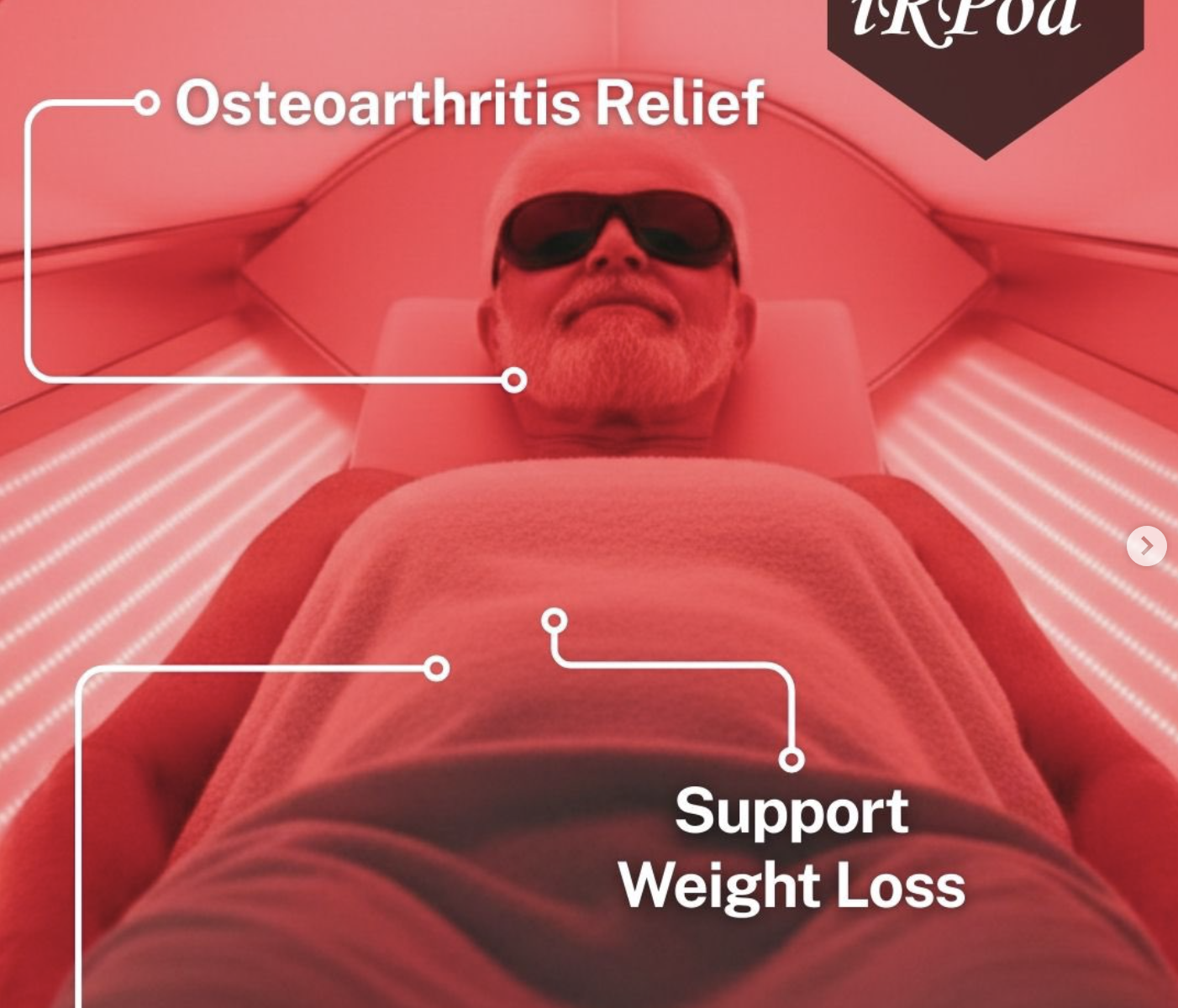
For clients seeking a more advanced option, a full-body photobiomodulation pod uses extensive LED coverage to deliver therapeutic light across the body in one controlled session. That wider treatment field is part of what makes the experience efficient and practical, especially for busy adults who want a high-value treatment rather than piecemeal attention.
What the evidence says, and what it does not
The science behind photobiomodulation is substantial enough that it deserves serious attention. Studies have examined its effects on pain, inflammation, healing and musculoskeletal function across a range of conditions, including joint-related pain. The proposed mechanisms are biologically plausible, and the clinical use of low level light therapy has a long track record.
At the same time, arthritis is not identical from person to person. Outcomes depend on the type of arthritis, how advanced it is, which joints are involved, how often treatment is received and what else is happening in the body. Someone with mild knee osteoarthritis may respond differently from someone with long-standing rheumatoid arthritis and significant structural damage.
That is the honest view. Red light therapy is not a cure for arthritis, and any service that suggests otherwise is overselling it. What it can be is a safe, evidence-based support strategy that helps reduce pain, improve mobility and complement a broader management plan.
Who may be a good fit for red light therapy arthritis pain support
This therapy tends to appeal to people who want more than symptom suppression. If you are trying to stay active, reduce reliance on medication where appropriate, support recovery naturally, or simply move through the day with less discomfort, it makes sense to consider.
It may be particularly relevant if your arthritis pain is affecting your exercise tolerance, workdays, sleep or confidence in movement. It can also suit people who are already doing the right things – walking, strength work, physiotherapy, weight management or anti-inflammatory lifestyle changes – and want an additional layer of support.
For many adults, the attraction is straightforward. The treatment is non-invasive, there is no downtime, and sessions can fit into a busy week without turning life upside down.
What to expect from a treatment plan
The most effective approach is usually a course of sessions rather than a single visit. Arthritis is ongoing, so support often needs to be ongoing as well. Early treatment may be closer together to build momentum, followed by a maintenance rhythm based on response and symptom pattern.
A 30-minute whole-body session is designed to be simple and comfortable. You lie back, the light is delivered at therapeutic wavelengths, and the body does the work at a cellular level. There is no need for needles, no heat damage, and no recovery period afterwards.
What matters most is having realistic expectations. You are looking for cumulative improvement – less stiffness, more comfortable movement, fewer rough days, and better function over time. For some people that change is noticeable within a few sessions. For others it is steadier and more gradual.
Safety matters as much as results
When pain is persistent, people become understandably vulnerable to exaggerated claims. That is why clinical standards matter. Safe red and infrared light therapy should be delivered with the right wavelengths, the right dose, and equipment designed for therapeutic use rather than novelty appeal.
Photobiomodulation has a strong safety profile when used appropriately, which is one reason it continues to attract attention in both clinical and wellness settings. But safe does not mean casual. The quality of the device, the treatment protocol and the experience of the provider all influence the value of the session.
For people in Melbourne looking for an established, science-backed option, that combination of whole-body technology and clinically grounded delivery is exactly where a service like iRPod stands apart.
The real value is what happens outside the clinic
The best arthritis care is measured in ordinary moments. Walking the dog without dreading the return trip. Sleeping through the night. Getting up from the couch without bracing. Feeling capable enough to train, travel, garden or get through a full workday without your joints running the agenda.
That is why red light therapy deserves a place in the arthritis conversation. Not because it promises miracles, but because it offers a modern, evidence-based way to support pain reduction, tissue recovery and mobility without adding more strain to the body.
If arthritis pain has been narrowing what your days look like, the next step does not have to be more of the same. Sometimes the smartest progress starts with giving your body better conditions to heal, move and perform better again.