

You notice it when the usual fixes stop doing enough. The sore joints still ache, the post-gym recovery drags on, your skin looks flat, and sleep does not leave you feeling restored. That is where interest in red and infrared light therapy benefits has grown so quickly. For many people, the appeal is simple – a safe, drug-free, non-invasive approach that supports how the body repairs, recovers and functions.
Red and infrared light therapy is not a beauty fad dressed up in medical language. It is a form of photobiomodulation, or PBM, that uses specific wavelengths of light to interact with cells and support biological processes linked to healing, energy production and inflammation control. The science matters, but so does the practical result: people want to feel better, move better, sleep better and look better.
Why red and infrared light therapy benefits stand out
The reason this therapy has gained such strong attention is that it does not target just one narrow concern. It can support a broad mix of health and wellness goals because it works at the cellular level.
When red and near infrared light is delivered at the right wavelengths, it is absorbed by components within cells, particularly in the mitochondria. Mitochondria are often described as the energy producers of the cell because they help create ATP, the fuel your body relies on for repair and normal function. Better cellular energy availability can support tissue healing, recovery and overall resilience.
That does not mean every session produces a dramatic overnight change. Some people feel a difference quickly, especially with muscle tightness, recovery or mood. Others improve more gradually over a recommended course of sessions. The response depends on the issue being treated, how long it has been present, and how consistently treatment is used.
Pain relief and inflammation support
One of the most sought-after red and infrared light therapy benefits is pain reduction. This is particularly relevant for adults dealing with chronic aches, arthritis, fibromyalgia, old injuries or pain that has become part of daily life.
Photobiomodulation may help reduce oxidative stress and support healthier inflammatory responses. In practical terms, that can mean less stiffness, better mobility and an improved ability to get through the day without feeling constantly limited by discomfort. For people trying to reduce dependence on medication-heavy management pathways, that matters.
Pain relief is rarely one-size-fits-all. A recent sports strain is different from long-standing joint pain, and both are different again from widespread pain conditions. But the attraction of whole-body delivery is that it can support systemic concerns while also helping local tissues recover. That is a meaningful advantage for clients who are not dealing with just one sore spot, but a pattern of tension, fatigue and inflammation across the body.
Recovery, healing and physical performance
If you train regularly, work long hours on your feet, or are coming back from injury or surgery, recovery speed is not a luxury. It affects how well you function at work, in sport and in daily life.
Among the most valuable red and infrared light therapy benefits is support for tissue repair. By encouraging ATP production and helping circulation and cellular communication, PBM may assist the body’s natural healing response. This is why people commonly use it as part of post-exercise recovery, rehabilitation and post-surgical care.
For active people, that can translate to reduced muscle soreness, less downtime between sessions and a better chance of training consistently. For people recovering from procedures or injuries, it may support a more comfortable healing process. The key point is not that light therapy replaces proper medical care or rehab planning. It works best as a supportive therapy within a broader recovery strategy.
Skin rejuvenation without harsh downtime
Some therapies ask you to choose between clinical results and comfort. Red and infrared light therapy sits in a different category. It supports skin from within rather than stressing it from the outside.
Red light is especially well known for benefits linked to skin appearance. It may support collagen production, improve skin tone and assist with the look of fine lines, dullness and uneven texture. Better circulation and reduced inflammation can also contribute to a healthier, calmer complexion.
This is one reason the treatment appeals to people who want anti-ageing support without aggressive intervention or downtime. It is not a magic wand, and it will not replace every cosmetic treatment. But for clients who want to improve skin quality while also supporting mood, recovery and wellbeing, it offers far more than a surface-level result.
Sleep, mood and energy
Not every benefit is visible in the mirror. Some of the most meaningful changes show up in how you feel at 6 am, how clearly you think in the afternoon, or whether your body finally starts to settle at night.
Many clients seek red and infrared light therapy benefits because they feel flat, depleted or stuck in a cycle of poor sleep and low energy. While the mechanisms are still being explored across different conditions, light therapy may help regulate biological processes linked to inflammation, recovery and nervous system balance. For some people, that contributes to improved sleep quality, steadier mood and better day-to-day energy.
This is especially relevant for those living with chronic fatigue syndrome, persistent stress or burnout-like symptoms. It is important to be realistic here. Severe fatigue and sleep disruption are complex and often need a broader clinical picture. Still, a therapy that supports recovery without adding strain can be a valuable part of that plan.
Why whole-body treatment changes the conversation
A handheld device aimed at one area has its place. But many people are not dealing with isolated symptoms. They are managing widespread pain, general fatigue, poor recovery, skin concerns and sleep disruption all at once.
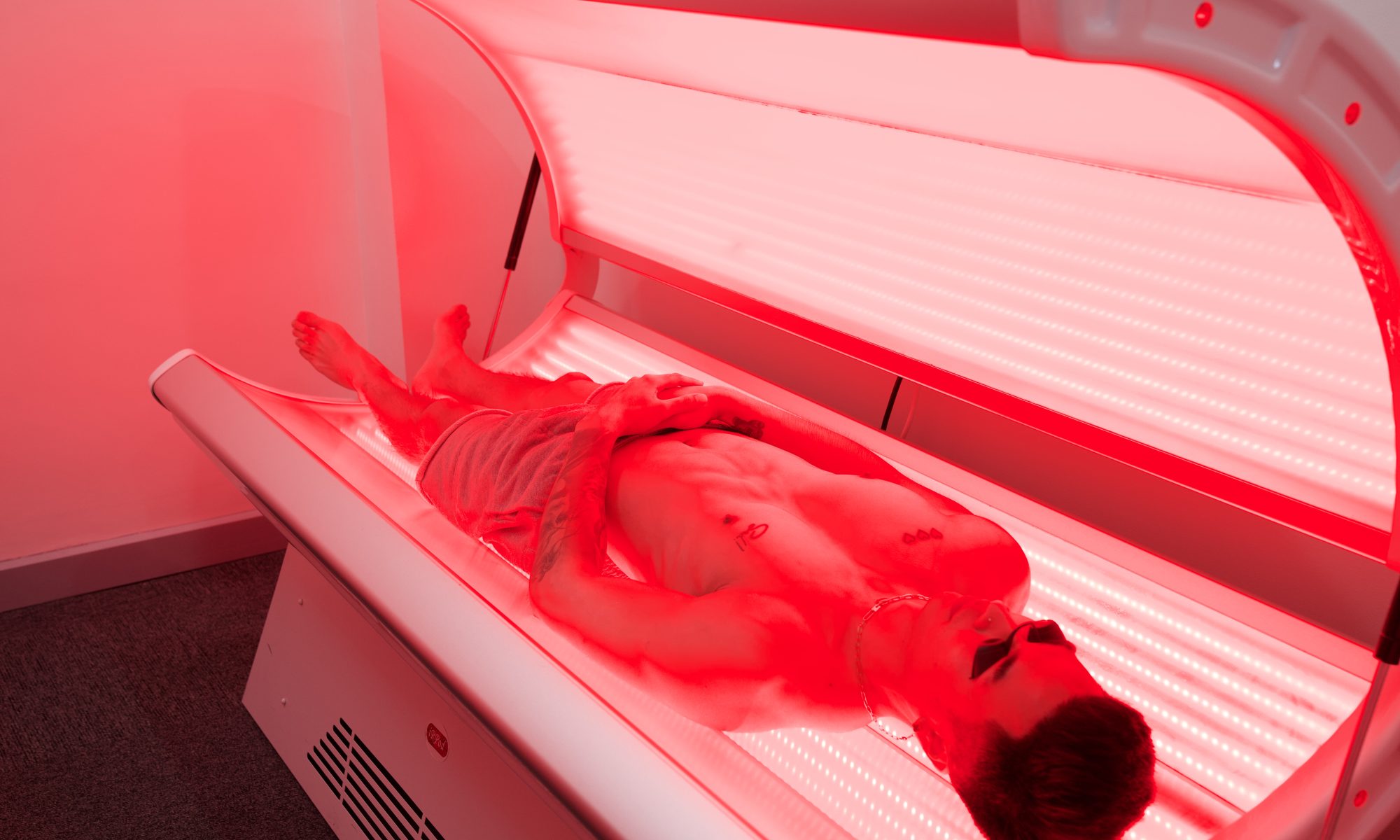
That is where whole-body PBM becomes more compelling. Treating the entire body in one session allows for broader coverage and a more comprehensive wellness response. Instead of chasing symptoms one body part at a time, whole-body delivery supports multiple systems together.
For a Melbourne client with a demanding schedule, that also makes treatment more practical. A 30-minute session that addresses recovery, pain, skin and wellbeing at the same time is a very different proposition from piecemeal care. It is efficient, comfortable and easier to build into real life.
What results can you realistically expect?
This is where honest guidance matters. Red and infrared light therapy has genuine clinical promise, but results depend on the person and the goal.
If your focus is muscle recovery or relaxation, you may notice benefits quite quickly. If you are addressing long-term pain, arthritis, fibromyalgia or chronic fatigue, progress may take a series of treatments. Skin improvements also tend to build over time rather than appearing all at once.
Consistency usually matters more than intensity. A structured treatment plan often gives the body the repeated support it needs to respond. That is why many clinics recommend a course of sessions rather than a single visit followed by guesswork.
It also helps to understand what this therapy is not. It is not invasive, it is not medication, and it is not designed to force the body into change. Its role is to support biological repair and function. For the right person, that can be powerful. For the wrong expectation, it can sound too subtle. The difference comes down to clinical suitability and a sensible plan.
Is red and infrared light therapy safe?
Safety is a major reason people choose PBM. When delivered correctly, red and near infrared light therapy is widely regarded as a safe, non-invasive treatment option with no need for needles, heat damage or recovery time.
That said, good treatment still depends on proper equipment, appropriate protocols and an experienced clinical setting. Not all light therapy is created equal. Wavelength accuracy, treatment coverage, session duration and device quality all influence outcomes. This is one area where established, professional delivery matters far more than marketing claims.
For people who want an evidence-based therapy that feels comfortable and fits into a modern wellness routine, that combination of safety and sophistication is a major part of the appeal. It is a treatment you can build into life without pressing pause on everything else.
At iRPod, that promise is simple: advanced whole-body photobiomodulation designed to help you look better, feel better and perform better. If you have been searching for a non-invasive way to support pain relief, recovery, skin health, sleep or energy, the right therapy should do more than sound impressive – it should fit your body, your goals and your life.