

Pain changes the shape of your day. It can make work feel harder, sleep feel lighter, training feel slower, and recovery feel far too long. For many people, the search for drug free pain relief Melbourne wide starts when medication stops feeling like a real solution and starts feeling like a compromise.
The good news is that non-invasive pain support has moved well beyond heat packs and wishful thinking. There are now clinically grounded options designed to reduce pain, support tissue repair, and help the body recover without adding to the medication load. The right choice depends on the kind of pain you have, how long you have had it, and what outcome matters most to you – fast relief, better function, less inflammation, or a more sustainable recovery plan.
Why more people want drug free pain relief in Melbourne
The demand is not hard to understand. Many adults are managing busy professional lives, family commitments, training schedules, or long-term health conditions at the same time. They want relief, but they also want clarity, energy, and control. That is where drug-free care becomes especially appealing.
Medication can absolutely have a place in pain management, particularly in acute or severe cases. But it is not always ideal as a long-term strategy. Some people want to avoid side effects. Others are tired of temporary relief that does little to address the underlying recovery process. If pain is linked to inflammation, tissue stress, poor healing, overtraining, arthritis, post-surgical recovery, or persistent fatigue syndromes, it makes sense to look at options that support the body rather than simply dull sensation.
This is where evidence-based, non-invasive therapies have gained traction. The strongest options tend to focus on circulation, cellular repair, nervous system regulation, inflammation reduction, and improved recovery capacity.
What actually counts as drug free pain relief Melbourne patients can use?
Not every natural or non-invasive treatment belongs in the same category. Some methods are passive and soothing, while others are more targeted and clinically active. The best approach is usually determined by the type of pain involved.
Manual therapies like remedial massage can be useful for muscular tension, overuse, and stiffness. Exercise physiology and physiotherapy are often valuable for rebuilding strength, restoring movement, and correcting loading patterns. Acupuncture may help some people with chronic pain, particularly when pain has a strong muscular or nervous system component. Mind-body approaches such as breathwork, pacing, and guided relaxation can also play a role, especially when pain has become persistent and stress-sensitive.
Then there is photobiomodulation, also known as red and infrared light therapy. This is one of the more advanced options in the non-invasive space because it is not simply about relaxation. It is designed to support cellular energy production and tissue recovery using therapeutic wavelengths of light.
How photobiomodulation supports pain relief
Photobiomodulation works by delivering specific red and infrared wavelengths into the body, where light energy is absorbed by the mitochondria – the energy-producing structures inside cells. That matters because pain and delayed healing often sit alongside reduced cellular function, inflammation, and oxidative stress.
When the body has more usable cellular energy, it is better equipped to repair tissue, regulate inflammation, and recover from physical stress. This is why photobiomodulation is used across a wide range of concerns, from joint pain and soft tissue injury through to chronic inflammatory conditions, post-exercise soreness, and post-surgical recovery.
For the right person, the appeal is obvious. It is non-invasive, drug-free, and generally relaxing to receive. There are no needles, no downtime, and no force applied to already sensitive structures. That makes it particularly relevant for people who feel flared by aggressive treatment, or who are simply looking for a more comfortable path forward.
Why whole-body light therapy stands out
One important difference in this category is whether treatment is localised or whole-body. Localised devices can be effective for specific sites such as a knee, shoulder, or lower back. But pain is not always neatly isolated. Many people experience widespread discomfort, systemic inflammation, poor sleep, fatigue, or multiple pain sites at once.
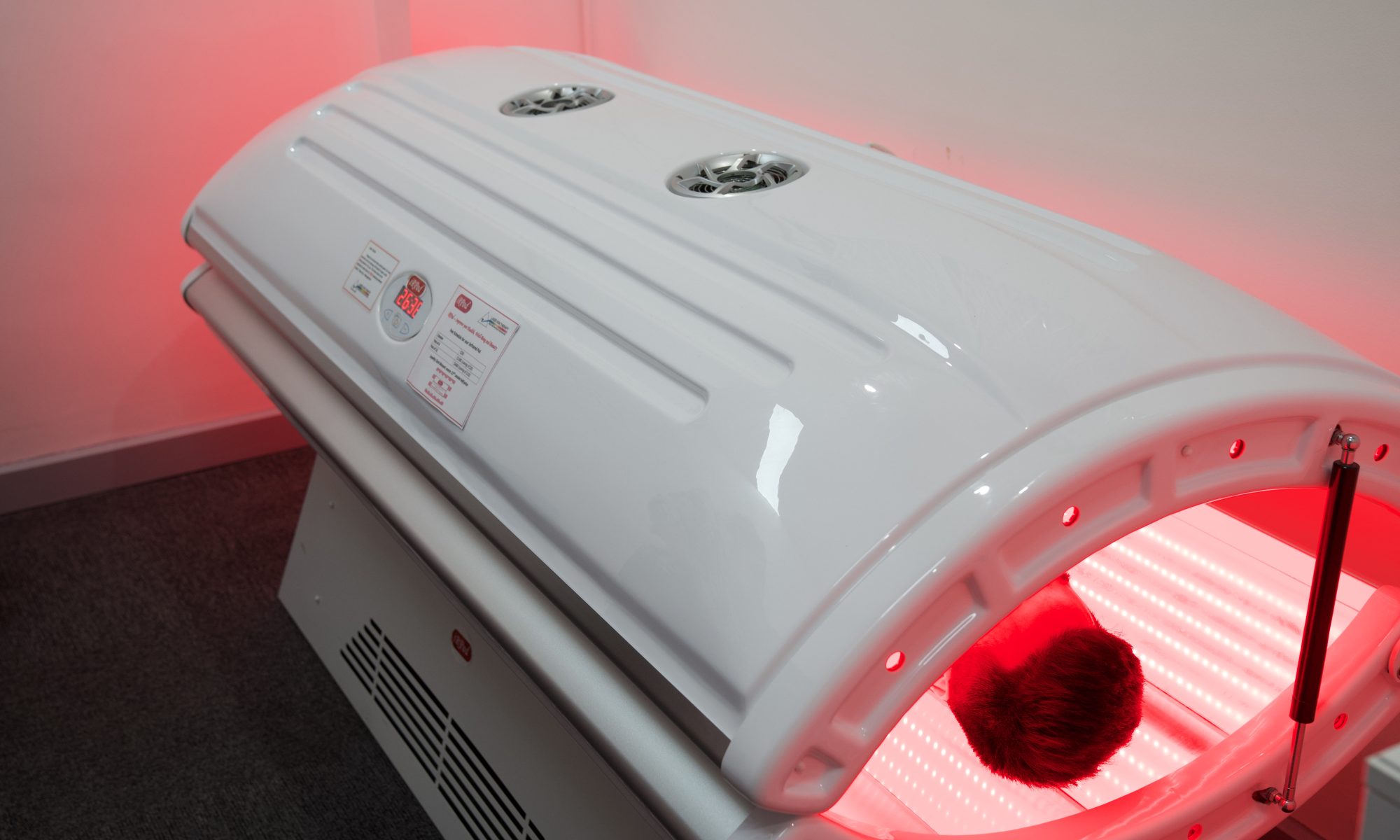
A whole-body photobiomodulation pod offers a broader treatment experience. Instead of targeting one small area, it exposes the body to therapeutic light across a much larger surface area. That matters for people dealing with fibromyalgia, chronic fatigue syndrome, generalised pain, recovery issues, or the combination of pain plus poor sleep and low energy.
This wider delivery can also be useful when pain is only part of the picture. A person may come in because their joints ache, but what they really want is to move better, train better, sleep better, and feel like themselves again. Whole-body treatment aligns with that broader wellbeing goal.
Who may benefit most from this approach
Drug-free pain relief is not a one-size-fits-all category, and photobiomodulation is not a cure-all. But there are clear situations where it may be especially useful.
People with arthritis often look for ways to settle pain and stiffness without leaning too heavily on medication. Those recovering from surgery or injury may want support for tissue healing without adding more strain. Active people and athletes often use light therapy to improve recovery between sessions and reduce soreness. Clients with fibromyalgia or chronic fatigue syndrome may also be drawn to therapies that are gentle, non-invasive, and designed to support systemic recovery rather than just local symptom suppression.
It can also be relevant for people whose pain is entangled with sleep disruption, stress, poor recovery, or general inflammation. If the body is stuck in a cycle of soreness, fatigue, and slow repair, a therapy that targets cellular function may offer a more meaningful next step than another short-lived workaround.
What results should you realistically expect?
This is where a credible clinic should be direct. Response times vary. Some people notice changes quickly, especially in muscle tension, recovery, and general soreness. Others need a series of sessions before improvements in pain, mobility, and function become more obvious.
That does not mean the therapy is ineffective. It means biology takes time, particularly when pain has been present for months or years. Chronic pain is rarely solved in one visit, no matter which therapy you choose. A realistic treatment plan often involves multiple sessions across several weeks, with progress assessed against practical outcomes like improved movement, easier sleep, lower pain intensity, faster recovery, or reduced flare-ups.
Consistency matters. So does matching the treatment to the person. A desk-based professional with neck and shoulder pain may respond differently from a runner managing tendon overload, or someone living with widespread pain and fatigue. The best results tend to come from a clear plan, the right dose of treatment, and enough repetition to let the body adapt.
Choosing a clinic for drug free pain relief Melbourne wide
If you are comparing options, look past generic wellness language and pay attention to how the clinic explains its method. You want clear clinical reasoning, not vague promises. Ask what technology is used, whether the therapy is whole-body or localised, how treatment plans are structured, and what kinds of conditions are commonly supported.
Safety matters too. Drug-free should never mean unscientific. The strongest providers position their care around established therapeutic principles, clear treatment protocols, and realistic outcome setting. They should be able to explain why a therapy may suit your condition, where its limits are, and whether it is best used as a standalone option or part of a broader recovery plan.
For Melbourne clients looking for a more advanced option, iRPod has built its position around full-body photobiomodulation delivered through a PBM pod with temperature-controlled LED technology. That whole-body format is a meaningful point of difference for people who want more than a small treatment head applied to one sore spot.
When drug-free care is a smart next step
If your current plan is keeping you afloat but not moving you forward, that is usually the moment to reassess. Pain relief should not always mean choosing between coping and side effects. In many cases, there is room for a non-invasive therapy that supports healing, recovery, and better day-to-day function.
That does not mean rejecting every conventional option. It means widening the lens. The right plan may include movement, hands-on therapy, medical advice, and light-based treatment working together. But if you are specifically searching for a safer, more sustainable way to manage pain, recover faster, and feel better in your own body, drug-free care deserves serious attention.
The future of pain support is not just about masking symptoms. It is about helping the body do what it is built to do – repair, regulate, and recover.