

A lot of people start with the same question: in the PBM pod vs light panel debate, is bigger actually better, or is a panel enough to get real results? The honest answer is that it depends on what you want treated, how consistently you’ll use it, and whether you need targeted care or a true whole-body therapy experience.
That distinction matters more than most marketing suggests. Red and infrared light therapy is not one-size-fits-all. The delivery format changes the treatment experience, the amount of body surface exposed, the practicality of each session, and in many cases the type of outcome you can reasonably expect.
PBM pod vs light panel: the real difference
Both a PBM pod and a light panel use photobiomodulation. That means specific wavelengths of red and near-infrared light are delivered to the body to support cellular energy production, circulation, tissue repair, inflammation management and recovery. The science behind the category is the same. The difference is how that light is delivered.
A light panel is typically designed for front-on exposure to a limited section of the body. You stand or sit near it and treat one area at a time, or at best one side of the body. It can be useful for localised concerns such as a sore knee, part of the back, facial skin, or post-exercise muscle soreness in a specific area.
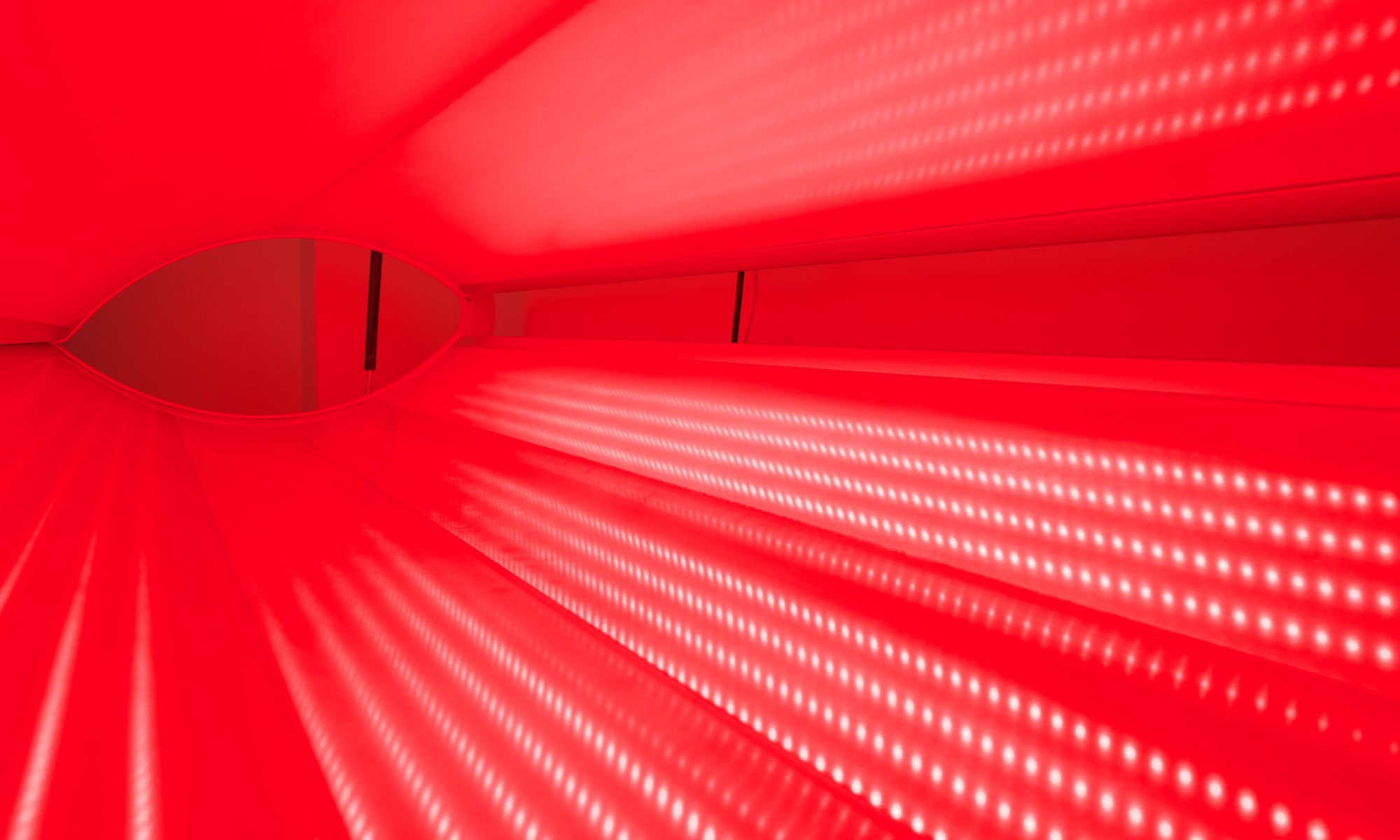
A PBM pod is built for full-body treatment. You lie inside the unit while light is delivered across a far larger treatment field. That changes more than convenience. It creates a more complete therapy environment for people dealing with widespread pain, fatigue, systemic inflammation, slow recovery, sleep issues, or those wanting broader skin and wellness benefits in one session.
Why treatment coverage changes the outcome
Coverage is where the PBM pod vs light panel comparison becomes much clearer. If your concern is isolated, a panel may be enough. If your symptoms are widespread or you want a more efficient whole-body session, the pod has a major advantage.
Many people are not dealing with a single sore spot. They may have fibromyalgia, chronic fatigue syndrome, arthritis affecting multiple joints, post-training soreness across the body, or a general sense that recovery and energy are not where they should be. In those cases, treating one section at a time can become slow, inconsistent and impractical.
A whole-body PBM pod allows the body to receive broad exposure in a single 30-minute session. That can be particularly valuable when the goal is not just local relief, but support for overall recovery, reduced oxidative stress, better sleep quality, improved mood, circulation support and skin rejuvenation across larger areas.
This is also where treatment adherence comes into play. A therapy only helps if people actually keep doing it. If a format is fiddly, time-consuming or limited to one body part at a time, many people will not stick with the frequency needed to notice meaningful change.
When a light panel makes sense
A panel is not the wrong option. It simply suits a narrower use case.
If you want to treat a specific joint, a small muscle group, or focus on facial skin, a panel can be a sensible entry point. It may also suit someone who prefers shorter, localised sessions and does not need broad body coverage.
For a targeted issue, that can be enough. The key is being realistic. A panel is generally not designed to replace a dedicated whole-body treatment if your symptoms extend well beyond one area.
When a PBM pod makes more sense
A PBM pod tends to be the stronger choice when your goals are broader, your symptoms are multi-site, or your lifestyle demands efficiency. It is particularly well suited to people managing persistent pain, recovery after surgery or training, low energy, poor sleep, age-related skin concerns, or chronic conditions that affect the body more generally.
For these clients, whole-body delivery is not just a luxury feature. It is often the difference between a treatment that feels piecemeal and one that feels clinically purposeful.
Power, proximity and practical use
One of the biggest misconceptions in red light therapy is that all devices are effectively equal if they use similar-looking LEDs. They are not. Device design, output, treatment distance, consistency of exposure and session structure all shape the result.
With a panel, positioning matters. You need to be at the right distance, angle your body correctly, rotate if you want the back treated, and often manage session timing manually. None of that is impossible, but it introduces friction. It can also create uneven exposure, especially when users try to cover more body area than the panel was built for.
A PBM pod simplifies the treatment process. The body is positioned for broad exposure, the session is set, and the environment is controlled for comfort. That matters because comfort supports consistency, and consistency is where outcomes begin to stack up.
In a clinical setting, this becomes even more important. A professionally delivered PBM pod session offers a more structured approach than casual home use. For people who are serious about results, that can remove a lot of guesswork.
Comfort matters more than people think
This part is often overlooked. A treatment can be scientifically promising and still fail in real life if the experience is awkward enough to discourage repeat sessions.
Standing in front of a panel, adjusting your position, and dividing the body into separate treatment zones can feel manageable at first. Over time, especially for people with fatigue, pain or limited mobility, it can become another task on the list.
A pod creates a very different experience. You lie down, relax, and receive the treatment across the body in one session. For many clients, that turns PBM from a chore into a therapy they genuinely look forward to. That shift matters. A calm nervous system, a comfortable body position and a more immersive session can help people stay on track with a recommended plan.
Results depend on the goal
If your only goal is a targeted area, comparing a PBM pod to a light panel is fairly straightforward. A panel may be sufficient. But most adults seeking red and infrared light therapy are not chasing one narrow outcome.
They want less pain and better movement. They want to recover faster after training. They want to support healing after a procedure. They want better sleep, brighter mood, more energy and healthier-looking skin. Once you look at the full picture, whole-body treatment becomes much harder to ignore.
That does not mean a pod is automatically better for every person in every situation. It means the pod is often better matched to complex, real-world wellness goals. For people dealing with overlapping concerns, a localised tool can feel limited very quickly.
PBM pod vs light panel for skin, pain and recovery
For skin concerns, both can help, but the treatment area matters. A panel may be fine for the face or a small region. A PBM pod makes more sense if the goal includes skin rejuvenation across larger body areas while also supporting broader wellness benefits.
For pain, it again depends on whether the pain is isolated or widespread. A sore shoulder from training is different from arthritis in multiple joints or body-wide sensitivity linked to fibromyalgia. Local pain can suit local treatment. Systemic or multi-site pain often responds better to a whole-body approach.
For recovery, the pod has a strong practical edge. Athletes, active professionals and post-surgical clients often want a treatment that supports the body globally rather than one muscle at a time. That is where full-body exposure can become a smarter use of time and a more compelling therapeutic option.
The better question to ask
Instead of asking which device is best in general, ask which format best matches your condition, your goals and your likelihood of sticking with treatment.
If you only need occasional, targeted exposure, a light panel may do the job. If you want comprehensive support for pain, healing, recovery, sleep, energy, mood and skin in one clinically guided format, a PBM pod is in a different category.
That is why established clinics that focus on photobiomodulation have moved towards full-body delivery. It reflects what many clients actually need – not a small patch of light, but a treatment that meets the body at scale.
For people in Melbourne weighing up the next step, the smartest choice is not the cheapest-looking device or the trendiest setup. It is the format that gives you the best chance of getting consistent, measurable benefit without turning treatment into hard work.
The future is here today, but only if the therapy fits the person using it. Choose the option that matches the size of your goal, not just the size of the device.