

Dragging yourself through the day, needing caffeine just to feel halfway functional, and still waking up unrefreshed is not just frustrating – it can start to shape your whole life. So, is photobiomodulation good for fatigue? For many people, it can be a genuinely useful support therapy, particularly when fatigue is tied to poor recovery, chronic pain, inflammation, disrupted sleep, stress, or high physical and mental load. But the honest answer is not a simple yes for everyone.
Photobiomodulation, or PBM, uses specific wavelengths of red and near infrared light to stimulate cellular activity. The reason this matters for fatigue is that energy is not only about willpower. It is deeply tied to what is happening at a cellular level, including ATP production, circulation, inflammation, oxidative stress, muscle recovery, and nervous system regulation. If those systems are under strain, feeling flat can become your baseline.
Why photobiomodulation may help fatigue
PBM is often discussed in terms of mitochondria, the parts of your cells involved in producing energy. When red and near infrared light is delivered at therapeutic wavelengths, it may help support mitochondrial function and ATP production. ATP is the chemical energy your cells use to perform basic tasks, from tissue repair to muscle contraction to brain function.
That does not mean one session suddenly transforms someone from exhausted to unstoppable. What it means is that PBM may help create better conditions for the body to function, recover, and regulate itself more efficiently. For people dealing with persistent tiredness, that can translate into practical changes like waking more refreshed, recovering faster after exercise, feeling less physically heavy, or experiencing fewer energy crashes across the day.
PBM may also help reduce oxidative stress and modulate inflammation. This matters because chronic low-grade inflammation and prolonged physiological stress are common features in people who feel constantly run down. If your body is spending too much time in repair mode, it is harder to feel energised.
Is photobiomodulation good for fatigue caused by poor sleep or stress?
Often, yes – especially when fatigue is part of a bigger pattern rather than a standalone symptom. Many people are not tired simply because they are busy. They are tired because their sleep quality is poor, their nervous system is overstimulated, their recovery is inadequate, or pain is disturbing rest night after night.
Photobiomodulation may support better sleep and mood regulation in some people, which can have a direct flow-on effect on daytime energy. If your body is finally getting a better recovery window overnight, fatigue during the day often starts to shift as well. This is one reason PBM can feel relevant not only for elite recovery or pain support, but for everyday people whose energy has been chipped away by modern life, chronic stress, and poor-quality rest.
There is also the issue of pain-related fatigue. If you live with ongoing pain, your system is constantly working harder than it should. That can be exhausting in a very real physiological sense. By helping support pain reduction and tissue healing, PBM may indirectly improve fatigue by reducing one of the major drains on your energy.
Where whole-body PBM has an advantage
Not all light therapy is delivered the same way. Localised devices can be useful for a specific joint, muscle group, or treatment area, but fatigue is rarely a highly localised issue. It tends to involve multiple systems at once.
That is where whole-body photobiomodulation can stand apart. When a larger treatment surface is exposed to clinically relevant red and infrared wavelengths, the goal is broader systemic support rather than a narrow spot treatment. For someone dealing with fatigue, widespread muscle soreness, poor recovery, or generalised inflammation, that whole-body approach may make more sense.
At a clinical level, this is part of the appeal of PBM pod therapy. Instead of trying to chase fatigue one sore shoulder or one tight lower back at a time, treatment can support the body more globally. For people with chronic fatigue patterns, fibromyalgia, heavy training loads, or post-viral depletion, that broader delivery can be especially appealing.
When the answer is yes, and when it depends
If you are asking whether photobiomodulation is good for fatigue, the most useful answer is that it depends on what is driving the fatigue in the first place.
If fatigue is linked to overtraining, poor recovery, inflammation, chronic pain, low mood, poor sleep, or high stress load, PBM may be highly relevant. If fatigue is related to an untreated thyroid issue, iron deficiency, sleep apnoea, medication side effects, or another underlying medical condition, PBM may still be supportive but should not be seen as the only answer.
This is where clinically grounded expectations matter. PBM is not a magic fix for every type of exhaustion. It is a non-invasive therapy designed to support the body’s own repair and recovery processes. That can be powerful, but it still works best when the broader picture is understood.
For some people, the benefits show up as better stamina and clearer thinking. For others, the first noticeable change is less soreness, improved sleep, or a more stable mood. Those shifts can seem small at first, but they often build into a meaningful difference in day-to-day energy.
What the experience can feel like
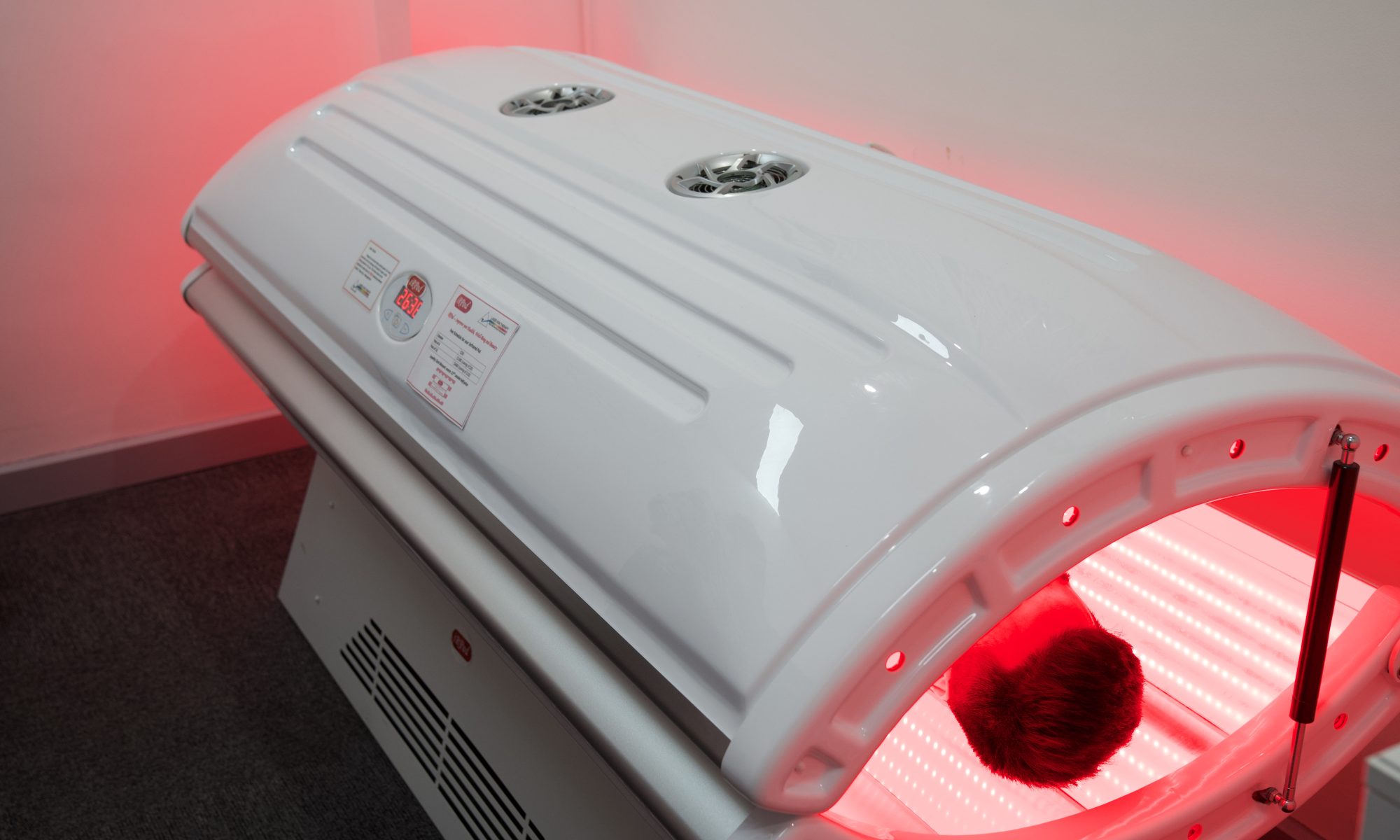
One of the reasons PBM has growing appeal is that it is simple, comfortable, and drug-free. A session typically involves lying in a full-body pod while the red and infrared light is delivered for a set treatment period. There is no downtime, no needles, and no aggressive sensation to push through.
That matters for people with fatigue because treatments that are too taxing can become another burden. PBM is designed to support recovery, not add to the system’s load. Many clients describe the experience as calming and restorative, which fits well for those who are already depleted.
Results are rarely judged by a single session alone. While some people report feeling refreshed quickly, fatigue is usually better addressed as a course of care. Repeated sessions may help build cumulative benefits, especially where fatigue has been present for months or years.
What to expect from a course of treatment
The strongest outcomes with fatigue often come from consistency. If your body has been under strain for a long time, one or two sessions may not be enough to shift the pattern in a lasting way. That is why treatment plans are often recommended across multiple sessions rather than as a one-off experience.
A reasonable expectation is gradual improvement rather than overnight change. You may notice better post-exercise recovery first, then improved sleep, then steadier daytime energy. Or the pattern may be different. The key is that PBM tends to support the systems behind energy rather than simply masking tiredness for a few hours.
For clients seeking a drug-free, clinically grounded option, this is a major advantage. Instead of chasing temporary stimulation, the aim is to help the body function better at the source.
Is photobiomodulation good for fatigue in chronic conditions?
For people living with persistent fatigue conditions, the question becomes even more important. Chronic fatigue syndrome, fibromyalgia, post-viral fatigue, and long-term pain states are complex, and no ethical clinic should pretend otherwise. These presentations are often multifactorial and can be difficult to manage.
That said, PBM is attractive in this space because it is non-invasive and aimed at supporting cellular energy, inflammation balance, circulation, recovery, and pain reduction all at once. For some clients, that makes it a valuable part of a broader management plan. Not because it replaces medical care, but because it may support a body that is struggling to regain balance.
This is also why established clinical delivery matters. The quality of the device, the treatment parameters, and the overall treatment approach can influence whether PBM feels like a wellness gimmick or a serious therapeutic modality. Whole-body treatment delivered in a dedicated clinical setting offers a different proposition to casual consumer light devices with limited power and coverage.
The commercial claim versus the practical reality
There is a lot of hype in the light therapy space. Some of it is deserved, and some of it gets ahead of the evidence. The practical reality is that photobiomodulation can be highly worthwhile for fatigue when used appropriately, especially as part of a consistent recovery strategy.
What makes it compelling is not flashy marketing. It is the combination of safety, comfort, and biological plausibility. People want options that help them look better, feel better, and perform better without adding more medications or invasive treatments to the mix. PBM fits that brief well.
If you are in Melbourne and looking for a whole-body, evidence-based approach, iRPod offers the kind of PBM treatment environment designed for people who want more than a token wellness add-on. When fatigue is dragging down your work, training, mood, or recovery, the right therapy should do more than sound impressive – it should support measurable change over time.
If your energy has not felt like your own for a while, the smartest next step is not to push harder. It is to ask what your body may be missing, and whether better recovery support could change the way you feel every day.