

Dragging yourself through the afternoon is one thing. Feeling flat after a full night’s sleep, struggling to recover after exercise, or waking up tired day after day is another. When people start searching for the best wellness treatments for fatigue, they are usually not looking for hype. They want something that feels safe, makes physiological sense, and has a real chance of helping them get their energy, focus and resilience back.
Fatigue is not one-size-fits-all, and that is where many wellness recommendations fall over. The right treatment depends on whether you are dealing with poor sleep, chronic stress, post-viral exhaustion, pain-related fatigue, overtraining, low mood, or a more persistent condition such as chronic fatigue syndrome or fibromyalgia. The smartest approach is to look for treatments that support the body at a foundational level rather than simply masking symptoms for a few hours.
What actually makes a fatigue treatment worth trying?
A treatment earns its place when it does more than provide a temporary lift. Caffeine can help in the moment, but it is not a wellness strategy. The best options tend to support sleep quality, cellular energy production, nervous system regulation, inflammation management and recovery capacity.
That matters because fatigue is often cumulative. Poor sleep increases stress load. Stress disrupts recovery. Ongoing pain drains mental and physical energy. Inflammation can leave people feeling heavy and depleted. Once that cycle is established, people often need more than rest and good intentions.
The treatments below are the ones most consistently worth considering if your goal is sustainable energy, not a short-lived burst.
1. Photobiomodulation is one of the best wellness treatments for fatigue
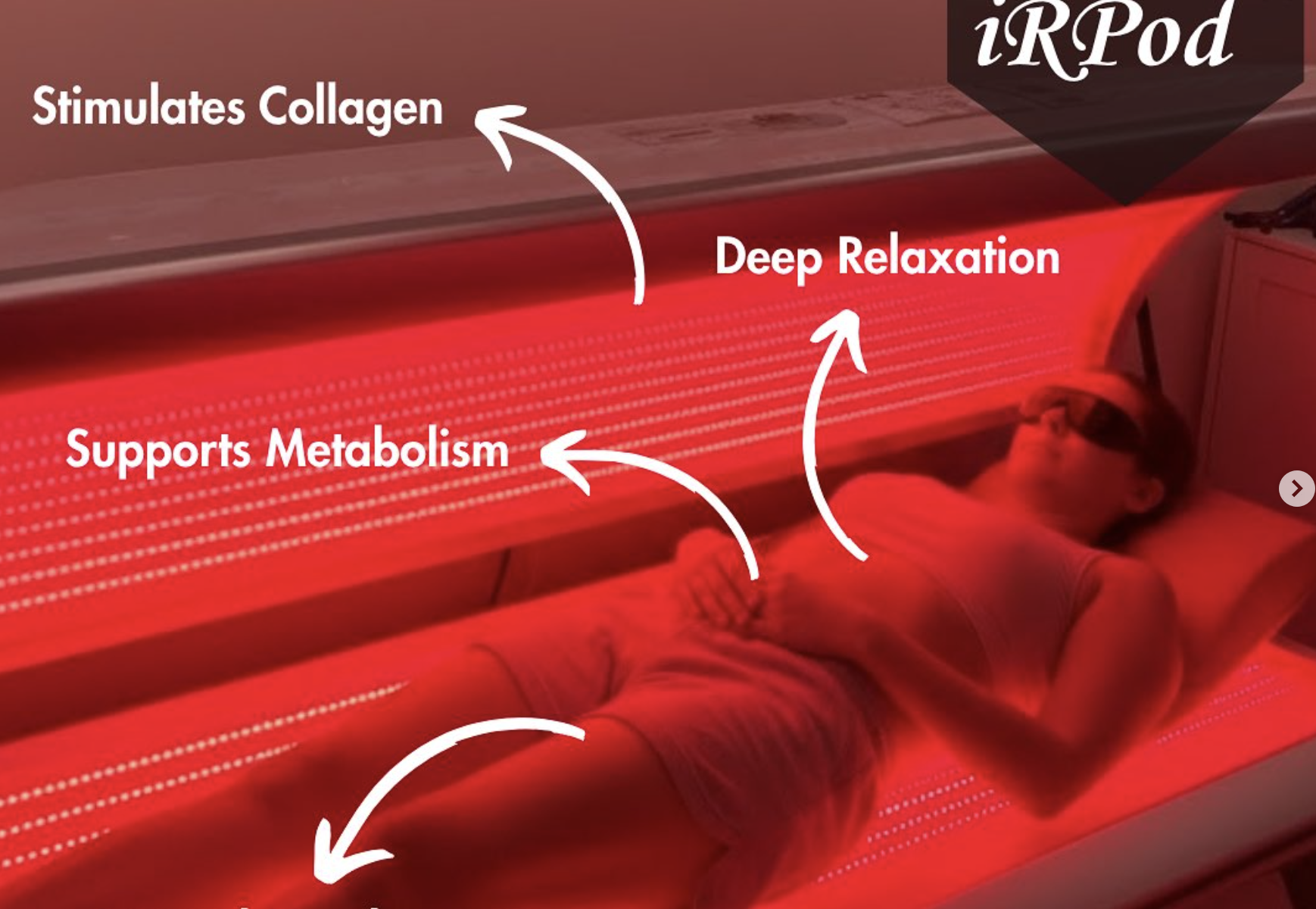
If fatigue is tied to poor recovery, chronic pain, low mood, disturbed sleep or persistent physical stress, photobiomodulation deserves serious attention. Also known as red and infrared light therapy, this treatment uses specific therapeutic wavelengths of light to support cellular function.
The reason it stands out is simple. Energy starts at the cellular level. Photobiomodulation is associated with supporting mitochondrial activity and ATP production, which is central to how the body generates usable energy. It is also used to help manage oxidative stress and inflammation, both of which can contribute to that heavy, drained feeling many people describe as fatigue.
For some people, the benefit is direct. They feel more energised, recover faster and notice less day-to-day exhaustion. For others, the improvement comes through secondary effects such as better sleep, reduced pain or improved mood. That distinction matters, because fatigue is often the end result of several problems happening at once.
A whole-body format can be especially appealing when fatigue is systemic rather than localised. Instead of treating one sore area, full-body delivery is designed to support broader wellness outcomes in a single session. For people who want a drug-free and non-invasive option, that combination of safety, comfort and science-based positioning is hard to ignore.
2. Sleep-focused therapy
It sounds obvious, but poor-quality sleep is still one of the most overlooked drivers of ongoing fatigue. Not just short sleep, but fragmented sleep, light sleep, late sleep and sleep that never feels restorative.
Sleep-focused therapy can include behavioural strategies, relaxation work, light exposure timing and treatment of physical barriers such as pain or stress. This is where nuance matters. Telling a fatigued person to get more sleep is not treatment. Helping them actually achieve deeper, more consistent sleep is.
If you wake unrefreshed most mornings, toss and turn, or hit a wall despite spending enough time in bed, address sleep quality first. It can be the highest-return move you make.
3. Recovery therapies for stress and nervous system overload
Not all fatigue comes from doing too much physically. A lot of it comes from staying switched on for too long. High-performing professionals, busy parents and people carrying chronic stress often live in a near-constant state of physiological overdrive. Eventually, the body starts pushing back.
Treatments that calm the nervous system can be useful here, especially when fatigue comes with tension, poor sleep, irritability or wired-but-tired feelings. Breathwork, guided relaxation, therapeutic massage and body-based recovery sessions can all play a role.
The trade-off is that these therapies are often highly individual. Some people respond quickly. Others need consistency before they notice a meaningful difference. They are rarely a silver bullet, but they can be a valuable part of a broader fatigue plan.
4. Gentle movement and recovery exercise
When you are exhausted, exercise advice can feel insulting. Still, the right kind of movement is often therapeutic. The key words are right kind.
If fatigue is linked to sedentary habits, low mood, poor circulation or stress, gentle movement can improve energy over time. Walking, mobility work, light resistance training and carefully paced exercise can support sleep, circulation and overall resilience.
But more is not always better. People with post-viral fatigue, chronic fatigue syndrome or significant burnout can worsen symptoms by pushing too hard. In those cases, aggressive fitness plans are not wellness treatments. They are setbacks dressed up as discipline.
A smart practitioner will look at your recovery capacity, not just your motivation.
5. Nutritional and hydration support
Sometimes fatigue has a straightforward contributor: under-fuelling, poor hydration, erratic eating patterns or nutrient gaps. If your diet is built around convenience, long workdays and skipped meals, the body notices.
Hydration matters more than many people realise, especially for concentration, stamina and headaches. So does stable protein intake, adequate iron, B vitamins and enough overall energy intake. This is particularly relevant for active adults, shift workers and anyone trying to juggle exercise with a demanding schedule.
That said, nutrition is often overmarketed in the wellness space. A supplement stack is not a substitute for proper assessment. If fatigue is persistent, severe or unexplained, it is sensible to rule out medical causes rather than assuming a powder or tonic will fix it.
6. Pain-reduction therapies
Pain and fatigue are deeply connected. If the body is constantly managing discomfort, it uses energy. If pain disrupts sleep, limits movement and increases stress, fatigue tends to follow.
This is why people with arthritis, fibromyalgia, injury recovery needs or post-surgical soreness often report exhaustion alongside pain. In those cases, treatments that reduce pain may also improve energy, even if fatigue was the main complaint that brought them in.
Photobiomodulation is relevant again here because pain reduction and tissue support are among its most recognised applications. The same is true for other non-invasive recovery-focused treatments when appropriately used. If your fatigue always seems worse when your body hurts, address the pain pathway, not just the tiredness.
7. Mood and mental wellbeing support
Low mood does not always look like sadness. Sometimes it looks like no drive, no spark and no stamina. Mental fatigue can blur into physical fatigue, and the two often reinforce each other.
Wellness treatments that support mood can therefore have an energy benefit as well. This might include structured counselling, stress management, mindfulness-based therapies or restorative treatments that help improve sleep and recovery.
There is no shame in recognising the mental side of fatigue. In fact, it is often the missing piece. If your body feels heavy and your motivation has disappeared, mood support may be just as important as any physical treatment.
How to choose the best wellness treatments for fatigue for your situation
Start by asking what your fatigue seems to travel with. If it shows up with poor sleep, start there. If it follows hard training or injury, look at recovery. If it sits alongside chronic pain, inflammation or a long-term condition, focus on therapies that work at a deeper physiological level.
This is where non-invasive, evidence-based treatments tend to stand apart from wellness fads. They do not ask you to believe in magic. They offer a mechanism, a treatment plan and a realistic pathway to change.
For many adults, especially those balancing work, family, training and the general wear-and-tear of life, the best approach is not choosing one treatment in isolation. It is building a fatigue strategy. That might mean improving sleep, reducing pain, supporting cellular energy and calming the nervous system all at once.
For people in Melbourne looking for an advanced option, whole-body photobiomodulation is worth considering because it fits that broader brief. It is safe, drug-free, non-invasive and designed to help people look better, feel better and perform better without adding more strain to an already depleted system.
If fatigue has become your normal, that is your cue to stop normalising it. The most effective treatment is often the one that addresses why your energy keeps dropping in the first place, then gives your body the support to recover properly.