

When pain starts dictating how you sit, sleep, train or get through a workday, the usual pattern is predictable – push through it, rest when it gets too much, then reach for another short-term fix. That is exactly why pain relief without medication has become such a priority for so many adults. People are not just looking to mask symptoms. They want to move better, recover faster and feel more in control of their body again.
That shift matters, because pain is rarely just one thing. It can be driven by inflammation, overload, poor recovery, nervous system sensitisation, injury, surgery, stress, sleep loss or a mix of several factors at once. A smarter approach looks at what is keeping pain switched on, then uses non-invasive strategies that support the body’s own repair processes.
Why pain relief without medication appeals to more people now
Medication can absolutely have a place. For acute pain, post-operative care or certain medical conditions, it may be appropriate and necessary. But many people with persistent pain, recurring flare-ups or recovery-related discomfort are understandably looking for options that do not leave them dependent on tablets or managing unwanted side effects.
The appeal is practical. Drug-free approaches can often be repeated regularly, combined with other therapies and tailored to the person rather than the label on the condition. That matters whether you are dealing with arthritic stiffness, fibromyalgia, post-training soreness, post-surgical tenderness or the heavy, dragging discomfort that comes with chronic fatigue and poor sleep.
There is also a mindset shift happening. More Australians want therapies that help the body function better, not just feel numb for a few hours. That means looking at circulation, inflammation, muscle tension, tissue healing, mitochondrial function and recovery capacity – the drivers behind how the body feels day to day.
The real goal is not just less pain
The best non-drug pain strategy is not simply about reducing a pain score. It is about restoring capacity. Can you get out of bed with less stiffness? Can you sit through work without constantly shifting? Can you train, walk, lift, sleep or recover without the same setback every time?
This is where many people get stuck. They try one tactic in isolation, decide it did not change everything overnight, then give up. In reality, meaningful progress usually comes from stacking a few effective inputs consistently. The body responds well to repetition, especially when pain has been around for a while.
What actually helps with pain relief without medication
Movement is still one of the strongest tools available, but only when it is the right movement. Too much rest can make joints stiffer and muscles weaker. Too much intensity can flare things up. Gentle strength work, walking, mobility training and guided rehabilitation often help because they improve circulation, support joint function and retrain the body to tolerate load again.
Heat and cold can also be useful, although they do different jobs. Heat tends to suit muscular tightness and stiffness. Cold may help after a fresh aggravation or intense training session. Neither is a cure on its own, but both can make the body more comfortable and more responsive to movement.
Sleep is often underestimated. Pain disrupts sleep, and poor sleep lowers pain tolerance the next day. That loop can keep discomfort going for far longer than expected. If someone is chasing pain relief while running on broken sleep, progress is usually slower. Better sleep hygiene, less late-night stimulation and therapies that support nervous system regulation can make a real difference.
Stress management belongs in the conversation as well. That does not mean pain is imaginary. It means the nervous system influences how pain is experienced. When the body is constantly in a high-alert state, minor irritation can feel bigger, sharper and more persistent. Breathing work, mindfulness, gentle stretching and recovery-focused treatments can all help turn the volume down.
Where red and infrared light therapy fits
For people who want a non-invasive, science-backed option, photobiomodulation stands out. Red and infrared light therapy is designed to support the body at a cellular level by delivering specific wavelengths of light that can help stimulate mitochondrial activity, support ATP production, assist circulation and reduce oxidative stress.
That matters because pain is often tied to tissue stress and poor recovery. When cells are functioning better, the body is generally in a stronger position to repair, recover and regulate inflammation. This is one reason photobiomodulation is increasingly used in settings focused on pain reduction, recovery, healing and broader wellbeing.
The key difference is that this is not about forcing the body or masking sensation. It is about supporting biological processes that influence how tissue heals and how the body recovers. For someone with persistent soreness, arthritic discomfort, post-exercise fatigue or recovery after surgery, that can be a much more useful long-term direction.
Why whole-body treatment can matter
One of the limitations with localised therapies is that pain is not always as local as it feels. A sore shoulder may involve inflammation, poor sleep and systemic stress. Heavy legs after training may sit alongside fatigue and low recovery reserves. Widespread pain conditions such as fibromyalgia are even less suited to a narrow, spot-treatment mindset.
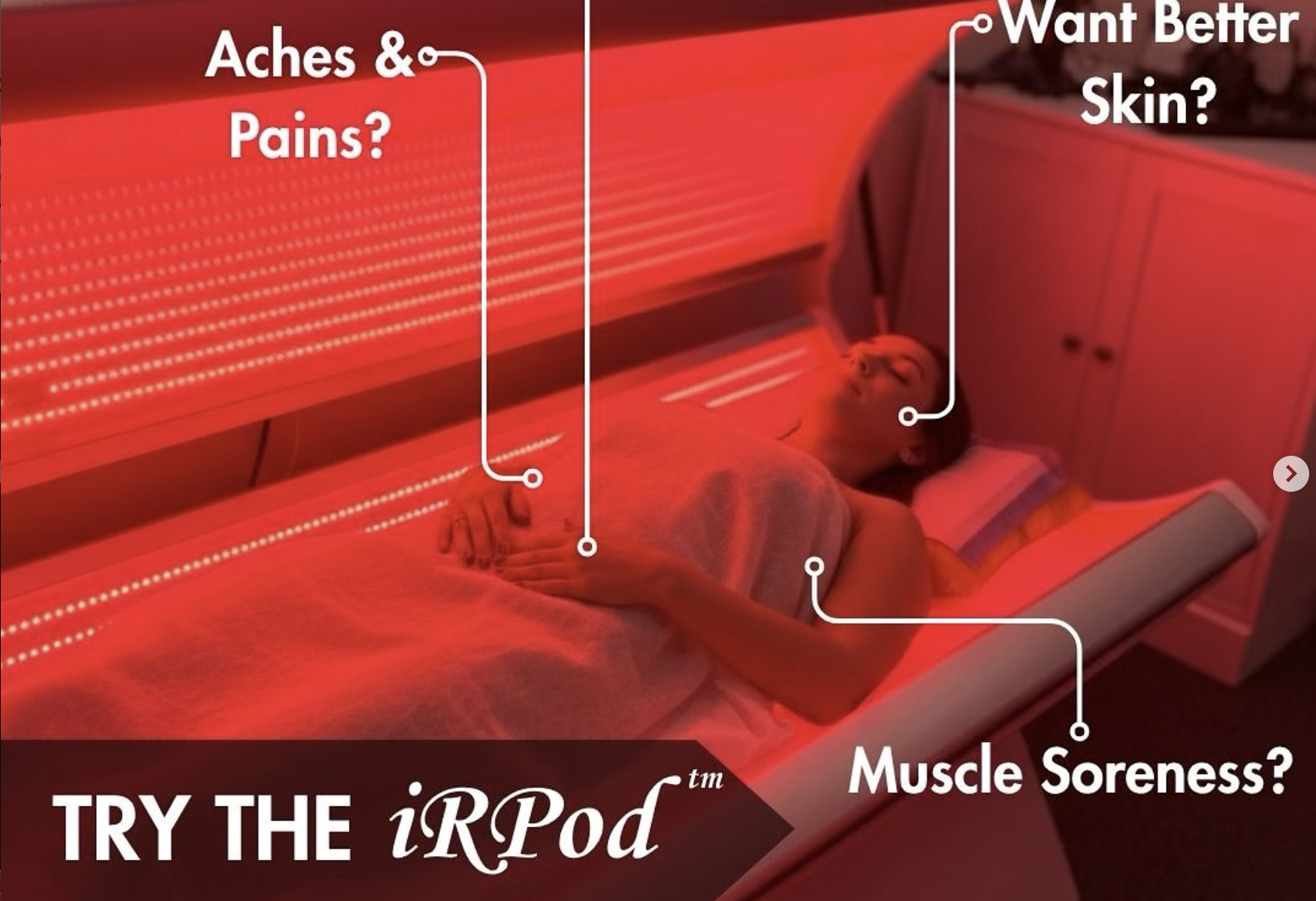
Whole-body red and infrared light therapy offers a broader treatment field, which may be particularly valuable for people dealing with multi-site pain, generalised inflammation or recovery issues that affect more than one area. Rather than chasing symptoms one patch at a time, the body receives comprehensive light exposure designed to support overall recovery.
That broader approach can also appeal to people who want more than pain reduction. Better sleep, improved mood, faster recovery and healthier-looking skin are often part of the same conversation, because the body rarely separates these outcomes as neatly as a treatment menu does.
What results depend on
This is where honesty matters. No reputable clinic should suggest that one session fixes every kind of pain. Results depend on the type of pain, how long it has been present, what is driving it, how consistently treatment is used and what else is happening in the person’s life.
Acute post-training soreness may respond quickly. Longstanding pain linked to arthritis, fibromyalgia or chronic overload often takes a more structured plan. Some people notice better sleep or a sense of reduced body tension first, then pain starts easing over the following sessions. Others feel changes in recovery speed before they feel major changes in discomfort.
Consistency usually beats intensity. A treatment plan across several sessions tends to make more sense than a one-off approach, particularly when the aim is cumulative support for healing and recovery rather than a temporary effect.
Choosing a safe, non-invasive option
If you are exploring pain relief without medication, the question is not whether a therapy sounds modern. It is whether it is safe, evidence-based and delivered properly. That means clear clinical positioning, realistic expectations and technology designed to deliver an adequate therapeutic dose.
Not all light therapy is equal. Device quality, wavelength selection, treatment coverage and session protocols all matter. If the treatment is too weak, too narrow or inconsistent, the experience may be relaxing without being particularly effective. Advanced whole-body photobiomodulation systems are designed to solve that by providing broad, controlled LED delivery in a treatment environment built around comfort and repeatability.
For adults balancing work, training, family demands and ongoing discomfort, that ease matters. A 30-minute session that is drug-free, non-invasive and simple to fit into the week is far easier to sustain than a recovery plan that depends on perfect habits and endless spare time.
A more useful way to think about pain
Pain is not always a sign that you need to shut life down. More often, it is a signal that the body needs better support. That might mean smarter movement, improved sleep, less overload and therapies that actively assist healing rather than simply dull sensation.
For many people, the strongest path forward is not choosing between natural strategies and advanced technology. It is combining them. A body that moves well, recovers properly and receives the right therapeutic input has a much better chance of feeling and performing better.
If you have been stuck in the cycle of managing symptoms instead of improving function, there is real value in trying an approach that respects both biology and lifestyle. At clinics such as iRPod, that means making photobiomodulation accessible as a safe, whole-body option for people who want credible pain support without stepping straight back into the medication loop.
The most encouraging part is this – pain relief does not always start with doing more. Sometimes it starts with choosing a treatment path that helps your body do what it was designed to do: repair, restore and recover.