

Some people with chronic fatigue wake up feeling as if they have already used the day up before it has even started. It is not ordinary tiredness, and it does not always improve with rest. That is why interest in light therapy chronic fatigue support continues to grow, particularly among people looking for a safe, drug-free option that works with the body rather than against it.
For many, the appeal is simple. When energy is low, pain is persistent, sleep is poor and recovery feels slow, another stimulant or another medication is not always the answer. Photobiomodulation, often delivered through red and infrared light therapy, offers a different pathway. It aims to support cellular energy production, reduce oxidative stress and encourage repair processes that may be underperforming.
Why light therapy chronic fatigue is getting attention
Chronic fatigue is complex. Sometimes it sits within a formal diagnosis such as chronic fatigue syndrome or myalgic encephalomyelitis. Sometimes it overlaps with fibromyalgia, post-viral symptoms, poor sleep, chronic pain, burnout or recovery after illness. That complexity matters, because no single treatment suits every person.
What makes light therapy worth serious attention is the mechanism behind it. Red and near infrared wavelengths are used to interact with cells at a mitochondrial level. In plain terms, that means the therapy is designed to support the part of the cell responsible for producing ATP, which is the body’s energy currency. If the system is under strain, even a modest improvement in cellular efficiency may have a meaningful effect on day-to-day function.
This is also why the conversation around photobiomodulation has moved beyond beauty and recovery clinics. It is now being considered by people managing persistent fatigue, body-wide discomfort and sluggish recovery. The interest is not based on hype alone. It is based on the idea that fatigue is not always just psychological or lifestyle related. In many cases, it has a physiological component that deserves targeted support.
What photobiomodulation may do for fatigue
A quality light therapy approach does not promise to cure chronic fatigue. Any clinic making that claim is overselling it. What it may do is support several systems that often contribute to how fatigue feels and how long it lingers.
One of the main targets is mitochondrial function. Red and infrared light may help cells produce ATP more efficiently, which can support energy availability. That does not mean you walk out feeling supercharged after one session. For most people, the effect is gradual and cumulative. Subtle changes such as less afternoon crashing, steadier concentration or feeling less wiped out after normal activity are often more realistic markers.
Another key factor is inflammation and oxidative stress. People with persistent fatigue often describe a whole-body heaviness, poor recovery and a sense that their system is not bouncing back. Photobiomodulation has been studied for its anti-inflammatory potential, and that matters because chronic low-grade inflammation can affect energy, pain, sleep and mood all at once.
Sleep quality is another piece of the picture. Many people with chronic fatigue are exhausted but do not sleep deeply or wake refreshed. If light therapy helps calm pain, ease tension and support nervous system regulation, sleep can improve as a secondary benefit. Better sleep then feeds into better recovery, and better recovery can gradually support better energy.
Whole-body treatment matters more than many people realise
When fatigue is systemic, a tiny treatment area may not be enough. That is one reason whole-body red and infrared light therapy has become such a compelling option. Instead of treating one sore point at a time, a full-body pod exposes a much larger surface area to therapeutic light.
For someone dealing with chronic fatigue alongside muscle aches, poor sleep, brain fog or fibromyalgia-type symptoms, broader coverage makes sense. The body does not operate in isolated sections. Energy production, circulation, inflammation and recovery are all connected. A whole-body approach is designed to meet that reality.
This is where treatment quality and delivery format matter. A clinical-grade pod with thousands of LEDs and controlled treatment parameters is very different from occasional use of a small home device. Home units can have a role, but they are often localised and lower powered. If the goal is to support body-wide fatigue and recovery, the dose and coverage need to match the problem.
What to expect from light therapy for chronic fatigue
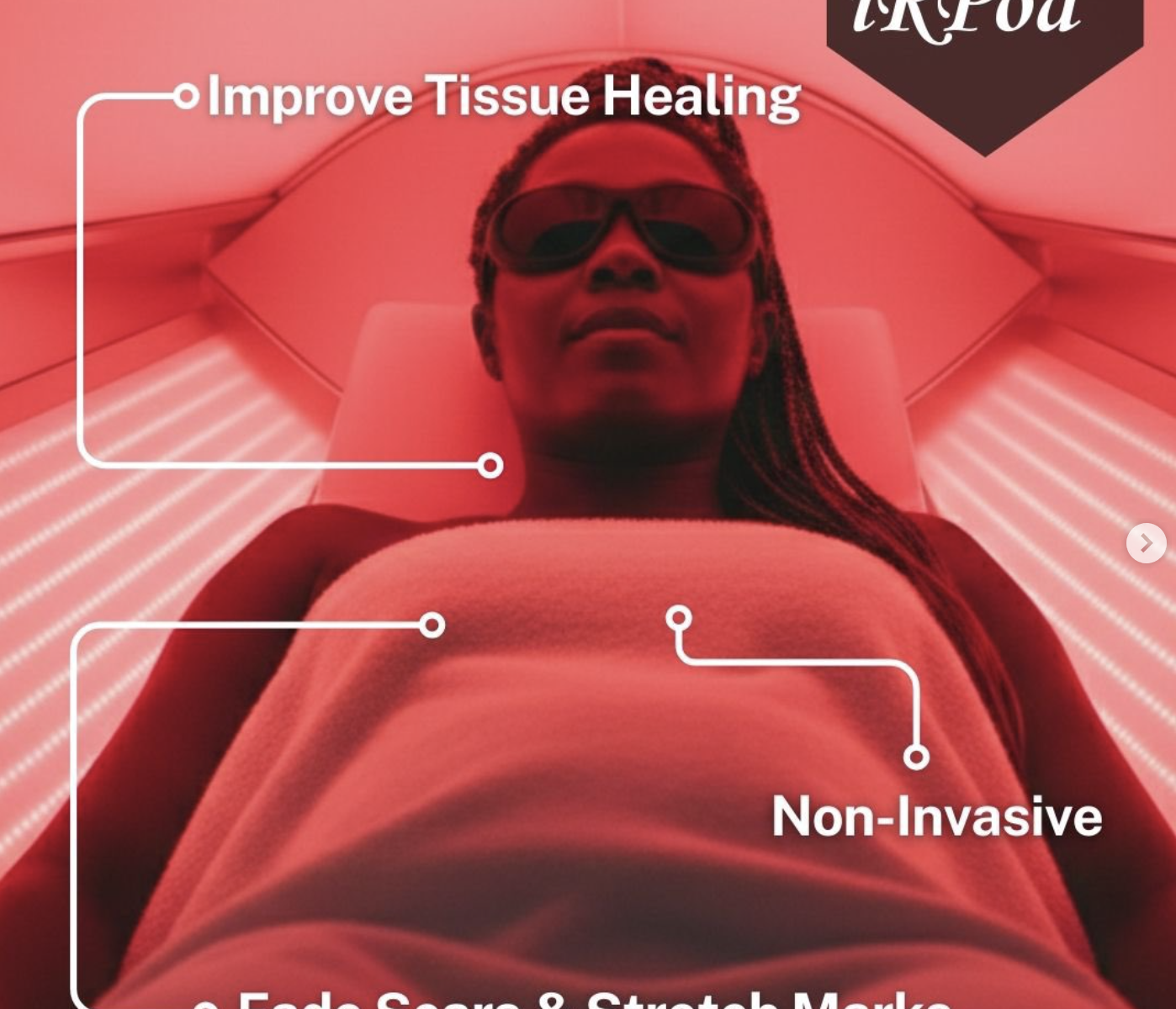
A good first session should feel easy. You lie back in a temperature-controlled pod for around 30 minutes while red and infrared light is delivered across the body. There is no invasive procedure, no needles and no recovery downtime afterwards. Most people find it calming, which is valuable in itself when the nervous system has been under pressure for months or years.
Results vary, and that is the honest answer. Some people notice improved sleep or a sense of calm after the first few sessions. Others need a structured course before they feel clear change. Chronic fatigue tends to respond better to consistency than to one-off treatment. That is why many clinics recommend a plan across several sessions rather than a casual try-once approach.
It is also worth setting the right goalposts. With chronic fatigue, progress can look like better resilience rather than a dramatic surge in energy. You may find daily tasks feel more manageable, post-exertion crashes become less severe or recovery after exercise and work improves. Those shifts are clinically meaningful, even if they are not flashy.
Who may benefit most
Light therapy chronic fatigue treatment may appeal most to adults who want an evidence-based, non-invasive option and are tired of symptom management that never seems to move the needle. That includes people with chronic fatigue syndrome, fibromyalgia, post-viral fatigue, persistent stress-related exhaustion and those whose fatigue is tied up with poor sleep, pain or slow recovery.
It can also suit high-functioning professionals who are still getting through work but feel their energy, mood and focus are not what they should be. Many people in this group wait too long because they assume they are simply overworked. Sometimes they are. Sometimes there is more going on beneath the surface, and a therapy that supports recovery at a cellular level is worth considering.
That said, fatigue should never be brushed off or self-diagnosed too quickly. Persistent exhaustion can have many causes, including thyroid issues, iron deficiency, sleep apnoea, depression, medication effects and other medical conditions. Light therapy can be part of a broader care plan, but it should not replace proper medical assessment where needed.
The trade-offs and limits
This therapy is promising, but it is not magic. Chronic fatigue is one of the most frustrating conditions to treat because it is rarely driven by one factor alone. If someone is severely sleep deprived, under extreme stress, poorly nourished or dealing with unresolved illness, light therapy may help, but it may not be enough on its own.
There is also the question of pace. People living with long-term fatigue often want immediate relief because they have already been waiting too long. Photobiomodulation tends to reward consistency and patience. That can be difficult when motivation is low and energy is scarce.
The other limit is provider quality. Not all light therapy is equal. Wavelengths, power, session length and treatment coverage all influence the outcome. A clinically guided whole-body session is a different proposition from a cosmetic light panel used without a therapeutic plan. If you are considering treatment, the technology and the clinical reasoning behind it matter.
Why many Melbourne clients are choosing PBM now
Melbourne clients are increasingly looking for therapies that sit between conventional medicine and general wellness. They want something grounded in science, but they also want it to feel practical, safe and sustainable. That is exactly where photobiomodulation fits.
At a clinic level, the strongest results usually come when treatment is delivered as part of a clear strategy, not as a novelty. At iRPod, that means whole-body red and infrared sessions delivered through advanced PBM pod technology designed to support pain reduction, healing, sleep, mood and recovery at the same time. For someone dealing with chronic fatigue, that broad therapeutic reach is not a luxury. It is often the point.
If you have been told to just rest more, push through, or accept feeling flat as your new normal, there is value in considering a different approach. The future is here today, and for many people, better energy starts not with forcing the body harder, but with helping it recover more efficiently.